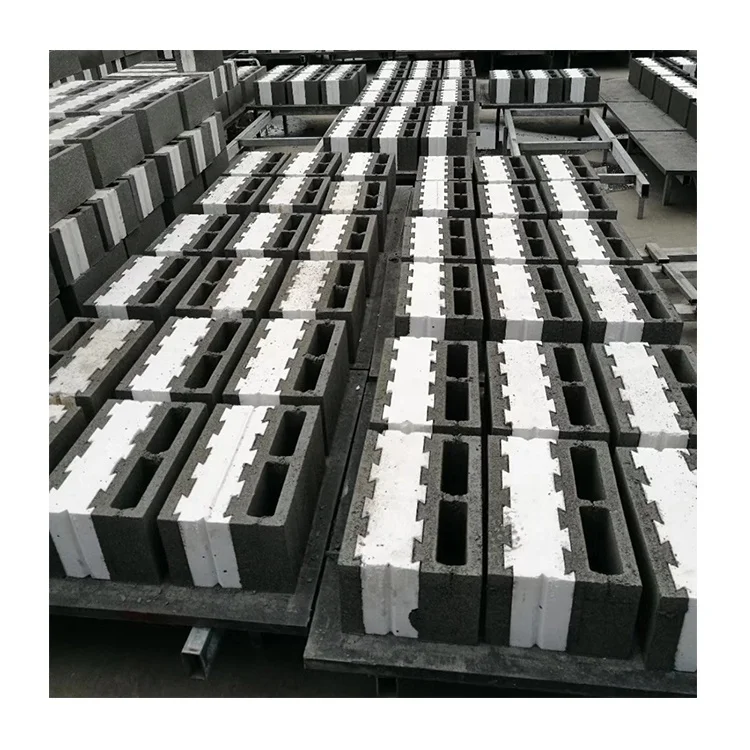
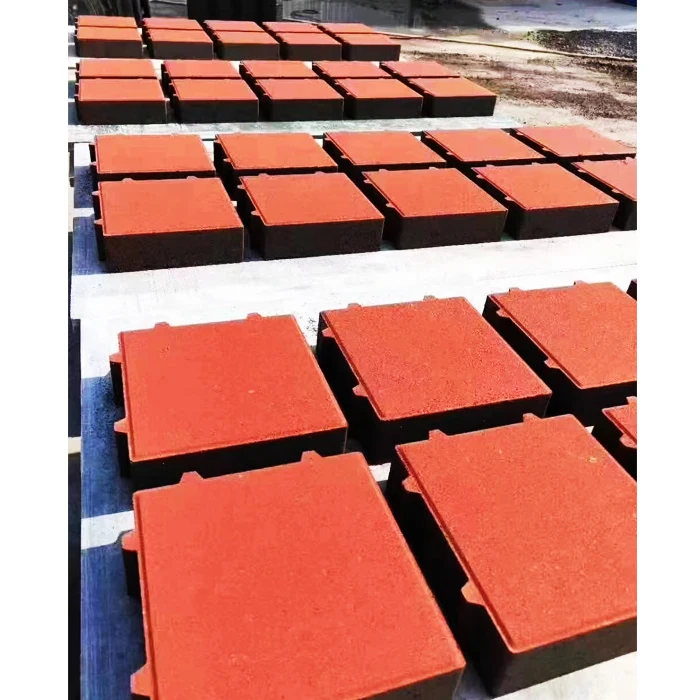
Matched System Configuration — The QTJ4-25 block machine, pallet, and mixer are specified together as one production unit, so capacity figures align with actual block formats rather than catalogue defaults.
Technical Specifications
| Parameter |
Value |
| Model |
QTJ4-25 |
| Product Type |
Semi-Automatic Concrete Block Making Machine |
| Overall Dimensions (L×W×H) |
6400×1500×2700 mm |
| Molding Cycle |
25 s |
| Vibration Frequency |
2800–5100 r/min |
| Vibration Force |
60 kN |
| Rated Power |
17.9 kW |
| Mixer Model |
JQ350 |
| Pallet Size |
850×550×20 mm |
| Net Weight |
2500 kg |
| Output Capacity |
480 pcs/h (basis: 390×190×190 mm hollow block, 4 pcs/mould) |
| Output Capacity |
600 pcs/h (basis: 400×150×200 mm hollow block, 5 pcs/mould) |
| Output Capacity |
2100 pcs/h (basis: 240×115×53 mm solid brick, 18 pcs/mould) |
| Control System |
Semi-automatic |
| Automation Level |
Manual pallet handling and stacking |
Application Suitability
| Application |
Material or Output |
| Hollow block production for residential walls |
8-inch and 6-inch hollow blocks from crushed stone, sand, and cement |
| Solid brick manufacturing for load-bearing structures |
Standard solid bricks using fly ash, dust, and cement blends |
| Paving block and kerbstone for site infrastructure |
Interlocking pavers and curbstones from local aggregate mixes |
| On-site block production for construction contractors |
Mobile plant setup using locally sourced raw materials |
What "Pieces per Hour" Leaves Out When Sizing a QTJ4-25 Block Machine Manufacturer
Every output figure must state the block format it assumes, or the number is meaningless for your daily planning.
Capacity brochures often quote a single headline number that disappears once the mould changes. A machine running solid bricks will show a dramatically higher hourly count than one pressing large hollow blocks, yet both figures belong to the same press. When I review inquiries, I ask buyers for their target block format first, then match the cycle time and mould cavity count to calculate a realistic shift output [NEED_CITE: capacity calculation methodology for concrete block production]. This prevents the disappointment of a line that cannot meet the daily volume the business plan depends on.

Where the QTJ4-25 Sits in the Full Machine Range
The QTJ4-25 occupies the semi-automatic tier, positioned between mobile egg-laying units and fully automatic lines with stacking and cubing. It serves buyers who need a fixed plant footprint but want to keep the initial investment contained. The host press, JQ350 mixer, and conveyor form a matched set, so the press is not left waiting for material. This tier is the entry point for entrepreneurs and contractors who plan to add automation stations later as volume grows.
Planning the Plant Footprint Around Semi-Automatic Handling
With a machine length of 6400 mm and manual pallet transfer, the curing area becomes the defining constraint of the layout. Pallets measuring 850×550 mm must travel from the press to the curing racks and back, so the floor plan needs clear forklift or trolley paths. Unlike fully automatic lines where stackers handle this flow, the semi-automatic configuration requires enough pallets in circulation to keep the 25-second molding cycle uninterrupted [NEED_CITE: pallet circulation requirements in semi-automatic block plants]. Buyers should confirm their curing space and forklift capacity before the order is finalized.
Vibration Force, Cycle Time, and Block Density
The 60 kN vibration force working across a 2800–5100 r/min frequency range determines how tightly the aggregate packs into the mould. Higher frequency suits finer mixes like fly ash and dust, while lower frequency moves coarser crushed stone. The 25-second molding cycle is the baseline; actual cycle time may extend if the mix requires longer vibration to achieve target strength. The 17.9 kW rated power must be available on a dedicated circuit to prevent voltage drop during the vibration peak, which would weaken the block. Pallet thickness of 20 mm absorbs vibration without cracking under repeated cycles.
The Hidden Cost of Skipping Voltage Confirmation
I once shipped a machine to Lima that arrived configured for 380V/50Hz, only to find the local supply was 440V/60Hz. The production line sat idle for three days while we rewound the motor windings on site. That delay cost the contractor more in lost output than any price negotiation could recover. When buyers skip the step of photographing their distribution board nameplate, the QTJ4-25 block machine manufacturer cannot guarantee the motor and control panel will match the local grid [NEED_CITE: voltage and frequency standards by export market]. Confirming voltage and frequency before production eliminates this class of failure entirely.
Why Buyers Source the Full Range Here
Block machinery is the single focus of this production facility, so the QTJ4-25 is not assembled from unrelated supplier components. The press, mould, pallet, and JQ350 mixer are specified as one system, meaning the vibration force and mixer output are balanced rather than mismatched. Configuration starts from the buyer’s actual mix design and local aggregate, not a catalogue default. Mould design covers the formats the buyer’s market sells, with custom drawings available for non-standard sizes. The semi-automatic tier allows buyers to start here and add automatic pallet feeding or stacking as demand grows.
Documentation & Verification
- Line layout drawing showing QTJ4-25 footprint with pallet circulation paths marked
- Capacity calculation sheet stating block format assumed for each output figure
- Mould drawing and format list matching your local market product range
- Pallet specification confirming dimensions and material for your curing area
- Voltage and control language confirmation signed before production begins
- Factory test record on your specified block format before dispatch
Installation, Commissioning & Support
- Foundation plan based on 6400×1500 mm footprint and 2500 kg net weight
- Power supply verification for 17.9 kW rated load on dedicated circuit at confirmed voltage
- Machine arrives partially assembled; mixer and conveyor mounted on site
- First production run supervised to set vibration frequency for your mix design
- Operator training covers mould change procedure and pallet circulation workflow
- Wear parts list with hydraulic seals and vibration springs for first reorder
What to Include in Your Inquiry
To position the QTJ4-25 correctly within the range, share your target block format and the daily volume your market requires. Confirm the voltage and frequency at your site by photographing the main distribution board nameplate. State the raw materials you can source locally, including aggregate type and maximum particle size, so the mixer and vibration settings are matched before the machine is built.
Frequently Asked Questions
Q: How is output capacity calculated for each block format on the QTJ4-25?
A: Output is tied to a specific mould and block size. For example, 480 pieces per hour is based on a 390×190×190 mm hollow block with four cavities per mould and a 25-second cycle. When the mould changes to solid bricks, the cavity count increases and so does the hourly figure. Always confirm which format your daily target assumes.
Q: What voltage and frequency options are available, and is PLC language configurable?
A: The motor and control panel are built to match your local supply. Buyers must confirm voltage, frequency, and preferred PLC display language before production starts. This prevents on-site rewinding or panel replacement after arrival, which I have seen delay commissioning by several days.
Q: How long does a mould change take, and what formats can one machine produce?
A: The QTJ4-25 supports hollow blocks, solid bricks, pavers, and kerbstones through mould change on one host press. Change time depends on operator familiarity and whether quick-release fasteners are specified. Manual change is standard at this tier; confirm your format list so moulds are supplied with the machine.
Q: What automation upgrades are available from the semi-automatic starting point?
A: Buyers can add automatic pallet feeding, stacking, and cubing stations as volume grows. The QTJ4-25 semi-automatic configuration leaves space in the line layout for these additions. Confirming the upgrade path at the inquiry stage ensures the foundation and electrical panel have capacity reserved for future stations.
Q: How does the machine footprint compare across the range for plant planning?
A: The QTJ4-25 measures 6400×1500×2700 mm and fits a small to medium plant. Fully automatic lines require additional length for stackers and curing rack handlers. Mobile units need no fixed foundation but sacrifice output consistency. The semi-automatic tier balances a compact footprint with the fixed-plant stability needed for regular production schedules.

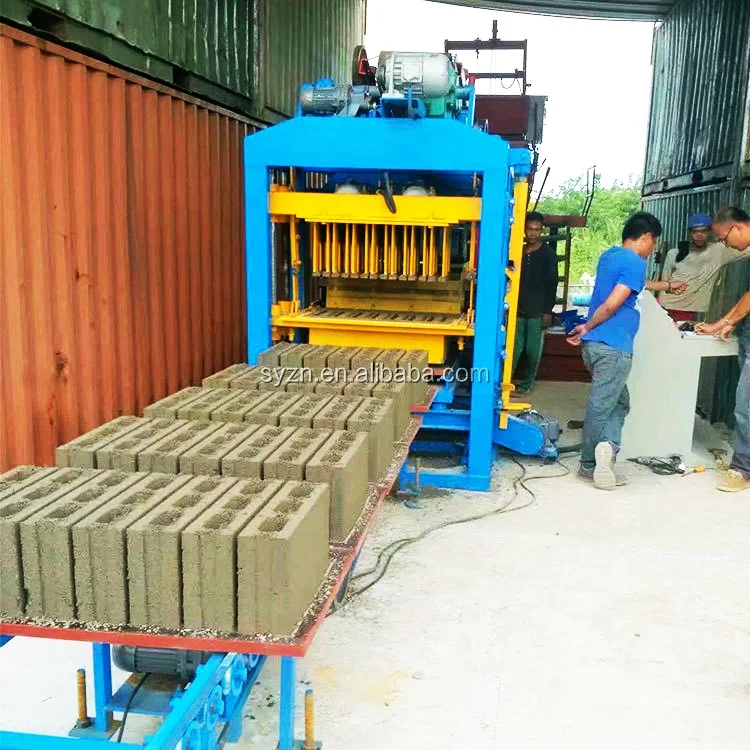
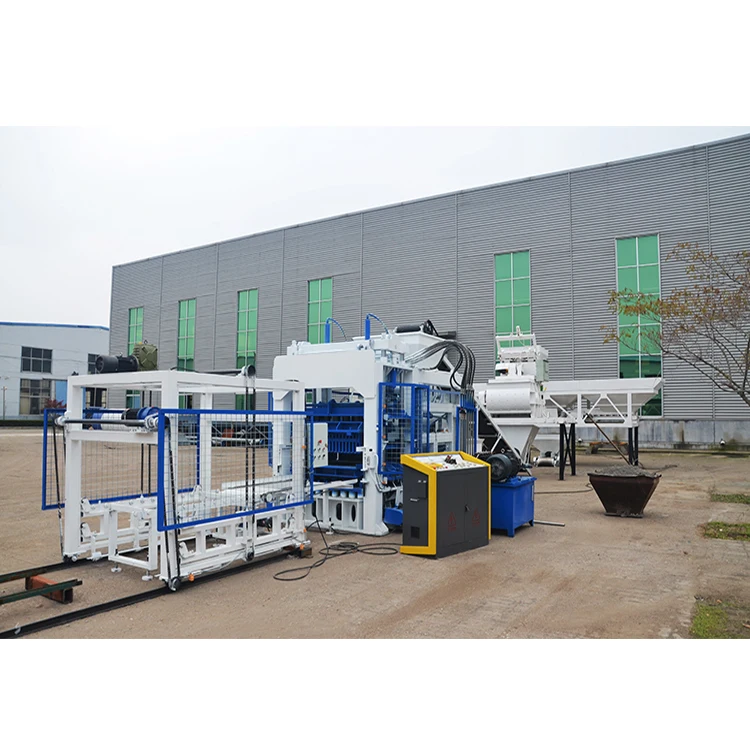 High quality block machine