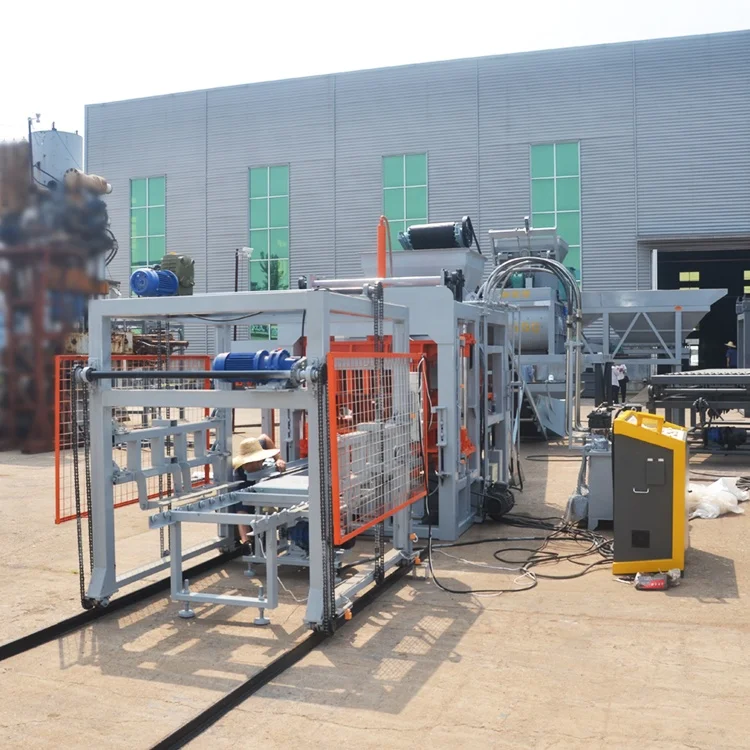
Matched System Design — The QT8-15 is specified alongside its mould, pallet, and handling equipment as one integrated block production tier rather than a standalone press, ensuring the vibration force, hydraulic pressure, and pallet dimensions work together from the first production run.
Technical Specifications
| Parameter |
Value |
| Model |
QT8-15 |
| Product Type |
Hydraulic Block Making Machine |
| Overall Dimensions (L×W×H) |
8300×1860×3000 mm |
| Rated Pressure |
21 MPa |
| Main Vibration Form |
Platform Vibration |
| Vibration Frequency |
2800–4500 r/min |
| Vibration Force |
45 kN |
| Pallet Size |
950×900 mm |
| Molding Cycle |
15–20 s (basis to be confirmed by block format) |
| Overall Power |
55.5 kW |
| Total Mass |
8 T |
| Demolding Method |
Hydraulic |
| Factory Area |
300 m² |
| Applied Products |
Concrete blocks, hollow/solid blocks, pavers, interlocking blocks, curbstone, colored pavers |
| Raw Material |
Crushed stone, sand, cement, dust, fly ash, gravel, slag |
| Voltage & Frequency |
Configurable to target market requirements |
| Control System |
Available with PLC or manual control |
| Warranty |
1 year |
| Standards |
CE (confirm per shipment) |
Application Suitability
| Application |
Material or Output |
| Hollow block production for building contractors |
Crushed stone, sand, cement, and fly ash mixes on 950×900 mm pallets |
| Solid block manufacturing for masonry supply |
Gravel, sand, and cement blends producing high-density wall blocks |
| Paver and interlocking brick production |
Colored concrete mixes for roadscape and pedestrian surface formats |
| Kerbstone and curb production |
Heavy aggregate mixes formed under 21 MPa hydraulic pressure |
| On-site block production for housing projects |
Locally sourced sand, slag, and cement within a 300 m² plant footprint |
| Porous and permeable brick manufacturing |
Open-graded aggregate mixes for stormwater management pavers |
What "Cycles per Hour" Leaves Out About the QT8-15 Block Machine Full Range
The cycle time of 15–20 seconds means different things depending on whether you are pressing a 400×200×200 mm hollow block or a 200×100×60 mm paver — and the daily output gap between those two formats can be substantial.
Many quotations list a single cycles-per-hour figure without naming the block format behind it. A buyer comparing machines on that number alone may find real daily output falls far short once production starts on the formats the local market actually demands. The QT8-15 block machine full range addresses this by defining capacity per format, so you can see what the press delivers on hollow blocks versus pavers before you commit [NEED_CITE: capacity calculation standards for concrete block production].
In my time on the assembly floor, I watched machines ship out with impressive cycle claims that dissolved on contact with a buyer’s actual product mix. The mould cavity count, the demolding stroke, and the vibration settling time all shift when you move from one block format to another. This is why we calculate output per format, not as a blanket number.

Positioning the QT8-15 Across Output Tiers
The QT8-15 occupies the mid-to-high automatic tier in our block machine range. Below it sit semi-automatic models that require manual pallet handling and suit smaller workshop volumes. Above it are high-capacity lines with fully automatic stacking and cubing for large-scale block plants. The QT8-15 block machine full range sits at the point where a first-time plant or an expanding producer gains meaningful automation — platform vibration, hydraulic demolding, and pallet feeding — without the footprint and investment of a top-tier line.
For a buyer surveying options, this tier represents the balance between daily throughput and plant complexity. The 8-tonne machine mass and 55.5 kW total power indicate a press built for sustained production, yet the 300 m² factory area requirement keeps the installation within reach for operations that do not have a sprawling industrial site.
How the Pallet Size Defines Your Format Envelope
The 950×900 mm pallet is the physical boundary of what the QT8-15 can produce in a single press stroke. Every mould must fit within this envelope, and the number of cavities per mould determines your output per cycle. A hollow block mould may yield fewer pieces per cycle than a paver mould, but each piece carries higher value and weight. Understanding this relationship before ordering — rather than discovering it after the machine arrives — prevents the mismatch between expected and actual daily production [NEED_CITE: pallet sizing and mould cavity layout for block presses].
This pallet dimension also determines what curing racks, forklifts, and stacking systems you need downstream. If your existing equipment was sized for a different pallet, the entire handling chain must be reconciled before the QT8-15 is productive.
Why Hydraulic Pressure and Vibration Force Must Be Read Together
The 21 MPa rated pressure and 45 kN vibration force on the QT8-15 work as a pair. Hydraulic pressure compacts the mix from above while platform vibration settles the aggregate from below. If either is too low for the mix design, blocks emerge with weak edges or inconsistent density. If vibration frequency is set too high for a coarse aggregate, the mix segregates and the block surface shows voids.
The adjustable 2800–4500 r/min vibration frequency range allows the operator to match the energy input to different products: lower frequencies for large hollow blocks with bigger aggregate, higher frequencies for dense pavers with fine sand. The 15–20 second molding cycle reflects this settling time, though the exact figure depends on the block format and mix being pressed. Getting this balance right at commissioning — based on the buyer’s actual aggregate sample — avoids weeks of trial and error on the production floor.
The Cost of Skipping Voltage and Control Confirmation
One of the most common delays at commissioning happens when voltage, frequency, and PLC display language are not confirmed before the machine enters production. A QT8-15 configured for 380V/50Hz arriving at a site running 440V/60Hz cannot start without a transformer or rewiring. A PLC displaying in a language the local operator cannot read turns troubleshooting into guesswork.
These are not difficult problems to solve — they just need to be addressed before the machine ships, not after it arrives in a container. The QT8-15 block machine full range includes voltage and control language confirmation as a standard step in the order process, because the cost of a delayed commissioning far outweighs the time spent specifying these details upfront [NEED_CITE: voltage and frequency standards by export market].
Why Buyers Source the QT8-15 Tier Here
Block machinery is our single focus, which means the QT8-15 press, its moulds, pallets, and handling equipment are specified as one matched system rather than assembled from separate suppliers who may not coordinate their dimensions.
Configuration is set against the buyer’s actual mix design and local aggregate, not a catalogue default. When I review an inquiry, the first thing I ask for is an aggregate sample — because the vibration parameters that work for river sand will crack bricks made with volcanic crushed stone.
Mould design covers the formats the buyer’s market actually sells, with custom drawings available when standard formats do not match local demand. The automation level is selectable, so a buyer can begin with semi-automatic pallet handling and add automatic stacking later.
Installation and commissioning support includes operator training at the plant, ensuring the crew understands mould change procedures, vibration frequency adjustment, and daily maintenance routines before the service engineer leaves the site.
Documentation & Verification
- Line layout and capacity calculation stating the block format assumed for each output figure
- Machine specification sheet confirming hydraulic pressure, vibration force, and pallet size as a matched set
- Mould drawing and format list showing which block types the 950×900 mm pallet accommodates
- Voltage, frequency, and PLC display language confirmation document signed before production begins
- Factory test record demonstrating press operation on the buyer’s specified block format
- Operation and maintenance manual covering mould change, hydraulic service, and vibration adjustment
Installation, Commissioning & Support
- Foundation plan sized for the 8300×1860 mm footprint and 8-tonne operating mass of the QT8-15
- Dedicated power circuit rated for the 55.5 kW total load with confirmed voltage and frequency
- Machine dismantled for container shipment and reassembled on-site with alignment verification
- First production run supervised, with vibration frequency and hydraulic pressure tuned to the buyer’s aggregate
- Operator training on mould change, PLC control interface, and daily hydraulic system inspection
- Wear parts list and mould maintenance schedule provided at handover for ongoing production continuity
What We Need to Size Your Line Correctly
To give you a meaningful proposal on the QT8-15, we need to know the block formats your market sells and the daily volume you need per format. Share your local aggregate type and any available mix design data, along with the voltage, frequency, and control language your operators require. If you have existing pallets, forklifts, or curing racks, send their dimensions so we can confirm whether the 950×900 mm pallet system integrates with your current setup or whether the handling equipment needs to be included in the line layout.
Frequently Asked Questions
Q: How does the QT8-15 output compare across hollow block, solid block, and paver formats?
A: The molding cycle is listed at 15–20 seconds, but the number of pieces per cycle depends on the mould cavity layout within the 950×900 mm pallet. A hollow block mould may produce fewer pieces per cycle than a paver mould. We provide a capacity calculation that states the block format assumed for each output figure, so you can compare machines on the formats you actually plan to produce.
Q: Where does the QT8-15 sit in the block machine range — automatic, semi-automatic, or mobile?
A: The QT8-15 sits in the mid-to-high automatic tier, with platform vibration, hydraulic demolding, and pallet feeding integrated into the press. It is a step above semi-automatic models that require manual pallet handling, and it is a fixed-plant machine rather than a mobile egg-laying unit. Automation can be configured to match your current labour capacity and upgraded later.
Q: What plant footprint does the QT8-15 require and how does it match my existing equipment?
A: The factory area requirement is approximately 300 m² for the press and immediate handling stations. The 950×900 mm pallet size determines the curing rack and forklift specifications downstream. If your existing pallet inventory or curing area was built for a different size, the handling equipment must be reconciled before commissioning to avoid bottlenecks.
Q: What voltage, frequency, and control language options are available for the QT8-15?
A: Voltage and frequency are configurable to match your local power supply — these must be confirmed before the machine enters production. The PLC control system is available with display language options for your operators. We confirm all electrical and control specifications in writing before manufacturing begins to avoid commissioning delays.
Q: How does the QT8-15 tier compare in investment and daily labour to smaller machines?
A: The QT8-15 tier requires a larger initial investment and plant footprint than semi-automatic or mobile machines, but it reduces daily labour by integrating pallet feeding and hydraulic demolding. The 55.5 kW power requirement and 8-tonne machine mass indicate a press designed for sustained production. The right tier depends on your target daily output and the automation level your operation can support.

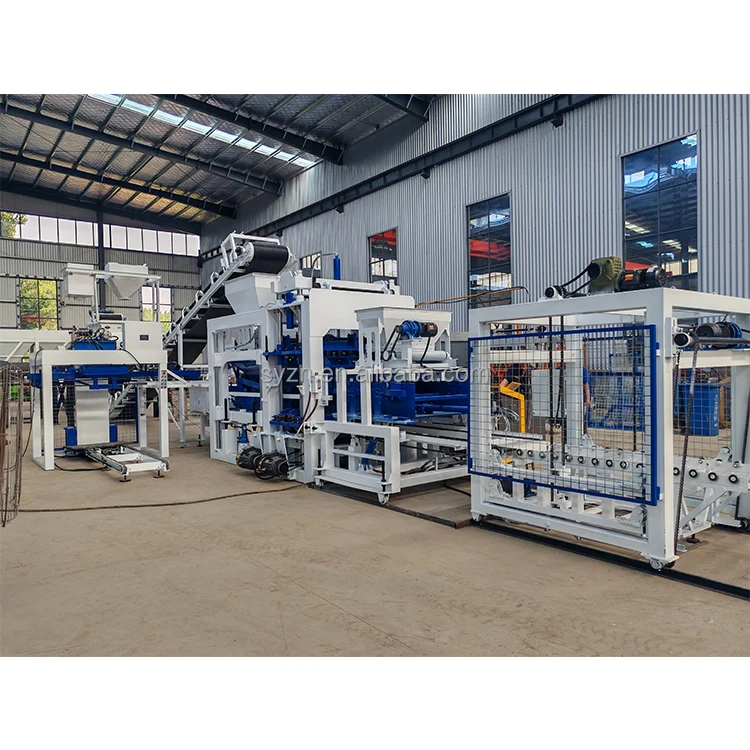
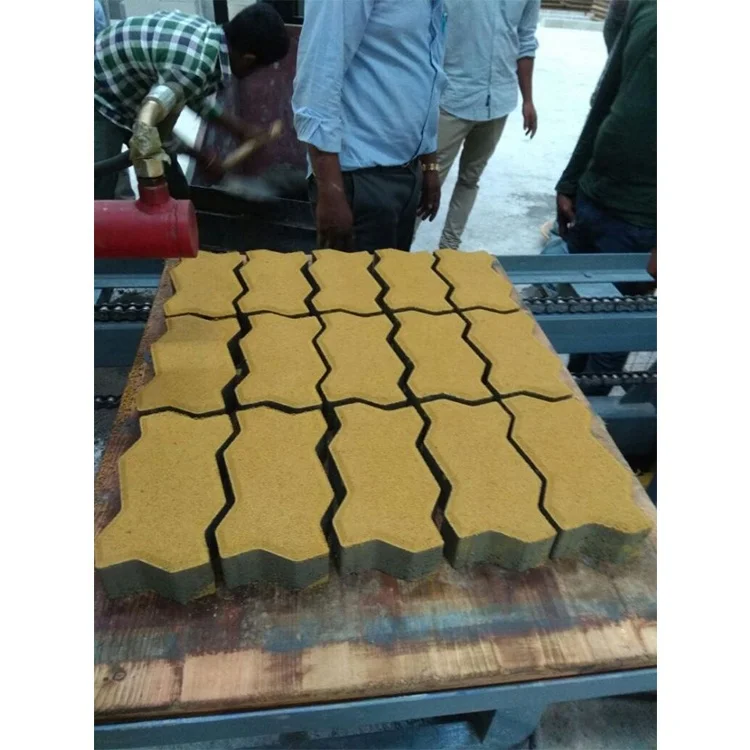 High quality block machine
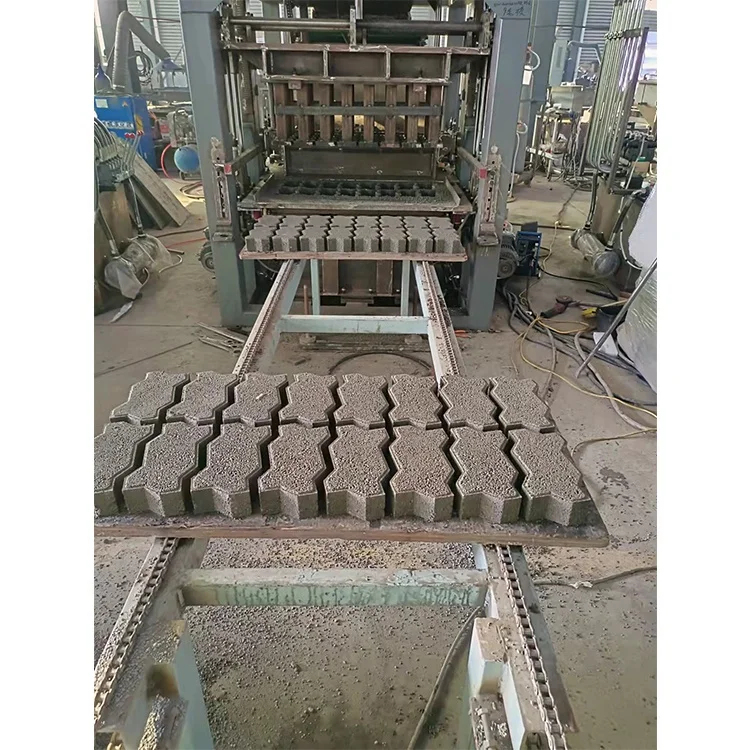
![QT10-15 Cement Block Machine for Hollow Block | Manufacturer8 + 2 + 9 + 4 + 7 = 30 30 mod 6 = 0 → 句式:[品类词] for [应用或物料] – [站点修饰词] 目标站 shiyueblockmachine.com → 全品类目录类角色 → 池:Manufacturer / Factory Supply / Full Range 30 mod 3 = 0 → Manufacturer Cement Block Machine for Hollow Block – Manufacturer (50) → 刚好50字符 Cement Block Machine for Hollow Block – Manufacturer](https://shiyueblockmachine.com/wp-content/uploads/2026/04/Hb41b33f9751e441c8a35b36846992f0bP.webp)