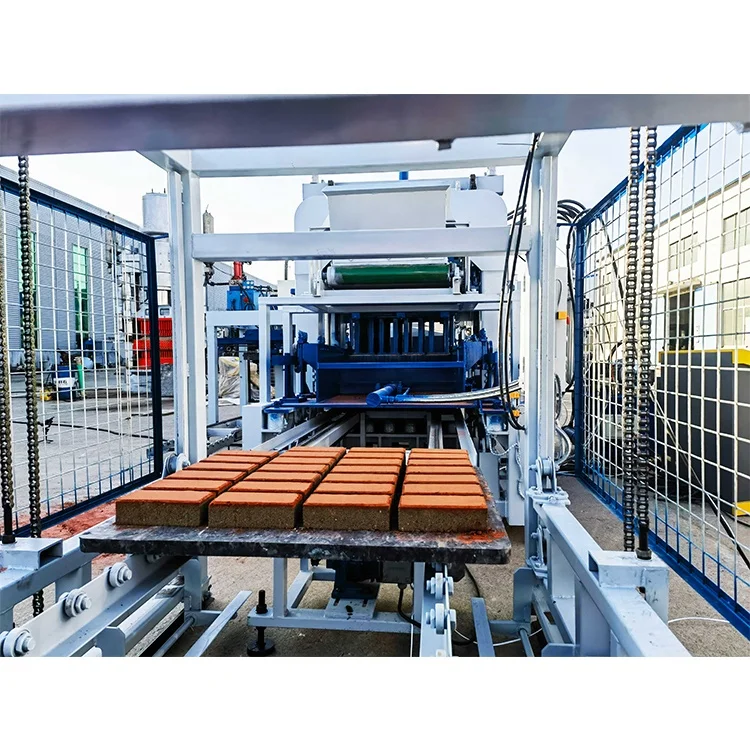
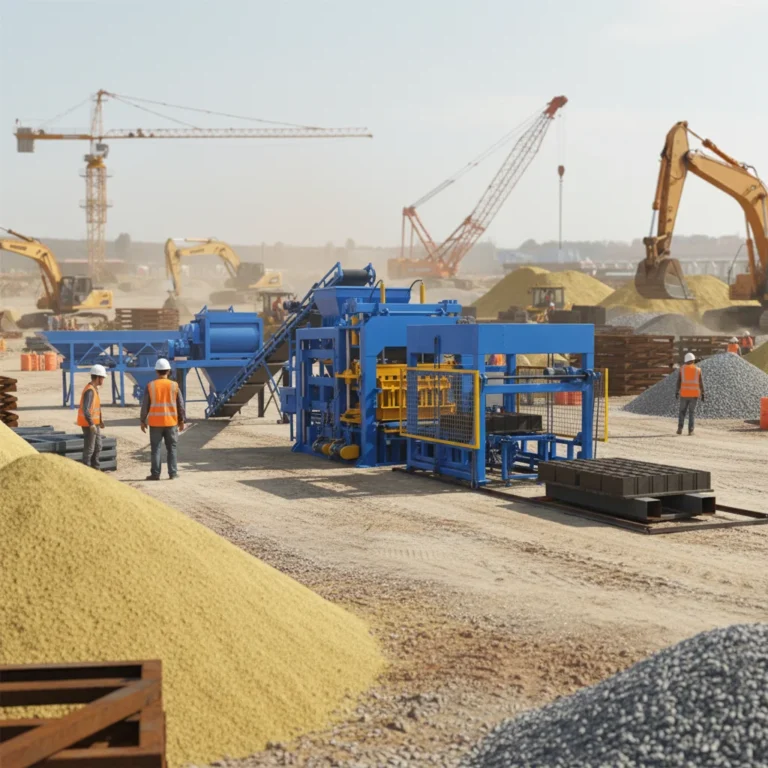
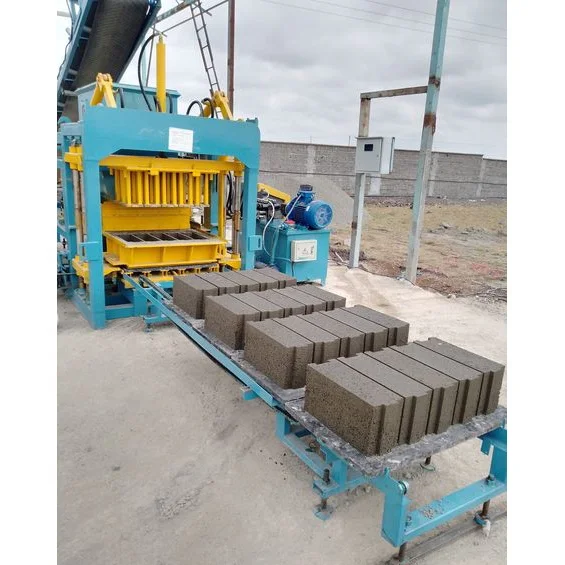
Mid-to-high tier capacity matched to your format — the QT8-15 block machine manufacturer range is specified as one system of press, pallet and handling rather than isolated components, helping buyers locate the right tier before committing to a full line.
Technical Specifications
| Parameter |
Value |
| Model |
QT8-15 |
| Product Type |
Hydraulic Concrete Block Making Machine |
| Overall Dimensions (L×W×H) |
8300×1860×3000 mm |
| Rated Pressure |
21 MPa |
| Vibration Form |
Platform Vibration |
| Vibration Frequency |
2800–4500 r/min |
| Vibration Force |
45 kN |
| Pallet Size |
950×900 mm |
| Molding Cycle |
15–20 s |
| Overall Power |
55.5 kW |
| Total Mass |
8 T |
| Demolding Method |
Hydraulic |
| Factory Area Required |
Approx. 300 m² |
| Raw Materials |
Crushed stone, sand, cement, fly ash, gravel, slag, dust |
| Output Capacity |
(basis not stated in source — confirm block format, material and thickness) |
| Control System |
Configurable (voltage, frequency and PLC language confirmed before production) |
| Automation Level |
Selectable from semi-automatic to fully automatic line configuration |
| Loading |
1×40HQ container for basic equipment |
| Warranty |
1 year (whole machine, excluding spare parts) |
Application Suitability
| Application |
Material or Output |
| Hollow block production for commercial and residential walls |
Crushed stone, sand, cement, fly ash blends |
| Solid block manufacturing for load-bearing structures |
Gravel, sand, cement mixes with higher density requirements |
| Paving block and colored paver runs for roads and walkways |
Fine aggregate with pigment additives |
| Interlocking brick production for perimeter and landscape work |
Sand-cement blends with interlocking mould profiles |
| Kerbstone and curb units for infrastructure projects |
Coarse aggregate with high hydraulic pressure settings |
What "Cycles per Hour" Leaves Out About the QT8-15 Block Machine Manufacturer Range
Capacity only means something when you know which block format the number assumes.
I have watched buyers compare quotations based on a single cycles-per-hour figure, only to discover after commissioning that the number was derived from a thin paver, not the 200 mm hollow block their market actually buys. The QT8-15 block machine manufacturer proposal you receive here states output per format, so a hollow block figure, a paver figure and a kerbstone figure each appear on the same document, letting you see where your product sits before the order goes to production [NEED_CITE: block format assumptions in capacity quotations across manufacturers]. Without that breakdown, a mid-tier press can look identical on paper to one far better suited to a different product mix.

Where the QT8-15 Sits Across the Output Tiers
The QT8-15 occupies the mid-to-high bracket in our complete block machine range, between smaller semi-automatic units intended for workshop volumes and the high-capacity fully automatic lines that fill an entire industrial shed. Buyers who have outgrown a mobile egg-laying machine but are not yet ready for a continuous-cubing automatic line usually land here. The 950×900 mm pallet and platform vibration system give this tier enough flexibility to run several formats in a single shift without the footprint penalty of a larger press.
Matching the Machine Tier to Your Actual Site Conditions
A housing project contractor producing blocks on a constrained urban lot will value the QT8-15’s 300 m² factory area requirement differently from a building material distributor with a large curing yard. The platform vibration with adjustable frequency from 2800 to 4500 r/min allows the press to adapt to the local aggregate, which varies widely between regions [NEED_CITE: impact of local aggregate on vibration parameter selection]. The automation level is selectable, so a buyer can take delivery as a semi-automatic press and add pallet feeding, stacking and cubing stations as volume justifies the investment.
Reading the Specs Against Your Mix Design
The 21 MPa rated pressure and 45 kN vibration force are not standalone numbers — together they determine how densely a given mix is compacted before the hydraulic demolding cycle begins. If your local sand carries a high clay content, that vibration frequency range needs adjustment during commissioning, something I saw firsthand when a client’s daily output dropped sharply until we re-tuned the platform vibration to suit the actual feed material. The 55.5 kW overall power rating reflects the hydraulic pump and vibration motor running together, and your electrical supply must support that continuous draw, not just the nominal cycle figure.
The Hidden Cost of Configuring Without Your Local Aggregate
When a press arrives tuned to a catalogue-default mix that your local quarry cannot supply, the first week of production becomes an unplanned trial-and-error exercise. Block strength varies from batch to batch, pallet rejection rates climb, and the operator spends more time adjusting the vibration frequency than running the machine [NEED_CITE: mix design mismatch and commissioning delays in exported block machinery]. The pallet size must also align with the forklift tines and curing rack dimensions already on site, otherwise the 950×900 mm pallet forces a capital spend on new handling equipment that was never in the project budget.
Why Source Your QT8-15 Block Machine Manufacturer Package Here
Block machinery is our single focus, so the press, mould, pallet and handling equipment are specified as one matched system rather than assembled from separate suppliers. The configuration is set against your actual mix design, local aggregate and target block format instead of a catalogue default, and mould design covers the formats your market sells, including custom drawings you provide. The automation level is selectable, allowing a semi-automatic start with a defined upgrade path to full stacking and cubing. Installation and commissioning support includes operator training, and wear parts and mould replacements are documented from day one so the first changeover does not halt production.
Documentation & Verification
- Line layout and capacity calculation stating the block format assumed for each output figure
- Machine specification sheet with voltage, frequency and PLC language confirmed before production
- Mould drawing and format list covering hollow, solid, paver, interlocking and kerbstone profiles
- Factory test record and packing photographs provided before the container is sealed
- Hydraulic and electrical schematic matching the as-built configuration
Installation, Commissioning & Support
- Foundation slab must accommodate the 8300×1860 mm footprint and 8 T static mass
- Dedicated circuit required for the 55.5 kW continuous load at confirmed voltage and frequency
- Machine ships dismantled in one 40HQ; reassembly and alignment performed on site
- Commissioning includes vibration frequency tuning to the buyer’s actual aggregate sample
- Operator training covers mould change procedure and daily hydraulic system checks
- Wear parts list and mould replacement schedule provided in the operation manual
What to Share Before Requesting a Proposal
To size the QT8-15 correctly within the range, send the target block format, required daily output and the local raw material you plan to use, along with any available aggregate sample. Confirm your site voltage, frequency and the PLC display language your operators will need. If you have existing curing racks or forklifts, share those dimensions so the pallet and handling specification aligns from the start.
Frequently Asked Questions
Q: How is the QT8-15’s capacity calculated, and which block format does each figure assume?
A: Every capacity figure on our proposal states the specific block format, dimensions and material thickness it was derived from. A hollow block output number differs from a paver number because molding cycle and pallet coverage change between formats, and both appear on the same document so you can compare directly.
Q: Where does the QT8-15 sit compared to smaller semi-automatic and larger fully automatic models?
A: It occupies the mid-to-high tier, offering a larger pallet and higher vibration force than workshop-scale semi-automatic units while requiring less factory area and capital than a high-capacity fully automatic line with continuous cubing.
Q: Can I start with a semi-automatic QT8-15 and upgrade the automation level later?
A: Yes. The automation level is selectable, so the press can be delivered with manual pallet handling and upgraded to automatic pallet feeding, stacking and cubing as production volume grows and the investment is justified.
Q: What pallet size does the QT8-15 use, and how do I match it to my existing setup?
A: The standard pallet is 950×900 mm. Before production, we confirm this dimension against your curing rack spacing and forklift tine width so no additional handling equipment is needed when the machine arrives.
Q: What voltage, frequency and control language options are available, and when are they confirmed?
A: Voltage, frequency and PLC display language are confirmed during the proposal stage, before production begins, so the electrical cabinet and operator interface match your site supply and crew when commissioning starts.

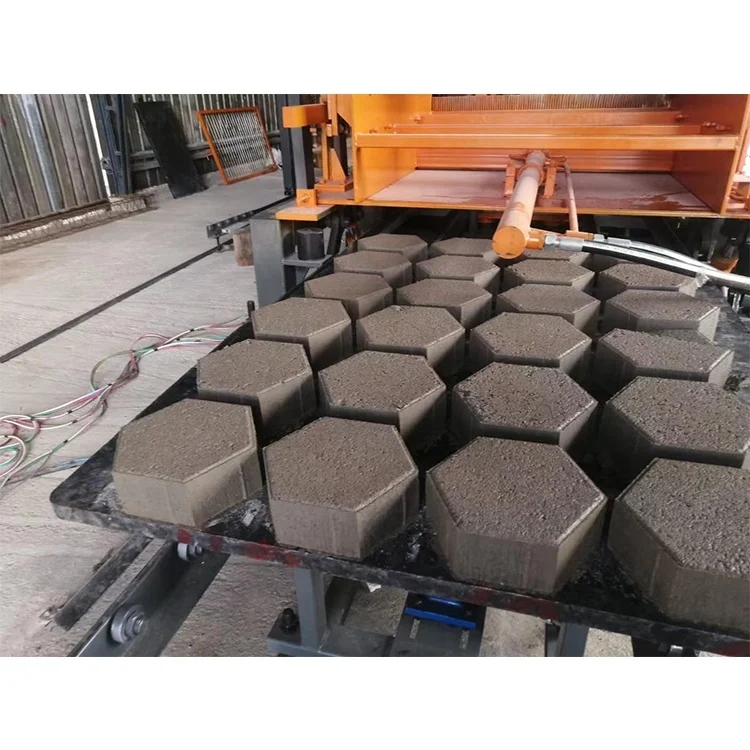
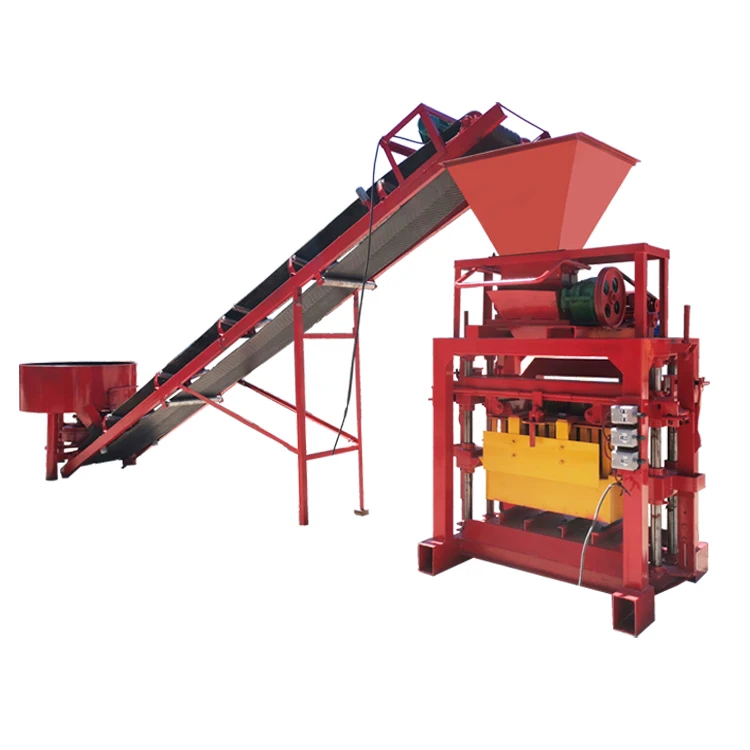 High quality block machine