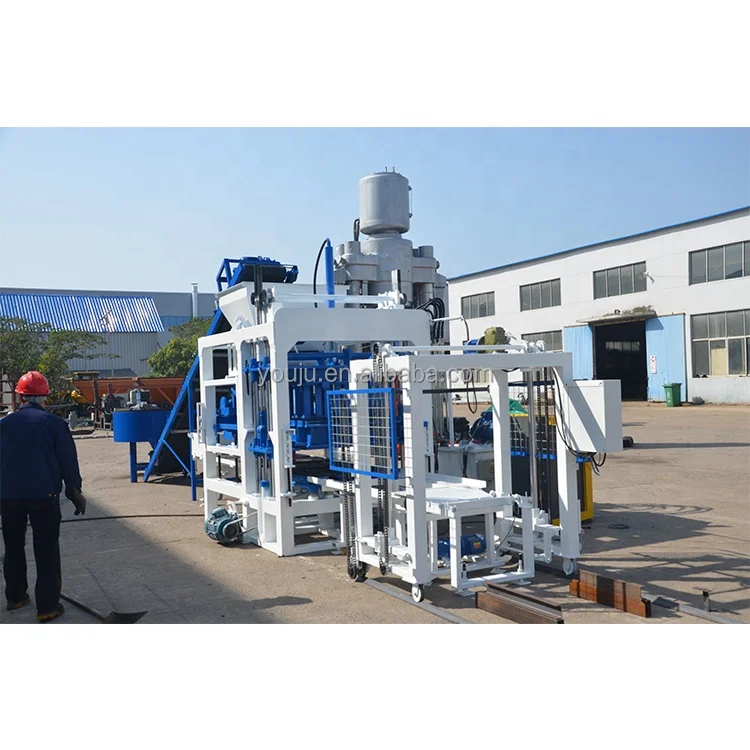
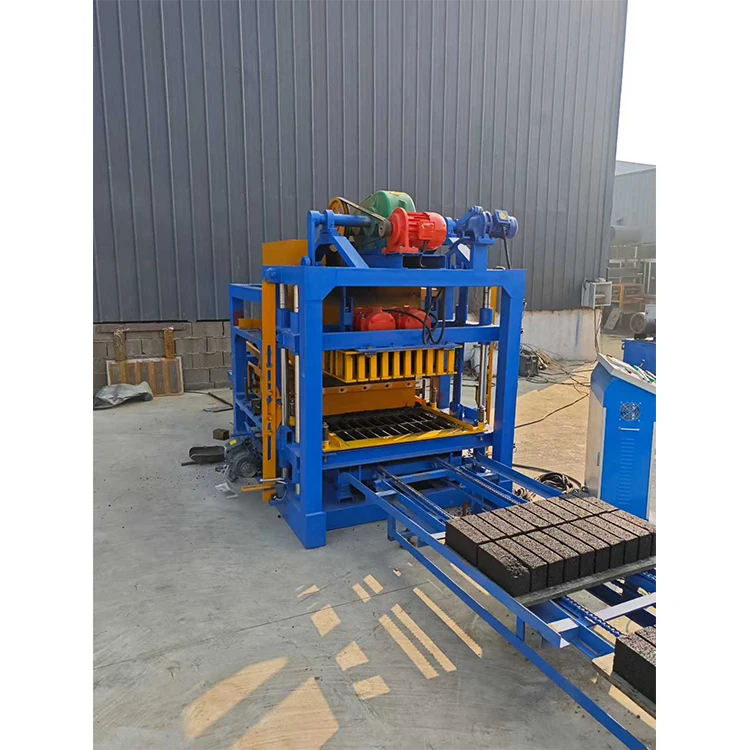
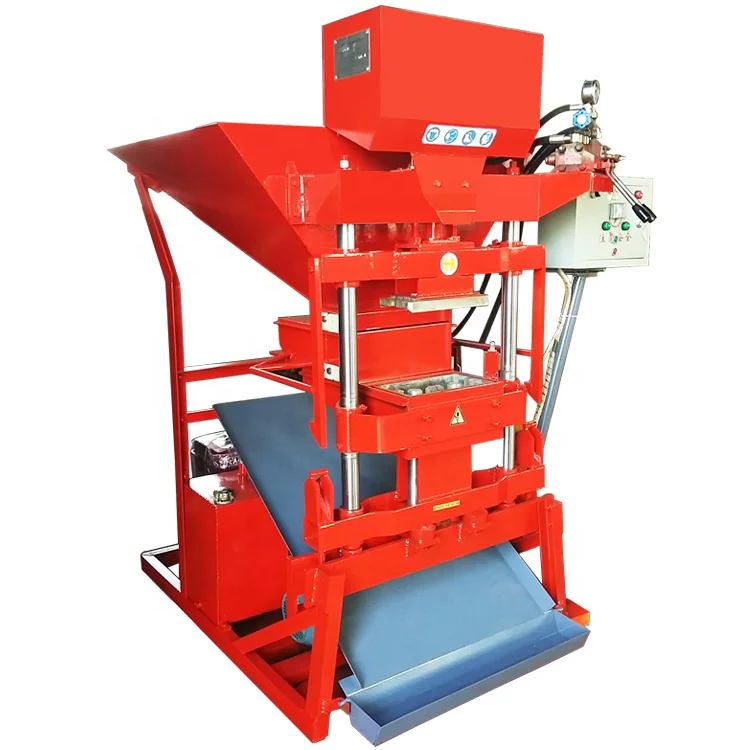
Focused machinery scope — QMY10-15 configured against your actual block format, local aggregate and site ground conditions, not a catalogue default.
Technical Specifications
| Parameter |
Value |
| Model |
QMY10-15 |
| Product Type |
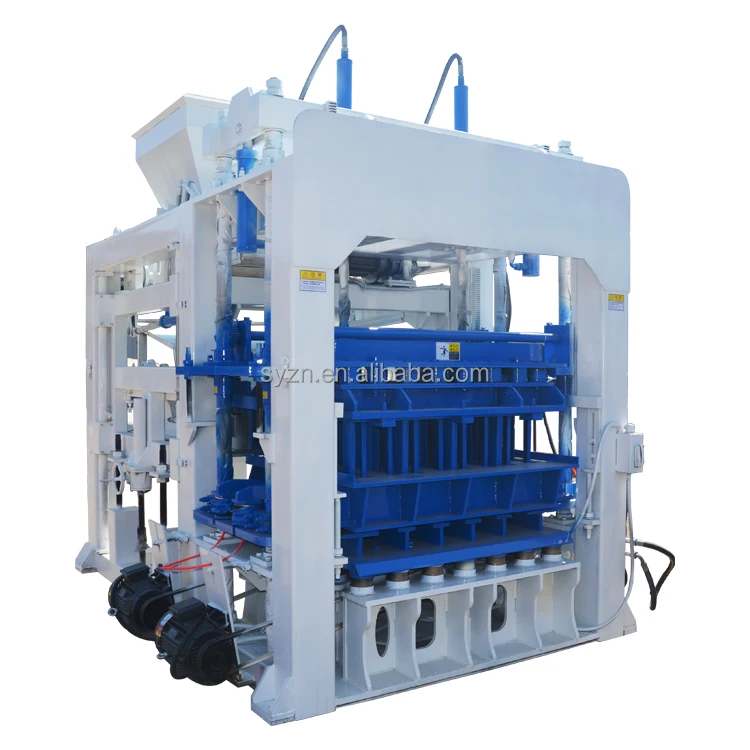
Mobile Hydraulic Block Making Machine |
| Machine Type |
Mobile / Egg-laying |
| Hydraulic Pressure |
Present (value basis to be confirmed) |
| Vibration Force |
Present (value basis to be confirmed) |
| Pallet Size |
Not required (egg-laying type, saves pallet cost) |
| Cycle Time |
15–20s (basis: hollow block formats listed below) |
| Output Capacity |
1,800–2,400 pcs/h based on 400×200×200mm hollow block |
| Output Capacity |
2,160–2,880 pcs/h based on 400×150×200mm hollow block |
| Output Capacity |
2,880–3,840 pcs/h based on 400×120×200mm hollow block |
| Output Capacity |
3,240–4,320 pcs/h based on 400×100×200mm hollow block |
| Automation Level |
Full-automatic |
| Motor |
Siemens motor |
| Control System |
To be confirmed (PLC brand and language) |
| Operating Environment |
On-site production without fixed plant |
Application Suitability
| Application |
Material or Output |
| On-site hollow block production |
Crushed stone, sand, cement, fly ash |
| Housing project block supply |
400×200×200mm and 400×150×200mm hollow blocks |
| Contractor self-production |
400×120×200mm and 400×100×200mm hollow blocks |
| Mobile block plant startup |
Prepared ground without pallet investment |
Why "Pieces per Hour" Without Block Format Is a Trap for Mobile Block Machine Full Range Buyers
Output figures only matter when the block format behind them is named.
Buyers evaluating the mobile block making machine full range often see a single capacity number on a spec sheet and assume it applies across every block size they plan to produce. I have seen contractors sign for a machine based on a 4,000-piece-per-hour claim, only to discover that figure applied to the thinnest wall block while their primary product — a standard 400×200×200 hollow block — yielded considerably less. [NEED_CITE: block format impact on cycle time and daily output] The egg-laying format eliminates pallet costs, but the trade-off is that cycle time and vibration settings must be matched precisely to each mould installed on the machine. Without format-by-format capacity disclosure, daily output planning becomes guesswork.

Where the QMY10-15 Sits Across the Machine Tiers
The QMY10-15 occupies the mobile tier of the block machine lineup, designed for contractors who need hollow block production directly on the building site. Unlike semi-automatic stationary machines that require a fixed plant with curing racks and pallet circulation, this egg-laying unit moves along prepared ground and deposits blocks in rows. The mobile block making machine full range includes models from small workshop units up through this tier, giving first-time producers a clear entry point before committing to higher-capacity stationary lines.
Investment Footprint Compared to Stationary Alternatives
Choosing the egg-laying tier means eliminating the entire pallet investment — no pallets to purchase, no pallet return system to maintain, no curing rack infrastructure to build. [NEED_CITE: pallet cost proportion in stationary block plant setup] For a housing project contractor producing blocks locally, this removes a substantial portion of the startup capital. The trade-off is that the QMY10-15 does not offer the stacking and cubing automation found in higher tiers of the mobile block making machine full range, so block handling after laying still relies on site labour.
Hydraulic Pressure, Vibration and Mould Format Interaction
Hydraulic pressure and vibration force together determine the density and wall integrity of every hollow block the QMY10-15 produces. The heat-treated moulds fitted to this machine maintain dimensional accuracy across extended production runs, which matters when switching between 400×200×200mm and 400×100×200mm formats on the same day. The Siemens motor delivers consistent power to the vibration system, but the actual block strength achieved depends on how well the mix design suits the local aggregate available at the project site. I once spent two weeks on-site re-tuning vibration parameters because the client’s local sand carried high clay content that absorbed vibration energy differently than the test samples suggested.
The Hidden Cost of Skipping Ground Preparation
The egg-laying design of the QMY10-15 requires a flat, compacted surface to travel on, yet buyers frequently underestimate how much ground preparation this demands. [NEED_CITE: ground leveling requirements for mobile egg-laying block machines] An uneven surface causes the machine to tilt during the press cycle, producing blocks with inconsistent wall thickness and compromised compressive strength. Contractors who skip proper sub-base compaction end up with uneven block rows that complicate curing and stacking, turning what should be a straightforward mobile operation into a daily exercise in surface correction. The savings from eliminating pallets disappear quickly when rework and rejected blocks accumulate.
Why Source the QMY10-15 Through This Range
The machine, mould, and supporting equipment are specified as one matched system rather than assembled from separate suppliers, so the heat-treated moulds ship calibrated to the hydraulic pressure settings of the QMY10-15 itself. Configuration is set against your actual mix design and target hollow block format, not a catalogue default. Mould design covers the hollow sizes your market sells, with custom drawings available for non-standard formats. The automation level is selectable within the mobile block making machine full range, so you can start at egg-laying and move to a semi-automatic stationary line later. Installation support includes operator training specific to the egg-laying workflow and ground preparation requirements.
Documentation & Verification
- Line layout stating capacity per hollow block format the QMY10-15 ships with
- Mould drawing and format list for every included hollow block size
- Voltage, frequency and PLC display language confirmed before production
- Factory test record on your specified mix design before dispatch
- Wear parts and mould list with first replacement schedule
Installation, Commissioning & Support
- Flat compacted ground surface required for QMY10-15 egg-laying travel path
- Voltage and frequency confirmed in writing before motor wiring at site
- Siemens motor connection checked against local supply before first cycle
- Operator training covers mould change procedure and vibration parameter adjustment
- Wear parts list provided so replacements are on hand when moulds need servicing
What to Include in Your Inquiry
Tell us which hollow block formats your project or market requires, along with the daily output target for each size. Share the local aggregate type and any known material characteristics such as moisture content or clay proportion so the vibration settings can be matched before dispatch. Confirm the site voltage and frequency available, and the control display language your operators need.
Frequently Asked Questions
Q: How is the output capacity of the QMY10-15 verified for each block format?
A: Every output figure published for the QMY10-15 is stated with the specific hollow block format it was measured on. The 1,800–2,400 pieces per hour figure applies only to 400×200×200mm blocks, while smaller formats yield higher piece counts per cycle. This means you can plan daily production accurately for the exact block size your project requires.
Q: Where does the mobile tier fit compared to semi-automatic and automatic machines?
A: The QMY10-15 mobile tier eliminates pallet costs and fixed plant infrastructure, making it suitable for on-site production and first-time producers. Semi-automatic and automatic stationary tiers add pallet circulation, stacking, and higher throughput for buyers ready to invest in a permanent plant setup.
Q: What ground preparation does the egg-laying setup require?
A: The QMY10-15 needs a flat, compacted surface along its travel path to maintain block dimensional accuracy. Uneven ground causes tilting during the press cycle, producing inconsistent wall thickness. Proper sub-base preparation before the machine arrives prevents daily surface corrections and block rejection.
Q: Which hollow block mould formats come with the machine and can others be added?
A: The QMY10-15 supports 400×200×200mm, 400×150×200mm, 400×120×200mm and 400×100×200mm hollow block moulds. Custom mould sizes can be designed from buyer drawings, and additional moulds can be ordered later as market demand shifts to different formats.

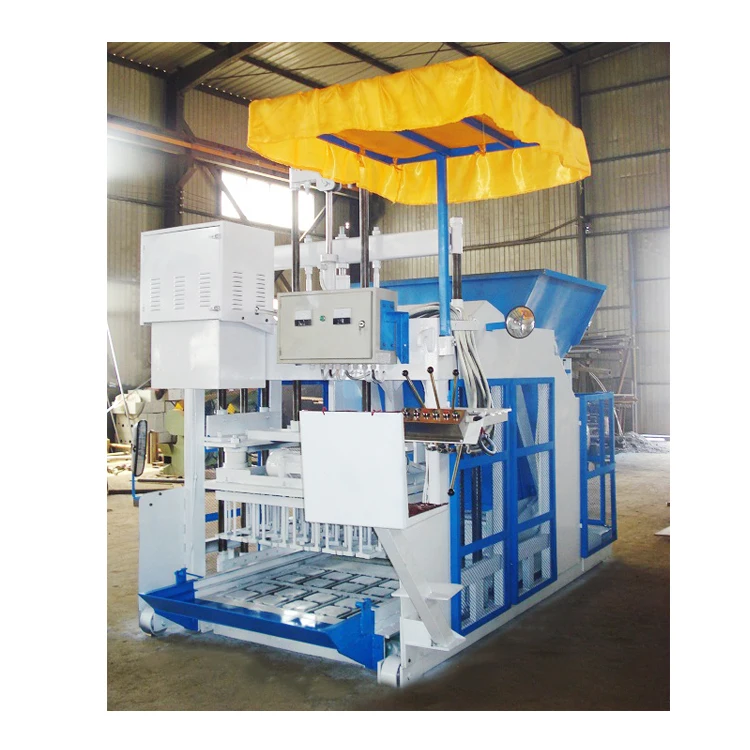
 Automatic block machine