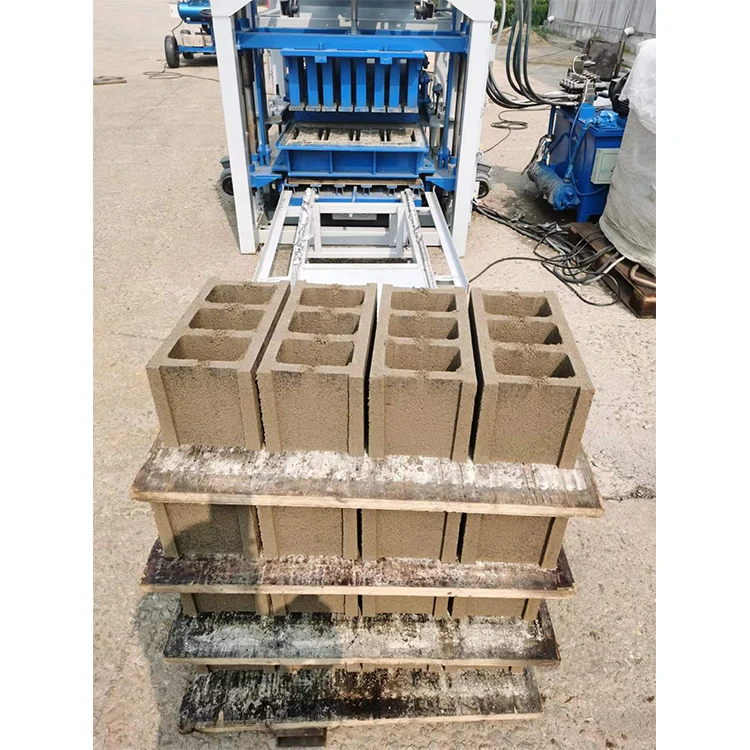
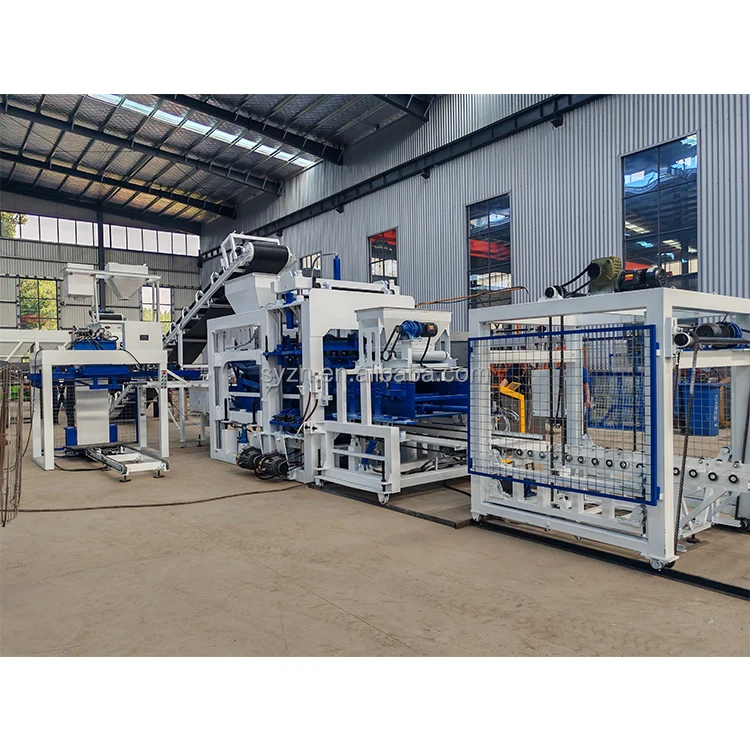
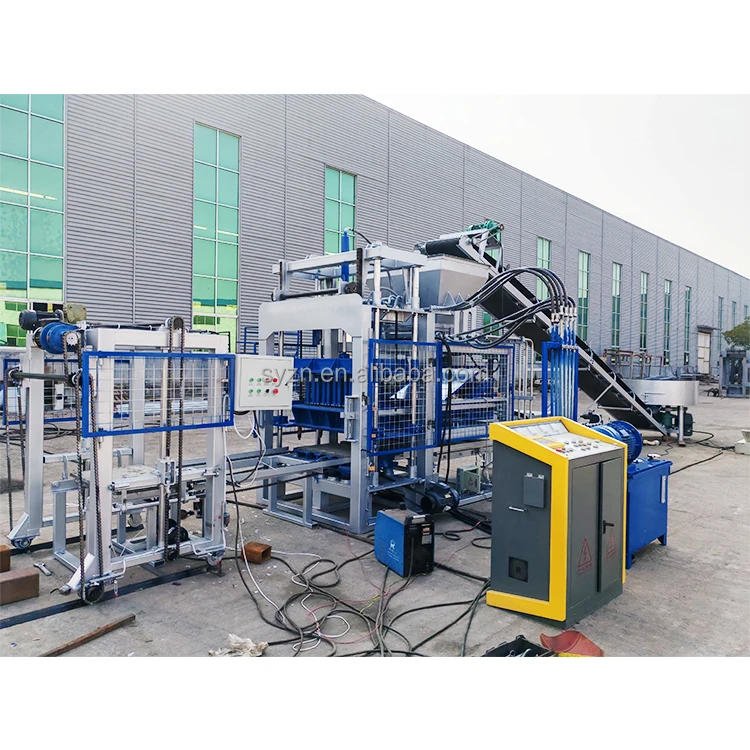
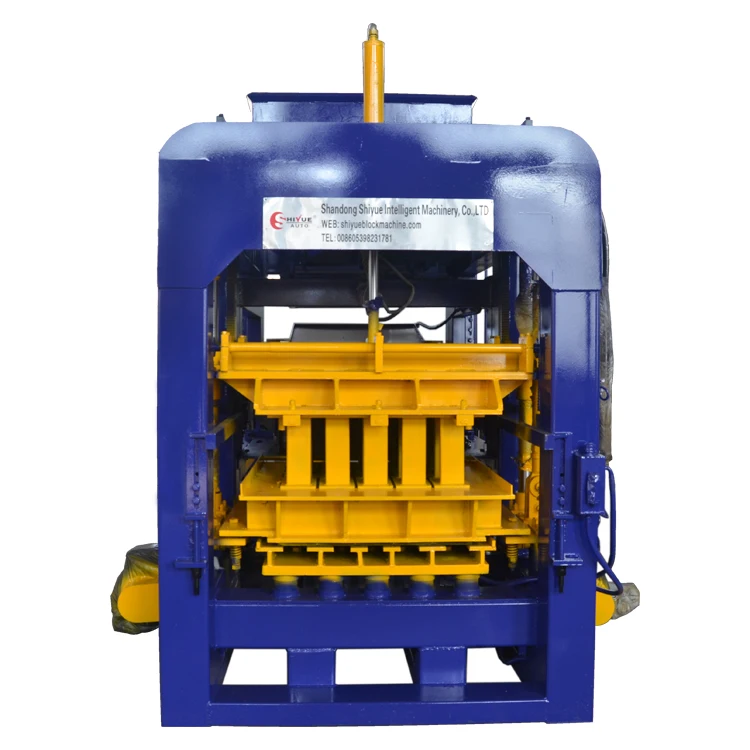
Configured System Match — The QT4-18 is specified against your actual mix design, local aggregate and target block format, so vibration force and hydraulic pressure are matched before production begins.
Technical Specifications
| Parameter |
Value |
| Model |
QT4-18 |
| Product Type |
Semi-Automatic Hydraulic Concrete Block Making Machine |
| Overall Dimensions (L×W×H) |
3900×1600×2300 mm |
| Total Weight |
3 T |
| Rated Power |
24 kW |
| Exciting Force (Vibration) |
40–50 kN |
| Molding Cycle |
15–25 s |
| Pallet Size |
850×550×25 mm |
| Mixer Model |
JQ350 |
| Hydraulic System |
Hydraulic station for high pressure and stable operation |
| Vibration Method |
Bed mould vertical vibration + upper mould compression vibration |
| Automation Level |
Semi-automatic |
| Applied Products |
Paver, solid block, hollow block, curbstone |
| Raw Materials |
Crushed stones, sand, cement, dust, fly ash |
| Output Capacity |
1200–1680 pcs/hr (basis: 400×200×200 mm hollow block, 4 pcs/mould, 15–20 s cycle) |
| Output Capacity |
1800–2400 pcs/hr (basis: 400×150×200 mm hollow block, 15–20 s cycle) |
| Output Capacity |
3240 pcs/hr (basis: 240×115×53 mm solid brick, 15–20 s cycle) |
| Daily Output (8 hr) |
9600–13440 pcs (400×200×200 mm hollow block) |
| Daily Output (8 hr) |
14400–19200 pcs (400×150×200 mm hollow block) |
| Daily Output (8 hr) |
16200–19440 pcs (240×115×53 mm solid brick) |
| Container Loading |
Approx. 500 pcs pallets loaded in 20GP |
| Voltage & Frequency |
Configurable to buyer’s local supply (basis to be confirmed) |
| Control System |
PLC brand and language configurable (basis to be confirmed) |
Application Suitability
| Application |
Material or Output |
| Small to medium block production plants |
Hollow blocks, solid bricks, pavers and kerbstones from locally available crushed stone, sand, cement and fly ash |
| On-site block production for construction contractors |
Mobile production setups where raw materials are sourced near the project location |
| Producers adding formats to an existing range |
Switching between hollow block, solid brick, paver and curbstone through mould change on one press |
What "Pieces per Hour" Actually Means on the QT4-18 Block Machine Manufacturer Sheet
Capacity figures only matter when tied to a specific block format, mould cavity count and cycle time.
Many quotations list a single hourly number that assumes the smallest, fastest block the press can run. When the buyer switches to the hollow block their market actually demands, daily output drops and the project schedule slips. With this QT4-18 block machine manufacturer configuration, every capacity figure above is stated per format — 400×200×200 mm hollow block at four pieces per mould, 400×150×200 mm hollow block, or 240×115×53 mm solid brick — so the daily total you plan against is the one the press will deliver [NEED_CITE: block format and cycle time assumptions in capacity quotations].

Where the QT4-18 Sits in the Range
The Shiyue range spans mobile egg-laying machines for on-site work, semi-automatic presses like this QT4-18 for controlled workshop output, and fully automatic lines with stacking and cubing. The QT4-18 occupies the semi-automatic tier: hydraulic pressing with manual pallet handling, giving first-time plant owners a lower entry point while keeping the upgrade path open within the same ecosystem.
Investment Tier and Plant Footprint
At three tonnes and under four metres in length, the press fits a compact workshop bay alongside the JQ350 mixer and raw material feed. Buyers setting up a first block plant or replacing an aging manual press can start here without committing to the footprint and capital of a fully automatic line, then add pallet feeding and stacking stations as production volume grows [NEED_CITE: semi-automatic to automatic upgrade paths in block production].
How Vibration and Pressure Work Together on This Press
The QT4-18 uses a dual vibration method — bed mould vertical vibration combined with upper mould compression vibration — while the hydraulic station delivers pressing force. Vibration settles the aggregate into the mould cavity, and hydraulic pressure compacts it to final density. If either force is mismatched to the buyer’s aggregate — for example, a dense volcanic stone that resists settling — the block emerges weak regardless of cycle speed. The 40–50 kN exciting force range is set during factory testing against the buyer’s confirmed mix.
When a Smaller Pallet Becomes a Hidden Bottleneck
The 850×550×25 mm pallet size determines how many blocks leave the press per cycle and how they stack in the curing area. If the buyer’s existing forklift and curing racks were sized for a different pallet, blocks must be re-stacked by hand after pressing — eliminating the time saved by a faster cycle. Pallet material also matters: bamboo pallets flex differently under hydraulic pressure than PVC, affecting block thickness consistency across the mould face [NEED_CITE: pallet material and hydraulic pressure interaction in block moulding].
Why Source Confirmation Prevents Arrival Delays
A press wired for a voltage the buyer’s site cannot supply sits idle until transformers arrive. The QT4-18’s voltage, frequency and PLC display language are confirmed during the proposal stage, not assumed from a catalogue default. Buyers in markets with 60 Hz supply or non-standard industrial voltage need this locked before production starts, or commissioning delays follow.
Why Procure the QT4-18 Block Machine Manufacturer Configuration Here
Block machinery is the single focus at Shiyue, so the press, mould, pallet and handling equipment are specified as one matched system rather than assembled from separate suppliers. The mould design covers the formats the buyer’s market actually sells, including custom drawings when a standard catalogue mould does not match. Every configuration is set against the buyer’s confirmed mix design and local aggregate, not a generic default. Automation level is selectable — start semi-automatic now and add automatic stacking later on the same platform. Installation support includes operator training so the crew running the press on day one knows mould change procedure, cycle adjustment and daily maintenance checkpoints.
Documentation & Verification
- Line layout showing the QT4-18 positioned with mixer, pallet feed and curing area dimensions
- Capacity calculation document stating block format, mould cavity count and cycle time per figure
- Machine specification sheet with confirmed voltage, frequency and PLC language before production
- Mould drawing and format list matched to the buyer’s target product mix
- Pallet specification sheet covering size, material and quantity recommendation for the curing setup
Installation, Commissioning & Support
- Foundation must support 3 T total weight plus dynamic vibration load from the 40–50 kN exciting force
- Dedicated electrical circuit required for the 24 kW rated power draw with confirmed voltage and frequency
- Machine ships nude-packed in a 20GP container; on-site assembly positions press, mixer and hydraulic station
- First-run commissioning verifies mould cavity fill, cycle timing and block density against the confirmed mix design
- Operator training covers mould change procedure, daily hydraulic station checks and vibration system inspection
- Wear parts list provided at delivery covering hydraulic seals, vibration springs and mould liners for local reorder
Before You Request a Quotation
Provide your target block formats with dimensions, daily output requirement, and the local aggregates you plan to use — crushed stone type, sand gradation, and whether fly ash is available. Confirm your site voltage, frequency, and preferred PLC display language. Share your existing curing area dimensions and any forklift or pallet handling equipment already on site so the pallet and layout specification aligns from the start.
Frequently Asked Questions
Q: How is the QT4-18’s capacity calculated and which block format does each output figure assume?
A: Each capacity figure ties to a specific block size, mould cavity count and cycle time. The 1200–1680 pcs/hr figure assumes a 400×200×200 mm hollow block at four pieces per mould with a 15–20 second cycle. Different formats have their own stated output, so daily planning uses the number that matches the block your market actually buys.
Q: Where does the QT4-18 sit in the Shiyue range compared to fully automatic and mobile models?
A: It occupies the semi-automatic tier — hydraulic pressing with manual pallet handling, positioned between mobile egg-laying machines and fully automatic lines with stacking and cubing. Buyers can start here at a lower investment and add automation stations later within the same system ecosystem.
Q: What voltage, frequency and control language options are available for my market?
A: Voltage and frequency are configured to match the buyer’s local industrial supply before production begins. PLC brand and display language are confirmed during the proposal stage so operators can read the interface on day one without translation delays at commissioning.
Q: Can I start semi-automatic now and upgrade to automatic stacking and pallet handling later?
A: Yes. The QT4-18 platform supports adding automatic pallet feeding, stacking and cubing stations as production volume grows. The upgrade uses the same press and control architecture, so the initial investment is retained rather than replaced.
Q: What mould formats are included and how long does a mould change take on the QT4-18?
A: Standard formats include 400×200×200 mm and 400×150×200 mm hollow blocks, 240×115×53 mm solid brick, plus paver and curbstone moulds. Mould change time depends on the specific change system fitted and is confirmed during the proposal stage based on the buyer’s format switching frequency.

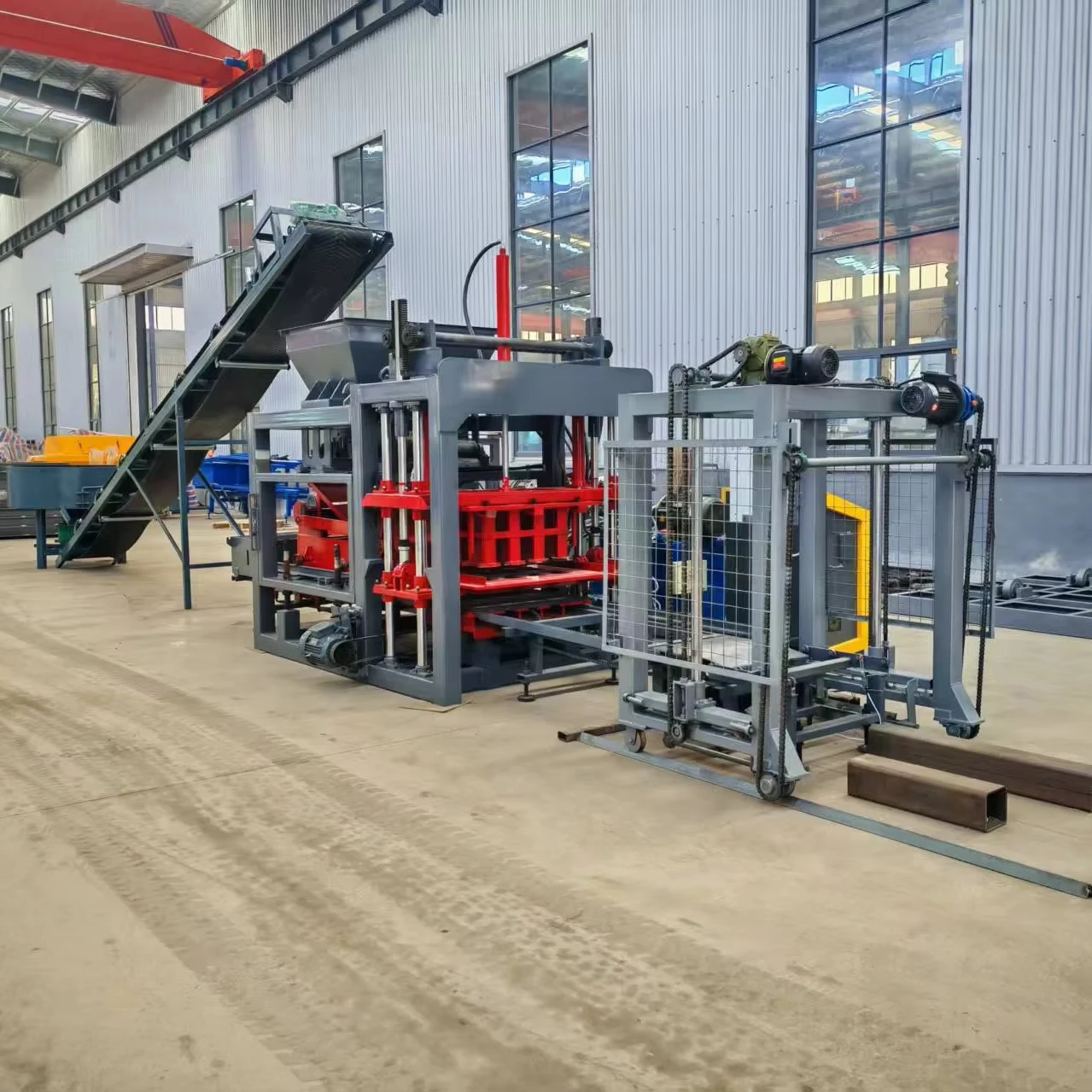
 High quality block machine