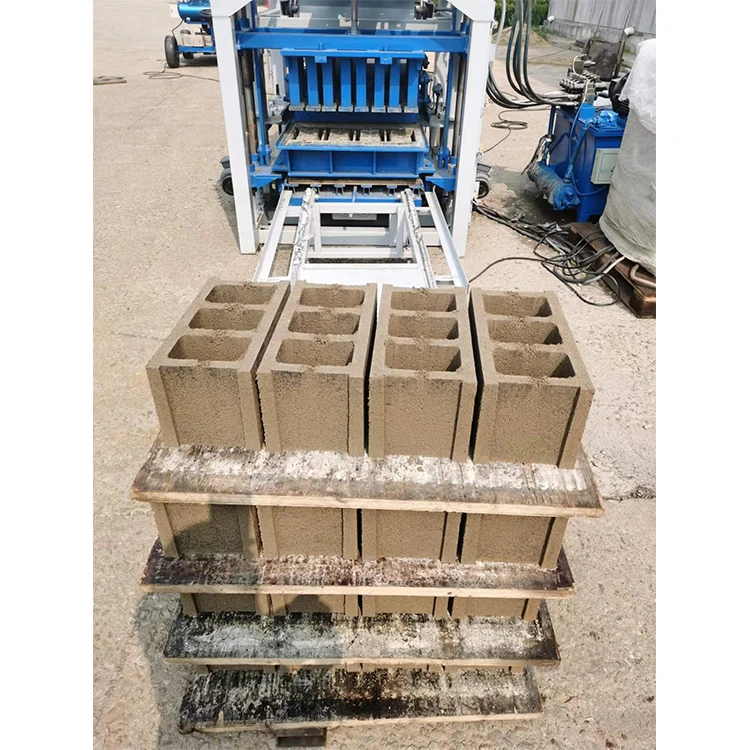
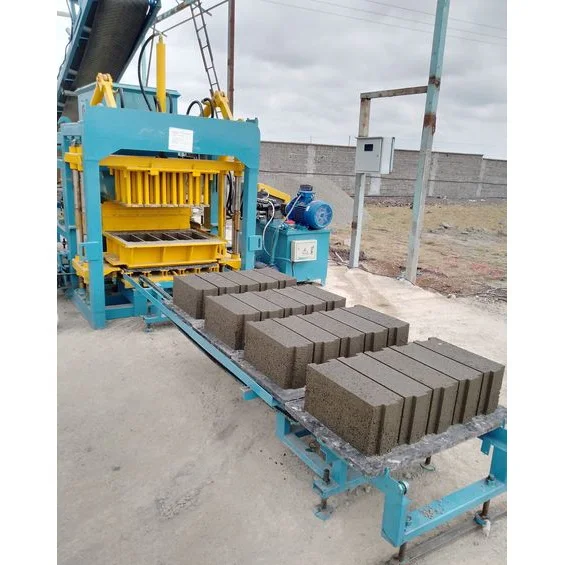
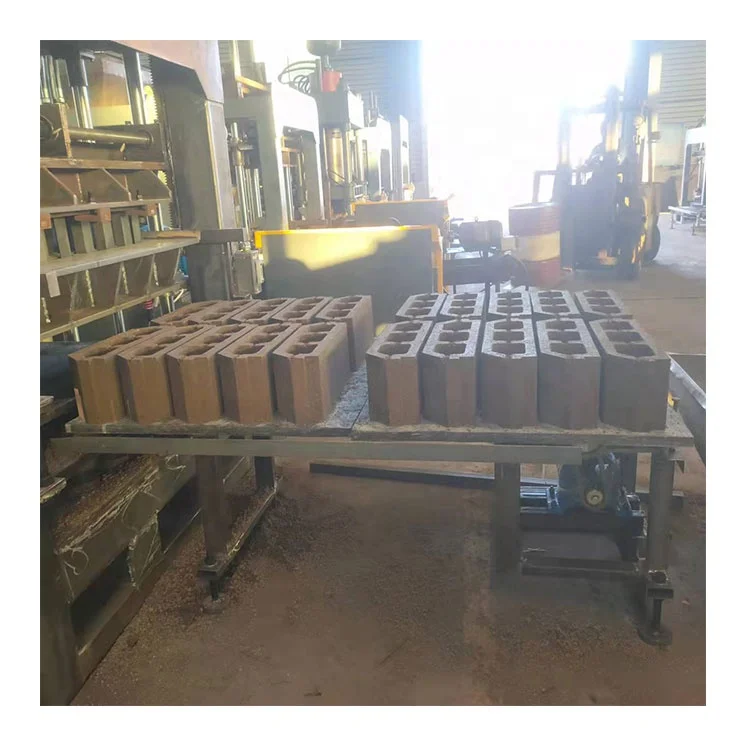
Configuration matched to actual production — every LY2-10 quotation starts with the buyer’s target interlocking brick format and local clay or cement mix, so the capacity figure you see is tied to a specific mould, not a catalogue default.
Technical Specifications
| Parameter |
Value |
| Model |
LY2-10 |
| Product Type |
Clay Interlocking Brick Making Machine |
| Machine Power |
7.5 kW |
| Molding Cycle |
10 s |
| Capacity |
6,000 pcs / 8 h (basis not stated in source — confirm block format, material and thickness) |
| Raw Materials |
Clay, soil, earth, mud, concrete, cement, fly ash |
| Overall Size |
1300 × 1800 × 2400 mm |
| Automation Level |
Semi-automatic |
| Bricks per Mould |
2 |
| Mould Format Options |
300 × 150 × 100 mm; 250 × 125 × 75 mm; 230 × 220 × 115 mm |
| Voltage & Frequency |
Configurable to destination market (to be confirmed before dispatch) |
| Control System |
To be confirmed at order |
| Hydraulic Pressure |
To be confirmed at order |
| Vibration Force |
To be confirmed at order |
Application Suitability
| Application |
Material or Output |
| Small workshop interlocking brick production |
Clay and soil mixes with cement binder |
| On-site brick making for housing projects |
Earth and mud with stabilizer |
| Building material distributor adding interlocking formats |
Concrete and fly ash blends |
| Contractor producing bricks for a single development |
Local aggregate with Portland cement |
| First-time plant operator entering interlocking brick market |
Readily available soil and cement |
What "6,000 Pieces per Shift" Actually Means for Your Brick Format
Capacity only matters when you know which brick size, mould cavity count and material it was measured against.
Many Clay Interlocking Brick Making Machine manufacturer catalogues quote a single daily figure without stating whether that number assumes the largest or smallest mould in the range. When the buyer’s actual market demands a different format, the real output can fall well short of what was promised at the time of purchase. I have stood on sites in East Africa where the owner counted bricks at the end of the first week and found production barely half the brochure claim — not because the machine was defective, but because the quoted capacity was tied to a format the buyer never intended to sell [NEED_CITE: capacity calculation standards for block making equipment]. With the LY2-10, we state the mould format, bricks per mould and cycle time together, so you can multiply through to a realistic daily number for the exact interlocking brick your customers buy.

Where the LY2-10 Sits on the Full Machine Range
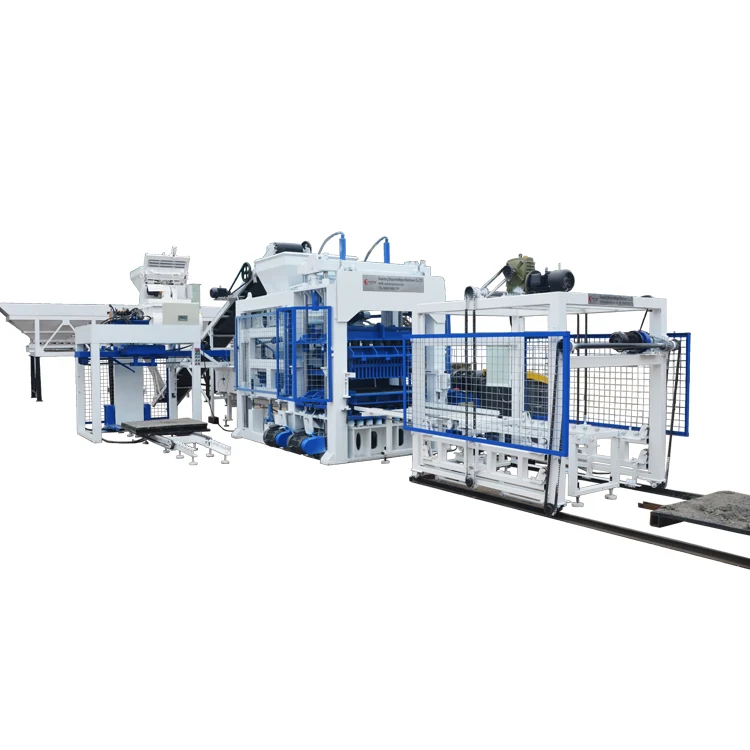
The Shiyue block machine range spans mobile egg-laying units at one end and high-capacity fully automatic lines at the other. The LY2-10 occupies the semi-automatic tier, positioned for buyers who need more consistency than a manual mobile machine can deliver but are not yet ready to invest in a full automatic plant with pallet return and stacking systems. For a first-time interlocking brick producer or a contractor wanting on-site manufacturing capability, this tier removes the heaviest manual labour while keeping the capital outlay and plant footprint manageable.
Semi-Automatic as a Stepping Stone
A Clay Interlocking Brick Making Machine manufacturer offering a complete range means the buyer can start at the semi-automatic tier and move up later without replacing the entire line concept. The LY2-10 handles the pressing cycle automatically once the operator positions the mould and initiates the press sequence, but pallet handling and stacking remain manual. This keeps initial staffing simple and lets the owner learn the material behaviour before adding automation [NEED_CITE: automation upgrade paths in block production]. When daily demand grows, the next tier up introduces automatic pallet feeding and stacking, but the fundamental mould and pressing principles stay consistent across the range.
Reading the Specs That Shape Daily Output
The 7.5 kW motor drives both vibration and hydraulic pressure, and the balance between those two forces determines brick density and demoulding strength. A clay-heavy mix with low cement content needs higher vibration amplitude to compact properly, while a concrete mix with more cement relies more on hydraulic pressure to achieve the target compressive strength. The 10-second moulding cycle sets the theoretical maximum presses per hour, but actual throughput depends on how quickly the operator can refill the mould box and remove the finished brick — a factor that varies with mix stickiness and mould format. The three available mould sizes — 300 × 150 × 100 mm, 250 × 125 × 75 mm and 230 × 220 × 115 mm — each produce two bricks per cycle, yet the smaller format completes a full wall area faster because more courses are laid per square metre, changing how you should interpret the raw piece count.
The Hidden Cost of Skipping the Format Conversation
Ordering a machine based solely on a headline capacity figure leads to problems that only surface after the equipment is bolted to the workshop floor. If the mould size does not match the interlocking brick profile that local builders specify, the buyer either pays for a second set of moulds or accepts lower sales volume from an unfamiliar format [NEED_CITE: mould change frequency and production loss in block plants]. Voltage and frequency left unconfirmed at order time can delay commissioning by weeks when the machine arrives with a motor rated for a different grid standard. A control panel display in a language the operators cannot read turns routine fault-finding into guesswork, increasing downtime during the critical first months of production.
Why Source the LY2-10 Through This Range
Block machinery is our single product focus, so the LY2-10 is specified alongside its moulds, pallets and handling equipment as one matched system rather than assembled from unrelated suppliers. The machine configuration starts from the buyer’s actual mix design and local aggregate — not a catalogue default — because clay in one region behaves very differently from volcanic ash in another. Mould design covers the interlocking brick formats the buyer’s market actually sells, including custom drawings when local building codes specify non-standard profiles. The semi-automatic tier is deliberately selectable, giving the buyer room to start here and upgrade automation later without scrapping the press itself. Installation and commissioning support includes operator training on the specific mix and mould combination the buyer will run.
Documentation & Verification
- Line layout showing LY2-10 placement and material flow within your workshop footprint
- Capacity calculation sheet stating the exact interlocking brick format assumed for output figures
- Mould drawing and format list covering each profile your market requires
- Machine specification sheet confirming voltage, frequency and control language before dispatch
- Factory test record on your chosen mix and mould combination prior to shipment
Installation, Commissioning & Support
- Overall footprint of 1300 × 1800 × 2400 mm requires a level concrete pad with curing space adjacent
- 7.5 kW motor demands a dedicated circuit sized for starting current at your local voltage
- Machine ships partially assembled; on-site bolting and hydraulic line connection completed during commissioning
- First-run parameter setting adjusts vibration and pressure to match your clay or cement mix
- Operator training covers mould change procedure across all three interlocking brick formats
- Wear parts list identifies hydraulic seals and mould liners with recommended replacement intervals
Before You Request a Quotation
To size the LY2-10 accurately against your production target, share the interlocking brick format your customers order most, the local clay or cement mix you plan to use, and the daily piece count you need to hit. Include your workshop dimensions, available curing area, and existing forklift or pallet handling equipment so the layout fits your site. Confirm your grid voltage, frequency and preferred control panel language so the machine arrives ready for commissioning.
Frequently Asked Questions
Q: How is the 6,000-piece capacity calculated, and which interlocking brick format does it assume?
A: The quoted figure is based on continuous operation over an eight-hour shift, but the source does not state which of the three mould formats or which material mix was used for the calculation. We provide a revised capacity table during the quotation stage that breaks output down per mould size — 300 × 150 × 100 mm, 250 × 125 × 75 mm, and 230 × 220 × 115 mm — so you can see the realistic number for your specific brick.
Q: Where does the LY2-10 semi-automatic tier sit on the full Shiyue block machine range?
A: It sits between manual mobile egg-laying machines and fully automatic lines with pallet return and stacking. Buyers choosing the LY2-10 typically want consistent pressing without the capital commitment of a full automatic plant, and the range allows stepping up to higher automation later while keeping the same mould and brick format philosophy.
Q: What voltage, frequency and control language options are confirmed before dispatch?
A: Voltage and frequency are configured to match the buyer’s local grid standard, and the control panel display language is agreed during the order confirmation stage. Both items appear on the machine specification sheet that the buyer signs off before production begins, preventing commissioning delays on arrival.
Q: Can the moulds be customized to interlocking brick formats specific to my local market?
A: Yes. Beyond the three standard mould sizes listed, custom mould design is available to buyer drawings or to profiles required by local building codes. The mould drawing and format list are reviewed and approved before manufacturing starts, ensuring the bricks produced match what your market specifies.
Q: What is the plant footprint and installation requirement for the LY2-10 compared to larger automatic tiers?
A: At 1300 × 1800 × 2400 mm, the LY2-10 needs a compact workshop bay plus adjacent curing area for pallets. Larger automatic tiers require extended line layouts with pallet return conveyors and stacking stations. The semi-automatic footprint suits first-time plants or on-site contractor setups where space is limited.

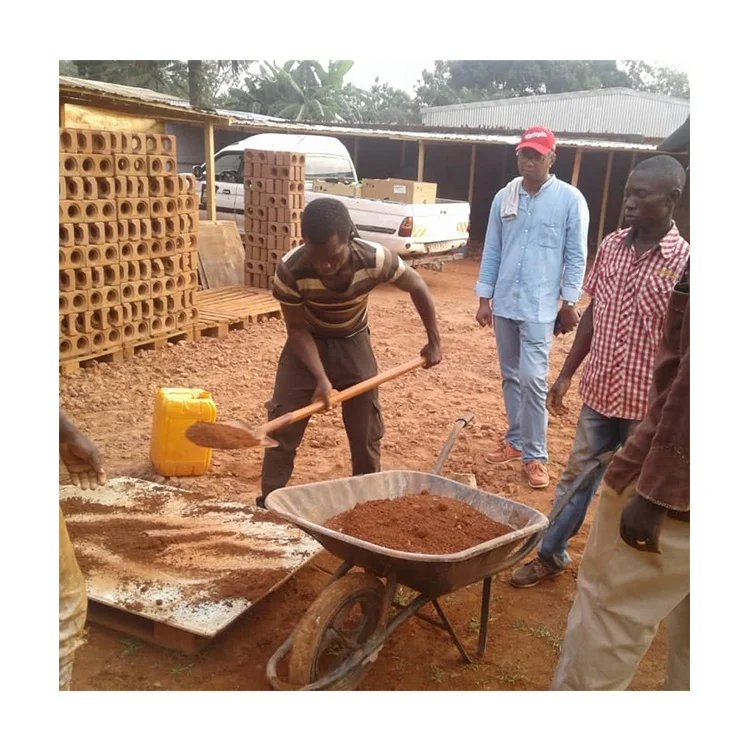
 High quality block machine