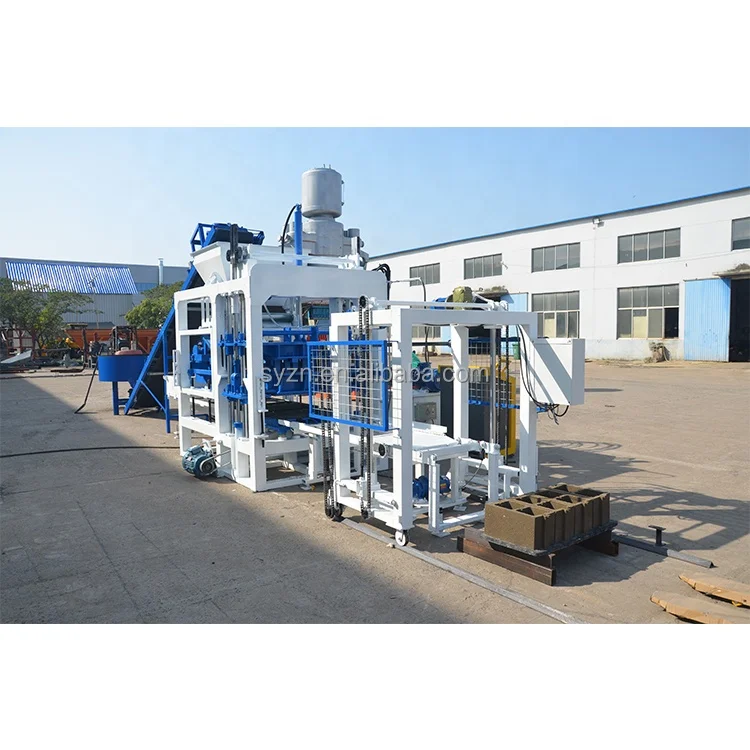
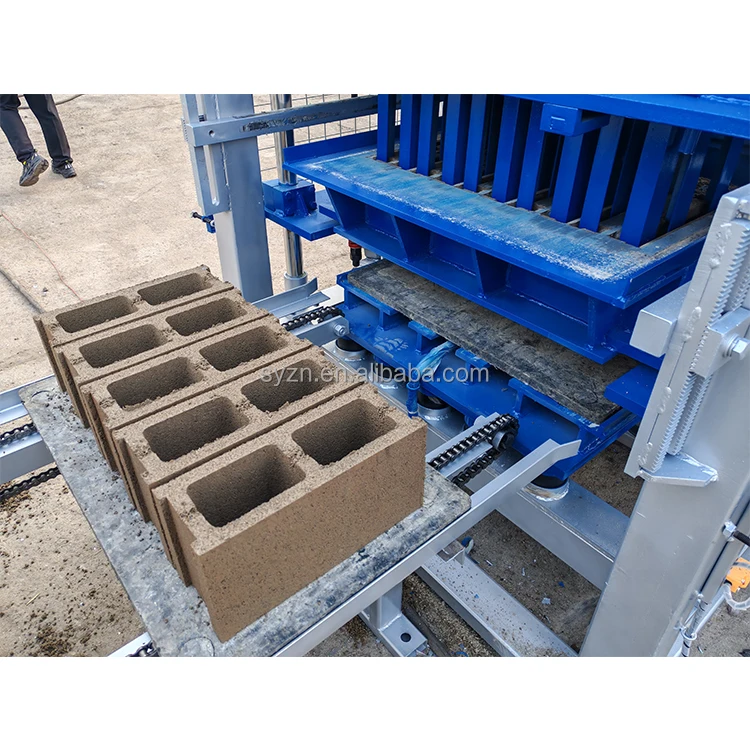
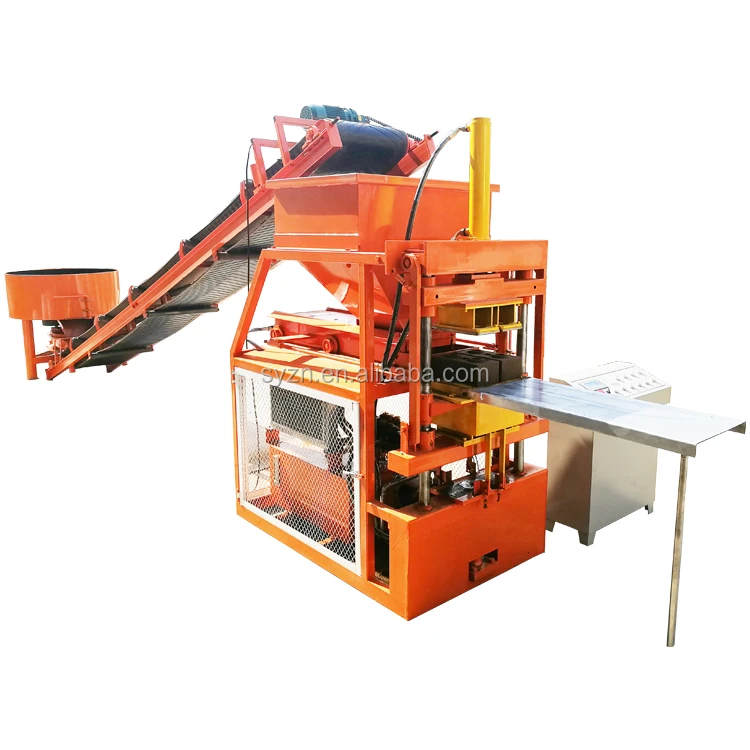
Machine, mould, pallet and handling specified as one system — the LY2-10 is configured against your actual soil mix and target interlocking format, not a catalogue default, so the press, mould and curing footprint work together from day one.
Technical Specifications
| Parameter |
Value |
| Model |
LY2-10 |
| Product Type |
Clay Interlocking Block Making Machine |
| Machine Power |
7.5 kW |
| Molding Cycle |
10 s |
| Output Capacity |
6000 pcs/8 hours (basis not stated in source — confirm block format / material / thickness) |
| Raw Materials |
Clay, soil, earth, mud, concrete, cement, fly ash |
| Overall Dimensions (L×W×H) |
1300 × 1800 × 2400 mm |
| Automation Level |
Semi-automatic |
| Mould Format Examples |
300 × 150 × 100 mm / 250 × 125 × 75 mm / 230 × 220 × 115 mm |
| Pcs per Mould |
1 (for listed formats) |
| Output Rate |
750 pcs/hour (basis not stated in source — confirm block format / material / thickness) |
| Assembly State |
Stationary |
| Standards |
CE declaration where applicable |
Application Suitability
| Application |
Material or Output |
| Small to medium interlocking brick production |
Clay, soil, earth, mud, cement blends |
| On-site construction block making |
Locally available soil and fly ash mixes |
| First block plant setup for entrepreneurs |
Semi-automatic interlocking formats |
| Building material distributors |
Adding clay interlocking brick formats to range |
What a Clay Block Making Machine Manufacturer Must Reveal About Output Figures
Capacity numbers only mean something when tied to a specific block format and mix design.
A clay block making machine manufacturer might quote cycles per hour, but that figure assumes a particular mould size, material density, and curing method. I have seen buyers sign off on an output number, then discover their actual interlocking format cuts the daily volume in half. Without naming the exact block dimensions and local soil composition behind the 6000 pcs/8h figure, the number is just a starting point for discussion, not a guarantee. [NEED_CITE: capacity calculation assumptions in block machinery]

Where the LY2-10 Sits in the Full Range
The LY2-10 occupies the entry-to-mid tier of the Shiyue block machine lineup. As a clay block making machine manufacturer, Shiyue positions this model for buyers who need interlocking formats without the investment footprint of a fully automatic line. The semi-automatic configuration keeps initial capital lower while still delivering a consistent 10-second molding cycle.
Choosing Between Semi-Automatic and the Next Tier Up
Buyers surveying the range often ask whether to start semi-automatic and scale later. The LY2-10 answers that question by allowing automation upgrades as demand grows. The compact 1300 × 1800 × 2400 mm footprint fits workshop or small-plant setups where a fully automatic stacking and cubing line would exceed available space. [NEED_CITE: block plant layout planning by output tier]
Power, Pressure, and Format Flexibility in Practice
The 7.5 kW total power rating suits sites with limited electrical infrastructure, a common constraint in rural or first-plant installations. Hydraulic pressure and vibration force must match your local clay or soil mix; a red earth blend behaves very differently from washed river sand under vibration. The three listed mould formats — 300 × 150 × 100 mm, 250 × 125 × 75 mm, and 230 × 220 × 115 mm — each produce one block per cycle, meaning format choice directly determines your hourly output. Switching moulds takes operator time that must be factored into shift planning, not ignored when calculating daily throughput.
The Hidden Cost of Unmatched Configuration
When vibration force and hydraulic pressure are not calibrated to the buyer’s actual mix, block strength suffers and rejection rates climb. I recall a project where standard parameters failed completely on local red soil, forcing a two-week line stoppage while pressure and frequency were re-tuned on site. Voltage and PLC language left unconfirmed before shipment can delay commissioning by weeks. [NEED_CITE: on-site commissioning delays from unconfirmed electrical specifications]
Why Buyers Source This Model Here
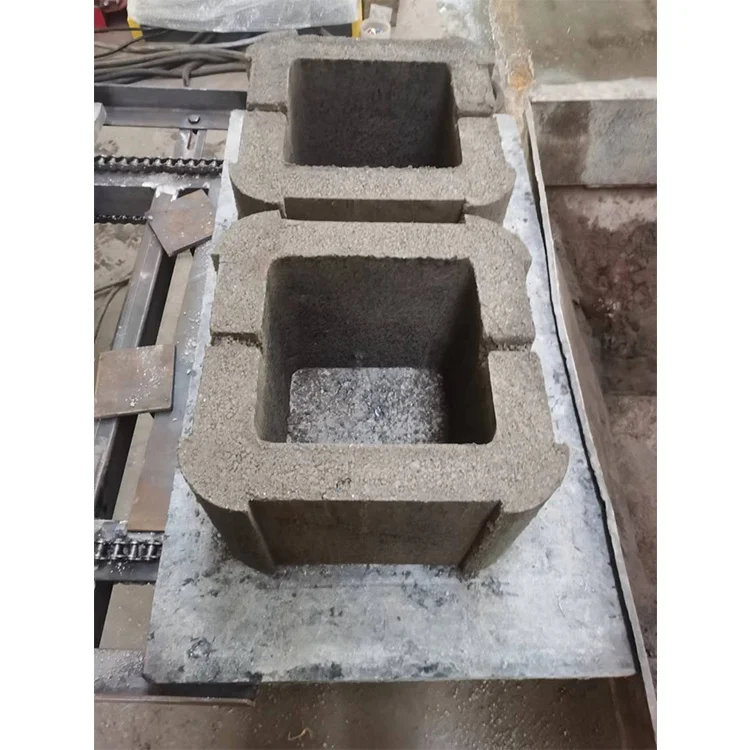
Block machinery is the single focus, so the LY2-10 press, its moulds, pallets, and handling are specified as one matched system. Configuration is set against the buyer’s actual mix and target format, not a generic catalogue entry. Mould design covers the interlocking formats the buyer’s market sells, with custom drawings available. The automation level is selectable, so a buyer can start semi-automatic and add pallet feeding or stacking later. Installation support includes on-site commissioning and operator training.
Documentation & Verification
- Line layout showing LY2-10 footprint with capacity stated per chosen interlocking format
- Machine specification sheet confirming 7.5 kW power and voltage before production
- Mould drawing and format list matching your local interlocking brick demand
- Factory test record on your soil or clay mix before dispatch
- Packing photographs of LY2-10 and moulds prior to container loading
Installation, Commissioning & Support
- Foundation pad sized to 1300 × 1800 mm LY2-10 footprint with vibration isolation
- Dedicated circuit rated for 7.5 kW machine power at confirmed local voltage and frequency
- Stationary assembly state — machine arrives and is positioned on prepared base
- First-run parameter tuning of vibration and pressure to your local clay or soil sample
- Operator training on 10-second cycle operation and mould change procedure
- Wear parts and mould replacement list provided at handover
What to Prepare Before You Request a Quote
Provide the specific interlocking block format your market demands, your local soil or clay sample characteristics, and the daily volume you need to hit. Confirm your site voltage, frequency, and the language you want on the PLC display. Let us know whether you plan to start semi-automatic and what automation additions you may want later.
Frequently Asked Questions
Q: How is the 6000 pcs/8h capacity calculated and which block format does it assume?
A: That figure must be confirmed against a specific mould format, material density, and curing setup. The LY2-10 produces one block per cycle at 10 seconds, so format size directly determines hourly and daily output. Request a capacity calculation tied to your chosen interlocking dimensions before committing to a purchase order.
Q: What voltage and frequency options are available for the LY2-10?
A: Voltage and frequency are configured to match your site supply before production begins. Confirming these values early prevents commissioning delays after the machine arrives. The 7.5 kW power draw suits standard industrial circuits in most export markets.
Q: Can the automation level be upgraded from semi-automatic at a later stage?
A: The LY2-10 is designed to allow automation additions such as automatic pallet feeding or stacking as your output demand grows. Starting semi-automatic keeps initial investment lower while preserving an upgrade path.
Q: What mould formats are available and can custom moulds be designed to buyer drawings?
A: Standard formats include 300 × 150 × 100 mm, 250 × 125 × 75 mm, and 230 × 220 × 115 mm, each producing one interlocking block per cycle. Custom mould designs based on buyer drawings are available to match specific local market requirements.
Q: Where does the LY2-10 sit in the range compared to mobile egg-laying machines and fully automatic lines?
A: The LY2-10 is a stationary semi-automatic model in the entry-to-mid tier. Mobile egg-laying machines suit on-site production without a fixed plant, while fully automatic lines offer higher output with integrated stacking and cubing. The LY2-10 fits buyers who need a fixed workshop setup with room to scale automation later.

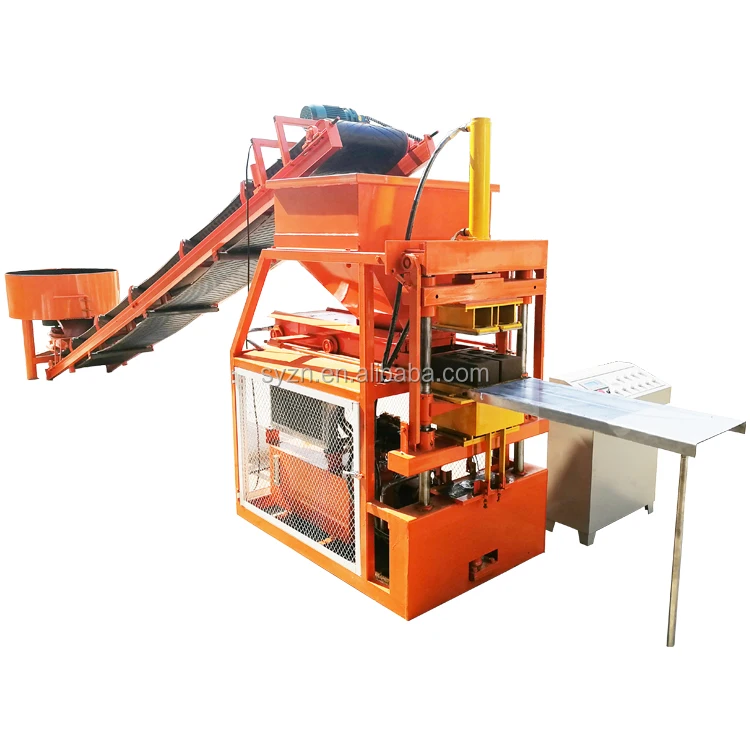
 High quality block machine