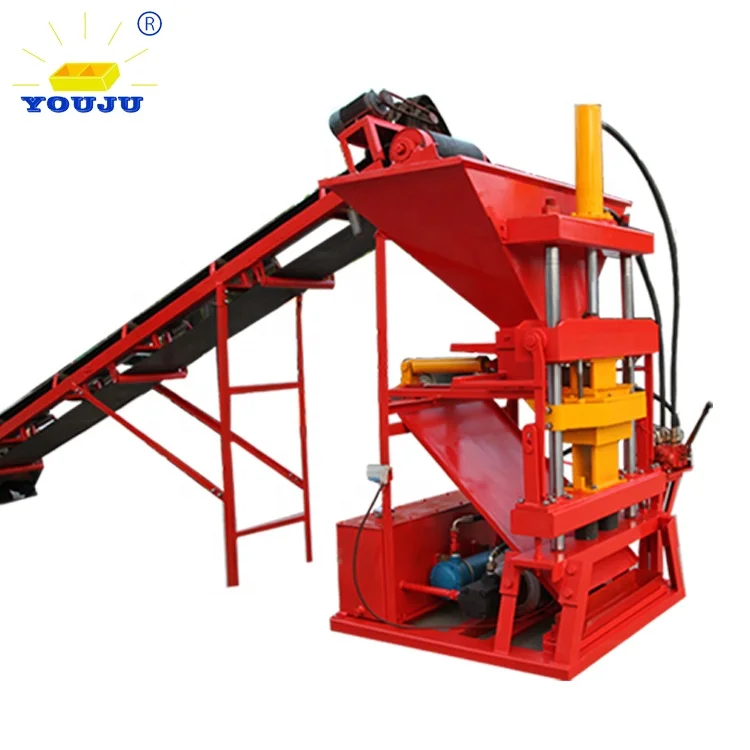
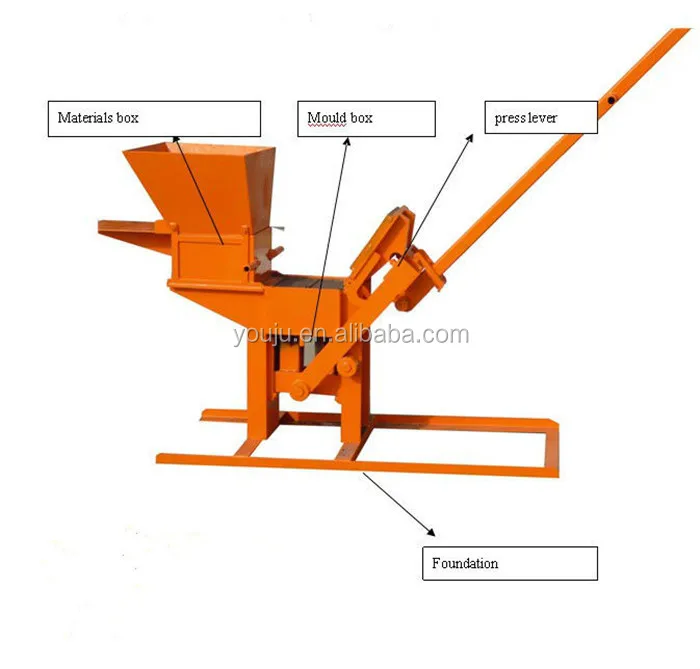
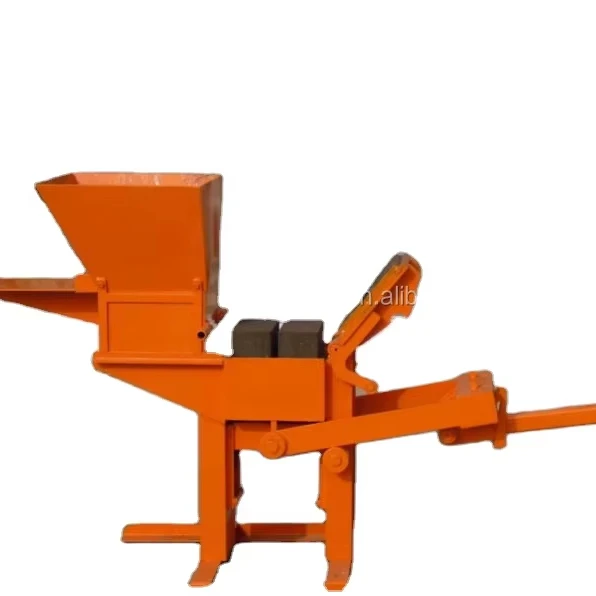
Matched System Design — every ECO 2700 parameter is checked against your target brick format, local clay composition and curing area before the machine leaves our factory.
Technical Specifications
| Parameter |
Value |
| Model |
ECO 2700 |
| Product Type |
Clay Interlocking Brick Making Machine |
| Rated Power |
7.5 kW electric motor or 12 hp diesel engine |
| Hydraulic Pressure |
16 MPa |
| Cycle Time |
10 s |
| Output Capacity |
350 pcs/h based on 300×150×100 mm or 250×125×75 mm interlocking brick, 1 pc per mould (basis not stated in source for daily figure) |
| Overall Dimensions |
1600 × 1300 × 2330 mm |
| Net Weight |
900 kg |
| Mould Format |
Interchangeable; sample sizes 300×150×100 mm and 250×125×75 mm |
| Raw Materials |
Clay, soil, earth, mud, concrete, sand, cement, fly ash |
| Automation Level |
Automatic feeding, pressing and lifting |
| Workshop Area |
150 m² |
| Operators Required |
1–3 people depending on line configuration |
| Water Consumption |
4 t per day (general estimate) |
| Control System |
Automatic operation; PLC or MCC to be confirmed |
| Voltage & Frequency |
To be confirmed with buyer’s local grid |
| Warranty |
One year for the whole machine |
Application Suitability
| Application |
Material or Output |
| Clay interlocking brick production |
Local clay and soil mixed with small cement percentage |
| Earth block construction |
On-site soil with fly ash or sand stabiliser |
| Solid block and paving formats |
Concrete and sand mixes using interchangeable moulds |
| Small plant or mobile site production |
Diesel-powered operation where grid supply is unstable |
| First-plant entrepreneur setups |
Compact 150 m² workshop footprint with one to three operators |
What "2800 Pieces per Day" Actually Means for a Clay Interlocking Brick Making Machine
The number only holds if your brick format, clay moisture and mould match the test conditions.
I once watched an earth block machine sit idle in a West African yard for two weeks because the local laterite had far more sand than the factory test samples. The buyer had selected a model based on a headline capacity figure that assumed a completely different soil profile. With a clay interlocking brick making machine, the daily output depends on which mould you run, how your local clay behaves under 16 MPa pressure, and whether your curing area can absorb the pace the press sets. [NEED_CITE: soil stabilisation testing methods for compressed earth blocks]

Where the ECO 2700 Sits in a Block Machine Range
The ECO 2700 occupies the compact automatic tier, positioned between semi-mobile egg-laying units and full high-capacity hydraulic lines. It is aimed at buyers who need automatic feeding, pressing and lifting without the floor space and capital commitment of a multi-pallet automatic plant. If you are surveying machinery options for a first interlocking brick venture or a site-specific construction contract, this model gives you a defined starting point.
Power Source Decisions Before the Order
Choosing between the 7.5 kW electric motor and the 12 hp diesel engine depends on grid stability at your production location, not on price alone. Contractors running the ECO 2700 on remote building sites typically specify the diesel option to avoid voltage drops that damage control components. Buyers with a stable three-phase supply gain quieter operation and lower running costs with the electric configuration. Confirming your site voltage and frequency before production prevents commissioning delays once the machine arrives. [NEED_CITE: voltage and frequency standards by export market]
Reading the Pressure and Cycle Figures
The 16 MPa hydraulic pressure works with the 10-second cycle to compact clay-soil mixes into interlocking bricks with consistent density. Higher pressure alone does not guarantee stronger bricks — the mix moisture, clay-to-sand ratio and cement stabiliser percentage all interact with the pressing force. A soil that tests well in a laboratory may behave differently under production-speed cycling, which is why we ask for your local material sample before finalising mould clearance. The interchangeable mould system lets you switch between formats such as 300×150×100 mm and 250×125×75 mm, but each format change requires verifying press parameters for that specific brick geometry.
The Cost of Skipping the Material Test
When a buyer orders a clay interlocking brick making machine based on a catalogue specification without sending a local soil sample, the mould clearance and pressing pressure may not suit the actual material. The result is bricks that crumble at the interlock edges or show inconsistent density across the batch. I have seen entire container loads of machines arrive overseas only to require re-commissioning after the buyer sourced a different clay pit. A simple material test up front avoids weeks of downtime and mould rework. [NEED_CITE: compressed earth block material testing standards]
Why Buyers Source This Tier Through Shiyue
Block machinery is our single focus, so the ECO 2700 is configured as a matched system — machine, mould, pallet and handling — rather than assembled from unrelated suppliers. We set the hydraulic pressure and mould clearance against your actual clay sample and target brick format, not a default catalogue setting. Mould design covers the interlocking profiles your local market sells, including custom drawings when standard formats do not fit. The automation level is selectable, meaning you can begin with the ECO 2700 and move to a higher-tier line as demand grows. Installation support includes on-site commissioning and operator training specific to your soil conditions.
Documentation & Verification
- Line layout stating the exact interlocking brick format behind the capacity figure
- Machine specification sheet confirming hydraulic pressure and power source for your market
- Mould drawing and format list for every interchangeable mould available on the ECO 2700 platform
- Voltage, frequency and control display language confirmation sheet before production begins
- Factory test record using your local clay or soil sample before dispatch
Installation, Commissioning & Support
- 150 m² workshop footprint with level concrete floor suitable for the 900 kg machine weight
- Dedicated power circuit matching confirmed voltage and frequency for the 7.5 kW motor or diesel fuel supply
- Machine arrives assembled; on-site positioning and utility connection typically completed within one working day
- First-run parameter setting against your local clay mix and chosen interlocking brick mould format
- Operator training covering mould change procedure, hydraulic pressure checks and daily maintenance routines
- Wear parts list for hydraulic seals and mould surfaces with recommended replacement intervals
Before You Send an Inquiry
Tell us which interlocking brick format your market demands and the daily volume you plan to produce. Share a local clay or soil test result if available, along with your site voltage, frequency and workshop dimensions. This information lets us return a configuration proposal rather than a generic catalogue quote.
Frequently Asked Questions
Q: How is the output capacity verified, and which brick format does it assume?
A: The 350 pcs/h figure is based on running a 300×150×100 mm or 250×125×75 mm interlocking brick mould with one piece per cycle at a 10-second press time. Any change in brick dimensions, wall thickness or mix composition alters the realistic hourly rate, so we provide a capacity calculation tied to your chosen format.
Q: Where does the ECO 2700 sit compared to higher-tier automatic clay brick lines?
A: It occupies the compact automatic tier with single-mould pressing and automatic feeding, suited to first-plant setups or site-specific contracts. Higher tiers add multi-pallet cycling, automatic stacking and cubing for larger daily volumes and broader format ranges.
Q: Electric motor versus diesel engine — how do I choose?
A: Sites with stable three-phase grid supply suit the 7.5 kW electric motor for quieter operation and lower fuel cost. Remote construction sites or areas with frequent outages benefit from the 12 hp diesel engine option to maintain production continuity.
Q: What workshop area does the ECO 2700 require?
A: The machine itself measures 1600 × 1300 × 2330 mm, and the recommended workshop area is approximately 150 m² to accommodate raw material storage, pressing, curing racks and brick movement. This footprint is considerably smaller than multi-pallet automatic lines.
Q: Can I start with this model and upgrade later?
A: Yes. The automation level across our range is selectable, so buyers who begin with the ECO 2700 can transition to a higher-tier automatic line as market demand grows, with the mould design and operational knowledge already established.

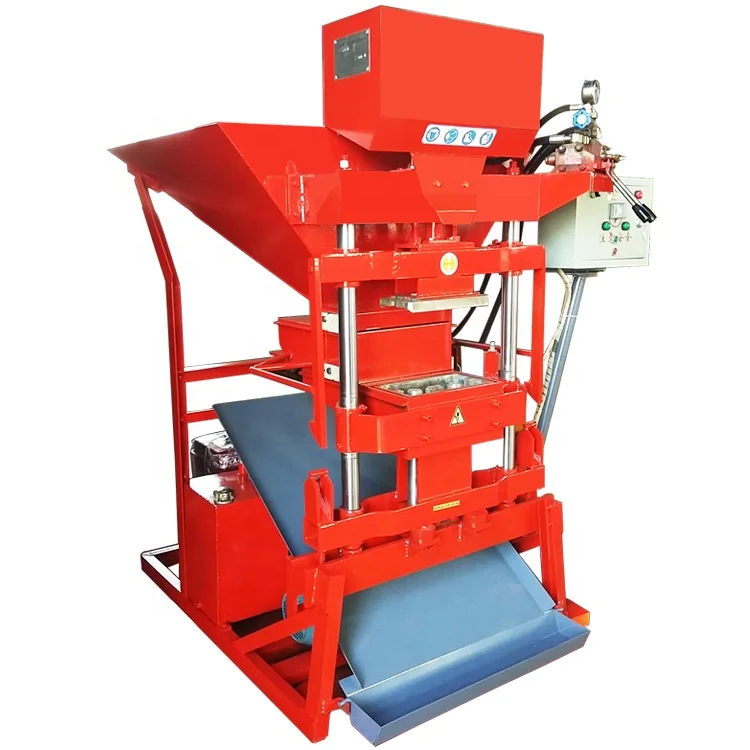
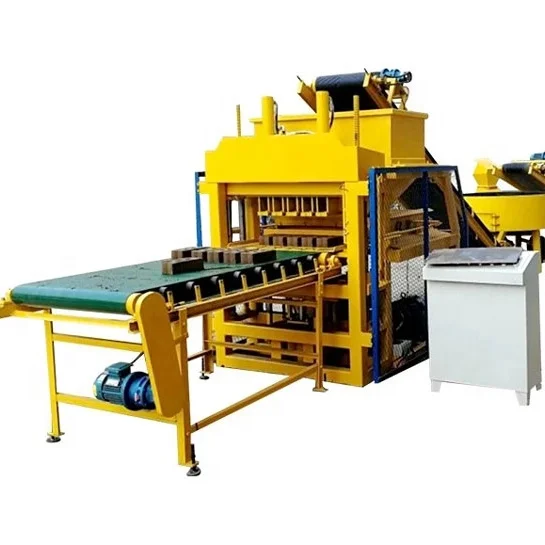 Clay interlocking brick