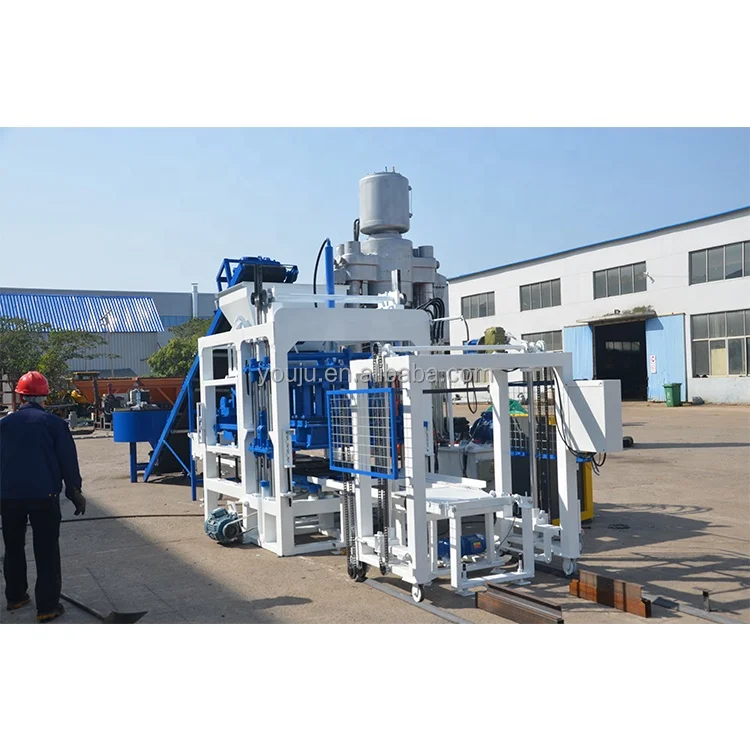
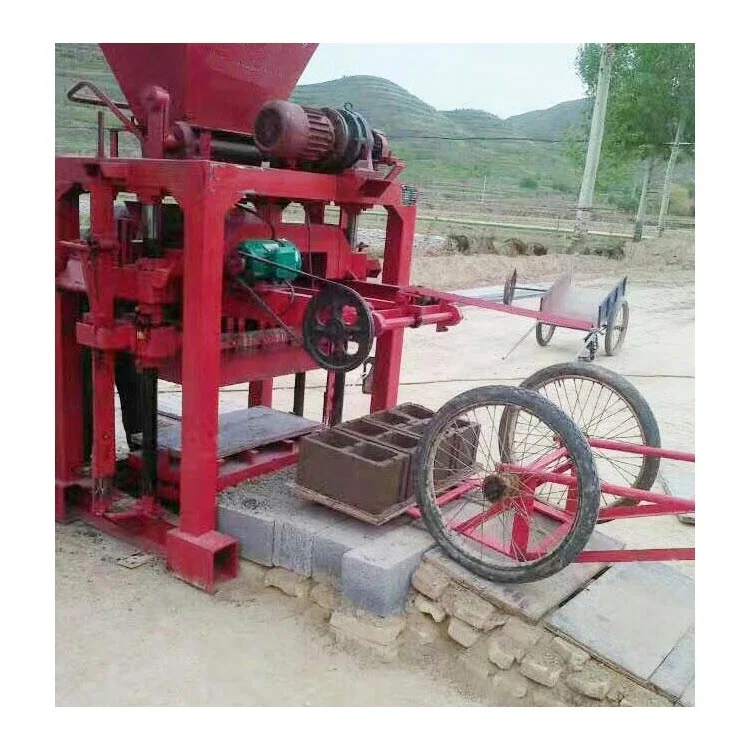
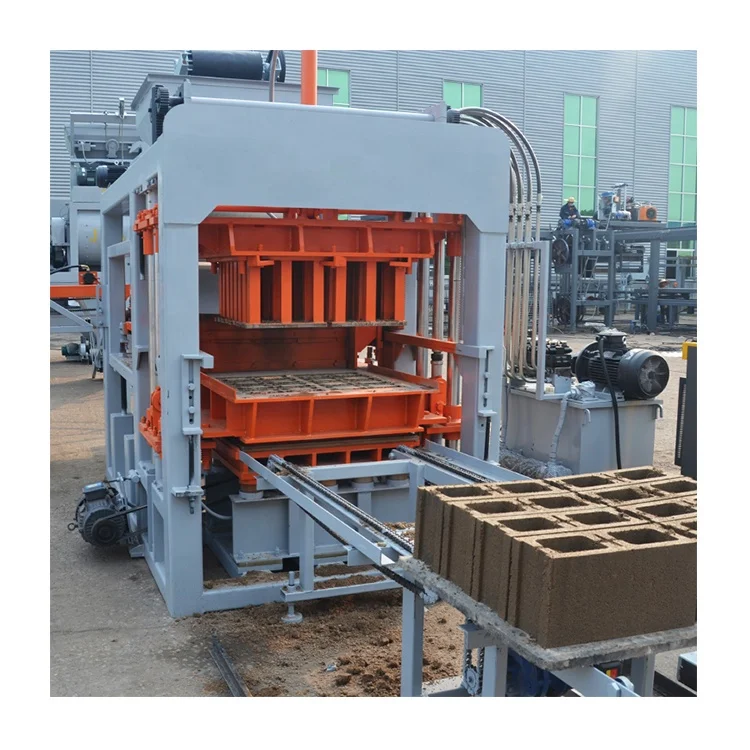
Matched System Configuration — the ECO 7000 compressed earth block making machine is specified alongside its moulds, pallets, and handling equipment as one coordinated production tier rather than isolated components, ensuring the buyer’s investment aligns with a realistic plant footprint from day one.
Technical Specifications
| Parameter |
Value |
| Product Type |
Compressed Earth Block Making Machine |
| Model |
ECO 7000 |
| Power Source |
Electric |
| Automation Level |
Automatic |
| Primary Block Format |
Compressed earth / clay ecological brick |
| Output Capacity |
(basis to be confirmed with target block format and material) |
| Mould Compatibility |
Earth brick / ecological brick formats, custom drawings available |
| Voltage & Frequency |
Configurable to destination market standards |
| Control System |
PLC-based (language options confirmed pre-shipment) |
| Certification |
CE declaration where applicable |
Application Suitability
| Application Scenario |
Material or Output Focus |
| Sustainable housing projects |
Compressed earth blocks from local clay and soil |
| Ecological brick manufacturing plants |
Clay-based ecological bricks for green building certification |
| On-site production for remote developments |
Earth block output using locally sourced soil and stabilizer |
| Small-to-medium block enterprises |
Format flexibility across earth brick dimensions |
Why "Pieces per Hour" Means Nothing Without the Block Format
Capacity figures are meaningless unless tied to a specific block dimension and material recipe.
Too many buyers discover after commissioning that the quoted output assumed a format their market does not buy. A compressed earth block making machine manufacturer should always state capacity per format, not a single headline number. I once reviewed a quote where the hourly rate was based on a thin paver, but the buyer needed thick load-bearing earth blocks — the real throughput was less than half of what was promised. That kind of mismatch erases your entire production plan before the first shift ends [NEED_CITE: block machine output calculation standards by format and cycle time].

Where the ECO 7000 Sits in the Output Tier Lineup
The ECO 7000 occupies the automatic tier of the compressed earth block range. Buyers evaluating their first plant need to understand that semi-automatic and mobile alternatives sit below this model in both investment and daily volume. The automatic designation means the press cycle, mould filling, and block ejection run under PLC control without manual intervention at each stroke. For a compressed earth block making machine manufacturer, placing each tier clearly on the range chart prevents buyers from over-investing in capacity they cannot feed or under-investing in a tier that bottlenecks their curing area.
Matching Plant Footprint to the Automatic Tier
Automatic machines like the ECO 7000 require a defined plant layout: raw material feeding stations, pallet circulation paths, and a curing rack system that keeps pace with the press output. If the surrounding line is sized for a semi-automatic tier, the press will idle between cycles waiting for pallets or mix. The full range approach means every station — from mixer discharge to stacking — is specified against the ECO 7000 cycle time, so no single element becomes the constraint [NEED_CITE: block production line synchronization requirements].
Understanding the Parameters That Actually Matter
The electric power source means the ECO 7000 avoids the fuel logistics and maintenance overhead of diesel-driven alternatives, but it also demands a stable supply at the confirmed voltage and frequency. Mould compatibility extends beyond the standard earth brick format — custom mould drawings allow buyers to produce the exact dimensions their local construction codes require. The PLC control system with configurable language options ensures that operators in any export market can read alarms and adjust cycle parameters without translation delays. Hydraulic pressure and vibration force, once confirmed against the buyer’s clay sample and stabilizer ratio, determine whether the finished block meets compressive strength requirements or crumbles at the curing rack.
What Happens When the Tier Selection Is Wrong
Choosing a mobile or semi-automatic tier when daily volume demands an automatic press leads to chronic overtime, manual pallet handling injuries, and output that never reaches the contracted supply agreement. Conversely, specifying an automatic machine for a project that only needs a few hundred blocks a day leaves capital tied up in unused capacity. The consequence is not a wrong machine — it is a wrong tier for the actual production plan [NEED_CITE: block plant investment sizing errors in emerging markets].
Sourcing From a Range-Focused Manufacturer
Block machinery is our single focus, so the ECO 7000 is never quoted as a standalone press. The mould, pallet specification, and handling equipment are selected as one matched system against the buyer’s target format and local clay properties. Configuration is set against the buyer’s actual mix design and local aggregate, not a catalogue default. Mould design covers the earth brick formats the buyer’s market actually sells, with custom drawings accepted. The automation level is selectable within the range, meaning a buyer can begin at a lower tier and move to the ECO 7000 automatic configuration as demand grows.
Documentation & Verification
- Line layout showing ECO 7000 position within the full block machine range
- Capacity calculation sheet stating assumed earth brick format and cycle time
- Mould drawing and format list with dimensions specific to your market
- Voltage, frequency, and PLC language confirmation signed before production
- Factory test record run on your clay sample and stabilizer ratio
Installation, Commissioning & Support
- Foundation plan matched to the ECO 7000 footprint and vibration load
- Electrical supply specification confirming voltage, frequency, and dedicated circuit rating
- Machine dispatched in assembly-ready state with dismantling notes for container loading
- On-site commissioning with PLC parameter tuning against your local clay mix
- Operator training covering mould change procedures and daily maintenance routines
- Wear parts and mould inventory list provided at handover for first replacement planning
What We Need to Place You on the Right Tier
To determine whether the ECO 7000 automatic tier fits your project, share your target earth block dimensions, daily output requirement, and the local clay or soil type you intend to use. Include your site voltage and frequency, available curing area, and whether you already have pallet handling or mixing infrastructure in place. A soil sample sent before quotation allows us to confirm block strength and cycle time against your actual material.
Frequently Asked Questions
Q: Where does the ECO 7000 sit compared to semi-automatic and mobile earth block machines?
A: The ECO 7000 is in the automatic tier, meaning PLC-controlled press cycles without manual intervention at each stroke. Semi-automatic tiers require operator input per cycle and suit lower daily volumes. Mobile tiers produce blocks on-site without a fixed plant. The range chart shows where each tier fits by investment level and output.
Q: What plant footprint does the ECO 7000 require versus other tiers?
A: The automatic tier needs a coordinated line with pallet circulation, curing racks, and raw material feeding matched to the press cycle. Semi-automatic tiers have a smaller footprint since pallet handling is partly manual. Mobile tiers need only a flat working area. We provide a line layout specific to your chosen tier.
Q: Can I start with a semi-automatic tier and upgrade later?
A: The range is designed so buyers can begin at a lower automation level and move up as demand grows. Mould compatibility and pallet sizing can be specified with the future upgrade path in mind, avoiding redundant equipment when the transition happens.
Q: What block formats beyond compressed earth brick can this platform produce?
A: The broader machine range covers hollow block, solid block, paving block, kerbstone, interlocking brick, and porous brick formats. Mould changes allow format switching on compatible platforms. Custom mould drawings are accepted for dimensions your local market requires.
Q: How is daily output calculated for the ECO 7000?
A: Output is calculated per specific block format, stating cycle time and the number of blocks per cycle. A single headline capacity number without format context is unreliable. We provide a capacity sheet showing realistic daily output based on your target earth brick dimension and material.

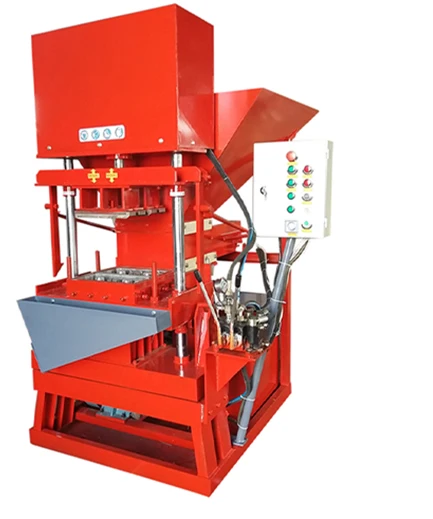
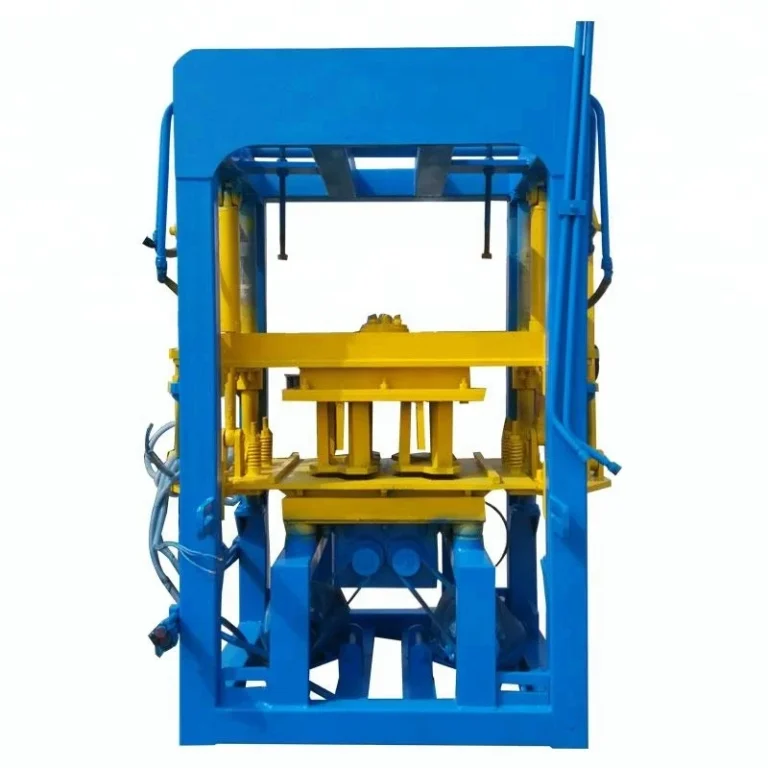 Semi automatic block