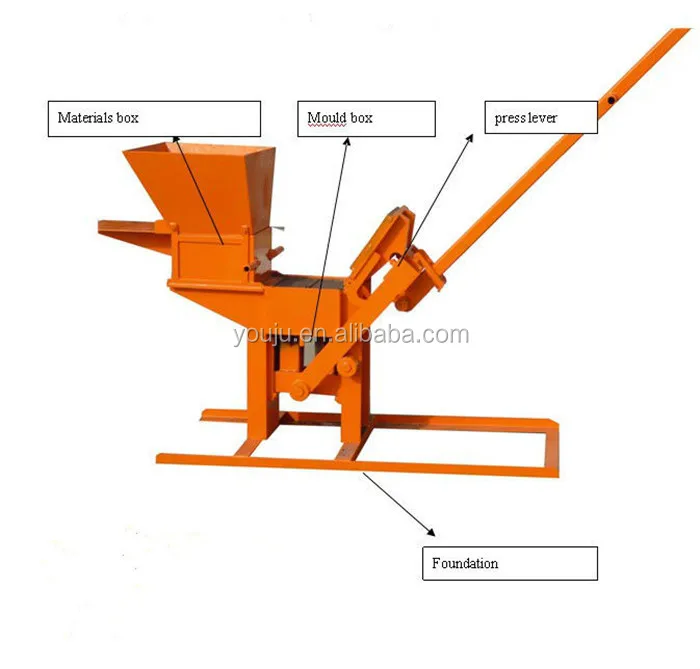
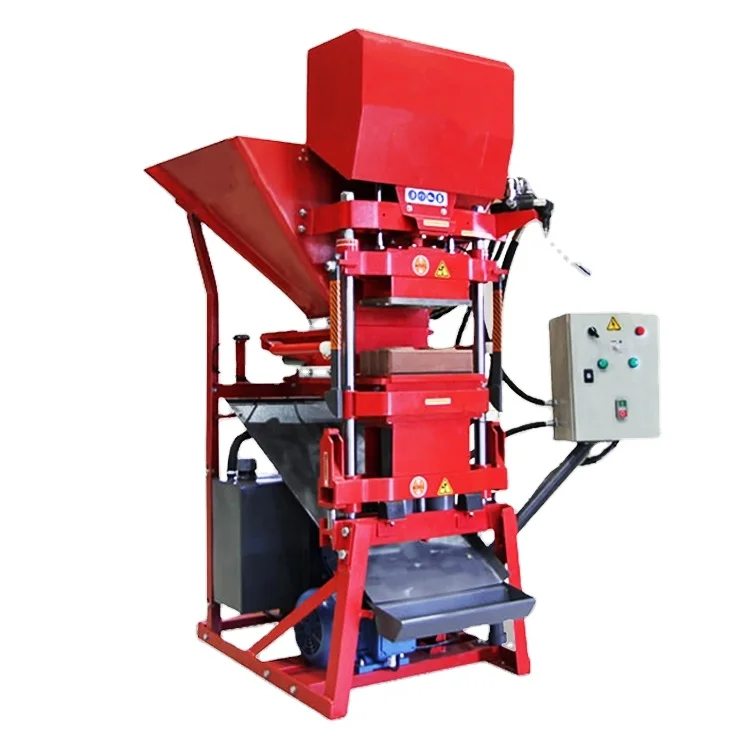
Single Focus on Block Machinery — hydraulic press, clay interlocking moulds and power unit matched as one system rather than sourced separately, so the ECO 2700 block machine for sale arrives with cycle time and pressure already aligned to the format you actually produce.
Technical Specifications
| Parameter |
Value |
| Model |
ECO 2700 |
| Product Type |
Hydraulic Clay Interlocking Brick Making Machine |
| Rated Power |
7.5 kW electric motor or 12 hp diesel engine |
| Hydraulic Pressure |
16 MPa |
| Moulding Cycle Time |
10 s (basis not stated in source — confirm block format / material / thickness) |
| Output Capacity |
2,800 pcs / 8 h based on 300×150×100 mm or 250×125×75 mm interlocking block, 1 pc per mould |
| Pieces per Hour |
350 pcs/h based on 300×150×100 mm or 250×125×75 mm interlocking block, 1 pc per mould |
| Mould Format |
300×150×100 mm / 250×125×75 mm interlocking brick |
| Pcs per Mould |
1 |
| Raw Material Compatibility |
Clay, soil, earth, mud, concrete, sand, cement, fly ash |
| Overall Dimensions |
1,600 × 1,300 × 2,330 mm |
| Net Weight |
900 kg |
| Labour Requirement |
3–4 workers |
| Workshop Area |
150 m² |
| Automation Level |
Automatic material feeding, mould pressing and mould lifting |
| Mould Change System |
Interchangeable moulds |
| Warranty |
One year for the whole machine |
Application Suitability
| Application |
Material or Output |
| On-site production for housing projects |
Locally available clay and soil stabilized with cement |
| First block plant for entrepreneurs |
Clay interlocking bricks using earth and fly ash mixes |
| Small contractor yards |
Soil-cement interlocking bricks for load-bearing walls |
| Rural building programs |
Mud and sand interlocking bricks with minimal cement addition |
| Remote construction camps |
Diesel-powered interlocking brick production without grid electricity |
What "2,800 Bricks per Shift" Actually Means on a clay interlocking brick machine manufacturer Floor
Output only holds when the block format, mix design and hydraulic pressure are all stated together.
I once watched an African contractor uncrate an ECO-class press, plug it in, and run local red clay straight from the pit. The catalogue promised a full shift output, but his soil had nearly double the clay fraction the machine was set for, so every third brick cracked on ejection and his crew spent half the day repressing rejects [NEED_CITE:]. The 2,800-piece figure on this ECO 2700 block machine for sale is tied to the 300×150×100 mm or 250×125×75 mm format at one piece per mould, and only makes sense if your soil-cement mix has been tested and the hydraulic pressure matched to it before the machine leaves the factory.

Where the ECO 2700 Sits in the Full Machine Range
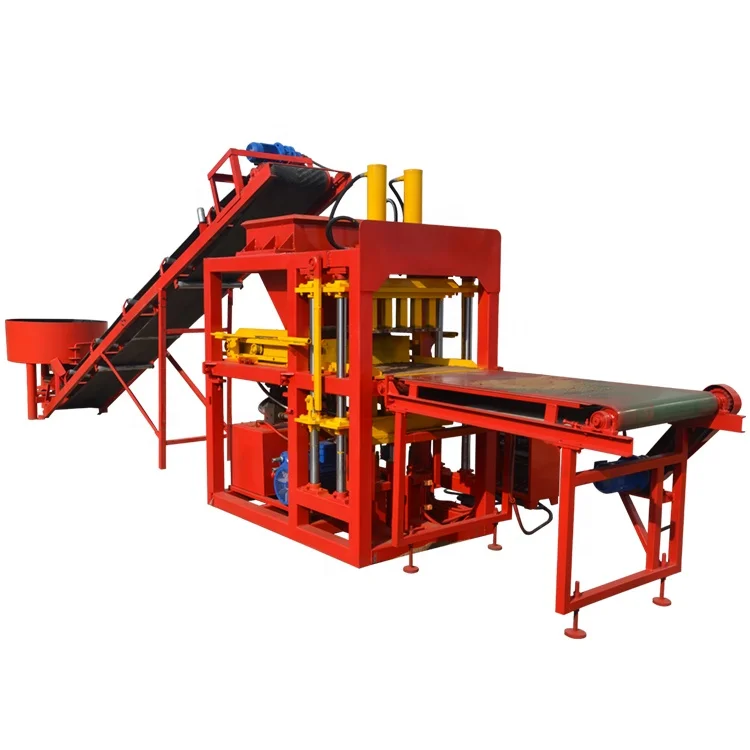
The ECO 2700 occupies the compact automatic tier, one step above manual and semi-automatic presses that still require operators to feed material and lift moulds by hand. Buyers comparing options for a first plant or a site-specific replacement can use this position to decide whether 350 interlocking bricks per hour at the stated format covers their daily target, or whether they need to step up to a higher-output automatic line with pallet conveyors and stacking.
Dual Power Paths for Off-Grid and Grid-Tied Sites
Because the clay interlocking brick machine manufacturer offers the ECO 2700 with either a 7.5 kW electric motor or a 12 hp diesel engine, contractors working on rural housing developments without stable grid supply can start production immediately on diesel. When grid power later reaches the site, the motor swap is a single-belt-and-pulley change rather than a full rewiring, keeping the same press running through the project lifecycle [NEED_CITE:].
Reading the Pressure, Cycle and Weight Figures Together
The 16 MPa hydraulic pressure is what gives soil-cement interlocking bricks enough green strength to stand without a pallet immediately after ejection, but pressure alone does not guarantee density — the 10-second cycle must also allow the mould to fill completely before the ram descends. At 900 kg net weight and 1,600 × 1,300 mm footprint, the ECO 2700 is light enough to relocate across a job site yet heavy enough to resist frame flex during the pressing stroke, a balance that directly affects brick-to-brick dimensional consistency when the clay interlocking brick machine manufacturer sets the tooling.
The Cost of Skipping the Soil Sample Step
When buyers skip sending a soil sample and rely on catalogue defaults, the hydraulic pressure and cycle timing are set for a generic mix that may not match the clay fraction or moisture content at their site. The result is a batch of bricks that crumble at the interlocking lips or fail a simple drop test, forcing the contractor to buy cement in higher ratios just to compensate — a recurring cost that erodes the margin the machine was supposed to deliver [NEED_CITE:].
Why Buyers Source This Tier from a Single-Focus Supplier
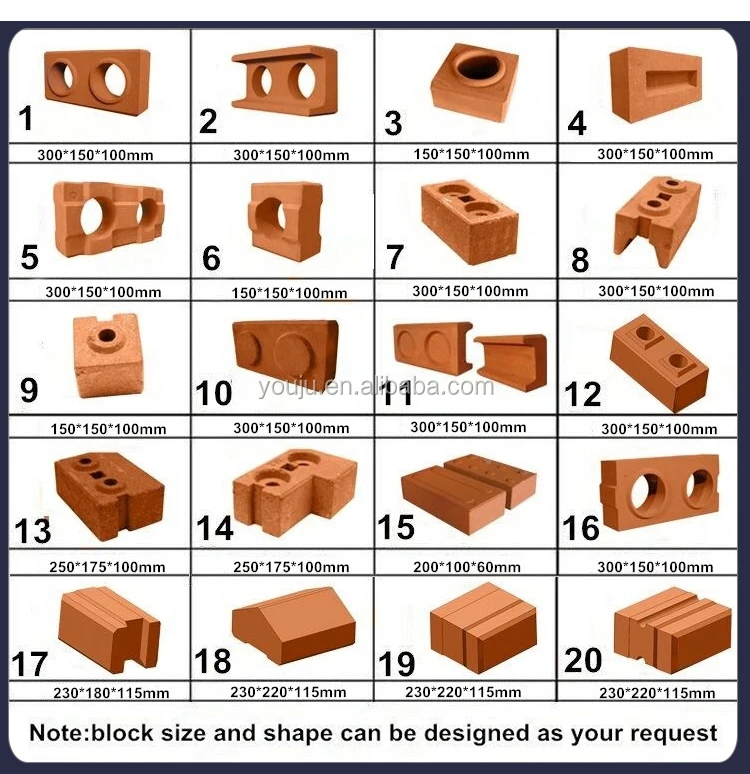
Block machinery is the only product line here, so the ECO 2700 arrives with its hydraulic press, interchangeable clay interlocking moulds and power unit specified as one matched system. Configuration is set against the buyer’s actual soil sample and target brick format, not a catalogue default. Mould design covers the interlocking profiles the local market sells, with custom drawings available. Automation level is selectable so a buyer can start at automatic feeding and pressing, then add upstream batching later. Installation support includes operator training on mould change and daily maintenance routines.
Documentation & Verification
- Line layout showing the 150 m² workshop footprint and curing area sized for the stated interlocking format
- Capacity calculation document stating the 300×150×100 mm or 250×125×75 mm block assumed for 2,800 pcs per shift
- Mould drawing and format list for supplied interlocking profiles plus custom design availability
- Machine specification sheet confirming 16 MPa pressure, cycle time and power source option
- Voltage, frequency and control language confirmation record before production begins
- Factory test record on the buyer’s soil-cement mix before dispatch
Installation, Commissioning & Support
- 150 m² workshop area with level concrete floor to support the 900 kg machine and material staging
- Dedicated circuit for the 7.5 kW motor or diesel fuel staging area for the 12 hp engine variant
- Machine shipped assembled with mould bolted in place for fast first-day commissioning
- Hydraulic pressure verified on-site against the buyer’s soil sample to confirm green strength
- Three to four workers trained on mould change, daily lubrication and interlocking lip inspection
- One-year warranty covering hydraulic cylinder, frame and electrical components
Before You Request a Quote
To size the ECO 2700 correctly, share the interlocking brick format your market actually sells, the clay or soil type you plan to use, and whether your site has stable three-phase power or requires the diesel option. Include your target daily output and the curing area you can allocate, so the line layout and capacity calculation can be drafted around real constraints instead of catalogue assumptions.
Frequently Asked Questions
Q: How does the ECO 2700 output tier compare with semi-automatic and higher-capacity models?
A: The ECO 2700 is rated at 350 interlocking bricks per hour based on 300×150×100 mm or 250×125×75 mm format. Semi-automatic models below it require manual material feeding and mould lifting, lowering effective output. Higher-capacity automatic lines add pallet conveyors and stacking, increasing throughput but also plant footprint and investment. The ECO 2700 sits between these tiers for buyers who want automatic pressing without a full conveyor line.
Q: Which block formats does the quoted capacity assume?
A: The 2,800 bricks per 8-hour shift figure assumes either 300×150×100 mm or 250×125×75 mm interlocking bricks at one piece per mould. Switching to a larger or multi-cavity mould changes the cycle time and daily output, so a revised capacity calculation is issued for each additional format before the mould is manufactured.
Q: Should I choose the electric motor or the diesel engine?
A: The 7.5 kW electric motor suits sites with stable three-phase grid power and lower running costs. The 12 hp diesel engine is specified for remote housing projects, rural development camps and locations where power cuts would halt production. Both options drive the same hydraulic pump, so brick quality remains identical across power sources.
Q: What workshop area and labour do I need for the ECO 2700?
A: The machine requires approximately 150 m² including raw material staging, pressing position and curing area. Three to four workers handle soil preparation, cement dosing, machine operation and green brick transfer. This footprint positions the ECO 2700 for on-site contractors and first-time plant owners who do not have large industrial plots available.
Q: Where does the ECO 2700 sit on the upgrade path?
A: Buyers can start with the ECO 2700’s automatic feeding and pressing, then add a pan mixer, conveyor belt or stacking frame as demand grows. The hydraulic platform and mould interface remain compatible with upstream batching equipment, allowing the press to stay in service while the rest of the line scales to higher daily volumes.

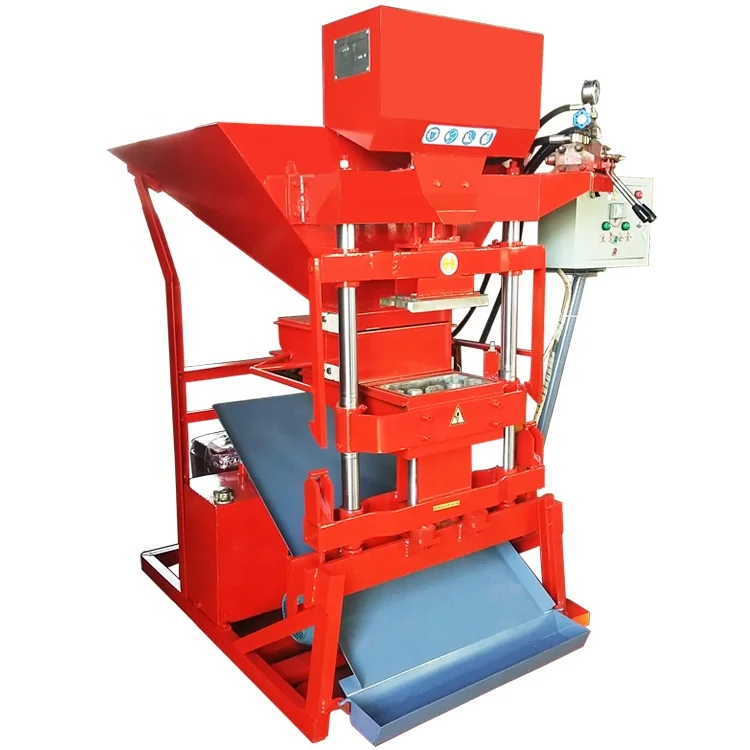
 Clay interlocking brick