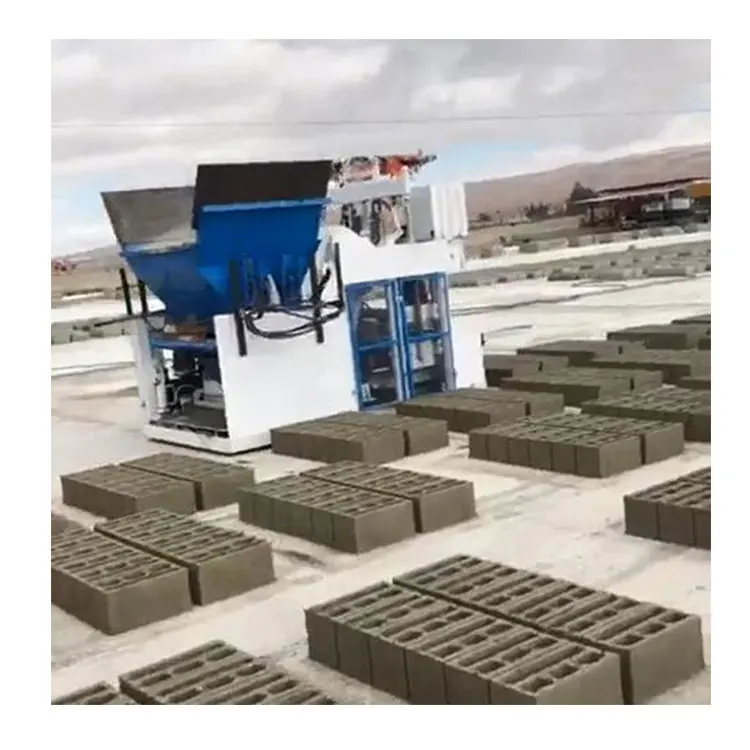
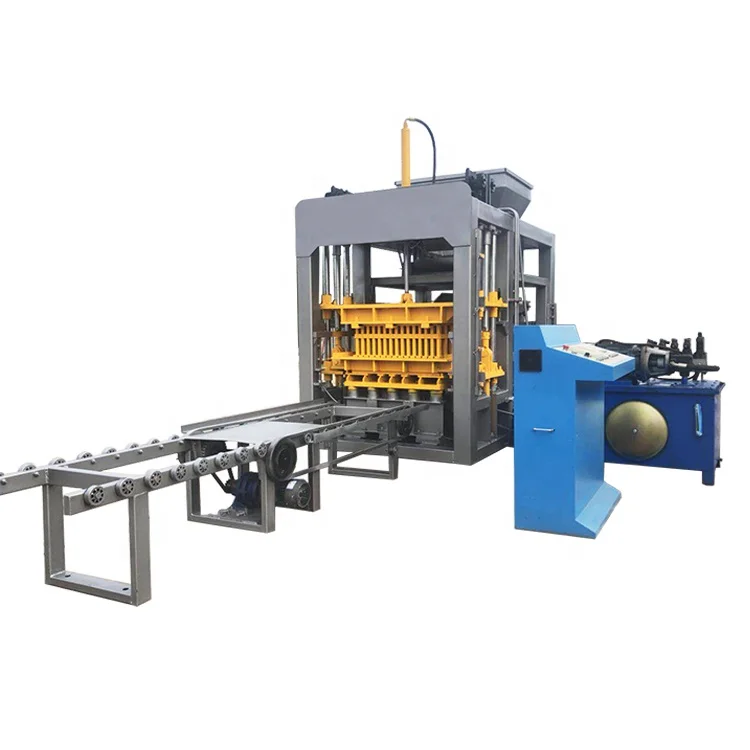
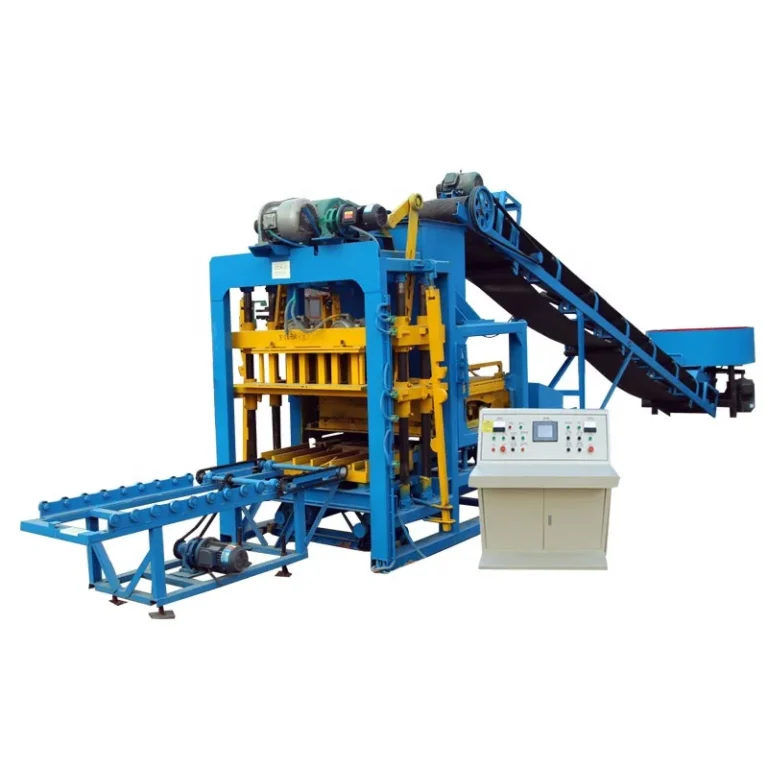
Matched system configuration — the QT4-25 block making machine, moulds, pallets and handling are specified together against your local aggregate and target format, not sourced from separate suppliers.
Technical Specifications
| Parameter |
Value |
| Model |
QTJ4-25 |
| Product Type |
Automatic Concrete Block Making Machine |
| Control System |
PLC controlled fully automatic |
| Machine Power |
16.58 kW |
| Molding Cycle |
25 seconds |
| Capacity |
4600 pcs / 8 hours (basis not stated in source — confirm block format, material and thickness before quoting) |
| Pallet Size |
850 × 480 mm |
| Machine Weight |
5000 kg |
| Overall Size |
6400 × 1500 × 2700 mm |
| Vibration System |
Vibration motor with large vibration box |
| Motor Brand |
Siemens motor |
| Frame Construction |
Thickened steel frame |
| Automation Features |
Automatic pallet feeding, automatic material feeding and scraping, automatic block stacker |
| Voltage |
Configured to buyer’s local voltage and frequency |
| Raw Materials |
Concrete, sand, cement, fly ash, crushed stone, lime, water |
| Warranty |
One year |
Application Suitability
| Application |
Material or Output |
| Hollow block production for medium-sized factories |
Crushed stone, cement, sand, fly ash blends |
| Solid brick manufacturing |
Concrete and sand mixes with local aggregate |
| Paver stone brick production |
High-density concrete with fine aggregate grading |
| On-site block production for housing projects |
Locally sourced raw materials confirmed by mix test |
What "4600 Pieces per Shift" Actually Means for Your Plant
Capacity figures without a block format attached are meaningless for production planning.
I remember configuring an automatic block machine for a Middle East project years ago. The catalogue capacity looked solid on paper, but the buyer’s local volcanic aggregate changed the vibration requirements entirely, and actual daily output dropped significantly below expectation. That is why the 4600 pcs/8h figure for the QT4-25 must be verified against the specific hollow block, solid brick, or paver you intend to produce. [NEED_CITE: capacity variation by block format and mix design] An automatic block machine manufacturer should always state which format and mix their capacity claim assumes, so your investment decision rests on real numbers rather than ideal conditions.

Where the QT4-25 Sits in the Machine Range
The QT4-25 occupies the middle tier of our automatic block machine lineup, targeting medium-sized block factories that need consistent daily output without the footprint of a high-capacity line. Its PLC-controlled operation covers the full production sequence from pallet feeding through block stacking. For buyers surveying options between semi-automatic and fully automatic configurations, this model represents the entry point where manual labor drops noticeably and batch-to-batch consistency improves. The automatic block machine manufacturer configures each unit to the buyer’s confirmed voltage and control language before assembly begins.
How the Full Line Connects Around the Press
A block press does not operate alone. The QT4-25 relies on upstream raw material feeding and mixing to maintain cycle rhythm, and downstream pallet handling and stacking to clear finished blocks before the next cycle starts. When any station in the line runs slower than the press, the molding cycle stretches and actual output falls below the rated figure. [NEED_CITE: block production line synchronization requirements] This is why we specify pallet size, stacking method and curing rack handling as part of the same proposal rather than treating them as separate purchases. The 850 × 480 mm pallet dimension must align with the curing area and forklift capacity you already have on site.
Reading the Specs That Matter for Daily Production
The 16.58 kW total machine power drives both the hydraulic pressure and vibration system that determine block density. Vibration force and hydraulic pressure must be matched to your specific mix design — a fly ash blend responds differently than a crushed stone mix, and wrong parameters produce blocks that fail strength tests. The 25-second molding cycle is achievable only when material feeding and pallet indexing keep pace. The Siemens motor provides stable torque under continuous vibration load, which matters when the press runs multiple shifts. Thickened steel frame construction absorbs vibration stress over years of operation, reducing fatigue cracking at weld points. Voltage and frequency must be confirmed before production, because a motor wound for the wrong supply will overheat within weeks.
The Cost of Skipping Configuration Details
Buyers who confirm price before confirming mix design often face costly corrections after the machine arrives. A pallet size that does not match the existing curing racks forces a complete rack replacement. Voltage mismatch delays commissioning until a transformer is sourced locally. [NEED_CITE: common commissioning delays in exported block machinery] Mould change time that stretches across most of a shift cancels the format flexibility the buyer paid for. These are not hypothetical risks — they are recurring issues we see when specifications are left to catalogue defaults rather than confirmed against site conditions.
Why Source This Machine From a Single-Focus Supplier
Block machinery is our only product category, which means the QT4-25 press, moulds, pallets and handling equipment are engineered as one system. We set the configuration against your actual mix design and local aggregate, not a generic catalogue entry. Custom mould design is available when your market demands formats beyond standard hollow and solid blocks. The automation level is selectable, so you can begin with the standard stacker and add batching or cubing functions later. Installation includes operator training so your team understands cycle optimization from day one.
Documentation & Verification
- Line layout drawing showing station spacing for the QT4-25 with pallet flow direction
- Capacity calculation sheet stating the exact block format behind the output figure
- Voltage and PLC display language confirmation signed before production starts
- Factory test record with your target mould installed and cycle time logged
- Hydraulic and electrical schematic for local maintenance team reference
- Wear parts and mould list with recommended replacement intervals
Installation, Commissioning & Support
- Foundation plan based on the 6400 × 1500 × 2700 mm footprint and 5000 kg operating weight
- Dedicated power circuit sized for 16.58 kW continuous draw at confirmed local voltage
- Machine arrives with vibration box and stacker pre-assembled to reduce on-site work
- First production run supervised to verify cycle time and block density with local mix
- Operator training covers PLC navigation, mould change procedure and daily maintenance
- Wear parts catalogue with part numbers for reordering hydraulic seals and vibration components
What We Need to Prepare Your Proposal
To configure the QT4-25 for your production line, we need the specific block formats you plan to sell and the daily volume your market requires. Share your local raw material source and any existing mix test data, along with the voltage and frequency standard at your site. If you already have curing racks or forklifts, provide their dimensions so pallet sizing aligns with your current setup.
Frequently Asked Questions
Q: What block format does the 4600 pcs/8h capacity assume, and how does output change for different sizes?
A: That figure requires confirmation against a specific block dimension, wall thickness and mix design. A larger hollow block will produce fewer pieces per shift than a small solid paver, even on the same 25-second cycle. We provide a capacity calculation sheet tied to your actual target format before any order is placed.
Q: How is voltage and PLC display language configured for my market before shipment?
A: We confirm your local voltage, frequency and preferred PLC language during the proposal stage. The motor winding and control panel are set accordingly during assembly. A signed confirmation document prevents mismatched electrical specifications that would otherwise delay commissioning after the machine arrives at your site.
Q: What automation features does the QT4-25 include, and can I expand later?
A: The standard configuration covers automatic pallet feeding, material feeding with scraping and block stacking. Additional automation such as enhanced batching or cubing can be integrated as your production volume grows. The PLC platform supports these additions without requiring a full control system replacement.
Q: How long does a mould change take, and what formats are available?
A: Mould change time depends on the format switch and operator familiarity. The QT4-25 accepts moulds for hollow blocks, solid bricks, pavers and interlocking formats. Custom moulds can be designed to your drawings. We recommend confirming your full format list during the proposal so all required moulds ship together.
Q: What does the one-year warranty cover, and how are parts supplied afterward?
A: The warranty covers manufacturing defects in the frame, vibration system and PLC components. A complete wear parts list with part numbers ships with the machine, allowing you to reorder hydraulic seals, vibration motor components and other consumables directly. We continue supplying replacement parts beyond the warranty period.

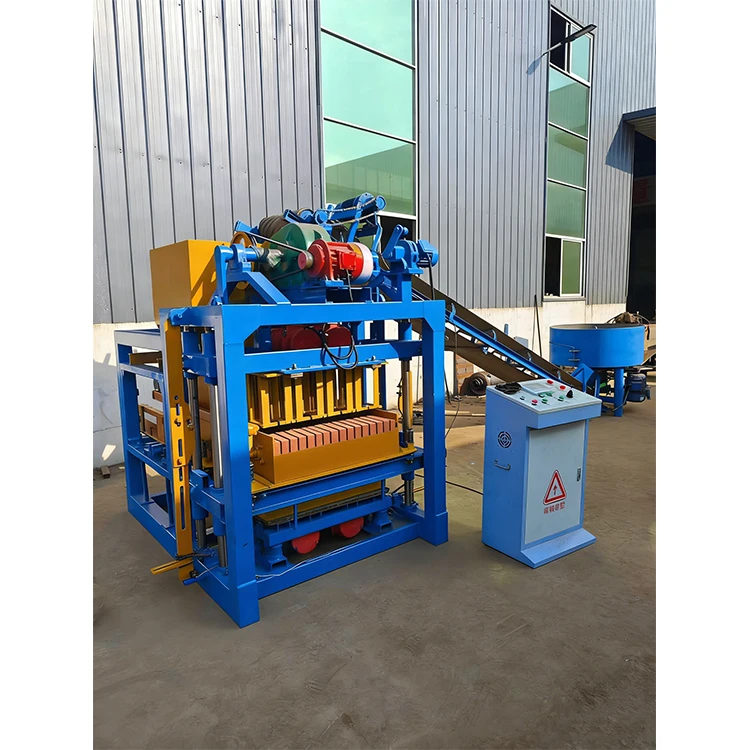
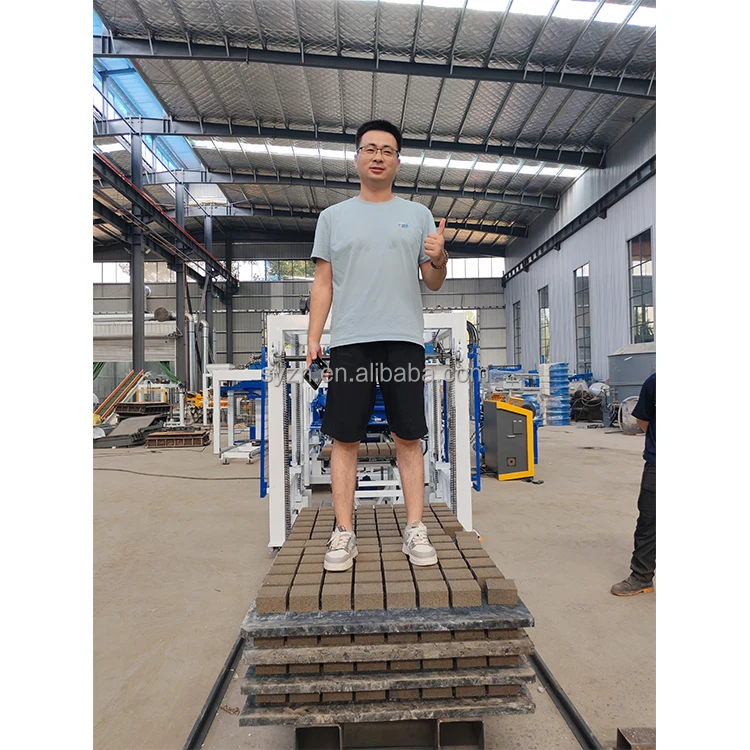 Automatic block machine