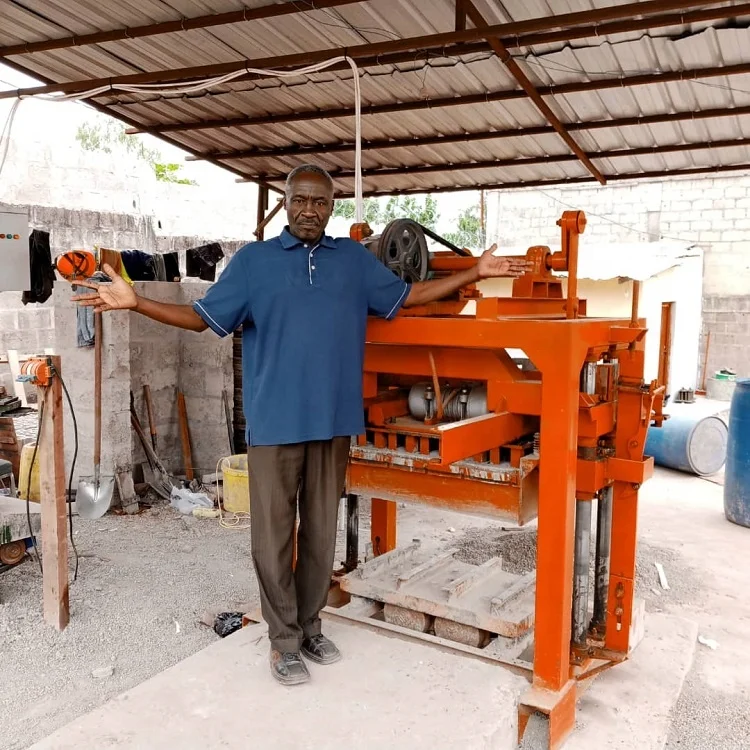
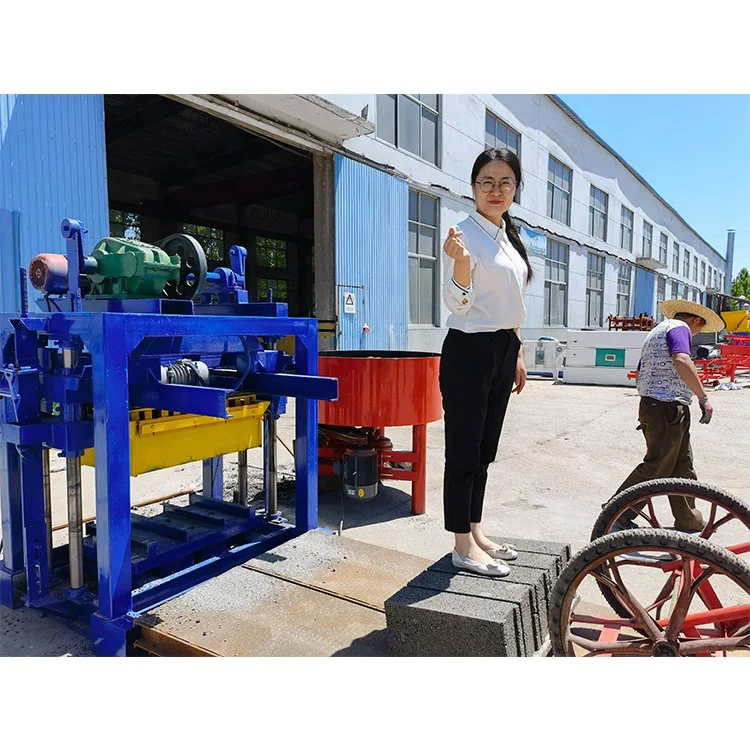
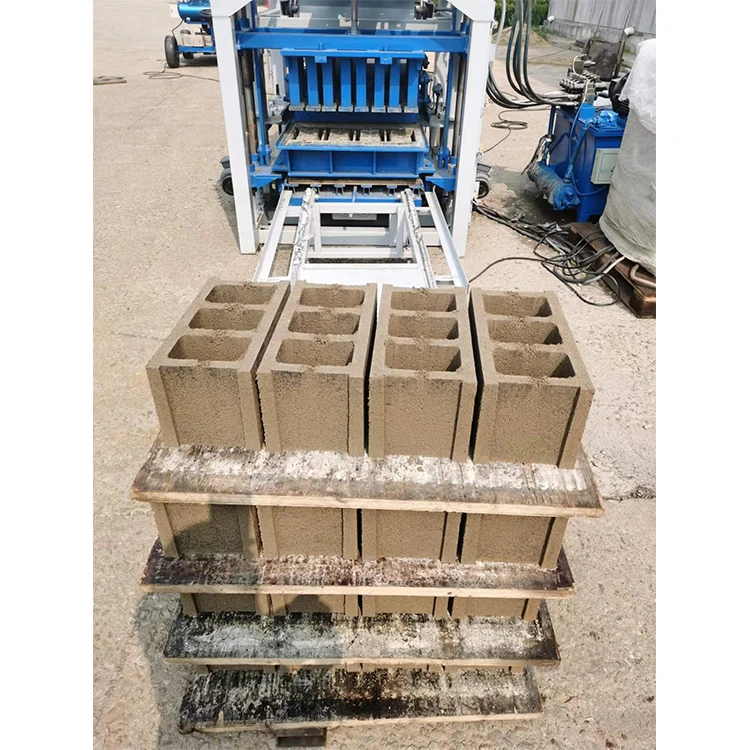
Matched System Focus — Every component from the host press to the pallet and curing rack is sized together so the QT6-15 runs without bottlenecks or unplanned manual handling.
Technical Specifications
| Parameter |
Value |
| Model |
QT6-15 |
| Product Type |
Hydraulic Block Making Machine |
| Overall Dimensions (L×W×H) |
8200×1700×2950 mm |
| Vibration Frequency |
0-60 Hz |
| Vibration Form |
Platform Vibration |
| Vibration Force |
45 kN |
| Pallet Size |
880×850 mm |
| Overall Power |
37 kW |
| Total Mass |
7 T |
| Demolding Method |
Hydraulic |
| Control System |
PLC with touch screen interface and fault diagnosis |
| Hydraulic System |
Independent integrated hydraulic station |
| Raw Material Adaptability |
Waste ash, slag, and various aggregates with reduced cement dosage |
| Output Capacity (Hollow Block 400×200×200 mm) |
8640-11520 pcs/8hr based on 6 pcs/mould, 15-20s cycle |
| Output Capacity (Hollow Block 400×150×200 mm) |
11520-15360 pcs/8hr based on 8 pcs/mould, 15-20s cycle |
| Output Capacity (Solid Brick 240×115×53 mm) |
46080-61440 pcs/8hr based on 32 pcs/mould, 15-20s cycle |
| Output Capacity (Rectangular Paver 200×100×60 mm) |
17280-23040 pcs/8hr based on 21 pcs/mould, 20-25s cycle |
| Recommended Factory Area |
1200 m² |
| Warranty |
1 year for whole machine (excluding spare parts) |
Application Suitability
| Application |
Material or Output |
| Hollow block production for wall construction |
Crushed stone, sand, and cement blends producing 400×200×200 mm units |
| Solid brick manufacturing |
Fine aggregate and cement mixes forming 240×115×53 mm bricks |
| Paving block production |
High-density aggregates for 200×100×60 mm rectangular pavers |
| Interlocking paver formats |
Zigzag 225×112.5×60 mm profiles using standard cement and sand ratios |
| Industrial waste utilization |
Ash and slag as partial aggregate replacement with adjusted cement dosage |
What "10,000 Blocks per Shift" Leaves Out When Sizing a QT6-15 Block Making Machine Manufacturer Proposal
Quoted capacity means nothing unless it names the exact block format, mould count, and cycle time behind it.
I remember sitting across from a buyer who had purchased a mid-range machine based on a single headline number. When his plant started running 400×150×200 mm hollow blocks, the actual shift output fell well short of what he had planned his contracts around. The gap was not a machine failure — it was a quotation that never specified which format the figure assumed [NEED_CITE: how block format and mould cavity count affect stated capacity in machinery proposals]. A QT6-15 block making machine manufacturer that gives you one blanket number for every format is asking you to plan your business on guesswork. Every capacity figure here is tied to a specific block size, cavity count, and verified cycle range so you can map realistic daily production to your actual order book.

Positioning the QT6-15 Within the Full Machine Range
The QT6-15 sits in the mid-to-upper tier of the automatic lineup. Below it, semi-automatic models suit smaller workshops where an operator handles pallets manually and the investment threshold must stay low. Above it, higher-capacity lines target plants that need continuous three-shift operation with fully automatic stacking and cubing. This model bridges the gap for buyers who have outgrown entry-level equipment but are not yet ready to commit to the largest footprint and highest automation tier. A QT6-15 block making machine manufacturer should explain exactly where this model lands so you do not over-invest in capacity your site cannot absorb.
Comparing Output Tiers Across the Range
When you place this model next to smaller semi-automatic presses and larger fully automatic lines, the differences go beyond cycle speed. The semi-automatic tier typically uses smaller pallets and relies on manual curing rack loading, which caps realistic daily output regardless of how fast the press itself cycles. The high-capacity tier adds automatic pallet feeding, stacking, and cubing, pulling labour out of the heaviest handling tasks. The QT6-15 gives you PLC-controlled automatic moulding and hydraulic demoulding at a plant footprint of approximately 1200 m², which is a meaningful middle ground for contractors and distributors scaling up without taking on a full industrial-scale facility [NEED_CITE: typical plant footprint requirements for mid-range versus high-capacity block production lines].
How Vibration, Pressure, and Pallet Size Shape Every Block
The platform vibration system operates across an adjustable 0-60 Hz range with 45 kN of vibration force. In practice, vibration frequency and hydraulic pressure must be tuned together to match the buyer’s specific mix design and local aggregate gradation — too little force leaves weak blocks, while excessive force on a lean mix causes surface cracking. The independent integrated hydraulic station sits isolated from main machine vibration and dust ingress, which keeps pressure consistent across long production runs. The 880×850 mm pallet size is worth verifying against your existing curing racks and forklift capacity before the order is finalized, because a mismatch here forces you to replace handling equipment you already own.
The Hidden Cost of Configuring for the Wrong Mix
I once configured a machine for a customer based on standard limestone aggregate data, only to learn on commissioning day that their local quarry supplied material with high clay content. The extra fines absorbed water differently, the mix stuck to the mould, and cycle times stretched well beyond the quoted range. That kind of mismatch is not a defect — it is a specification that was never checked against the buyer’s actual raw material. When a block plant runs an incompatible mix, every downstream metric suffers: compressive strength drops, mould wear accelerates, and operators spend shifts adjusting parameters that should have been set before the machine left the factory [NEED_CITE: aggregate properties and their effect on block machine cycle time and mould wear].
Why Buyers Choose This Range for Their Plant
Block machinery is the single focus here, so the press, moulds, pallets, and handling equipment are specified as one matched system rather than assembled from separate suppliers. Every configuration is set against the buyer’s actual mix design, local aggregate, and target block format — not pulled from a catalogue default. Mould design covers the formats your market actually sells, including custom drawings when standard options do not match. Automation is selectable: you can start with the semi-automatic tier and move up as demand grows. Installation support includes on-site commissioning and operator training so your team is running independently before the technicians leave [NEED_CITE: importance of matched system specification versus component-level sourcing in block machinery].
Documentation & Verification
- Line layout and capacity calculation naming the exact block format for every output figure
- Machine specification sheet with voltage, frequency, and PLC display language confirmed in writing
- Mould drawing and format list supplied with the quotation, not after payment
- Pallet specification covering size, material, and compatibility with your curing area
- Factory test record on your target block format before dispatch
- Hydraulic and electrical schematic for your local service team
Installation, Commissioning & Support
- Foundation pad sized to the 8200×1700 mm footprint with vibration isolation provisions
- Dedicated 37 kW power circuit with voltage and frequency matching your local supply
- Machine shipped in dismantled state with reassembly supervised on site
- PLC touch screen calibrated with your preferred operator language at first power-on
- Mould change procedure trained using your actual production formats
- Wear parts list and hydraulic seal kit delivered with the initial shipment
Starting the Conversation
Tell us which block formats you plan to produce, your target daily output per format, and the aggregate sources available near your site. Confirm your workshop dimensions and ceiling height so we can verify the 1200 m² recommendation fits your land. Share your local voltage and frequency so the electrical system and PLC language are locked in before production begins.
Frequently Asked Questions
Q: Where does the QT6-15 sit in the range compared to semi-automatic and higher-capacity models?
A: It occupies the mid-to-upper automatic tier. Below it, semi-automatic models suit first-time buyers with lower investment limits and smaller sites. Above it, high-capacity lines serve plants running three continuous shifts with full automatic stacking. The QT6-15 gives you PLC-controlled production at a 1200 m² footprint, fitting buyers who need reliable daily volume without scaling to the largest tier.
Q: How do I verify the quoted capacity against the specific block format I intend to produce?
A: Ask for a capacity calculation that names the exact block size, mould cavity count, and cycle time for every format on your list. Blanket numbers that cover all formats equally are a warning sign. Your quotation should show separate output figures for hollow blocks, solid bricks, and pavers based on the actual mould that will run on your machine.
Q: What plant footprint does this tier require versus a smaller or larger machine?
A: The QT6-15 recommends approximately 1200 m² for the press, curing area, and material storage. Semi-automatic tiers can operate in tighter spaces because they use smaller pallets and manual stacking. High-capacity lines need considerably more room for automatic curing rack systems and cubing stations. Confirm your available land area before selecting your tier.
Q: Can I start with a semi-automatic configuration and upgrade to this automatic tier later?
A: Yes, the range is designed to allow progression. Buyers often begin with semi-automatic equipment to manage initial investment and operator skill levels, then transition to automatic PLC-controlled production as market demand grows. Discuss the upgrade path during your initial inquiry so your first machine does not lock you into a configuration you will outgrow quickly.

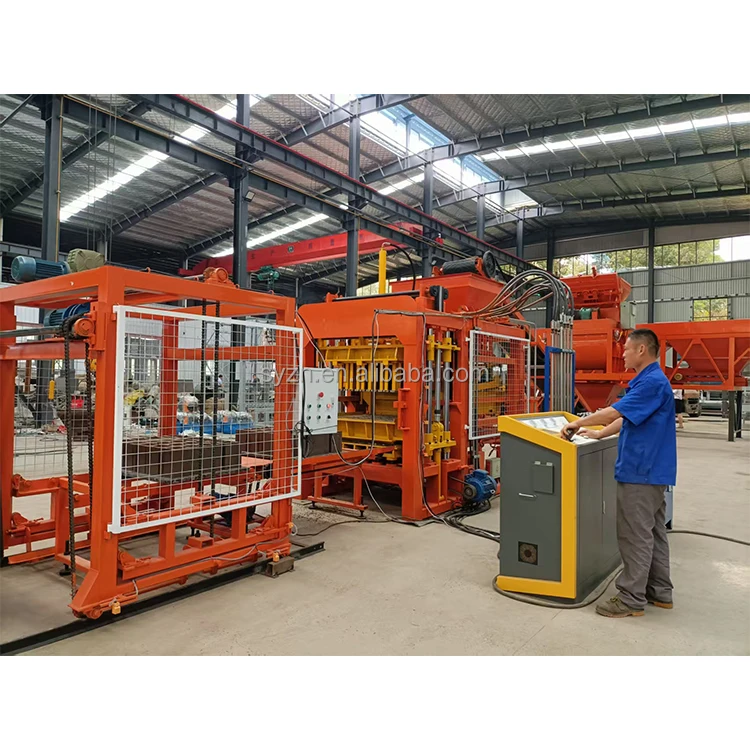
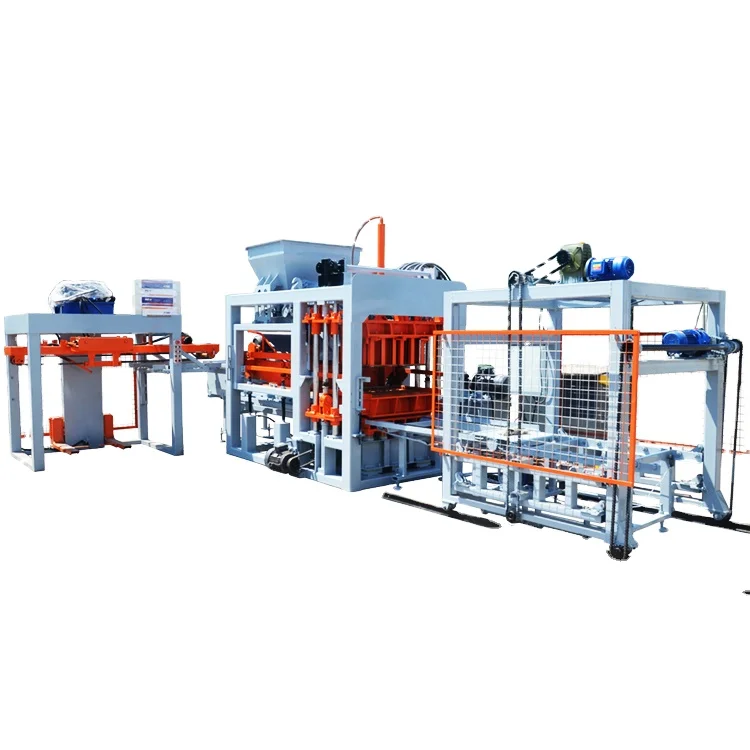 High quality block machine