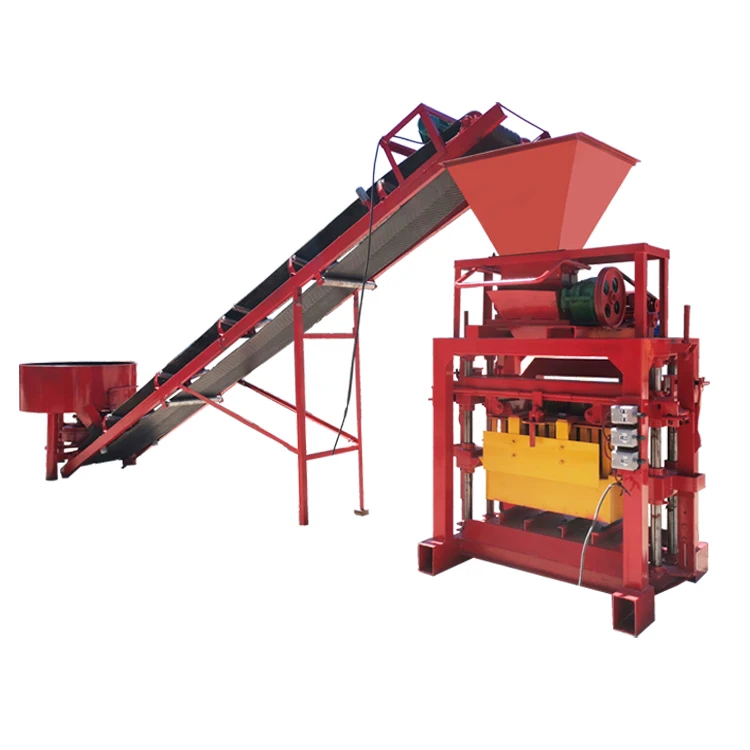
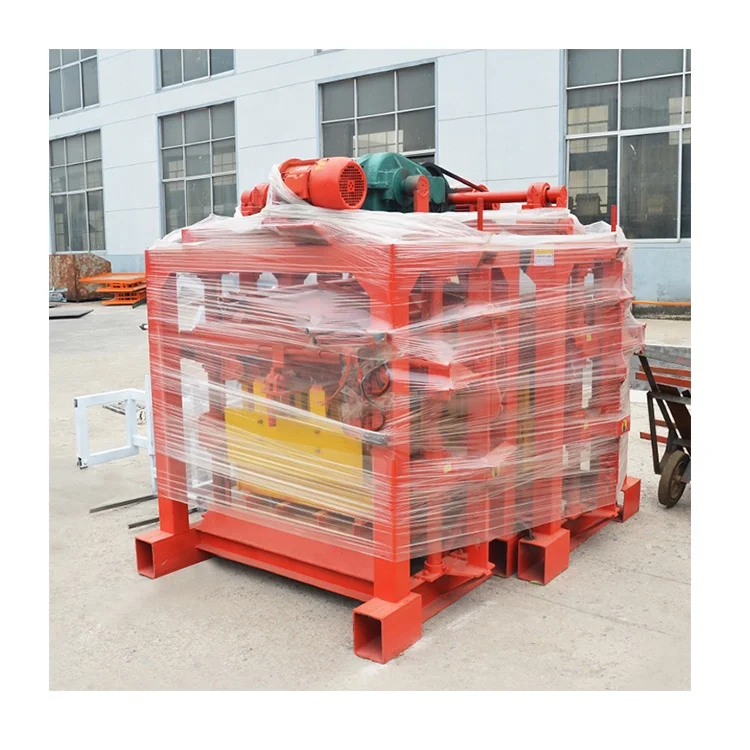
Integrated System Design — The QT6-15 is positioned within a complete block machine range where machine, mould, pallet and handling equipment are specified as a matched system rather than sourced from separate suppliers, helping buyers locate themselves on the output spectrum before committing to a tier.
Technical Specifications
| Parameter |
Value |
| Model |
QT6-15 |
| Product Type |
Automatic Hydraulic Concrete Block Making Machine |
| Moulding Cycle |
15–20 s (basis not stated in source — confirm block format, material and thickness) |
| Vibration Force |
55 kN |
| Rated Power |
37.2 kW |
| Mixer Model |
JS750 |
| Pallet Size |
1020 × 900 mm |
| Overall Dimensions (L×W×H) |
8300 × 1860 × 3000 mm |
| Total Weight |
8 T |
| Applied Products |
Hollow block, solid block, paving block, curbstone |
| Raw Materials |
Crushed stone, sand, cement, dust, fly ash |
| Control System |
PLC control unit |
| Hydraulic Station |
Included |
| Automation Level |
Automatic (pallet feeder, material feeder, block conveyor, block sweeper) |
| Voltage & Frequency |
To be confirmed before commissioning |
| PLC Display Language |
To be confirmed before commissioning |
Application Suitability
| Application |
Material or Output |
| Hollow block production for load-bearing and partition walls |
Crushed stone, sand, cement, fly ash blends |
| Solid dense block manufacturing |
High-cement-ratio mixes with local aggregate |
| Paving block and interlocking paver runs |
Crushed granite or basalt sand with pigment addition |
| Curbstone and kerb units |
Coarse aggregate mixes requiring high vibration force |
What "15–20 Seconds per Cycle" Leaves Out for an Automatic Block Making Machine Manufacturer
The cycle figure means nothing until you know which block format, wall thickness, and aggregate density it was measured on.
Quoting a single cycle time across every block type is a common shortcut that leaves buyers comparing machines on paper only. A hollow block with thin walls fills and compacts faster than a dense solid block or a thick curbstone. The 15–20 s range listed for the QT6-15 covers different formats, and the actual time your plant will run depends on the mix you pour and the product you sell. [NEED_CITE: ASTM and EN block standards specifying minimum compressive strength by format]
Tier Placement Across the Full Block Machine Range
The QT6-15 sits in the middle tier of a full range that stretches from semi-automatic workshop machines to high-capacity fully automatic lines. Buyers evaluating this unit should first decide whether their daily target justifies the pallet feeder, block conveyor and sweeper included at this tier, or whether a simpler semi-automatic configuration would suffice. The automatic block making machine manufacturer provides capacity calculations per format, so you can see where this model lands relative to smaller and larger presses before placing an order.
Matching the Press to the Plant Footprint
With overall dimensions of 8300 × 1860 × 3000 mm and a JS750 mixer feeding the hopper, the line requires a clear production bay plus room for pallet circulation and wet-block staging. The pallet size of 1020 × 900 mm was selected to align with standard curing racks and common forklift tine spacing. When the press cycle, mixer batch time and pallet return speed are all calculated together, the press never sits idle waiting for material or an empty pallet. [NEED_CITE: typical block plant layout guidelines for curing area per daily output]
How Vibration Force and Hydraulic Pressure Shape Block Density
The 55 kN exciting power works in tandem with the hydraulic station to compact the mix inside the mould cavity. Higher vibration fluidises the concrete so it fills every corner, while hydraulic pressure from above squeezes out air and increases density. For lightweight aggregate or fly-ash-heavy mixes, the balance between vibration and pressure must be adjusted — too much vibration segregates the fines, while too much pressure traps air. The 37.2 kW rated power supplies both the vibration motors and hydraulic pump simultaneously, avoiding power dips mid-cycle. Choosing a pallet material that absorbs vibration differently than expected will also shift the energy reaching the block, which is why pallet specification is part of the matched-system approach.

The Hidden Cost of Skipping the Configuration Conversation
When a buyer orders a press without confirming the local aggregate, the machine may arrive tuned for river sand while the site only has crushed volcanic scoria. The vibration force that produces acceptable blocks with sand may leave scoria-based blocks under-compacted, forcing the operator to extend cycle times and cut daily output. Voltage mismatches discovered after arrival delay commissioning while transformers are sourced locally. Mould change procedures that are never timed during factory acceptance can consume most of a shift, erasing the format flexibility the buyer invested in. [NEED_CITE: field reports of block machine commissioning delays caused by unconfirmed voltage]
Why Source This Tier Here
The QT6-15 is specified as part of a matched system — machine, mould, pallet and handling are quoted together so cycle times align across stations. Configuration is set against your actual mix design and target block format rather than a catalogue default. Moulds are designed for the formats your market sells, with custom drawings available when standard options do not cover a local requirement. Automation level is selectable, meaning a buyer can start at this automatic tier and add stacking or cubing modules later. Factory testing records every format run before dispatch, confirming cycle times against the agreed block list.
Documentation & Verification
- Line layout drawing with capacity calculation per block format assumed
- Machine specification sheet with confirmed voltage, frequency and PLC language
- Mould drawing and format list for every product in your catalogue
- Hydraulic and electrical schematic for local maintenance teams
- Factory test record covering each mould installed before shipment
- Packing photographs and customs documentation support
Installation, Commissioning & Support
- Foundation plan sized to the 8300 × 1860 mm footprint and 8 T operating weight
- Dedicated power circuit matched to 37.2 kW rated draw at confirmed voltage and frequency
- Machine dismantled into container-load sections with reassembly supervision on site
- First-run parameter tuning for vibration force and hydraulic pressure against your local mix
- Operator training covering PLC navigation in the confirmed display language
- Wear parts list with mould and hydraulic seal reorder codes for local procurement
Before You Send the Inquiry
To receive a configuration that matches your plant, provide the block formats you intend to produce, the daily output target per format, and a sieve analysis or description of your local aggregate. Include your site voltage and frequency, preferred PLC display language, and the dimensions of any existing curing racks or forklifts so the pallet specification aligns. If you are replacing an existing press, note its current pallet size and mould dimensions to simplify cross-referencing.
Frequently Asked Questions
Q: How is daily output calculated, and which block format is each figure based on?
A: Every output figure is tied to a specific block size, wall thickness and mix type. The 15–20 s cycle range covers different formats, so the capacity sheet you receive will list separate daily totals for hollow blocks, solid blocks and pavers based on the pallet area and mould cavities per cycle.
Q: Where does the QT6-15 sit compared to semi-automatic and higher-tier automatic models?
A: It occupies the mid-range automatic tier, adding pallet feeding, block conveying and sweeping over semi-automatic units. Higher tiers add automatic stacking and cubing. Buyers choose based on the labour available and the daily volume their market requires.
Q: What voltage, frequency and PLC language options are confirmed before shipment?
A: Voltage and frequency are confirmed during the quotation stage to match your local grid. The PLC display language is set to your operator’s preference before factory testing so the machine arrives ready to run without translation delays.
Q: Which mould formats are included, and how long does a mould change take?
A: Standard moulds cover hollow, solid, paving and curbstone formats. Mould change time depends on the clamping system fitted and is confirmed during factory acceptance testing with your chosen format list. Custom moulds are available to buyer-supplied drawings.

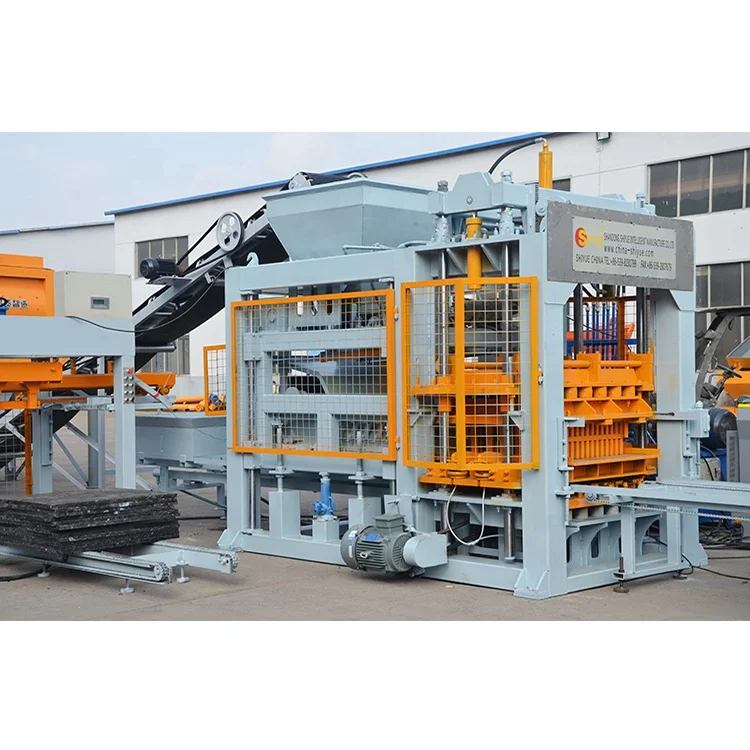
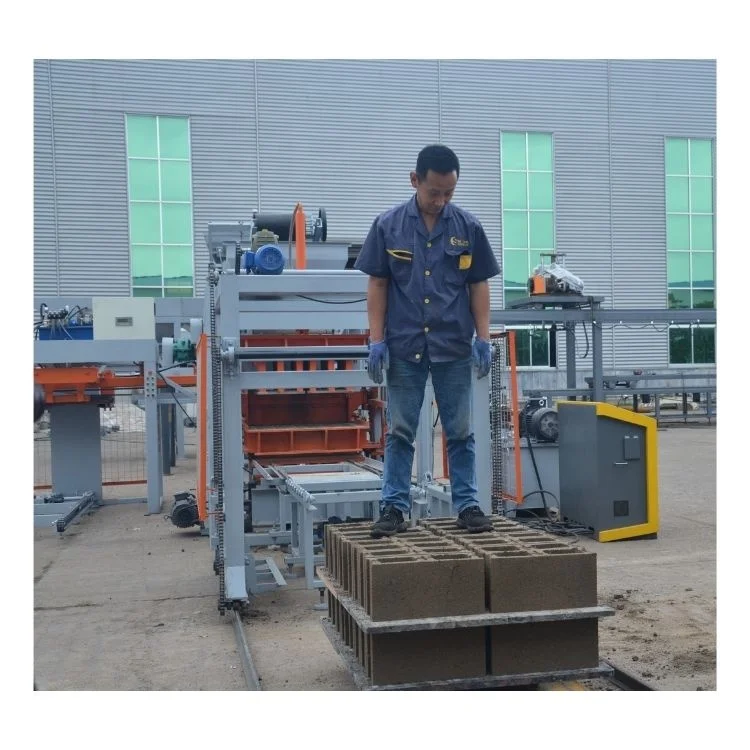 High quality block machine