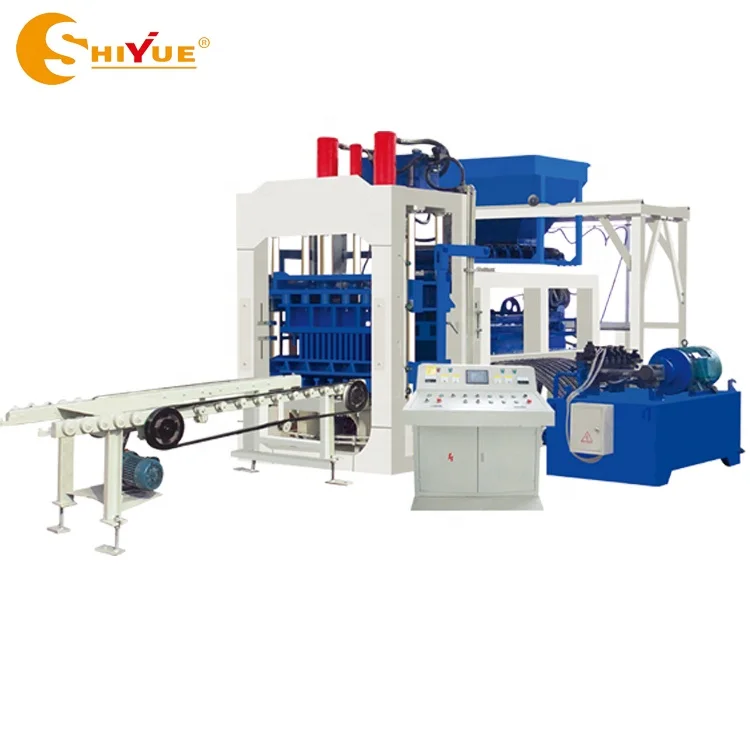
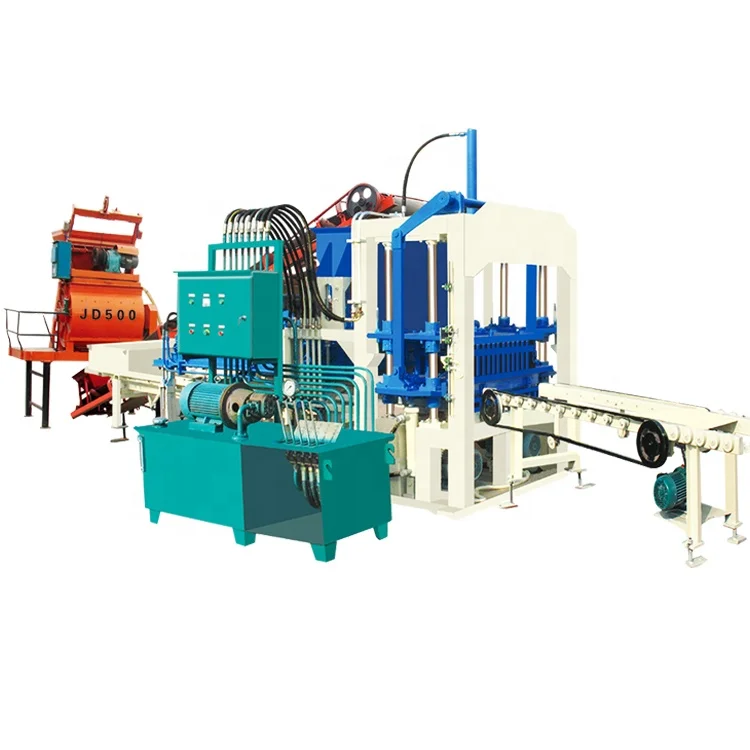
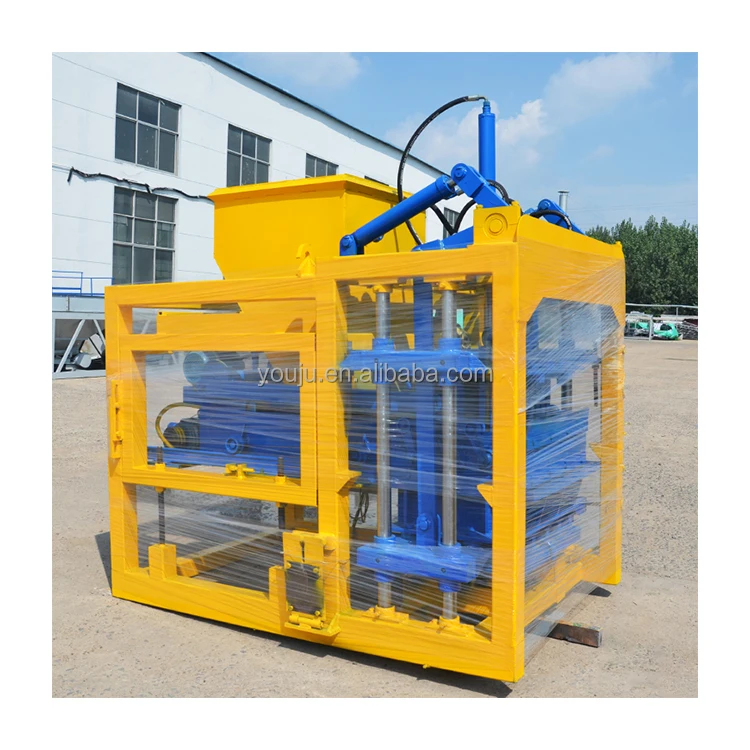
Configurable output tiers — the QT4-18 sits at the midpoint of our automatic range, with pallet size, hydraulic pressure, and automation level all selectable so a buyer knows exactly which tier they are entering before the quotation is issued.
Technical Specifications
| Parameter |
Value |
| Model |
QT4-18 |
| Product Type |
Automatic Concrete Block Making Machine |
| Overall Dimensions (L×W×H) |
2500×1750×2200 mm |
| Rated Hydraulic Pressure |
16 MPa |
| Vibration Form |
Platform Vibration |
| Pallet Size |
950×550 mm |
| Molding Cycle |
18–25 s (basis not stated in source — varies by block format) |
| Overall Power |
27.5 kW |
| Control System |
PLC with frequency converter (Schneider electrical components) |
| Mould Lifting Mechanism |
Double-sided synchronous gears |
| Automation Level |
Automatic (pallet feeding via hydro-cylinder, automatic demould, pallet recycle) |
| Mould Change Method |
Manual bolt release, upper and bottom mould conveyed via block conveyor |
| Material Feeder System |
Hopper, feeding box, feeding platform, conveyor system |
| Supporting Equipment Compatibility |
JQ500 concrete pan mixer, 8 m / 6 m belt conveyor, stacker, block clamper, cement silo, batching plant, trolley |
| Voltage & Frequency |
(basis not stated in source — confirm target market supply) |
| PLC Display Language |
(basis not stated in source — confirm operator language requirement) |
Application Suitability
| Application |
Material or Output |
| Hollow block production |
Crushed stone, sand, cement, fly ash |
| Solid block manufacturing |
Dense aggregate blends, quarry dust |
| Paving block and kerbstone |
Fine and coarse aggregate with pigment dosing |
| Interlocking brick |
Graded sand and cement with hydraulic compaction |
| Porous brick |
Lightweight aggregate, perlite, or expanded clay |
| On-site contractor production |
Local quarry material with mobile batching |
Why "Cycles per Hour" Tells You Less Than You Think
A molding cycle number means nothing without the block format attached to it.
I spent years on service calls across Latin America before moving into sales, and one job in Colombia stays with me. We shipped a QT4-18 automatic concrete block making machine to a plant that had ordered based on a brochure figure. Their local volcanic aggregate was far denser than the standard test mix used in the factory trial. Vibration force and hydraulic pressure were mismatched from day one. We spent two weeks on-site retuning every parameter before the blocks met the required strength. The machine was capable — the capacity claim simply had no context attached to it [NEED_CITE: aggregate density variation and its effect on block compaction in different geological regions].

Placing the QT4-18 on the Automatic Range
The QT4-18 occupies the mid-tier position among our automatic block machines. It is built for buyers who need more throughput than a semi-automatic workshop press but are not yet ready for a high-capacity line with fully automatic cubing and rack handling. The 950×550 mm pallet defines the ceiling of what this tier can produce in a single press stroke, and every mould we supply is designed around that boundary.
What Separates This Tier from the Next One Up
Stepping from the QT4-18 to a higher-capacity automatic line changes more than the press itself. Larger pallets demand bigger curing racks, heavier forklifts, and wider floor space for the block conveyor and stacker. The QT4-18 lets an automatic concrete block making machine manufacturer supply a complete entry-level automatic system — press, mixer, belt conveyor, and manual or semi-automatic stacking — without forcing the buyer to invest in infrastructure they cannot yet fill. A buyer can begin here and scale the supporting equipment as the market grows [NEED_CITE: typical plant layout progression from mid-tier to high-capacity block production].
Reading the Numbers That Actually Matter on Site
The 16 MPa rated hydraulic pressure and platform vibration work together to compact the mix. Pressure alone will not densify a dry mix; vibration alone will not hold a wet mix in the mould. Both must be matched to the local aggregate. The 18–25 second molding cycle range reflects this variability — a light porous brick completes faster than a dense kerbstone. The double-sided synchronous gear mould lifting keeps demould even across the pallet, reducing corner breakage. Schneider PLC components with a frequency converter allow the vibration intensity to be adjusted per format rather than running one setting for every block type.
The Cost Nobody Quotes Until the Machine Arrives
When a buyer focuses only on the press price, the gaps show up later. Pallet handling, stacking, and curing are sometimes excluded from the initial quotation, leaving finished blocks piled by hand at the end of the conveyor. A pallet size chosen without checking the curing area dimensions means the buyer orders new racks or, worse, the existing forklift cannot reach the top row. Voltage and frequency left unconfirmed delay commissioning by weeks when the local supply does not match the motor winding [NEED_CITE: industrial voltage and frequency standards across export markets].
Why Buyers Source This Tier Through Us
Block machinery is our single focus, so the QT4-18 is never quoted as a standalone press. We specify the machine, mould, pallet, and handling equipment as one matched system. Every configuration is set against the buyer’s actual mix design and local aggregate, not a catalogue default. Mould design covers the formats the buyer’s market actually sells, with custom drawings accepted. The automation level is selectable — a buyer can start with the QT4-18 in semi-automatic mode and add automatic pallet feeding and stacking as demand grows. Installation support includes operator training on the specific block formats the plant will produce.
Documentation & Verification
- Line layout drawing with capacity calculation per block format for the 950×550 mm pallet
- Machine specification sheet covering hydraulic pressure, vibration settings, and cycle range
- Mould drawing and format list showing every block type supported by this pallet size
- Voltage, frequency, and PLC display language confirmation signed off before production
- Factory test record on the buyer’s target block format before dispatch
- Packing photographs and customs documentation support for container loading
Installation, Commissioning & Support
- Foundation plan matched to the 2500×1750×2200 mm footprint and vibration isolation requirements
- Electrical circuit sizing for the 27.5 kW overall power draw at the confirmed voltage and frequency
- Machine dismantled for shipment and reassembled on-site with alignment checks on the synchronous gear lift
- First-run parameter tuning of hydraulic pressure and vibration force against the buyer’s local aggregate mix
- Operator training covering mould change procedure, PLC navigation, and daily maintenance checkpoints
- Wear parts list and mould maintenance schedule provided with recommended replacement intervals
What We Need Before We Can Quote
To position the QT4-18 correctly on your range, we need to know which block formats your market sells, the local aggregate you will crush, and the daily volume each format must deliver. Confirm your site voltage and frequency, the curing area dimensions, and whether you already have forklifts and racks on site. Tell us the language your operators read so the PLC display is set before the machine leaves the factory.
Frequently Asked Questions
Q: How does the QT4-18 compare to semi-automatic and higher-capacity automatic lines?
A: The QT4-18 is the midpoint of our automatic range. It offers more output than a semi-automatic press through automatic pallet feeding and demould, but requires less curing infrastructure and floor space than a high-capacity line with full cubing and rack handling. It gives first-time automatic buyers a practical entry point.
Q: What block formats fit the 950×550 mm pallet, and how does output vary?
A: This pallet supports hollow blocks, solid blocks, paving blocks, kerbstones, interlocking bricks, and porous bricks. The molding cycle ranges from 18 to 25 seconds depending on the format and mix density, so realistic daily output must be calculated per specific block type rather than quoted as a single number.
Q: What plant footprint and investment level should I plan for?
A: The press itself measures 2500×1750×2200 mm, but the full line including mixer, belt conveyor, and curing area requires considerably more space. Investment at this tier covers the press, mould, and basic handling equipment, leaving room to add automation later as production volume justifies the additional infrastructure.
Q: Can I start with the QT4-18 and add automation later?
A: Yes. The automation level is selectable. A buyer can begin with manual pallet handling and upgrade to automatic stacking and cubing as demand grows. The PLC system with frequency converter supports additional stations without replacing the core control hardware.
Q: What electrical details must be confirmed before shipment?
A: Voltage, frequency, and PLC display language must all be agreed before production begins. These affect motor winding, component selection, and the operator interface. Confirming them upfront prevents commissioning delays when the machine arrives at your site.

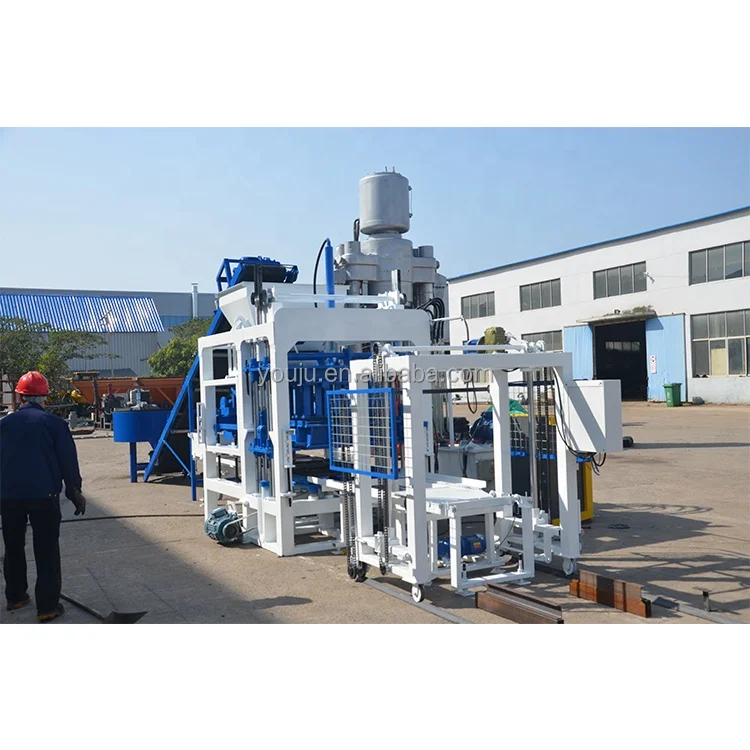
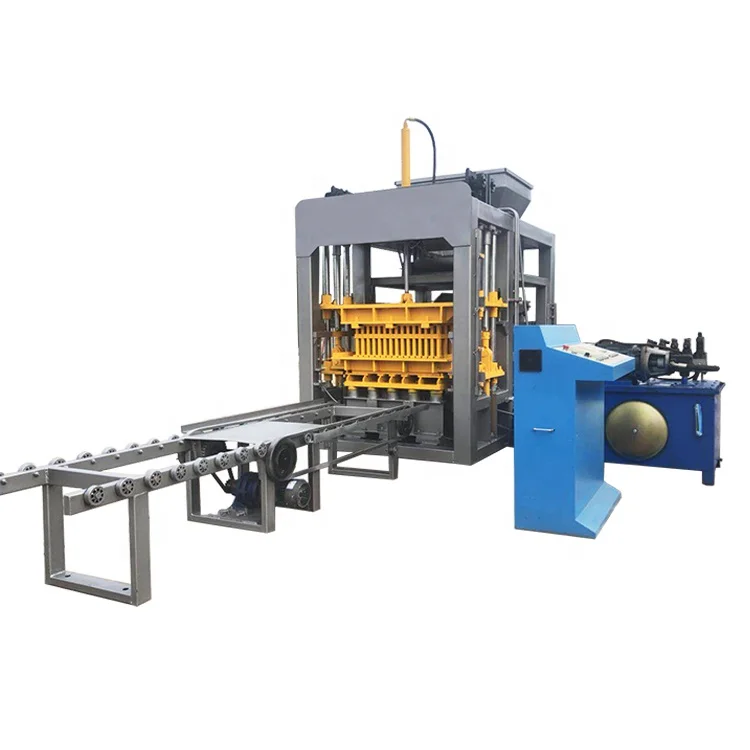 Automatic block machine