QT4-15 Hydraulic Solid Block Making Machine | Full Range
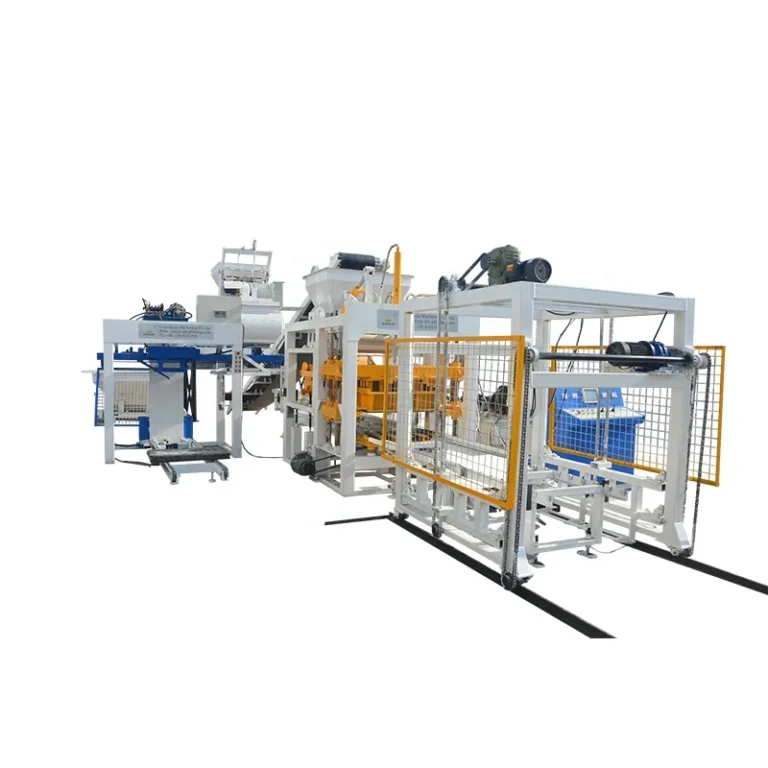
Matched System Design — The QT4-15 hydraulic block making machine manufacturer configures the press, mould, pallet, and handling equipment as one integrated line rather than assembling components from separate suppliers.
Technical Specifications
| Parameter |
Value |
| Model |
QT4-15 |
| Product Type |
Hydraulic Block Making Machine |
| Molding Cycle |
15-30s |
| Pallet Size |
900×500mm |
| Vibration System |
Platform vibration, 50-70Hz |
| Product Height Range |
50-220mm |
| Overall Power |
24.5kW |
| Demolding Method |
Hydraulic |
| Control System |
PLC controlled |
| Automation Level |
Automatic (pallet feeding, material feeding, vibrating, demoulding) |
| Raw Materials |
Fly ash, slag, gangue, sand, water, crushed stone, cement |
| Block Compressive Strength |
More than 15 MPa (basis not stated in source) |
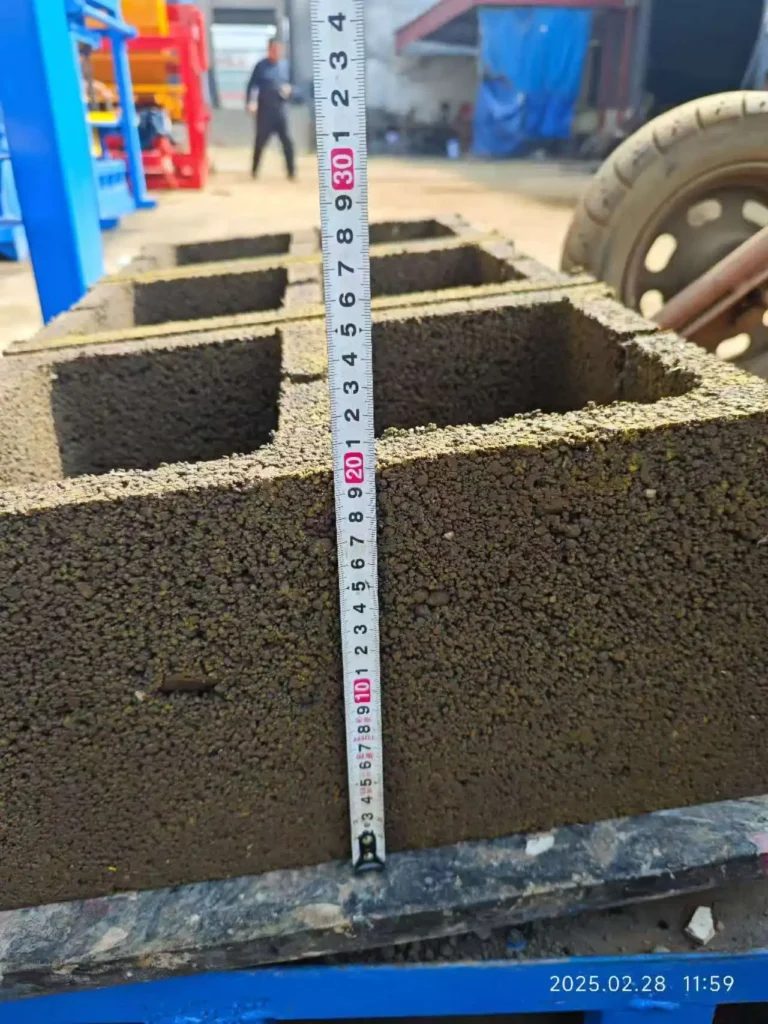
| Output: Hollow Block 400×200×200mm |
4 pcs/mould, 900-1200 pcs/hour, 7200-9600 pcs/8hr (basis: 15-20s molding cycle) |
| Output: Hollow Block 400×150×200mm |
5 pcs/mould, 1080-1440 pcs/hour, 8640-11520 pcs/8hr (basis: 15-20s molding cycle) |
| Output: Hollow Block 400×100×200mm |
8 pcs/mould, 1440-1920 pcs/hour, 11520-15360 pcs/8hr (basis: 15-20s molding cycle) |
| Output: Paver 200×100×60mm |
16 pcs/mould, 2880-3840 pcs/hour, 23040-30720 pcs/8hr (basis: 15-20s molding cycle) |
| Output: Solid Brick 240×115×53mm |
28 pcs/mould, 5930-6720 pcs/hour, 47400-53760 pcs/8hr (basis: 15-20s molding cycle) |
Application Suitability
| Application |
Material or Output |
| Building wall construction |
Hollow blocks from crushed stone, sand, cement, and fly ash |
| Road and walkway paving |
Paver bricks from high-density concrete mixes |
| Masonry and structural work |
Solid bricks from sand, slag, and cement blends |
| Industrial residue utilization |
Blocks incorporating fly ash, slag, or coal gangue |
Why the Block Format Decides What "Capacity" Really Means
A cycle time means nothing without the block size attached to it.
Buyers often receive quotations listing cycles per hour, then watch actual daily output fall well short once production begins. The gap is not a machine defect — it is a quoting convention that leaves the block format out of the calculation. I once supplied a mid-range hydraulic press to a Middle East contractor who expected the quoted shift output to hold across all formats. When local sand with high clay content extended the molding cycle, actual production dropped noticeably, and the acceptance test stalled [NEED_CITE: block compressive strength testing standards by region]. Every output figure for the QT4-15 hydraulic block making machine manufacturer range is stated per specific block dimension and cycle range so buyers know what to expect before the line arrives.

Where the QT4-15 Sits in the Full Machine Range
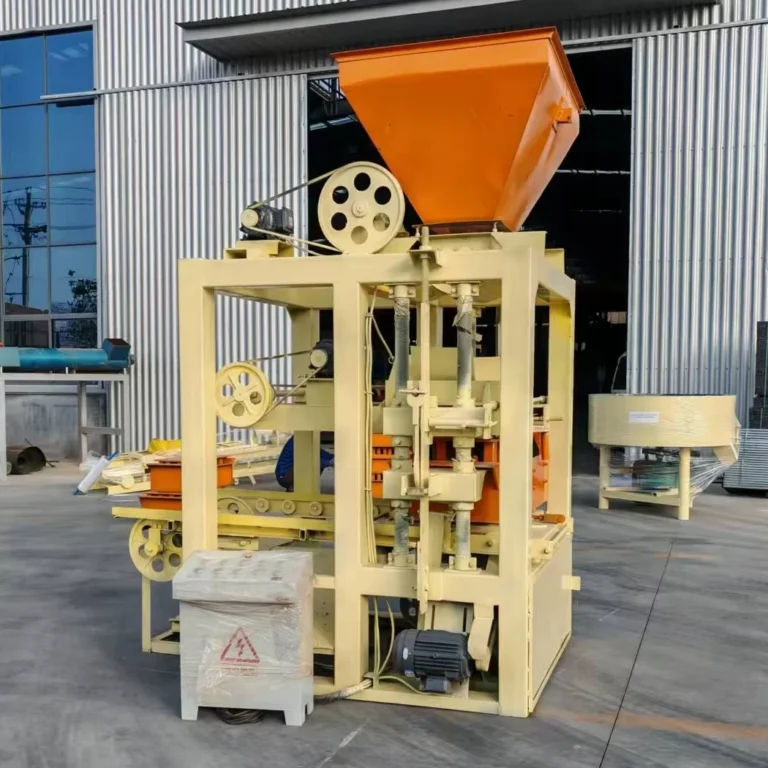
The block machine lineup spans from small workshop models to high-capacity fully automatic lines. The QT4-15 occupies the mid-range tier, designed for buyers moving beyond manual or egg-laying machines into stationary, PLC-controlled production. It suits first-time block plant entrepreneurs who need factory-level output without the investment of a high-capacity automatic system, as well as existing small-scale producers replacing aging equipment.
Choosing the Right Tier Before Narrowing Down Specs
Before discussing mould options or automation add-ons, the decision starts with which tier matches the buyer’s daily volume and plant footprint. A semi-automatic model serves a lower investment and smaller curing area. The QT4-15 hydraulic block making machine manufacturer positions this model for buyers who have outgrown semi-automatic output but do not yet require the conveyor and cubing systems of a high-capacity line [NEED_CITE: concrete block plant layout standards for medium-scale operations].
Reading the Specs That Matter on the Shop Floor
Platform vibration frequency between 50-70Hz works alongside hydraulic demolding pressure to determine block density and surface finish. Vibration alone cannot compact a stiff mix; hydraulic pressure applied during and after vibration locks the aggregate into position. The 900×500mm pallet size defines how many blocks form per cycle — four pieces of 400×200×200mm hollow blocks or twenty-eight pieces of 240×115×53mm solid bricks. Pallet dimensions also dictate the curing rack spacing and forklift capacity the buyer must already have on site. A 24.5kW overall power rating indicates the electrical supply needed, and voltage plus frequency must match the destination country before the control cabinet is wired. Product height range of 50-220mm covers standard wall blocks through thicker pavers without requiring a different press frame.
The Cost of Skipping the Raw Material Conversation
Quoting a machine based on catalogue defaults rather than the buyer’s actual aggregate and mix design leads to problems that surface only after commissioning. High clay content in local sand extends the molding cycle and reduces block strength. If the vibration force and hydraulic pressure are not matched to the specific mix, blocks crack during curing or fail compressive tests. Mould wear accelerates when the aggregate is harder than anticipated, and replacement parts are not on hand when needed [NEED_CITE: effect of aggregate gradation on concrete block strength].
Why Sourcing the Full Line from One Supplier Matters
Block machinery is the single focus here, so the press, moulds, pallets, and handling equipment are specified as a matched system. Configuration is set against the buyer’s actual mix design and local aggregate, not a catalogue default. Mould design covers the formats the buyer’s market demands, with custom drawings available. Automation level is selectable — a buyer can start with the QT4-15 hydraulic block making machine manufacturer standard automatic cycle and add stacking or cubing later. Installation support includes operator training so the crew understands mould change procedures and daily maintenance from the first shift [NEED_CITE: PLC control language options for industrial block machines].
Documentation & Verification
- Line layout with capacity calculation stated per block format and molding cycle
- Machine specification sheet confirming pallet size, power rating, and product height range
- Mould drawing and format list showing included and optional block formats
- Voltage, frequency, and PLC display language confirmed before production starts
- Factory test record on buyer’s target block format before dispatch
- Operation and maintenance manual with wear parts and mould replacement schedule
Installation, Commissioning & Support
- Foundation plan sized to the QT4-15 footprint and 24.5kW power requirement
- Dedicated electrical circuit matching confirmed voltage and frequency before cabinet wiring
- Machine arrives assembled with vibration platform; pallet feeder and mixer positioned during commissioning
- First-run parameter setting calibrated to buyer’s raw material sample and target block format
- Operator training covering PLC interface, mould change procedure, and daily vibration platform inspection
- Wear parts list and mould inventory provided with reorder lead times noted
What to Include in a First Inquiry
To size the QT4-15 correctly within the range, send the target block formats you plan to sell, the daily output you need per format, and your local raw material source with a sieve analysis if available. Include your site voltage and frequency, the PLC display language your operators require, and the curing area dimensions you have planned.
Frequently Asked Questions
Q: How is capacity verified per block format for the QT4-15?
A: Each output figure is tied to a specific block dimension and a 15-20 second molding cycle. For example, 400×200×200mm hollow blocks yield 900-1200 pieces per hour, while 200×100×60mm pavers produce 2880-3840 pieces per hour. The capacity calculation sheet provided with the quotation states the assumed format and cycle for every line item.
Q: When should a buyer choose the QT4-15 over a smaller or larger model?
A: The QT4-15 suits buyers who have outgrown semi-automatic or mobile machines and need PLC-controlled stationary production at a mid-range investment. If daily volume demands exceed this tier, a larger automatic line with integrated stacking and cubing becomes appropriate. If output requirements are lower, a semi-automatic model reduces both cost and plant footprint.
Q: What voltage and PLC language options are available?
A: Voltage and frequency are configured to match the destination country’s electrical standard before the control cabinet is assembled. PLC display language is confirmed during the quotation stage so operators can read prompts and alarms in their working language upon commissioning.
Q: How does mould change time affect real daily output?
A: Switching between block formats requires a mould change on the QT4-15 press. If a plant runs multiple formats in one shift, the time spent on each change reduces the hours available for production. The quotation states the included moulds and notes which additional formats require separate mould purchases.
Q: What supporting equipment completes the line around the press?
A: A complete line includes raw material feeding and mixing, pallet feeding into the press, and handling equipment for moving cured blocks to the stacking area. The QT4-15 coordinates pallet feeding, material feeding, vibration, and hydraulic demolding automatically, but upstream mixing and downstream stacking must be sized to match the press cycle.

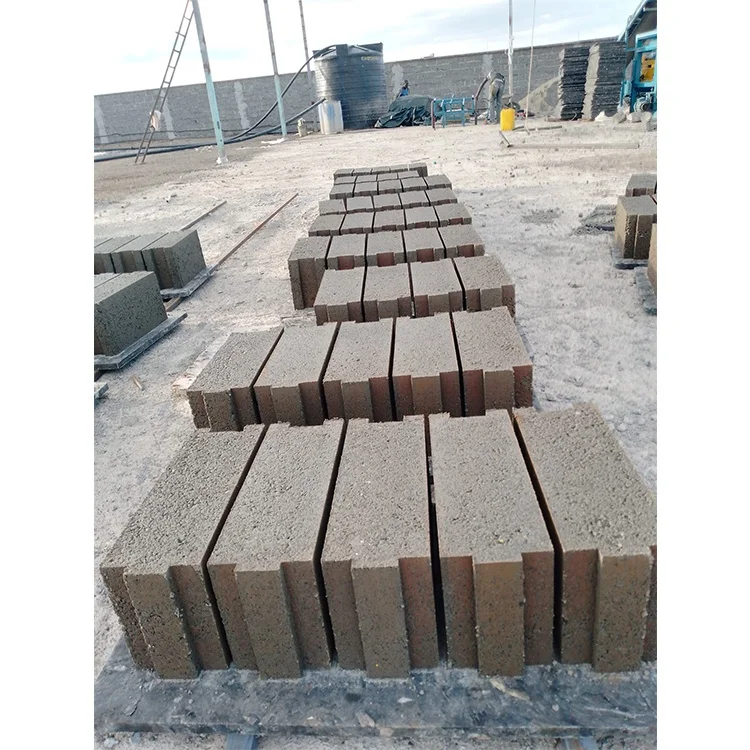
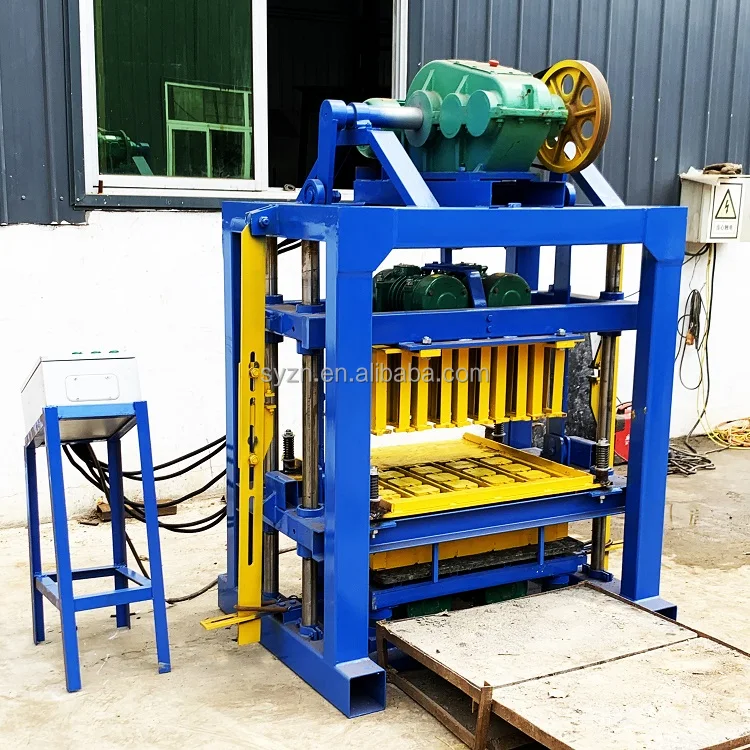 Stationary block machine