Technical Specifications
| Parameter |
Value |
| Model |
QT4-15 |
| Product Type |
Hydraulic Block Making Machine |
| Molding Cycle |
15-30 seconds (basis not stated in source — confirm block format / material / thickness) |
| Pallet Size |
900 x 500 mm |
| Vibration Type |
Platform vibration |
| Vibration Frequency |
50-70 Hz |
| Product Height Range |
50-220 mm |
| Overall Power |
24.5 kW |
| Demolding Method |
Hydraulic |
| Control System |
PLC |
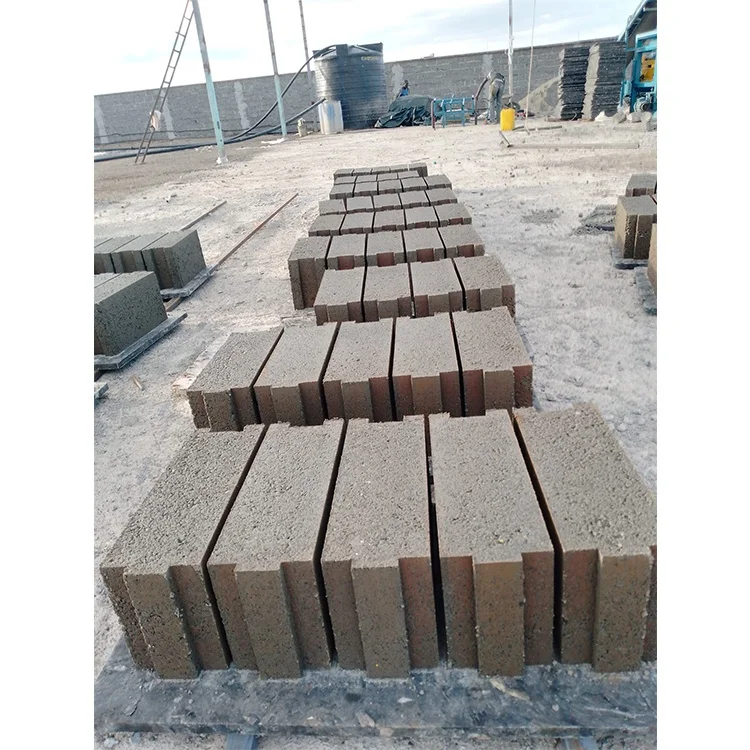
| Output (Hollow 400x200x200mm) |
900-1200 pcs/hour |
| Output (Hollow 400x150x200mm) |
1080-1440 pcs/hour |
| Output (Hollow 400x100x200mm) |
1440-1920 pcs/hour |
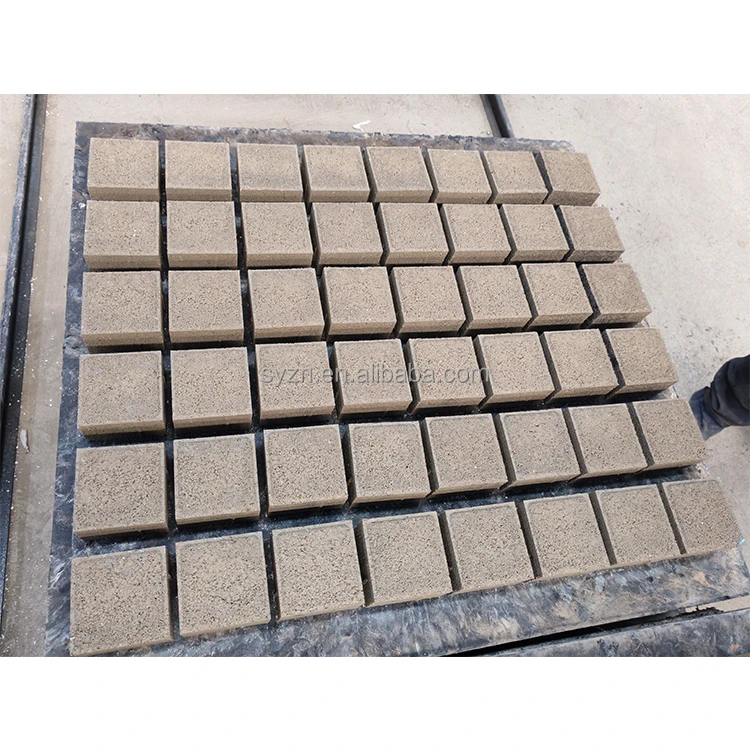
| Output (Paver 200x100x60mm) |
2880-3840 pcs/hour |
| Output (Solid Brick 240x115x53mm) |
5930-6720 pcs/hour |
| Block Compressive Strength |
>15 MPa |
| Raw Materials |
Fly ash, slag, gangue, sand, crushed stone, cement, water |
Application Suitability
| Application |
Material or Output |
| Hollow Block Production |
Multiple cavity formats using crushed stone, fly ash, and cement |
| Solid Brick Production |
Standard 240x115x53mm bricks using industrial residue and sand |
| Paving Block Production |
200x100x60mm pavers for infrastructure and landscaping |
| Small to Medium Plants |
Fixed-plant concrete product manufacturing scaling from workshop volume |
| On-site Manufacturing |
Localized production for housing or infrastructure projects |
The Capacity Numbers Behind the "15-Second Cycle"
We calculate daily output based on the specific block format you intend to sell, not a theoretical maximum.
Many buyers discover that the "cycles per hour" figure on a quotation rarely matches the daily tally on the production floor. A hydraulic block making machine manufacturer often quotes the fastest possible cycle—usually for a thin paver or a small solid brick—while the buyer’s primary market demand is for large hollow blocks. With the QT4-15, the molding cycle ranges from 15 to 30 seconds, but the actual time depends entirely on the thickness and density required for your specific aggregate mix [NEED_CITE: impact of aggregate moisture on vibration cycle times]. If you are producing 400x200x200mm hollow blocks, your output will naturally sit at the lower end of the capacity spectrum compared to producing 60mm pavers.
Positioning the QT4-15 in the Stationary Range
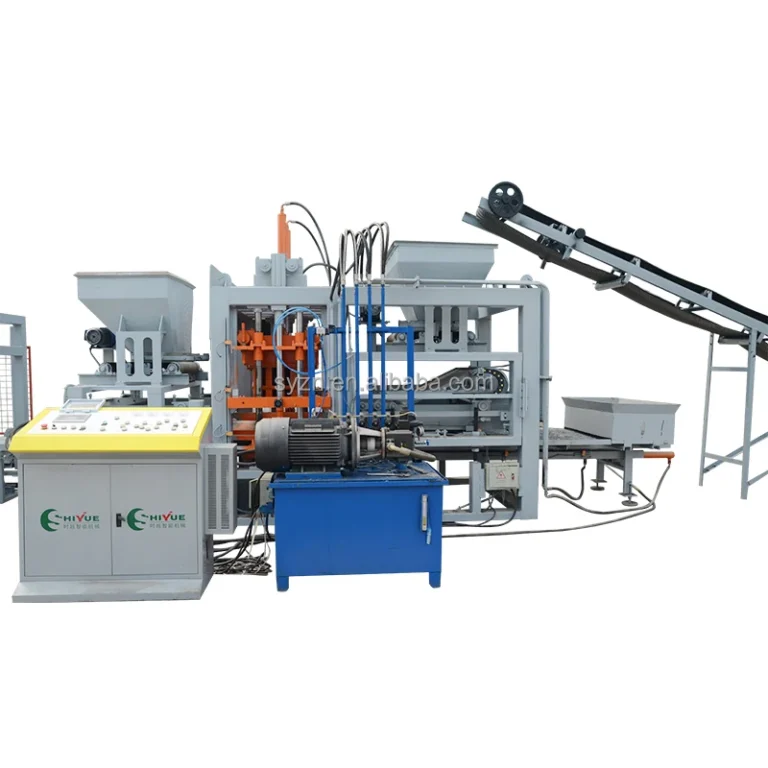
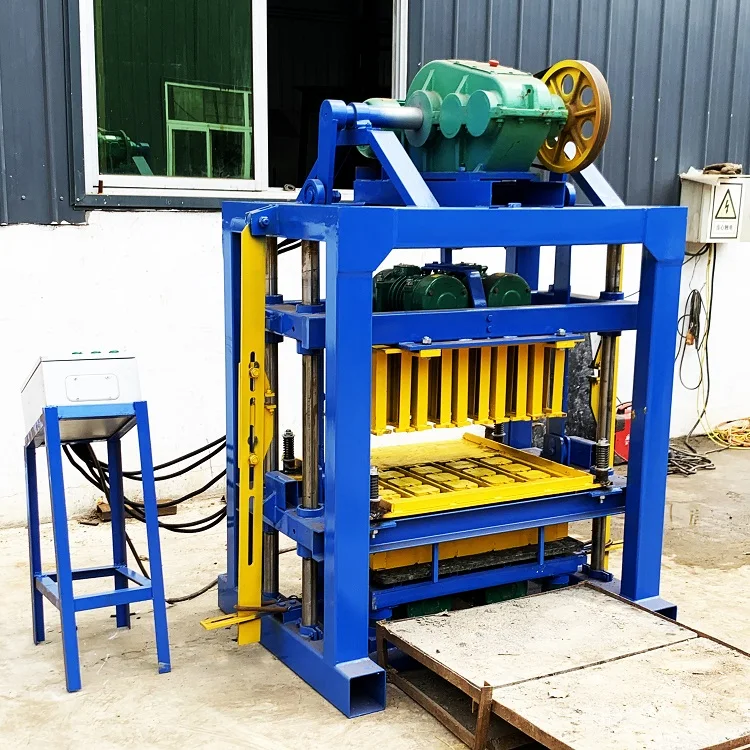
This model serves as the bridge between entry-level manual operations and high-volume automatic lines. As a Hydraulic Block Making Machine manufacturer, we position the QT4-15 for buyers who need the consistency of PLC control and hydraulic pressure but do not yet require the footprint of a massive cubing system. It provides a stable platform for entrepreneurs moving from mobile egg-laying machines to a fixed plant setup.
Matching the Machine to Your Site Footprint
The decision to step up to this tier is usually driven by the need for format flexibility. While smaller machines might handle one block type efficiently, the QT4-15 allows for mould changes across hollow, solid, and paving formats without requiring a different press. This versatility is essential for plants that supply multiple segments of the local construction market [NEED_CITE: concrete product market segmentation trends].

The Role of Vibration and Hydraulic Pressure
In stationary block production, compressive strength is a function of how well the vibration and hydraulic pressure are synchronized. The QT4-15 utilizes platform vibration at 50-70 Hz, which must be matched to the hydraulic pressure to ensure the concrete mix is compacted to a density exceeding 15 MPa. If the vibration frequency is too high for a coarse aggregate mix, the material will segregate; if too low, the block will lack structural integrity. The 900x500mm pallet size is a critical dimension here, as it determines the surface area over which this force is distributed and must align with your existing curing racks and forklifts.
The Cost of Ignoring Local Aggregates
A common failure point occurs when a machine is configured for a standard sand mix, but the buyer’s local source is high in clay or mud content. This material dampens the vibration force, leading to blocks that crumble before they even reach the curing area. We have seen projects stall because the hydraulic pressure was not adjusted to compensate for the specific friction of local industrial residues like fly ash or slag [NEED_CITE: effect of fly ash carbon content on block strength].
Why Source This Range Through Us
We focus exclusively on block machinery, meaning the QT4-15 is not sold as a standalone press but as a matched system including pallets and handling. Our configuration process begins with your raw material samples to ensure the vibration force is calibrated correctly. We provide a layout that accounts for the specific pallet size and the cycle times of every format you plan to produce, ensuring the press is never left waiting for the mixer or the stacker.
Documentation & Verification
- Line layout showing capacity calculations per block format.
- Factory test record using your specific raw material samples.
- Mould drawings and format list for all requested block types.
- Voltage and PLC language confirmation sheet signed before production.
- Hydraulic and electrical schematics for local maintenance teams.
Installation, Commissioning & Support
- Foundation plan based on the 24.5 kW power draw and vibration load.
- On-site assembly of the hydraulic manifold and vibration platform.
- Calibration of cycle times based on your local aggregate moisture.
- Operator training focused on PLC fault codes and mould change procedures.
- Provision of hydraulic seals and vibration motor spare parts.
Next Steps for Selection
To determine if the QT4-15 is the correct tier for your investment, we need to know your target daily output per block format and the specific dimensions of the blocks your market requires. Please provide the results of any local aggregate tests and your available workshop dimensions so we can map the pallet flow.
Frequently Asked Questions
Q: Where does the QT4-15 sit in your full stationary range?
A: The QT4-15 is a mid-tier model. It sits above semi-automatic presses that require manual pallet handling and below the high-capacity lines that include automatic cubing and rack handling. It is designed for buyers who need PLC-controlled consistency and hydraulic pressure but are managing a mid-sized plant footprint.
Q: How do you calculate the capacity for different block sizes?
A: We do not use a single headline number. Capacity is calculated based on the cycle time for each specific mould. For example, a 400x200x200mm hollow block requires a different vibration duration and demolding stroke than a 60mm paver, resulting in different hourly totals for each format.
Q: Can the automation level of this machine be changed later?
A: The QT4-15 features a PLC-controlled automatic cycle, which handles the core pressing and demolding. While the press itself is automatic, the surrounding line—such as pallet feeding and stacking—can be configured with manual or semi-automatic stations initially and upgraded as your production volume grows.
Q: What pallet size does the QT4-15 use and why does it matter?
A: This model uses a 900x500mm pallet. This dimension is significant because it must match your curing racks and the fork spacing of your forklifts. Using a non-standard pallet size can lead to costly replacements and inefficiencies in the curing yard.
Q: What information do you need to recommend the right machine?
A: We require your target block formats, the local raw materials available (including samples), and your site dimensions. This allows us to verify that the vibration force and hydraulic pressure can be matched to your aggregate to achieve the required block strength.

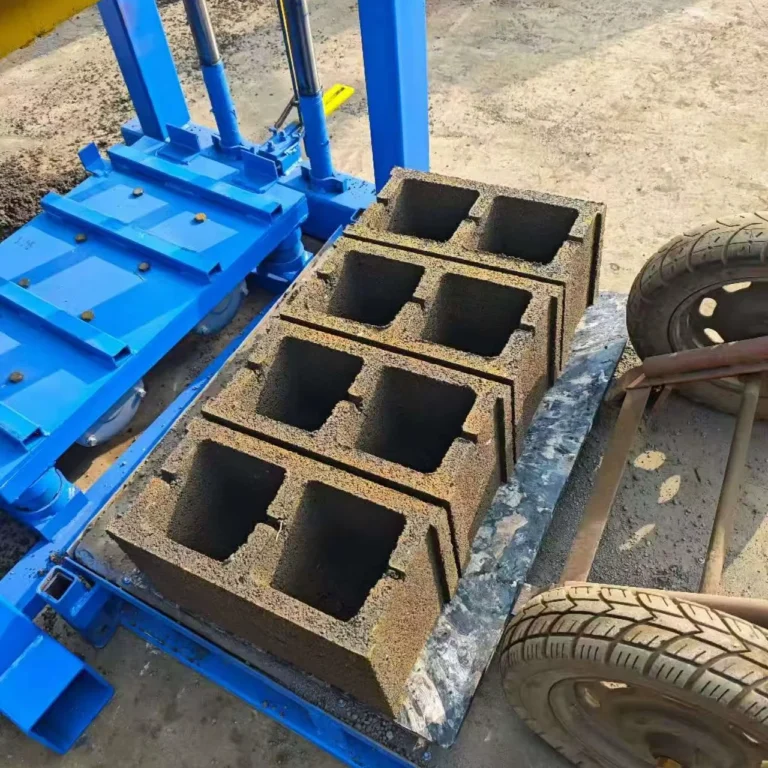 Stationary block machine