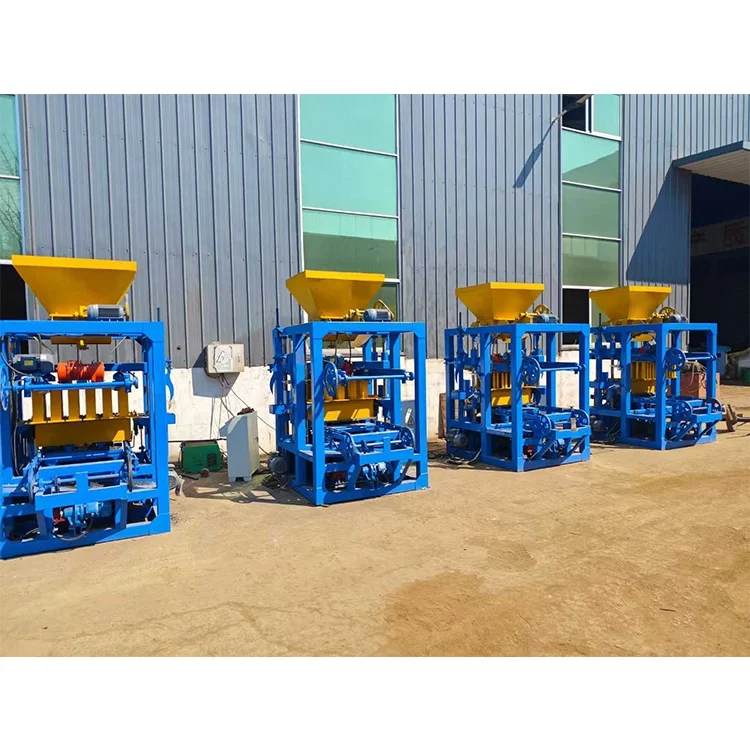
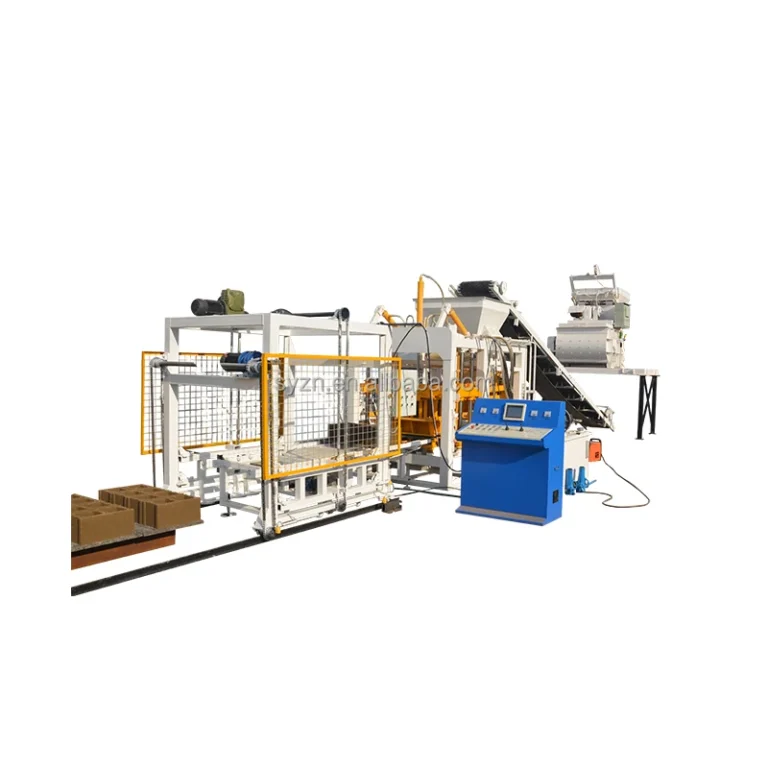
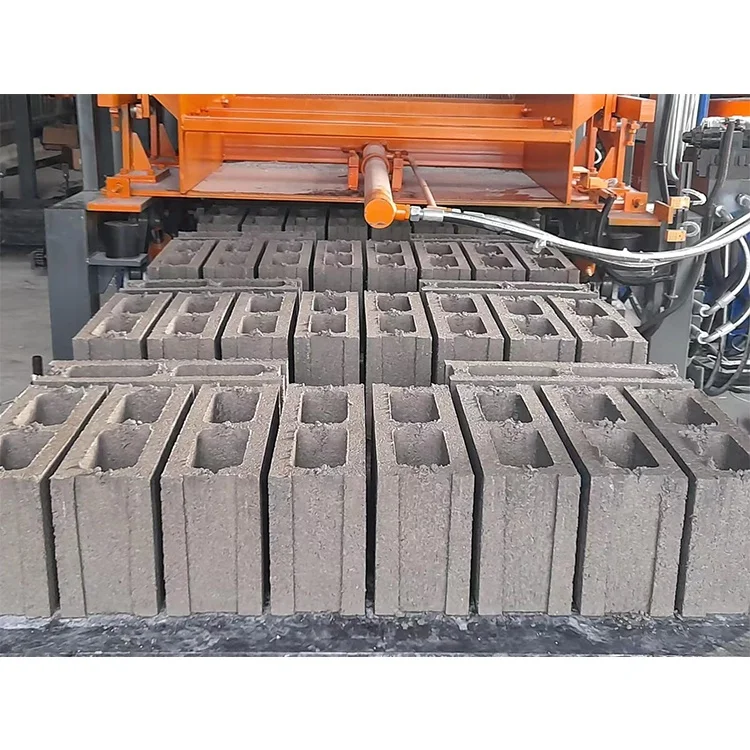
Matched System Configuration — The QT12-15 is specified alongside its mould, pallet, and handling equipment as one integrated block production line, not a standalone press assembled from separate suppliers.
Technical Specifications
| Parameter |
Value |
| Model |
QT12-15 |
| Product Type |
Hydraulic Concrete Block Making Machine |
| Total Installed Power |
62 kW |
| Pallet Size |
1300×900 mm |
| Vibration System |
Table vibration |
| Vibration Force |
120 kN (source value — verify against manufacturer catalog) |
| Moulding Cycle |
15–30 seconds (basis not stated in source — confirm block format / material / thickness) |
| Voltage |
Customized according to local industrial voltage |
| Mould Compatibility |
Customized to buyer’s block format drawings |
| Control System |
Configurable (PLC or relay logic options available) |
| Automation Level |
Selectable from semi-automatic to fully automatic lines |
| Certification |
CE declaration available where applicable |
Application Suitability
| Application |
Material or Output |
| Hollow block production |
Crushed stone, sand, cement, and fly ash blends |
| Solid block production |
Dense aggregate mixes for load-bearing walls |
| Paving block production |
High-strength concrete with fine aggregate finishes |
| Porous brick production |
Permeable concrete mixes for drainage applications |
| Slope protection brick production |
Interlocking shapes from standard concrete mixes |
| Wall block production in custom shapes |
Varied aggregates depending on mould design and structural requirement |
What "Cycles Per Hour" Leaves Out for the QT12-15 Hydraulic Block Making Machine Manufacturer
A cycle time figure means nothing without the block format it was measured against.
Most quotations list an impressive hourly cycle count but never state whether that number assumes a standard hollow block, a thin paver, or a tall kerbstone. I once visited a plant in West Africa running a high-capacity press where the daily output was barely half the quoted figure because the supplier had based capacity on a 400×200×200 mm hollow block, while the buyer’s market demanded a completely different format with a longer compaction phase [NEED_CITE: capacity calculation methods for concrete block machines]. When selecting a QT12-15 hydraulic block making machine manufacturer, the first document you should request is a capacity breakdown per format, not a single headline number. The moulding cycle of 15–30 seconds listed for this model covers a range — where your specific block falls within that range depends entirely on its geometry, thickness, and your local aggregate characteristics.

Where the QT12-15 Sits in the Full Machine Range
The QT12-15 occupies the high-capacity tier of the block machine lineup, positioned above semi-automatic models intended for smaller plants and mobile egg-laying machines used for on-site production without a fixed facility. Buyers surveying their options typically land on this model when daily volume requirements outstrip what a mid-range press can deliver, or when the product mix includes formats that demand consistent hydraulic pressure and vibration force across long production runs. A first-time plant entrepreneur may start with a semi-automatic configuration on this chassis and add pallet feeding and stacking automation later as demand grows.
Automation Tiers and Line Footprint
The QT12-15 hydraulic block making machine manufacturer offers this model across multiple automation levels, from manual pallet handling where operators move boards between the press and curing area, through to fully automatic stacking and cubing systems that reduce labour at the output end. The choice of automation directly affects the plant footprint: a semi-automatic layout requires less floor space but more personnel, while a fully automatic line demands a larger curing rack area and a pallet return circuit that matches the press cycle so the machine is never left waiting [NEED_CITE: block plant automation levels and labour requirements]. Pallet size at 1300×900 mm must be confirmed against the buyer’s existing forklift capacity and curing yard dimensions before the order is finalized.
Reading the Specs: What the Numbers Actually Mean
The 62 kW total installed power indicates a press with substantial hydraulic and vibration capacity, necessary for compacting dense mixes into high-strength pavers and load-bearing blocks. Table vibration at a rated force delivers energy directly through the mould base, which works well for formats requiring uniform density across a large pallet area. The 15–30 second moulding cycle range reflects the difference between a simple solid block and a complex interlocking paver — the latter requires longer vibration and compaction phases to fill detailed mould cavities. Voltage is customized to local industrial supply before production begins, preventing the commissioning delays that occur when a machine arrives wired for a frequency that does not match the local grid [NEED_CITE: industrial voltage and frequency standards by region]. The 1300×900 mm pallet size determines the maximum block array per cycle, meaning a buyer producing smaller blocks will achieve higher per-cycle output than one running large kerbstones that nearly fill the pallet surface.
The Hidden Cost of a Misconfigured Line
A buyer who selects a QT12-15 without confirming the pallet specification against their curing infrastructure may find that standard forklifts cannot handle the loaded boards, forcing a separate equipment purchase before the first block is produced. Similarly, specifying a mould set without discussing local aggregate availability can result in a mix design the machine was not tuned for, leading to inconsistent block strength and surface finish [NEED_CITE: effect of aggregate properties on concrete block quality]. Mould change time is another frequently overlooked factor — a press rated for format flexibility delivers no actual flexibility if switching moulds consumes most of a shift, negating the production hours the buyer expected to recover.
Why Source This Machine Here
Block machinery is the sole focus of this operation, which means the QT12-15 is never sold as a standalone press but always as part of a matched system where the mould, pallet, and handling equipment are specified together. Machine configuration is set against the buyer’s actual mix design and local aggregate rather than a catalogue default, reducing the risk of commissioning failures caused by material mismatch. Custom mould design is available to buyer drawings, so the formats produced match what the local market actually purchases. Automation level is selectable and upgradeable, allowing a buyer to start with semi-automatic operation and add pallet feeding or stacking systems as production volume justifies the investment. Documentation includes a line layout with capacity calculations stated per block format, removing the guesswork that typically surrounds output claims.
Documentation & Verification
- Line layout and capacity calculation stating the exact block format assumed for each output figure
- Machine specification sheet with voltage, frequency, and control language confirmed before production
- Mould drawing and format list provided for buyer approval prior to fabrication
- Factory test record demonstrating cycle time and block quality against the buyer’s specified mix
- Packing photographs and customs documentation support for export shipment
Installation, Commissioning & Support
- Foundation plan prepared for the 62 kW total power requirement and vibration load distribution
- Electrical supply confirmed to match customized voltage and frequency before machine dispatch
- Machine dismantled into container-load sections with reassembly guidance provided on site
- First-run commissioning with vibration force and hydraulic pressure adjusted to buyer’s actual mix design
- Operator training covering mould change procedure, daily maintenance, and PLC interface navigation
- Wear parts and mould list supplied with recommended replacement intervals for the 1300×900 mm pallet format
What We Need to Quote Accurately
To configure the QT12-15 correctly for your operation, provide the target block format with dimensions, required daily output per format, and details of locally available raw materials including aggregate type and moisture content. Confirm the local industrial voltage, frequency, and preferred control display language so the electrical and control systems are built to specification before dispatch.
Frequently Asked Questions
Q: How is the QT12-15’s output capacity calculated, and which block format is assumed?
A: Output capacity is calculated per block format, not as a single headline figure. The 15–30 second moulding cycle range covers different formats, and the actual cycle time for your specific block depends on its dimensions, thickness, and material composition. A capacity document stating the exact format assumed for each output figure is provided with every quotation.
Q: Where does the QT12-15 sit in the range compared to semi-automatic and mobile options?
A: The QT12-15 occupies the high-capacity tier, above semi-automatic models designed for smaller plants and mobile egg-laying machines used without a fixed facility. It suits buyers whose daily volume exceeds mid-range press capability or who need consistent compaction across long runs of pavers and structural blocks.
Q: What voltage, frequency, and control language options are confirmed before shipment?
A: Voltage and frequency are customized to match the buyer’s local industrial supply, confirmed before production begins. PLC display language is specified at the order stage to prevent commissioning delays. This ensures the machine can be powered up and operated immediately upon arrival.
Q: How long does a mould change take on this model, and what formats can it produce?
A: Mould change time depends on the clamping system configuration and mould weight, and is confirmed during the specification phase. The QT12-15 supports hollow blocks, solid blocks, pavers, porous bricks, slope protection bricks, and custom shapes designed to buyer drawings.
Q: What automation level options are available for the QT12-15?
A: Automation ranges from semi-automatic operation with manual pallet handling through to fully automatic lines with pallet feeding, stacking, and cubing. Buyers can start at a lower automation level and upgrade as production volume grows, with the machine chassis remaining the same across all tiers.

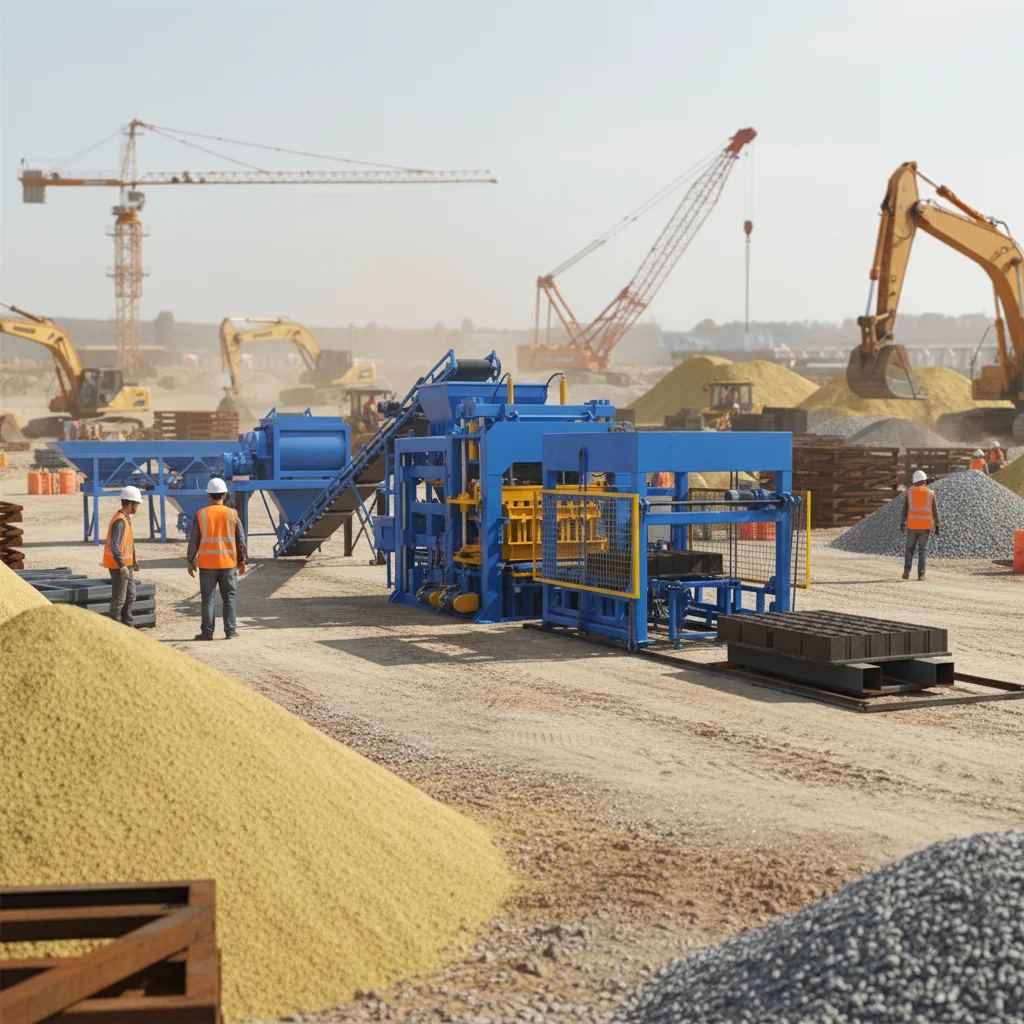
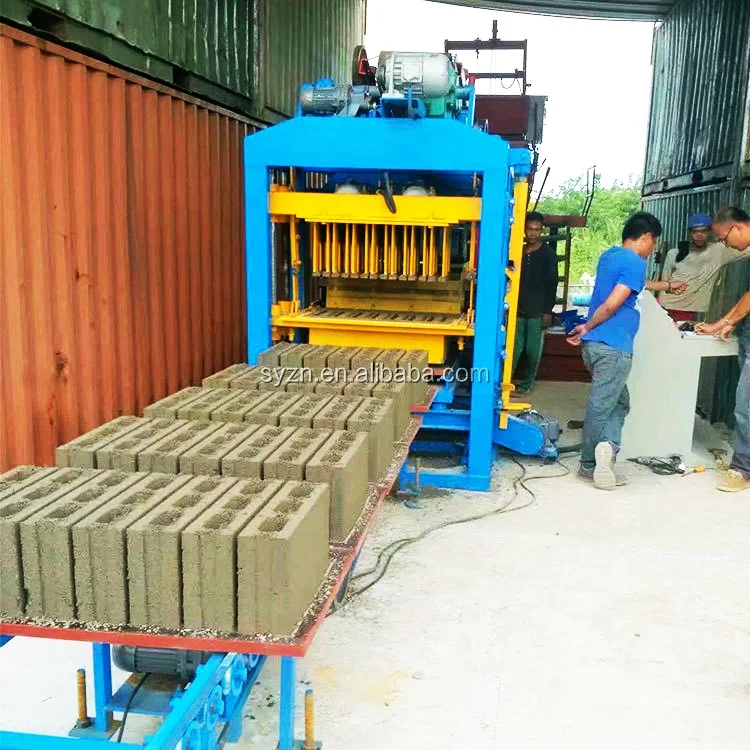 High quality block machine