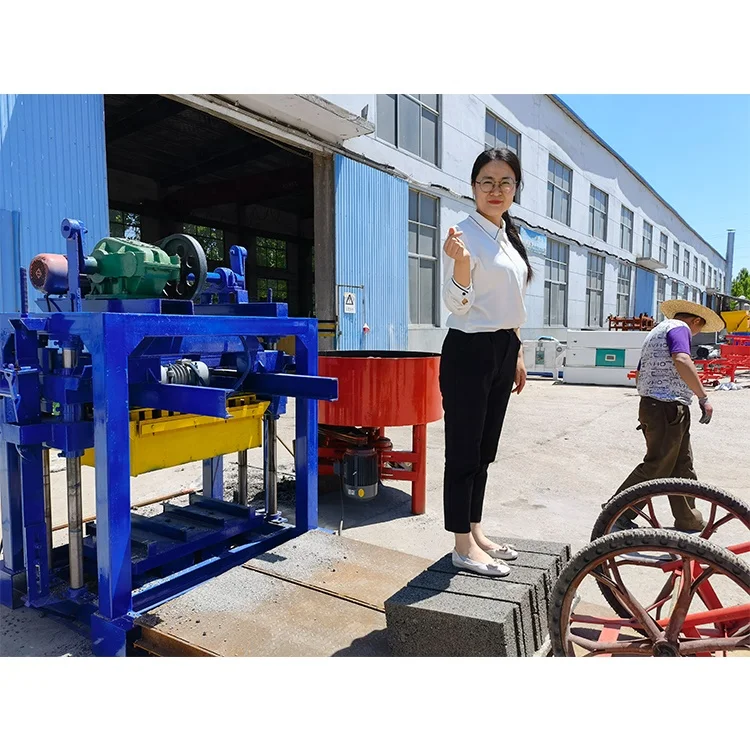
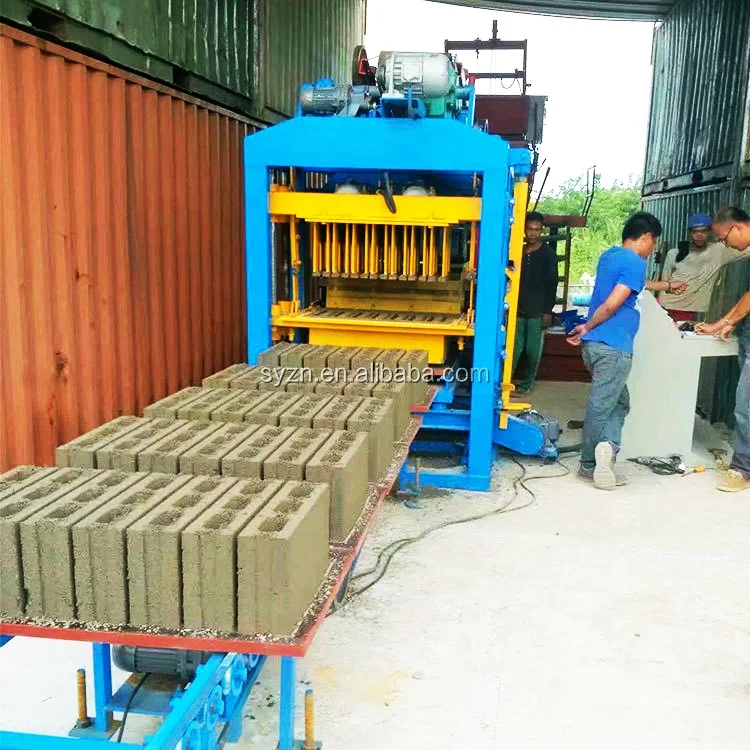
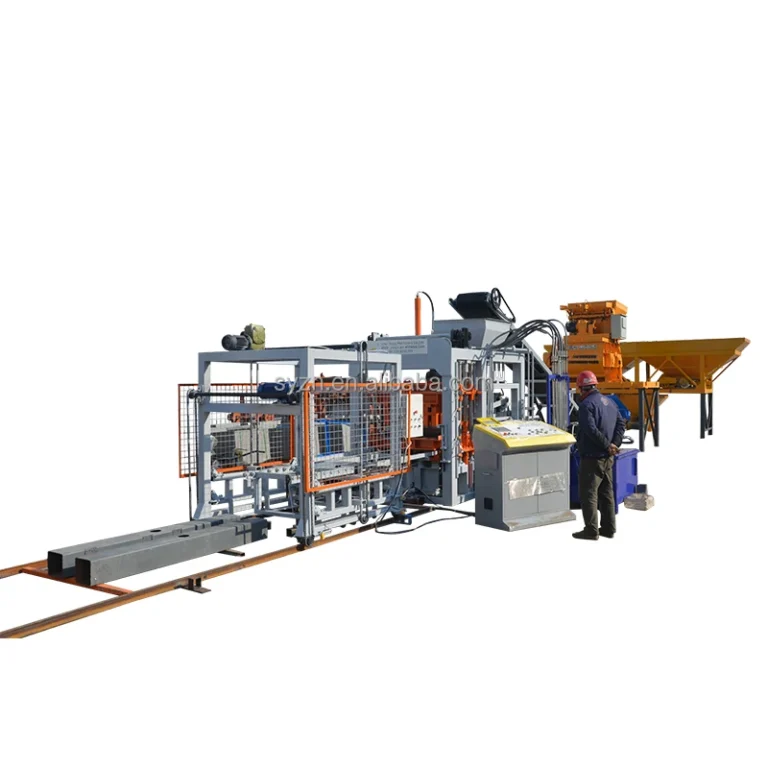
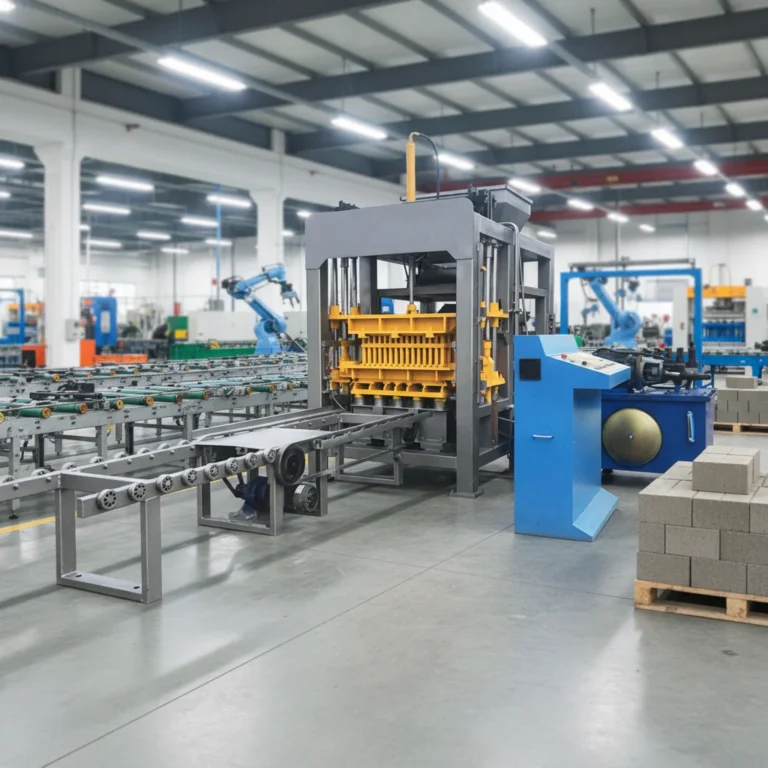
Matched System Approach — The QT12-15 block making machine manufacturer configures press, mould, pallet and handling as one integrated line rather than sourcing components separately, ensuring vibration force, hydraulic pressure and pallet dimensions align with your actual block format.
Technical Specifications
| Parameter |
Value |
| Model |
QT12-15 |
| Product Type |
Hydraulic Concrete Block Making Machine |
| Total Power |
62 kW |
| Pallet Size |
1300 x 900 mm |
| Moulding Cycle |
15–30 seconds (basis to be confirmed with block format and material) |
| Vibration Type |
Table vibration |
| Vibration Force |
120 kN |
| Voltage |
Configured to local industrial voltage and frequency |
| Control System |
PLC with operator language selection |
| Mould Compatibility |
Customized to buyer’s block format |
Application Suitability
| Application |
Material or Output |
| Hollow block production |
Crushed stone, sand, cement blends |
| Solid block manufacturing |
Dense aggregate and cement mixes |
| Pavement brick and paver |
Fine aggregate with colour oxide |
| Slope protection brick |
Permeable aggregate and cement |
| Porous brick production |
Lightweight aggregate blends |
What "Cycles per Hour" Leaves Out When Sizing a QT12-15 Block Making Machine Manufacturer
Cycle time without a stated block format tells you nothing about daily output.
I learned this the hard way after shipping a high-capacity press to a customer who expected ten thousand blocks a day based on a catalogue figure. His local red-clay mix could not compact under the vibration force the way standard aggregate does, and his real output fell far short. A QT12-15 block making machine manufacturer that quotes cycles without naming the block format assumed, the wall thickness, and the aggregate type is asking you to gamble on a number that may not hold in your plant. [NEED_CITE: block density requirements by regional building code]
Placing the QT12-15 Within the Full Machine Range
The QT12-15 sits at the high-capacity automatic tier, designed for plants moving beyond workshop-volume semi-automatic lines into continuous production with matched pallet circulation and stacking systems. Buyers evaluating their first serious block line or replacing an ageing semi-automatic unit will find this tier covers large-scale housing projects, commercial paver supply and municipal infrastructure contracts. Understanding where this model sits helps you weigh investment level and plant footprint before narrowing down the rest of the line.
How Output Tiers Translate to Real Plant Footprint
Each step up in output tier brings a larger pallet size, longer curing racks and more floor space for raw material storage and finished block staging. The 1300 x 900 mm pallet on the QT12-15 means your curing area, forklift travel lanes and stacking height must all be planned around that dimension from day one. A QT12-15 block making machine manufacturer should show you the complete line layout — press, mixer, pallet return, curing rack handling — before you commit, so the building shell matches the equipment. [NEED_CITE: industrial floor load requirements for block curing areas]
Reading the Vibration and Pressure Numbers Together
Vibration force of 120 kN and table vibration are meaningless on their own; they must be matched to the hydraulic pressure and your mix design to produce consistent block density. The four-axis vibration with synchronization frame keeps product height uniform across the full pallet, while the 360-degree rotating press-in arch breaker distributes material into the mould cavity before vibration begins. If your local aggregate is softer or more absorbent than the default test mix, the press settings must be adjusted — something a responsible QT12-15 block making machine manufacturer will verify with a trial run on your actual materials before finalizing the configuration.

The Cost of Skipping Pallet and Handling Integration
When pallet handling, stacking and curing are left out of the quotation, blocks leave the press and pile up on the floor waiting for manual labour that was never budgeted. The replaceable wear-resistant cloth platform plate on this model simplifies maintenance, but if the pallet return conveyor and automatic stacker are quoted by a separate supplier, cycle times will not synchronize and the press will idle between pallets. [NEED_CITE: typical block plant labour costs for manual pallet handling]
Why Buyers Choose This QT12-15 Block Making Machine Manufacturer
Block machinery is the single focus here, so press, mould, pallet and handling arrive as one matched system rather than a collection of mismatched components. Configuration is set against your actual mix design and local aggregate, not a catalogue default, and mould drawings for your specific formats ship with the quotation rather than after the order. Voltage, frequency and PLC display language are confirmed in writing before production starts, and an upgrade path exists if you begin at a lower automation tier and plan to scale later.
Documentation & Verification
- Line layout and capacity calculation naming the block format assumed for each output figure
- Machine specification sheet confirming vibration force, hydraulic pressure and pallet size as a matched system
- Mould drawing and format list provided with the quotation, not after order confirmation
- Voltage, frequency and control language confirmation documented before production begins
- Factory test record run on your target block format before dispatch
Installation, Commissioning & Support
- Foundation plan sized for the 1300 x 900 mm pallet frame and 62 kW total power draw
- Dedicated electrical circuit matching your confirmed local voltage and frequency
- Press shipped in dismantled sections with labelled reassembly drawings for site erection
- PLC control language set to operator preference before first commissioning run
- Mould change procedure trained on-site using your specific block format drawings
- Wear parts list covering the replaceable cloth platform plate and hydraulic seals
What We Need From You to Build a Real Proposal
Share your target block formats with dimensions, the daily volume you need for each, and the raw materials available locally including aggregate grading and cement type. Let us know your site voltage and frequency, the PLC display language your operators read, and whether you already have curing racks or forklifts on-site so the pallet size and handling equipment can be matched to what is already there.
Frequently Asked Questions
Q: Where does the QT12-15 sit compared to semi-automatic and mobile tiers?
A: The QT12-15 is the high-capacity automatic tier, suited to plants producing multiple formats at volume with matched pallet circulation and stacking. Semi-automatic tiers serve smaller plants with lower investment, and mobile tiers handle on-site production without a fixed building. Each tier has a different footprint and labour requirement.
Q: What plant footprint should I plan for a QT12-15 automatic line?
A: The 1300 x 900 mm pallet dictates curing rack length, forklift lanes and stacking height. You will need space for raw material storage, the press and mixer, pallet return conveyors, and a curing area sized for your daily output. A full line layout is provided before you finalize the building shell.
Q: How do I verify the output capacity claim against my block format?
A: Ask the QT12-15 block making machine manufacturer for a capacity calculation that names the exact block format, wall thickness and mix design assumed. Request a factory test on your actual aggregate before shipment so you can compare real cycle times against the quoted figures.
Q: What supporting equipment is included versus quoted separately?
A: A matched-system approach means raw material feeding, mixing, pallet feeding, stacking and curing rack handling are specified together with the press. Confirm in writing which stations are in the quotation so the press is not left waiting for pallets or blocks pile up without an automatic stacker.
Q: Can I start at a lower tier and move to QT12-15 automation later?
A: Yes. The automation level is selectable, so you can begin with semi-automatic pallet handling and manual stacking, then add automatic pallet feeding, stacking and cubing as production volume grows. The press itself can remain the same while the surrounding line is upgraded.

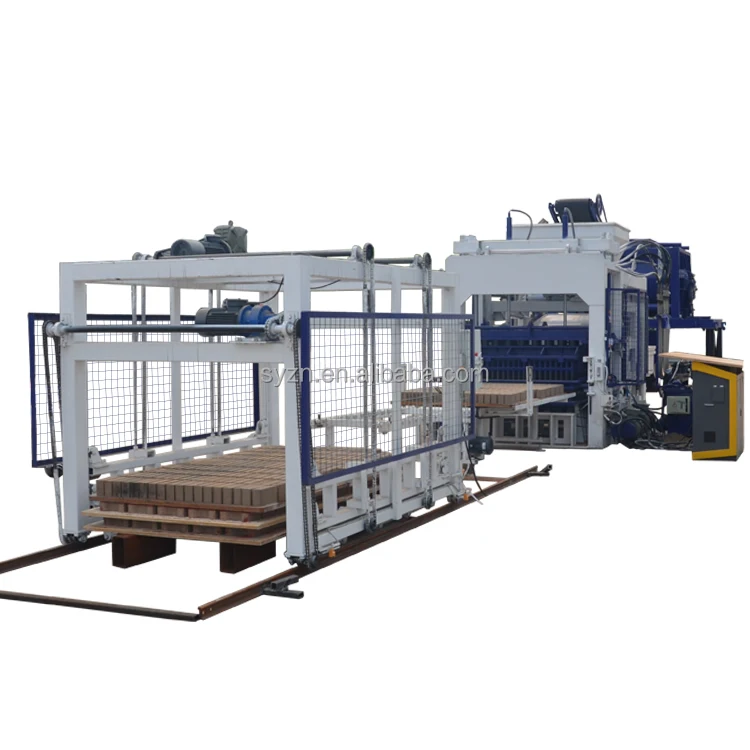
 High quality block machine