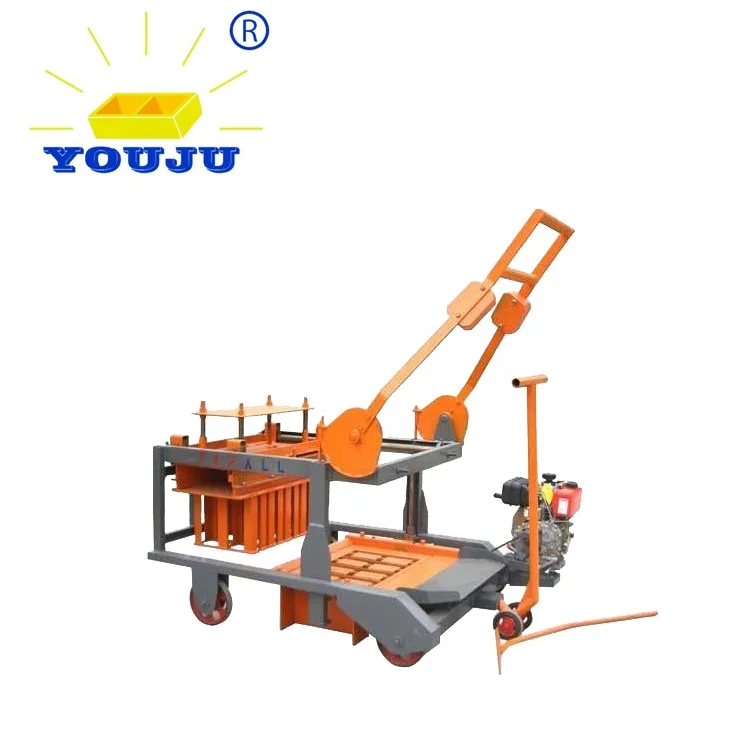
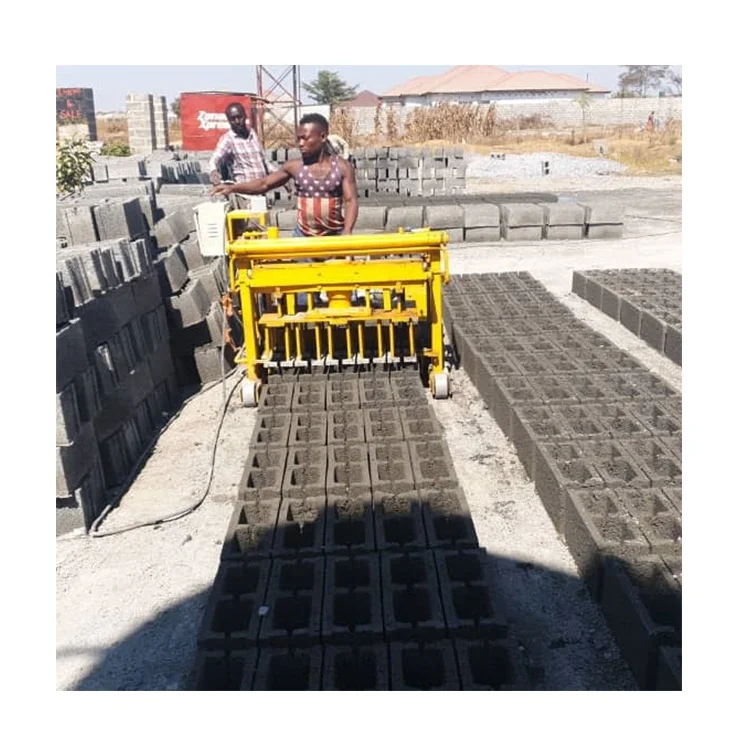
Single-Focus Machine Line — the QMY4-30 mobile block making machine ships as one matched system where the press, mould and on-site layout are configured together rather than assembled from mismatched suppliers.
Technical Specifications
| Parameter |
Value |
| Model |
QMY4-30 |
| Product Type |
Mobile Block Making Machine |
| Rated Power |
5 kW |
| Molding Cycle Time |
30 seconds |
| Overall Dimensions |
1200 × 1200 × 1100 mm |
| Net Weight |
950 kg |
| Output Capacity |
480 pcs/hour (based on 400×200×200 mm hollow block, 4 pcs/mould) |
| Output Capacity |
600 pcs/hour (based on 400×150×200 mm hollow block, 5 pcs/mould) |
| Output Capacity |
840 pcs/hour (based on 400×100×200 mm hollow block, 7 pcs/mould) |
| Daily Output (8-hour shift) |
3,840 pcs (based on 400×200×200 mm hollow block) |
| Daily Output (8-hour shift) |
4,800 pcs (based on 400×150×200 mm hollow block) |
| Daily Output (8-hour shift) |
6,720 pcs (based on 400×100×200 mm hollow block) |
| Mould Format |
Hollow block, solid brick |
| Automation Level |
Manual pallet handling (egg-laying mobile type) |
| Assembly State |
Fully assembled, mobile on-site production |
| Raw Materials |
Cement, sand, crushed stones, slag |
| Pallet Size |
Not applicable (egg-laying type, no pallet required) |
| Voltage & Frequency |
Configurable to destination (basis to be confirmed) |
| Warranty |
Five-year guarantee (source value — verify against manufacturer catalog) |
Application Suitability
| Application |
Material or Output |
| On-site housing project block production |
Hollow blocks from cement, sand and crushed stone laid directly on prepared ground |
| First plant setup for entrepreneurs |
Solid bricks and hollow blocks in standard sizes without pallet or curing rack investment |
| Remote infrastructure site supply |
Small-batch hollow block production relocated as the job site shifts |
| Secondary machine alongside a fixed line |
On-demand solid brick runs for custom orders or fill-in production |
What the Quoted Capacity Number Actually Means for a Mobile Press
Real output depends entirely on which block format you run, not the highest number on the spec sheet.
A mobile block making machine manufacturer quoting 840 pieces per hour sounds compelling until you learn that figure assumes a 400×100×200 mm hollow block at 7 pcs per mould. Switch to a standard 400×200×200 mm block at 4 pcs per mould and the same QMY4-30 produces 480 pieces per hour. I once shipped a mobile unit to a West African contractor who planned his entire labour schedule around the headline number, only to discover his market demanded the larger format [NEED_CITE: common hollow block sizes in West African construction markets]. The gap between expectation and reality was a full shift of lost production every day. Always confirm the capacity calculation against your specific target format before signing.

Positioning the QMY4-30 Within the Mobile Range
The QMY4-30 occupies the entry-level tier of mobile egg-laying block machines. It is designed for buyers who want to produce blocks directly on the ground without investing in pallets, curing racks, or a fixed plant building. The 5 kW total power draw means a small workshop generator or basic site connection is sufficient, removing one common barrier for first-time block producers evaluating a mobile block making machine manufacturer.
Where the Mobile Design Pays Off
For contractors working across multiple job sites, the ability to relocate a 950 kg machine with standard lifting equipment — rather than dismantling a fixed press and conveyor line — shortens the gap between finishing one project and starting the next. The egg-laying design also eliminates the pallet handling loop entirely: blocks are deposited on the ground and left to cure in place, which removes the need for a forklift fleet and pallet inventory that a stationary line would require [NEED_CITE: typical pallet replacement costs in small block plants].
Reading the Specs That Matter on a Small Mobile Press
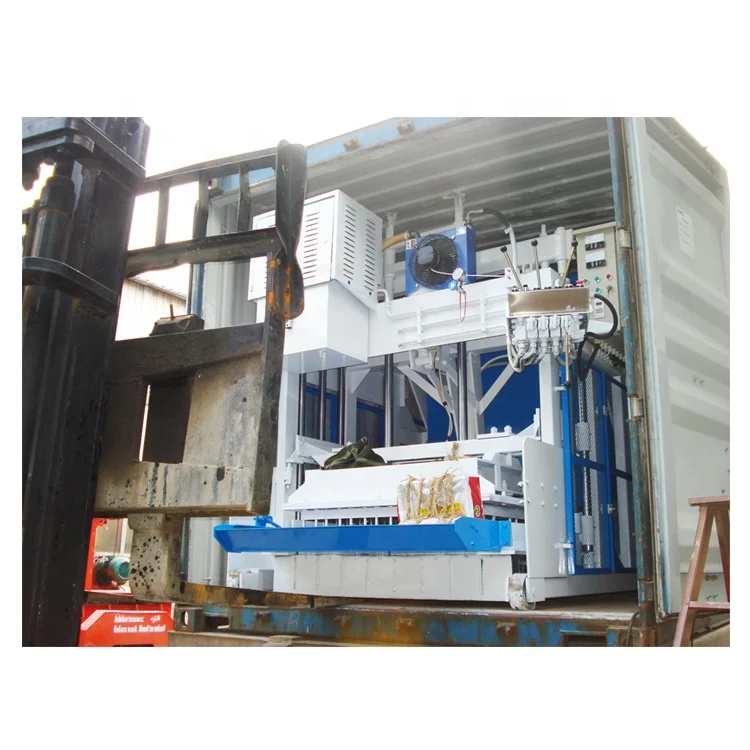
The 30-second moulding cycle applies across all three hollow block formats listed in the specification sheet, meaning the cycle time itself does not change — what changes is the number of cavities per mould, which directly governs hourly and daily output. At 1,200 × 1,200 × 1,100 mm, the machine envelope is compact enough to fit inside a standard shipping container upright, and the 950 kg net weight allows repositioning on site with a small crane or forklift rather than heavy rigging. The 5 kW rated power keeps electrical supply requirements realistic for remote locations where grid connection may be limited to a single-phase feed or a portable diesel generator. Raw material flexibility across cement, sand, crushed stones and slag gives producers room to adjust their mix based on locally available aggregate, though the specific vibration force and hydraulic pressure settings should always be matched to the buyer’s actual mix design before full production begins.
The Cost of Skipping Voltage and Language Confirmation
Even a compact mobile press like the QMY4-30 arrives with an electric motor wound for a specific voltage and frequency. I have seen machines sit idle for weeks because the destination country runs on 50 Hz while the motor was wound for 60 Hz, and the local electrician could not source a matching replacement [NEED_CITE: voltage and frequency standards by export market]. Control panel labels and any digital readouts also need to be in a language the operator can read, otherwise mould change procedures and basic troubleshooting become guesswork. Confirming voltage, frequency and display language before the machine enters production is a small step that prevents costly delays on site.
What Sets This Sourcing Channel Apart
Every QMY4-30 is specified against the buyer’s stated block format and local aggregate, not shipped as a catalogue default. The mould set included in the base quotation is confirmed with a format list and mould drawing so there is no ambiguity about which block sizes are covered. The mobile machine, its moulds and any supporting tools are treated as one matched system from a single supplier focused exclusively on block machinery, avoiding the integration gaps that appear when press and mould come from different sources. A factory test record using the buyer’s confirmed format is generated before dispatch, and capacity documentation states the block size assumed so the buyer can verify the numbers independently.
Documentation & Verification
- Line layout showing on-site production zone and curing area sized to the confirmed block format
- Machine specification sheet listing cycle time per mould format, not a single generic figure
- Mould drawing and format list confirming which block sizes are included in the base shipment
- Voltage and frequency confirmation document signed off before the motor is wound
- Factory test record produced on the buyer’s confirmed block size and mould cavity count
- Operation manual covering mould change procedure and daily maintenance checkpoints
Installation, Commissioning & Support
- Prepared ground surface required; the 1,200 × 1,200 mm footprint needs a level slab or compacted earth
- 5 kW power supply with dedicated circuit matching confirmed voltage and frequency before arrival
- Fully assembled on delivery; no on-site press assembly required, only mould installation
- First-run commissioning includes vibration tuning to the buyer’s specific cement and aggregate mix
- Operator training covers mould change steps, cycle timing and safe machine relocation procedures
- Wear parts list with first-replacement mould components available for ordering with the initial shipment
Before You Send the Inquiry
To match the right machine and mould configuration, share your target block format with dimensions, the daily output you need for that specific size, and the raw materials available in your area including aggregate type and cement grade. Confirm your site’s voltage and frequency supply, and let us know the language your operators will need on any control labels. If you have an existing curing yard or plan to produce on bare ground, that determines whether a mobile egg-laying unit or a pallet-based press is the correct fit.
Frequently Asked Questions
Q: How is the output capacity verified, and which block format does the hourly figure assume?
A: Every capacity figure on the QMY4-30 specification sheet is stated alongside the exact block format and mould cavity count it was measured against. The 480 pcs/hour rating, for example, applies to 400×200×200 mm hollow blocks at 4 cavities per mould. Buyers should always match the calculation to their own target format rather than comparing headline numbers across different machines.
Q: What voltage and frequency does the machine ship with, and can it be configured before dispatch?
A: The motor and any control components are wound and set to the buyer’s confirmed voltage and frequency before the machine enters production. This is documented and signed off during the order process so the machine arrives ready to connect to the local supply without requiring on-site electrical modification or transformer installation.
Q: Which block formats are included in the standard mould set?
A: The base quotation covers hollow block and solid brick moulds in the formats agreed during the inquiry stage. A mould drawing and format list is provided before production so the buyer knows exactly which sizes are included and which additional mould tooling may be needed for other products in their market range.
Q: What raw material mix does the QMY4-30 expect?
A: The machine processes cement, sand, crushed stones and slag in proportions adjusted to the buyer’s locally available aggregate. Providing a raw material sample before dispatch allows vibration and pressure settings to be matched to the actual mix, preventing strength inconsistencies that arise when a machine is tuned for a material the buyer cannot source.
Q: What does the five-year guarantee cover, and which wear parts should be ordered upfront?
A: The guarantee terms should be verified against the current manufacturer catalog at the time of order. A wear parts list is supplied with the quotation, and it is practical to include first-replacement mould components and vibration elements with the initial shipment to avoid downtime waiting for international delivery when maintenance is first needed.

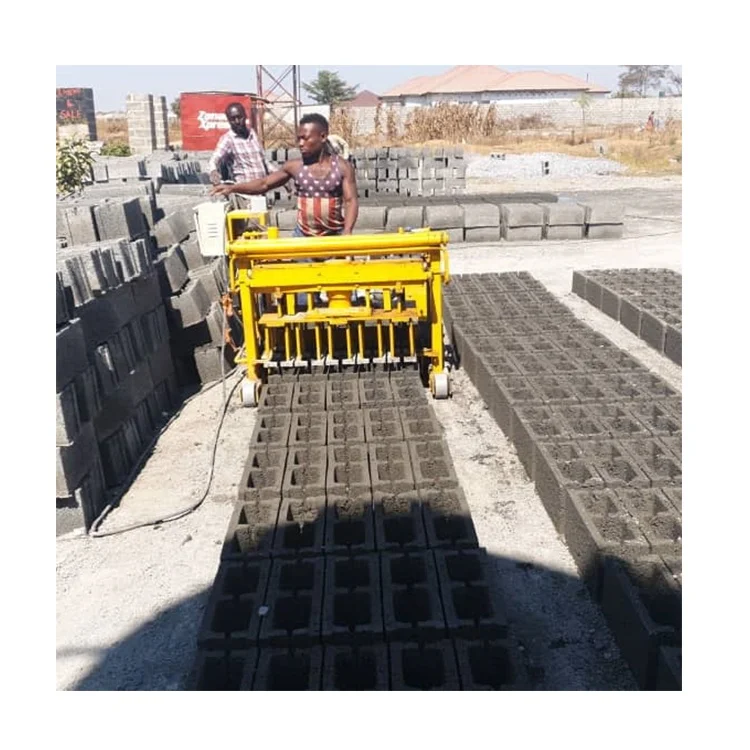
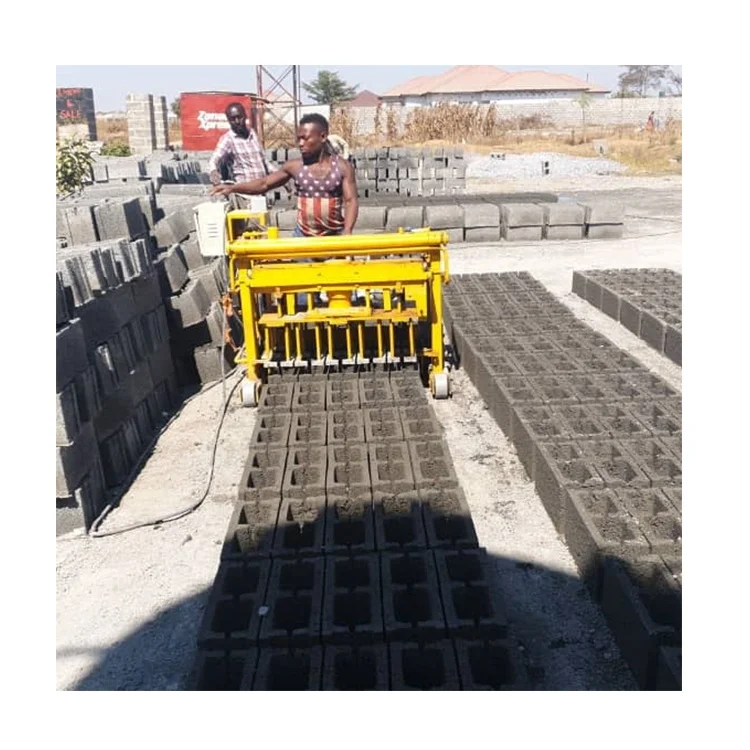 Mobile block machine