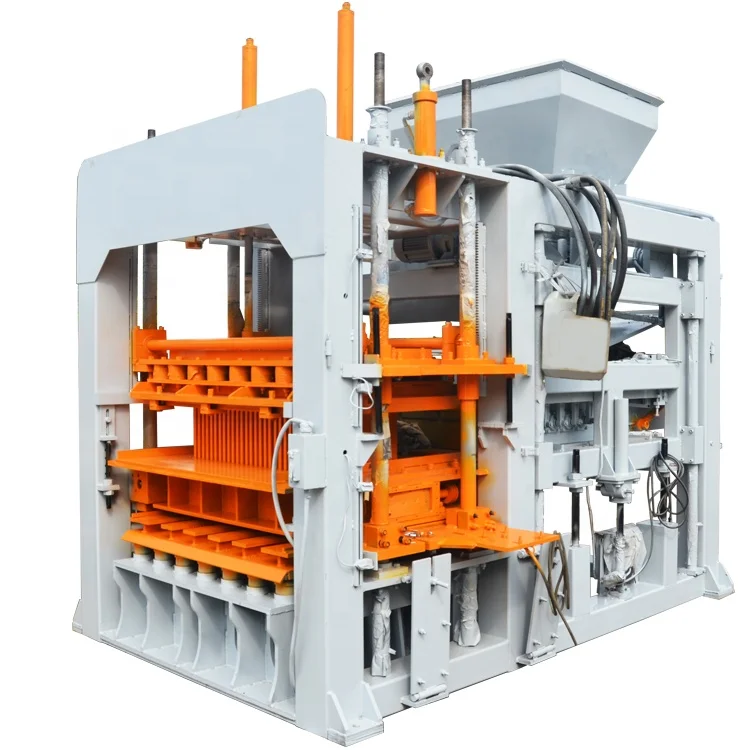
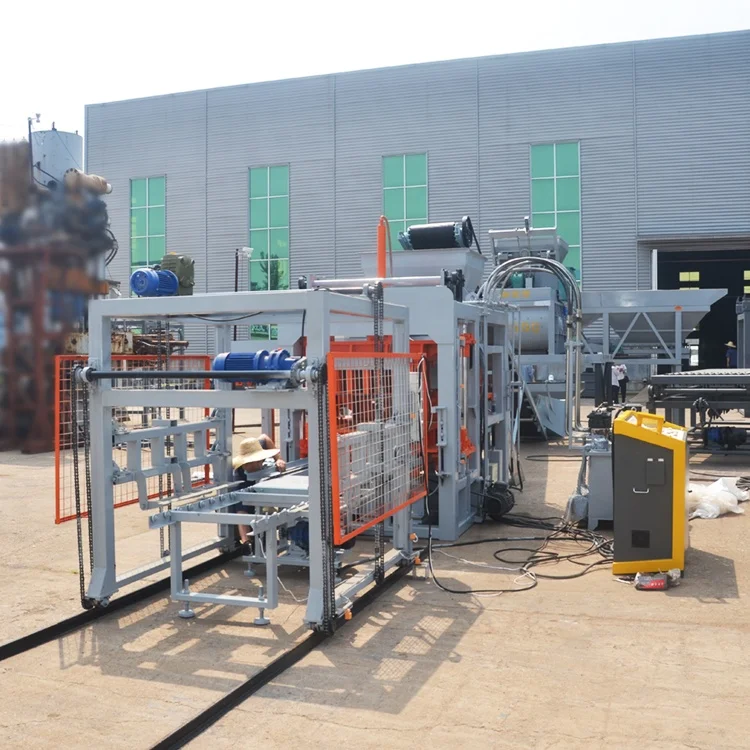
Matched System Spec — The QMJ2-45 mobile block machine is configured with its mould, vibration system, and power supply verified as one unit before dispatch, avoiding the mismatched-component failures common when machines are assembled from separate sources.
Technical Specifications
| Parameter |
Value |
| Model |
QMJ2-45 |
| Product Type |
Mobile Egg-Laying Block Making Machine |
| Machine Power |
1.5 kW |
| Molding Cycle |
45 s |
| Output Capacity |
1280 pcs/8hours (based on 300×150×100mm block, 2 pcs/mould) |
| Production Rate |
160 pcs/hour (based on 300×150×100mm block format) |
| Raw Material |
concrete, sand, cement |
| Machine Weight |
150 kg |
| Overall Dimensions |
920×800×1258 mm |
| Mould Format Shown |
300×150×100 mm solid/hollow block |
| Pcs per Mould |
2 |
| Voltage |
Configurable to buyer’s local voltage and frequency |
| Control System |
Semi-automatic operation |
| Automation Level |
Mobile egg-laying (no fixed plant required) |
Application Suitability
| Application |
Material or Output |
| On-site production for housing projects |
Hollow and solid concrete blocks using local sand and cement |
| Small-scale block manufacturing |
Standard masonry units for regional construction contractors |
| Remote or temporary job sites |
Egg-laying production directly on compacted ground without pallets |
| First plant setup for entrepreneurs |
Entry-level output in 300×150×100mm format before scaling to automatic lines |
What "1280 Blocks per Day" Actually Means for Your Site
Capacity figures are meaningless unless the block format behind them is stated.
Many mobile block machines are advertised with a single headline output number. When the buyer arrives on site and starts producing a different format — say a larger hollow block instead of the small solid used for the test — the real daily output can drop substantially. The QMJ2-45 output of 1280 pieces per 8-hour shift assumes a 300×150×100mm block at 2 pieces per mould with a 45-second cycle. If your market sells a different format, the cycle time and pieces per mould change, and so does the daily total [NEED_CITE: block format impact on mobile machine cycle time]. As a Mobile Block Making Machine manufacturer, we state the format behind every capacity number so buyers can compare honestly.

Placing the QMJ2-45 Within the Full Machine Range
The QMJ2-45 occupies the entry tier of the SHIYUE mobile block machine lineup. It is designed for buyers who need to produce blocks on a job site without investing in a fixed plant, pallets, or curing racks. The machine lays blocks directly onto a flat concrete surface and moves forward after each cycle, which eliminates pallet cost entirely. For a contractor working a single housing development or an entrepreneur testing market demand before committing to a higher-output line, this tier keeps capital outlay low while still producing saleable blocks.
Where Mobile Machines Fit Before Fixed Plants
A mobile egg-laying machine removes several cost layers that a fixed plant requires: no pallet inventory, no stacking station, no curing rack system, and no dedicated factory building. The trade-off is output ceiling and format range. The QMJ2-45 produces a limited set of block sizes compared to a stationary press with quick-change mould tables. Buyers who need multiple formats at higher volume typically move to a semi-automatic stationary line once the initial market is established [NEED_CITE: mobile versus stationary block plant investment comparison]. The value of this Mobile Block Making Machine manufacturer range is that the upgrade path exists within the same equipment family.
Reading the Specs That Matter on a Job Site
The 1.5 kW total machine power is low enough to run from a portable generator, but the voltage and frequency must match the generator output exactly — a 50 Hz motor on a 60 Hz supply will overheat quickly. The 150 kg weight means two workers can reposition the unit without a forklift, which matters when the production area shifts across a large site. The 45-second molding cycle is governed by the vibration duration needed to consolidate the concrete mix around the mould core; shortening this cycle risks low block density and breakage during handling. Two vibrators per mould provide vertical compaction from the bed combined with compression from the upper mould head.
When Electrical Details Get Skipped Before Shipment
One of the most disruptive failures on a remote job site is a machine that physically arrives but cannot run. I recall a mobile block machine that reached a West African project with a motor wound for a frequency the local generator could not supply. The motor hummed but never reached operating speed, and the site waited weeks for a replacement. Electrical mismatch is not a warranty issue — it is a specification omission. Every QMJ2-45 order requires confirmed voltage, frequency, and phase before production begins [NEED_CITE: electrical supply standards for construction equipment in export markets]. This single verification step prevents the most common commissioning delay on mobile block machines.
Why Source This Mobile Machine Here
Block machinery is the single focus of our production, which means the QMJ2-45 is not a catalogue item pulled from a general machinery range — the machine, its moulds, and its vibration system are specified together. Configuration is set against the buyer’s actual mix design and local aggregate rather than a default recipe, so the vibration force and cycle time match what the buyer can actually source. Mould formats are chosen for the products the buyer’s local market sells, with custom mould design available to buyer drawings. The automation level is selectable, allowing a buyer to start with this mobile unit and move to a semi-automatic stationary press when volume justifies it. Installation support includes operator training so the crew understands mould change procedures and daily maintenance from the first shift.
Documentation & Verification
- Machine specification sheet confirming motor power, vibration count, and cycle time for the stated format
- Capacity calculation document showing the 300×150×100mm block assumption behind the 1280-piece daily figure
- Voltage and frequency confirmation record signed before production release
- Mould drawing and format list covering all available options for the QMJ2-45 platform
- Factory test record on buyer’s specified block format before crate closure
- Operation and maintenance manual with wear parts and mould replacement schedule
Installation, Commissioning & Support
- Flat concrete floor area of at least 20 meters by 10 meters needed for egg-laying production with the 920×800 mm footprint
- Single-phase or three-phase power supply matching confirmed voltage and frequency with a dedicated circuit for the 1.5 kW load
- Machine shipped fully assembled at 150 kg — two workers can offload and position without a crane
- First-run commissioning includes mix adjustment to local sand and cement to verify block density at the 45-second cycle
- Operator training covers mould change procedure, vibrator inspection, and daily grease-point lubrication
- Wear parts list supplied with initial order covering vibrator mounts and mould liner plates
Before You Request a Quote
To configure a QMJ2-45 that actually runs on your site, we need the block format your market buys most, the daily output you are targeting, and the voltage and frequency available at the production location. If you already have a concrete mixer or a specific sand source, let us know so the vibration time and mould fill sequence can be matched. Share your site ground conditions — compacted earth versus poured concrete — since egg-laying quality depends on surface flatness.
Frequently Asked Questions
Q: How is the 1280 blocks per day figure calculated for the QMJ2-45?
A: The figure assumes a 300×150×100mm block format with 2 pieces produced per mould and a 45-second molding cycle, running continuously over an 8-hour shift. If your target block is larger or smaller, the pieces per mould and cycle time will differ, and the daily total changes accordingly. We provide a recalculated capacity sheet for your specific format before order confirmation.
Q: Where does the QMJ2-45 sit in the full machine range and what is the upgrade path?
A: The QMJ2-45 is the entry point of the SHIYUE mobile and stationary block machine lineup. It suits on-site production without a fixed plant. Buyers who outgrow its output ceiling typically move to a semi-automatic stationary press with pallet handling and stacking, then to a fully automatic line. The upgrade path stays within the same equipment family, preserving mould and spare parts commonality.
Q: What site conditions does a mobile egg-laying machine require compared to a fixed plant?
A: A mobile egg-laying machine like the QMJ2-45 needs a flat, compacted surface — poured concrete is ideal but hard-packed earth can work. It does not require a factory building, pallet inventory, curing racks, or a stacking station. The trade-off is that output volume and format variety are lower than a fixed plant. Site length should allow the machine to travel in a straight line during production.
Q: How are voltage and frequency confirmed before the machine is shipped?
A: Before production begins, we request the buyer’s local supply voltage, frequency in hertz, and phase configuration. This is written into the order confirmation and checked against the motor winding and vibrator specifications. A signed electrical confirmation record is filed before the machine leaves the factory, preventing the commissioning delays caused by mismatched power supply on arrival.
Q: What mould formats are available and can custom moulds be designed?
A: The QMJ2-45 platform supports hollow block, solid block, and paving block moulds in sizes compatible with its mould table dimensions. Standard formats are listed in the mould drawing package. If your market requires a non-standard shape or size, custom moulds can be designed to buyer-provided drawings, with sample blocks produced at the factory to verify dimensions and density before shipment.

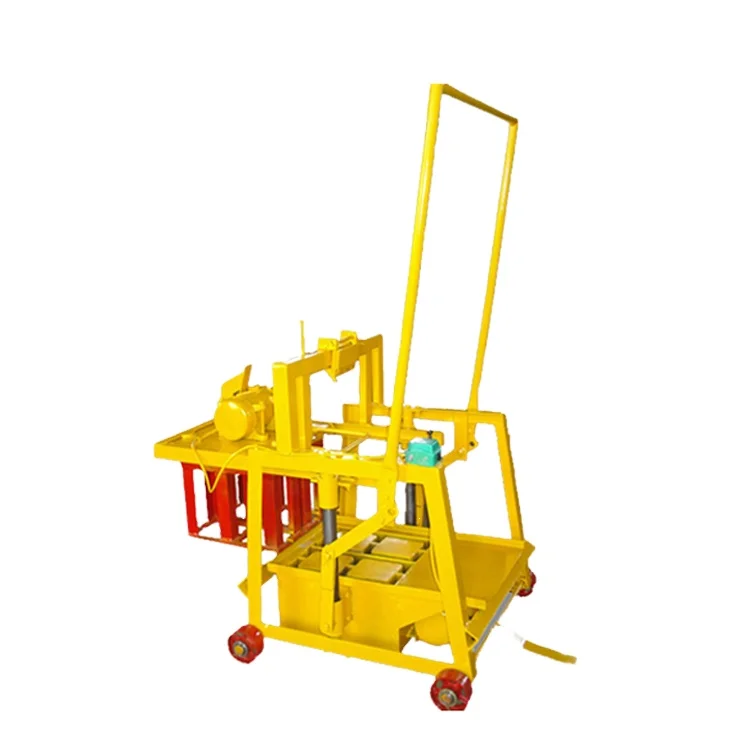
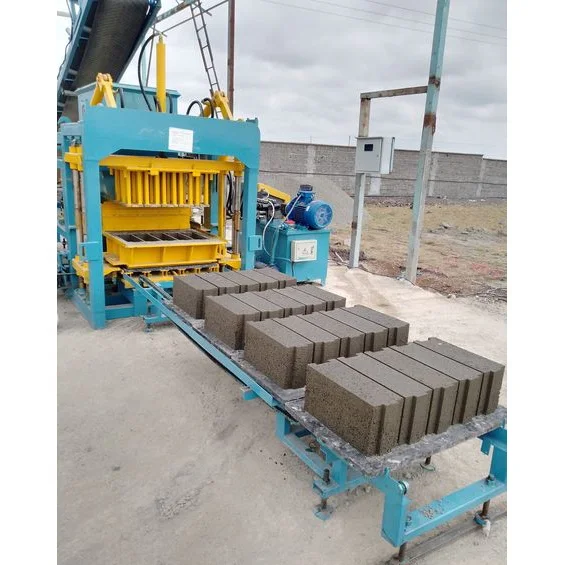 High quality block machine