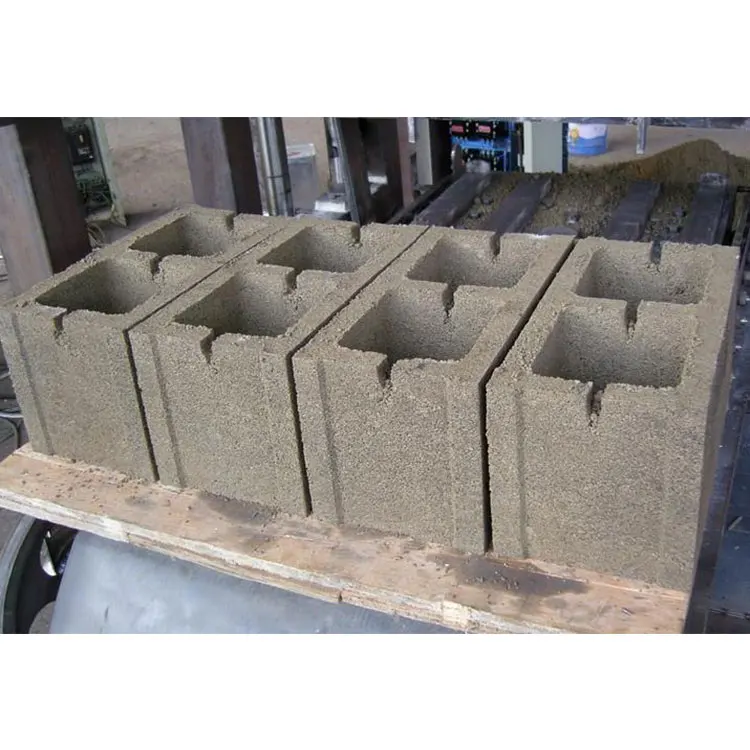
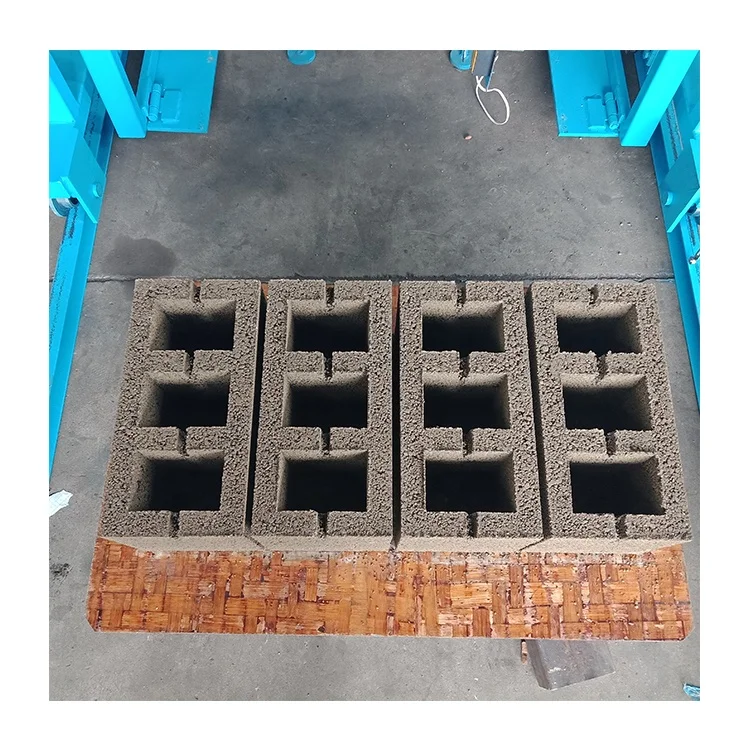
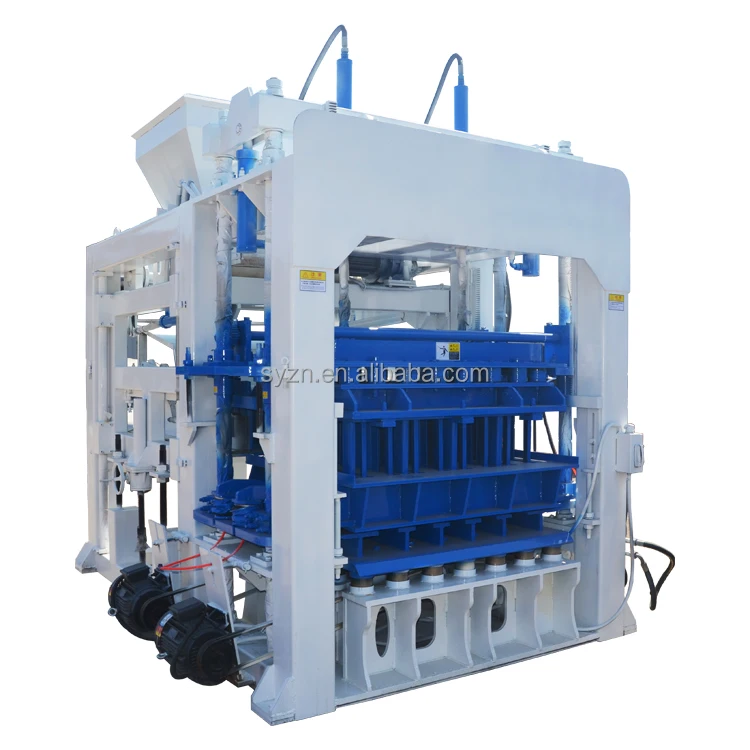
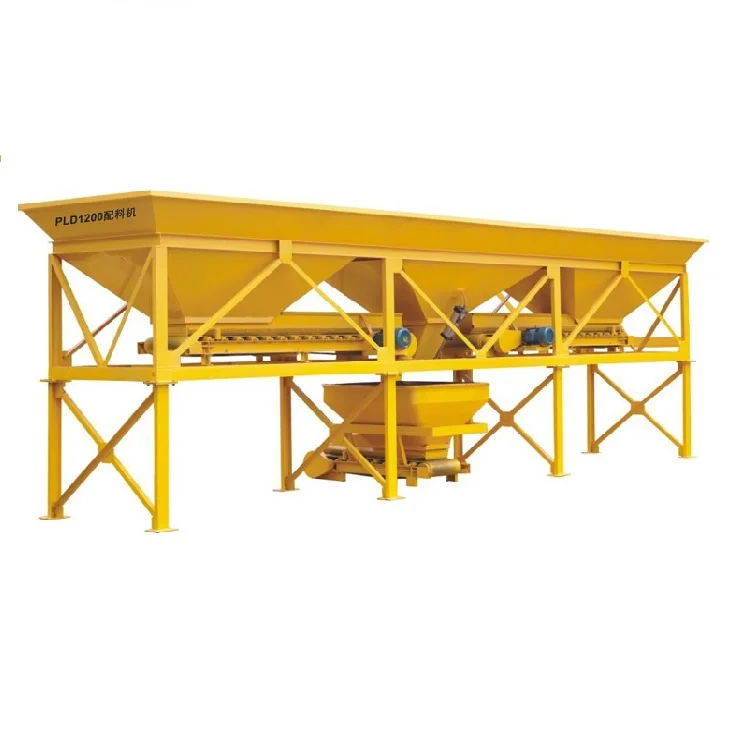
Configuration Set Against Your Mix Design — the PLD1200 is specified as a matched feeding station within the Shiyue block line, ensuring the batching rate aligns with the press cycle time and your local aggregate rather than a standalone catalogue default.
Technical Specifications
| Parameter |
Value |
| Product Type |
Concrete Batching Machine |
| Model |
PLD1200 |
| Weigh-batching Hopper Capacity |
1200 L |
| Theoretical Productivity |
56 m³/h (basis not stated in source — confirm block format / material / thickness) |
| Ingredient Precision |
±2% |
| Belt Speed |
1.25 m/s |
| Total Power |
4 × 4 kW |
| Application |
Raw material proportioning for concrete block production lines |
Application Suitability
| Application |
Material or Output |
| Automatic hollow block production |
Cement, sand, crushed stone proportioning before mixing |
| Paving block manufacturing lines |
Fine and coarse aggregate batching with pigment dosing |
| Semi-automatic block plant upgrades |
Replacement of manual wheelbarrow proportioning |
| Solid block and kerbstone plants |
Multi-bin aggregate and cement feeding to a pan mixer |
What the "56 m³/h" Figure Leaves Out for Block Producers
Batching throughput only matters when stated against the block format and mix design you actually run.
A number like 56 m³/h printed on a spec sheet tells you nothing about whether the PLD1200 concrete batching machine for block production line will keep your press fed during a run of 400 × 200 × 200 mm hollow blocks versus a thin paving format. The press cycle, the mixer discharge time, and the belt conveyor speed must all match, or the batching station becomes either a bottleneck or an oversized asset sitting idle half the day. I once watched a line in West Africa where the batching hopper was sized for a theoretical peak, yet the press ran a smaller block format that demanded more frequent, smaller batches — the hopper never emptied and the cement started setting in the corners. Sizing must begin with your daily output target and the specific format that drives it [NEED_CITE: matching batching throughput to block press cycle time per format].

Feeding the Press Without the Idle Wait
The PLD1200 sits at the very start of the block line, feeding proportioned cement, sand, and aggregate into the mixer that supplies the block press. When the batching station is undersized or omitted from the quotation, operators end up hand-feeding material with shovels, and the press idles while they catch up. The 1200 L weigh-batching hopper is sized to bridge the gap between the aggregate stockpile and a mid-range block press running standard hollow or solid formats, keeping a steady buffer of batched material ready for each mixer cycle.
Why the Batching Station Is the First Link Left Out
Many block machine quotations list the press, the mould, and the pallet system, then stop. The raw material feeding station is treated as something the buyer will source locally or improvise. That omission creates a mismatch the day the line starts running — the press is rated for a certain cycle time, but the mixer is waiting on material proportioned by hand. Specifying the PLD1200 concrete batching machine as part of the line ensures the belt conveyor speed, hopper discharge timing, and weigh sensor calibration are all set against the same block format and cycle assumption as the press [NEED_CITE: complete block line layout including raw material feeding].
Reading the Specs Against Your Actual Production
The ±2% ingredient precision keeps the cement-to-aggregate ratio consistent across batches, which directly affects block strength and surface finish. On a block line, inconsistent batching shows up as colour variation in pavers or weak hollow blocks that fail a drop test. The four independent 4 kW drives — one per aggregate bin — allow each material to be fed and weighed simultaneously rather than in sequence, shortening the batch cycle. The 1.25 m/s belt speed is moderate by design: fast enough to discharge into the mixer before the press completes its current cycle, but controlled enough to prevent material spillage at the transfer point. These parameters only deliver value when the line layout calculation names the block format and daily volume they were set against.
The Hidden Cost of Skipping the Batching Station
When a block plant runs without a dedicated proportioning unit, cement consumption drifts upward as operators compensate for uncertainty by adding extra bags "just to be safe." Over a production year, that overuse of cement is a material cost that never appears on a maintenance report. Inconsistent aggregate ratios also mean the vibration force and hydraulic pressure set on the press were calibrated for a mix the plant is no longer producing, resulting in blocks with variable density. These are problems that trace back to the very first station in the line, not the press itself [NEED_CITE: effect of batching precision on concrete block compressive strength].
Why Source the Batching Station With the Block Line
Block machinery is our single focus, so the PLD1200 is configured alongside the press, mixer, and pallet system as one matched set rather than bolted on from a separate supplier. The line layout we provide states the block format assumed in the capacity calculation, so you can verify the batching throughput before the equipment ships. Voltage and frequency for the 4 × 4 kW motor set are confirmed against your site supply before production begins — a step I insist on after watching motors burn out on arrival because someone assumed 380 V and 415 V were interchangeable. The weigh sensors and belt conveyor are factory-tested running as part of the complete line, not dry-cycled alone on a bench.
Documentation & Verification
- Line layout with capacity calculation stating the block format assumed for PLD1200 throughput
- Voltage and frequency confirmation sheet signed before the 4 × 4 kW motors are wired
- Factory test record of the batching station running in sequence with mixer and press
- Weigh sensor calibration certificate at ±2% precision for each aggregate bin
- Operation manual covering belt tensioning, hopper cleaning, and sensor maintenance intervals
Installation, Commissioning & Support
- Foundation pad leveled to support the 1200 L hopper loaded weight and belt conveyor run
- Dedicated circuit for the 4 × 4 kW motor set, with voltage verified before first energization
- Belt alignment and tension set during commissioning to match 1.25 m/s operating speed
- Weigh sensor zero-point calibration performed with your local aggregate on site
- Operator training on hopper cleaning sequence to prevent cement buildup between formats
- Spare weigh sensor and belt section included in the initial wear parts shipment
What to Include in Your Inquiry
Provide the block formats you plan to produce and the daily volume target for each, so the PLD1200 concrete batching machine for block production line can be sized and the bin configuration matched to your materials. Confirm the voltage and frequency available at your site, along with the control language your operators need on the display. Let us know whether the batching station is joining an existing line with a mixer already in place or whether the full raw material feeding, mixing, and pallet handling sequence is being quoted together.
Frequently Asked Questions
Q: How do I match the PLD1200 batching throughput to my block press cycle time?
A: Share the block format, press cycle time, and mixer batch size. We calculate the number of batches per hour the press demands and confirm the PLD1200 can deliver that rate with the specific materials in your mix design. The capacity figure we quote will state the format it assumes.
Q: How many aggregate bins does the PLD1200 have and what goes in each?
A: The standard configuration has multiple bins driven by the 4 × 4 kW motor set, typically holding cement, fine sand, and coarse aggregate. Bin count and assignment are set during line design based on your mix recipe, and custom bin arrangements are available if your formula includes a fourth material such as stone dust or pigment.
Q: Is voltage confirmed before the batching machine ships?
A: Yes. The voltage and frequency confirmation sheet for the 4 × 4 kW drive set must be signed before wiring begins. I have seen motors destroyed within minutes of first start-up because this step was skipped, so it is a non-negotiable checkpoint in our dispatch process.
Q: How is the ±2% ingredient precision maintained over time?
A: Weigh sensors require periodic zero-point checks and recalibration when you change aggregate source or moisture condition. The operation manual provides the calibration procedure for each bin, and we include a calibration checklist in the commissioning documentation so your team can verify accuracy after every sensor cleaning.

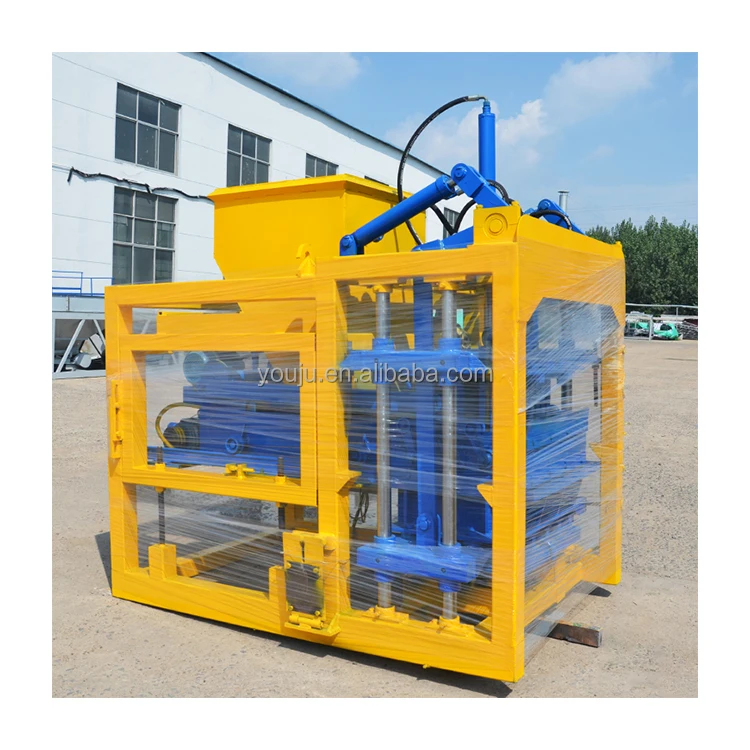 Automatic block machine