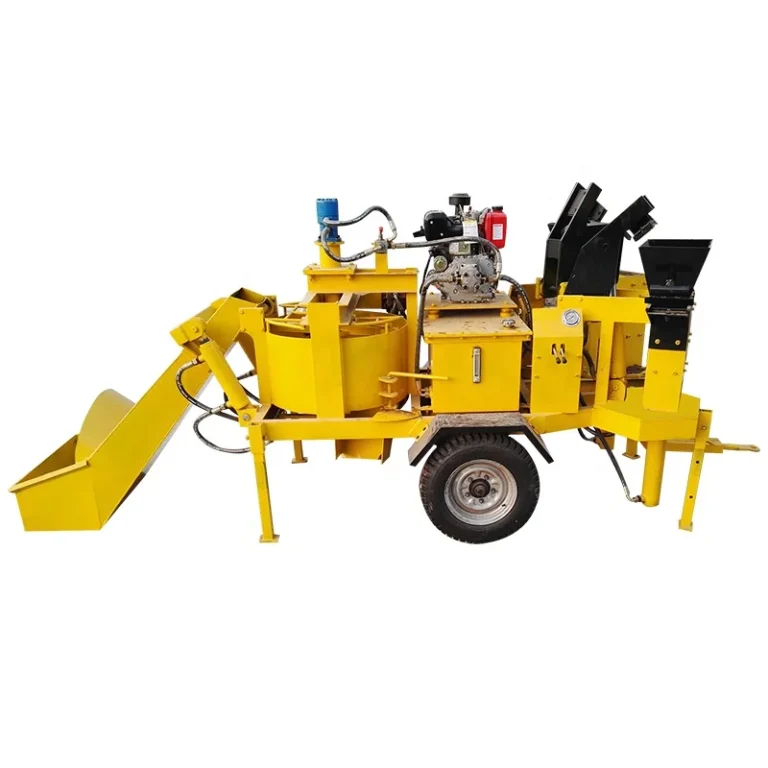
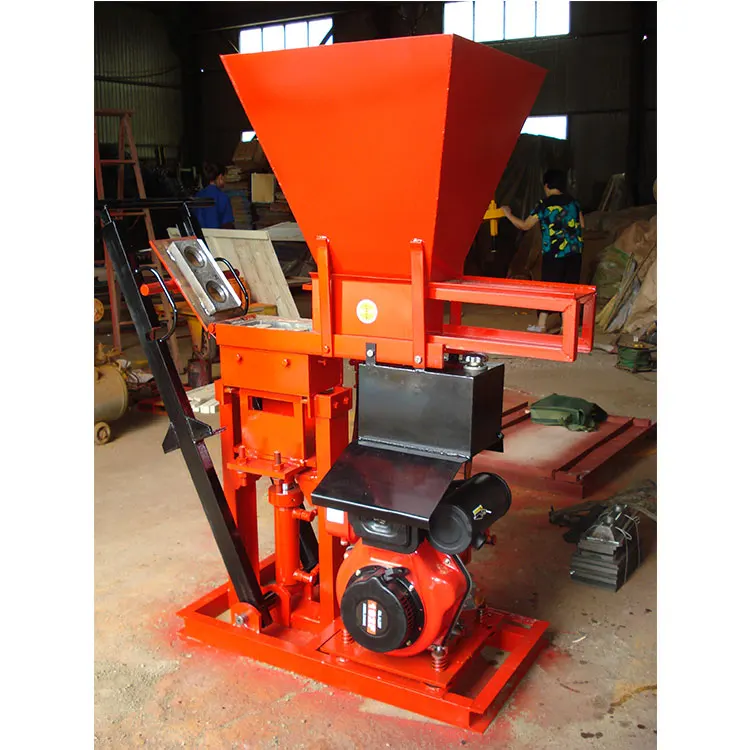
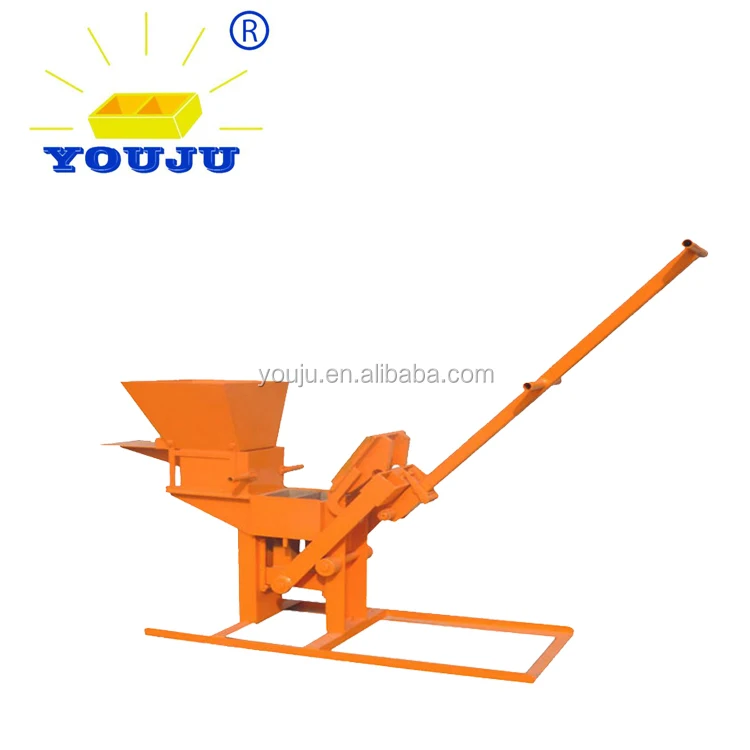
Single-focus block machinery system — machine, mould, pan mixer and diesel drive specified as one matched mobile unit, so buyers see a complete pressing station rather than separate components assembled from different suppliers.
Technical Specifications
| Parameter |
Value |
| Model |
M7MI TWIN |
| Product Type |
Interlocking Clay Brick Making Machine |
| Block Format |
300×150×100 mm interlocking brick |
| Qty per Mould |
2 pcs per press |
| Moulding Cycle Time |
20 seconds (basis: 300×150×100 mm block) |
| Hourly Output |
400 pcs (basis: 300×150×100 mm block) |
| 8-Hour Shift Output |
3,200 pcs (basis: 300×150×100 mm block) |
| Daily Output Claim |
2,200 blocks per day (basis not stated in source) |
| Monthly Output Claim |
45,000 blocks per month (basis not stated in source) |
| Mixer |
Integrated pan mixer |
| Power Source |
Diesel engine |
| Frame Type |
Mobile frame |
| Automation Level |
Manual / mobile operation |
| Block Type |
Non-burning clay soil interlocking brick |
Application Suitability
| Application |
Material or Output |
| On-site housing project production |
Local clay soil formed into interlocking bricks without a fixed plant |
| Mobile contractor operations |
Relocation between job sites as project phases shift |
| First-stage block enterprise |
Lower-investment entry into interlocking brick production using locally available clay |
| Rural and community building programs |
Decentralized brick supply where transporting finished blocks is impractical |
What "400 Blocks per Hour" Really Means on a Clay Site
Cycle time only holds when the mix, the soil, and the operator rhythm all align — not when the catalogue says so.
Many suppliers quote an hourly figure for an interlocking clay brick making machine for sale without stating the block format or the soil condition behind that number. I once watched a contractor in West Africa take delivery of a mobile unit, run it on high-sand clay, and find the bricks crumbling at the edges before they left the mould. The cycle still read 20 seconds on the timer, but usable output was half the brochure claim [NEED_CITE: soil composition effects on clay brick compressive strength]. The real question before any purchase is not the peak cycle — it is whether the press force and the mould geometry match the soil you actually have on site.

Where the M7MI TWIN Sits in the Full Range
The M7MI TWIN occupies the mobile, entry-level tier of our interlocking brick machine lineup. It is built around a single frame that carries the pan mixer, the diesel engine, and the press — everything needed to produce 300×150×100 mm interlocking clay bricks without a separate batching plant or electrical grid connection. Buyers who are evaluating their first interlocking clay brick making machine manufacturer will find this tier gives the smallest site footprint and the lowest capital outlay, while still allowing a future move to semi-automatic or fully automatic tiers as demand grows.
Mobility as a Production Strategy, Not Just a Feature
Diesel power and a tow-ready frame let contractors move the entire pressing station closer to where the clay is excavated, cutting internal transport of raw material and finished bricks. On linear housing developments that stretch across a large site, relocating the machine every few weeks keeps brick output near the point of use [NEED_CITE: logistics cost reduction from on-site block production in developing-economy housing projects]. This is the core reason project owners choose the mobile tier over a stationary plant: the machine follows the build, not the other way around.
Reading the Numbers Behind the Press
The 20-second moulding cycle assumes the 300×150×100 mm interlocking format and two bricks per press. Hydraulic pressure — not yet stated in the source sheet — will determine whether that cycle holds when the clay contains a higher sand fraction. Vibration force, likewise, must be matched to the soil’s plasticity index; too little vibration leaves voids, too much pushes fines out of the interlock profile. The integrated pan mixer delivers the wet mix directly to the hopper, so mixing-to-pressing delay is kept to the time it takes the operator to shuttle the batch.
The Cost of Skipping Soil Testing Before You Order
When a buyer orders a mobile interlocking clay brick making machine without first confirming local soil behaviour, the most common consequence is a mould that produces structurally weak bricks at full cycle speed. The operator slows down to compensate, adding manual tamping or extending the press hold time, and the quoted hourly output collapses. In one project I supported, the buyer switched to a higher-pressure head after the first week of production, but the frame and hydraulics were not rated for it — causing premature seal wear and unplanned downtime [NEED_CITE: hydraulic seal failure rates under over-pressurization in mobile block machines]. Sending a soil sample before the machine ships avoids this mismatch entirely.
Why Buyers Spec This Tier With Us
Block machinery is our single focus, so the M7MI TWIN arrives with its mould, pan mixer, and diesel drive engineered as one matched system rather than bolted together from separate suppliers. We set the press configuration against the buyer’s actual clay sample and target interlock format, not a catalogue default. Mould design covers the formats the buyer’s local market sells, including custom drawings when standard profiles do not fit. Automation level is selectable — a buyer can start with this mobile unit and step up to semi-automatic pallet handling later without replacing the press. Installation support and operator training are included so the first week on site is not spent troubleshooting assembly.
Documentation & Verification
- Line layout and capacity calculation stating 300×150×100 mm format behind every output figure
- Machine specification sheet listing hydraulic pressure, vibration force, and diesel engine rating
- Mould drawing with interlock profile dimensions and format list for the M7MI TWIN
- Factory test record on buyer-supplied clay sample before dispatch
- Operation and maintenance manual plus wear parts list for hydraulic seals and mould liners
Installation, Commissioning & Support
- Site ground must be level and compacted to support the mobile frame without settling during press cycles
- Diesel fuel supply and daily oil checks confirmed before first startup on site
- Pan mixer blades and hopper alignment verified after transport vibration before introducing clay
- Operator trained on 20-second cycle rhythm, mould release technique, and mix moisture control
- Wear parts kit shipped with mould liners and hydraulic seals for the first replacement interval
- Daily greasing schedule for press guide columns and mixer shaft bearings provided in manual
What to Share Before We Quote
Tell us the clay soil type at your project site, including any sand or laterite content you have observed. Specify the interlocking brick format your market demands and the daily volume you need to sustain the build schedule. If you already have a curing area or handling equipment in place, share those dimensions so we can confirm the mobile frame will fit your workflow.
Frequently Asked Questions
Q: How is daily capacity calculated and which block format is assumed?
A: The 400 pcs per hour figure assumes the 300×150×100 mm interlocking clay brick at a 20-second cycle with two bricks per mould. Daily and monthly claims in the source sheet carry a different basis that has not been confirmed — we always restate capacity against the exact format and soil sample the buyer provides before finalizing the order.
Q: Where does the M7MI TWIN sit compared to semi-automatic and automatic tiers?
A: It occupies the mobile, entry-level tier with diesel power and manual pallet handling, requiring the smallest footprint and lowest investment. Semi-automatic tiers add powered pallet feeders and conveyors; fully automatic lines add stacking and cubing. Buyers often start here and upgrade the automation tier later while keeping the same press principle.
Q: What block formats and mould options are available for this machine class?
A: The standard configuration produces 300×150×100 mm interlocking clay bricks with two cavities per mould. Custom mould designs are available to buyer drawings, covering alternate interlock profiles and dimensions that match local building codes and market preferences.
Q: What is confirmed before dispatch regarding power and controls?
A: Because the M7MI TWIN is diesel-powered, voltage and frequency are not applicable to the main drive. Control language confirmation applies to units with PLC panels in higher automation tiers; for this mobile model, the operator interface is mechanical and the manual is supplied in the buyer’s preferred language.
Q: What moulds and hydraulic wear parts are stocked for first replacement?
A: Mould liners, hydraulic seals, and pan mixer blades matched to the M7MI TWIN are prepared as a first-replacement kit and shipped with the machine. A full wear parts and mould list is included in the documentation package so buyers can plan reorders without production interruption.

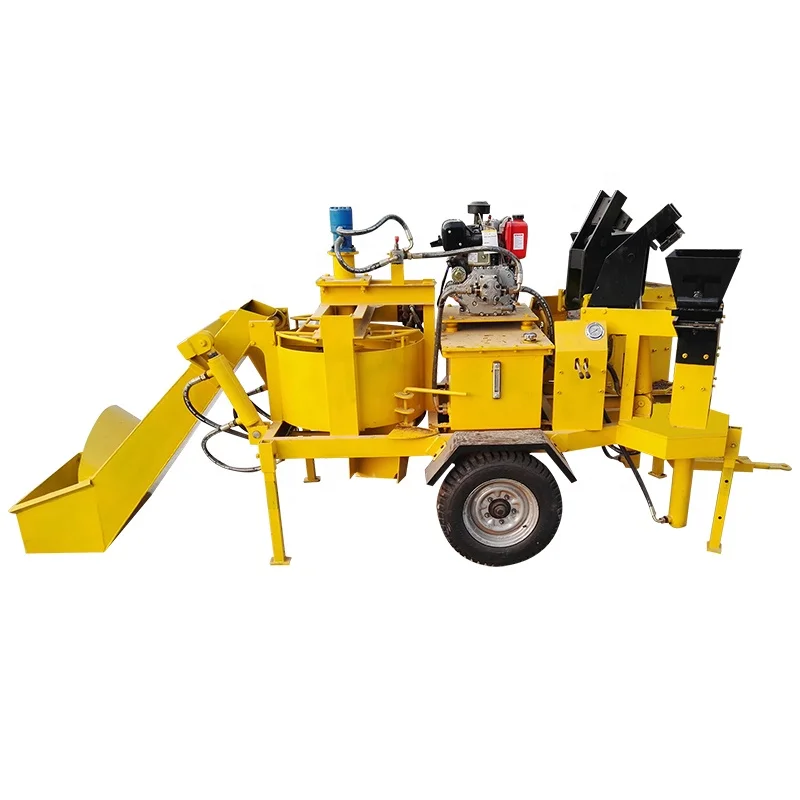
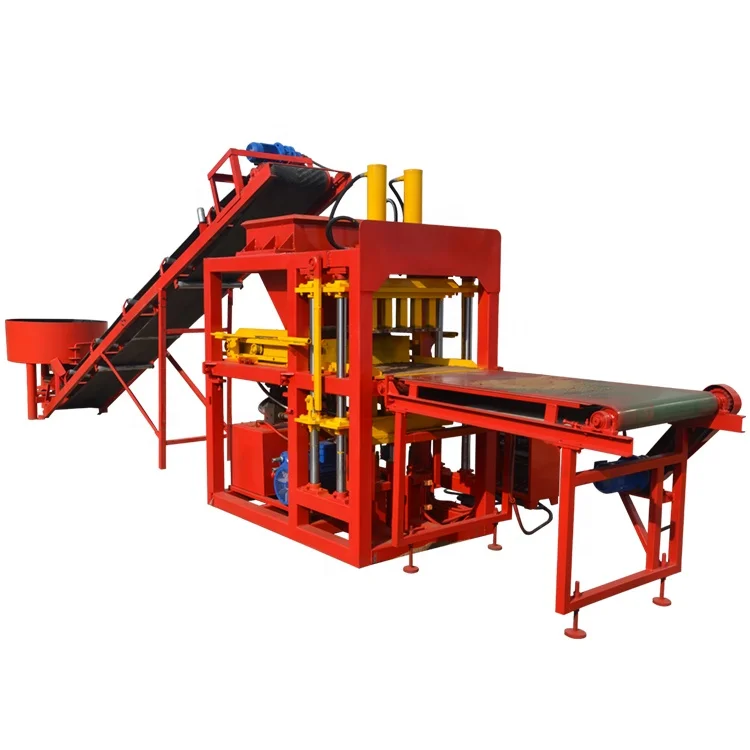 Clay interlocking brick