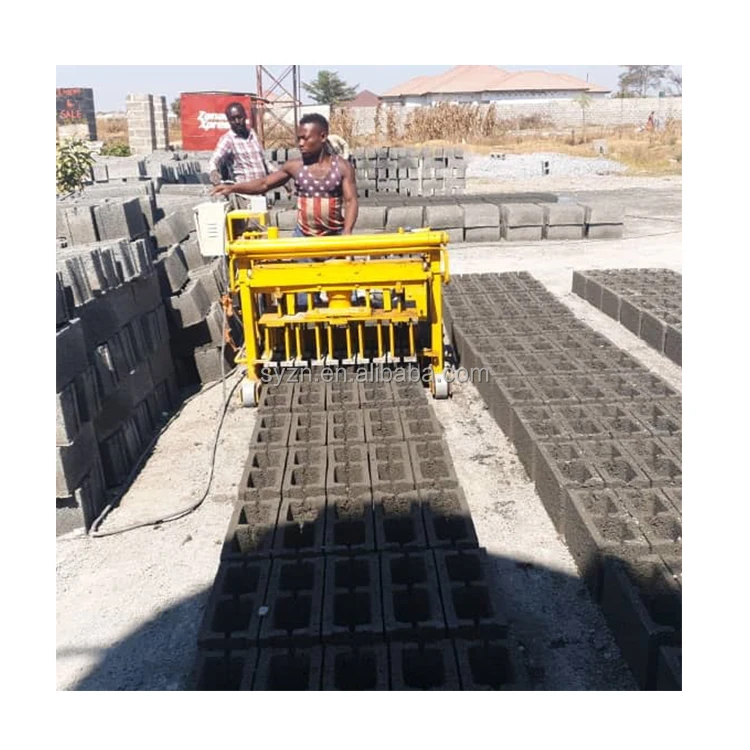
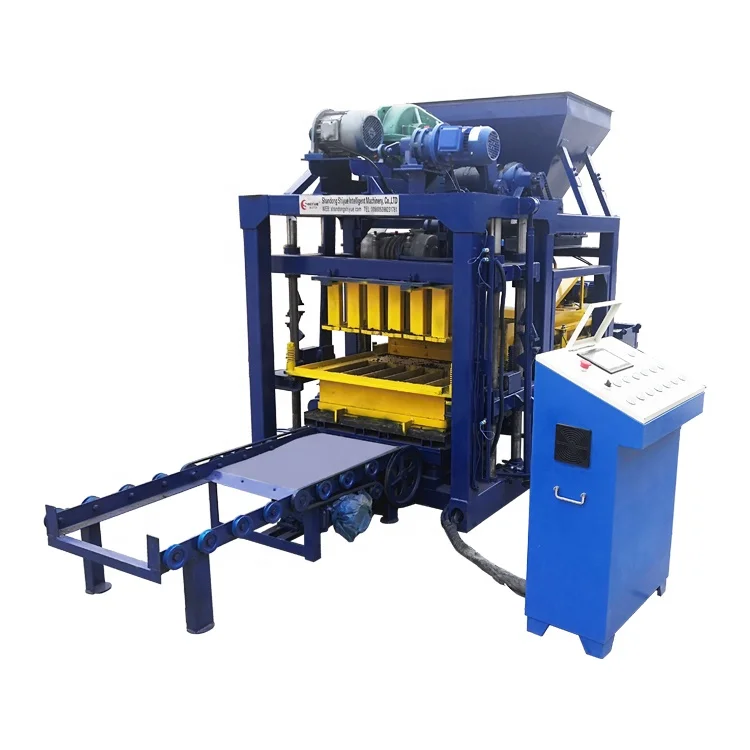
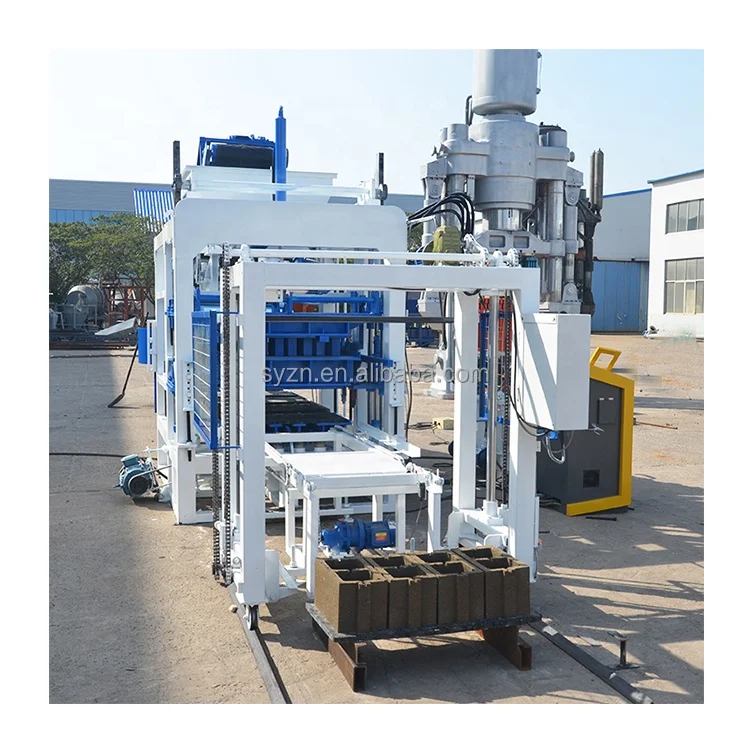
Integrated system thinking — The M7MI mobile interlocking clay brick making machine is specified as a matched unit of press, mould, and diesel power, not a collection of separate components from different suppliers.
Technical Specifications
| Parameter |
Value |
| Model |
M7MI |
| Product Type |
Mobile Hydraulic Interlocking Clay Brick Making Machine |
| Engine Type |
Diesel Engine |
| Rated Power |
7.5 kW |
| Hydraulic Pressure |
16 MPa |
| Overall Dimensions (L×W×H) |
3200×1100×1500 mm |
| Net Weight |
1100 kg |
| Mould Format |
Interlocking clay brick (300×150×100 mm stated) |
| Cycle Time |
15-20 s per interlocking brick (basis not stated in source) |
| Output Capacity |
2200 pcs/day (8 hours) (basis not stated in source); 1600 pcs/8hr based on 300×150×100 mm interlocking brick, 1 pc/mould, 20 s cycle |
| Mould Change System |
Manual mould change for different interlocking formats |
| Automation Level |
Mobile / manual operation |
| Power Source Option |
Diesel engine (suited for sites without electricity) |
| Raw Material Compatibility |
Clay, soil, concrete |
| Assembly State |
Mobile unit, no fixed plant required |
| Key Features |
CE declaration where applicable |
Application Suitability
| Application |
Material or Output |
| On-site interlocking brick production for housing projects |
Clay, soil, or concrete mix designs |
| Off-grid construction sites with no reliable electricity |
Diesel-powered operation, no grid dependency |
| Small-scale building material production for contractors |
Multiple interlocking brick profiles through manual mould changes |
| Remote rural development and infrastructure projects |
Mobile configuration, moves to site without fixed plant setup |
What "2200 Pieces per Day" Actually Means for a Mobile Interlocking Clay Brick Making Machine manufacturer
Output figures are only honest when they name the exact block format and cycle time behind the number.
Too many quotations list a peak capacity without stating which mould profile, material density, or shift length produced that figure. I have seen buyers receive machines expecting a certain daily tally, only to find the real output drops because the quote assumed a lighter solid block rather than the dense interlocking profile they actually need. The M7MI is quoted at both 2200 and 1600 pieces per eight-hour shift, and the difference comes down to the specific interlocking brick size, wall thickness, and whether the operator sustains a 15-second or 20-second cycle. Without clarifying those variables up front, any capacity number is guesswork. [NEED_CITE: standard methods for quoting block machine capacity by format]

Where Diesel Power Meets the Block Format
The M7MI sits in the mobile tier of our range, designed for buyers who need to produce interlocking clay bricks directly on the building site. A diesel engine drives the hydraulic system at 16 MPa, removing the need for grid electricity that may not exist in remote project locations. This single power source runs both the press cycle and any vibration assist, keeping the machine self-contained.
For a mobile interlocking clay brick making machine manufacturer, matching the diesel output to the hydraulic demand is the critical engineering step. Undersizing the engine leads to pressure drops mid-cycle and inconsistent brick density. The M7MI’s 7.5 kW rating is set against the 16 MPa hydraulic circuit so that each press stroke delivers the same forming force regardless of ambient temperature or altitude.
How Mould Flexibility Shapes the Range
A buyer’s market may demand two or three interlocking profiles — a standard wall brick, a corner unit, and a half-length bond brick. The M7MI accepts manual mould changes across these formats, and custom mould designs can be produced from buyer drawings. This means one machine covers the format mix the local market actually sells rather than forcing the buyer to purchase separate presses.
Each mould profile has its own cycle time and daily output. A thicker interlocking brick with deeper interlock teeth requires longer compression and may run at 20 seconds per cycle, while a thinner paving-style interlocking unit might cycle at 15 seconds. The capacity calculation we provide names the exact format behind every figure so the buyer can plan labour and material supply around realistic numbers. [NEED_CITE: interlocking brick format variations in African and Southeast Asian markets]
Reading the Pressure, Weight, and Footprint
The 16 MPa hydraulic pressure determines how tightly the clay or soil particles are compressed into the interlocking profile. Higher pressure generally produces denser bricks with greater compressive strength, but it must be matched to the mix design — a very dry clay mix may fracture under excessive force, while a wetter soil mix may not hold the interlock teeth sharply at lower pressure. The M7MI’s pressure rating sits in the range suited to typical laterite, red clay, and stabilised soil blends used in interlocking brick production.
At 1100 kg net weight and 3200×1100×1500 mm overall dimensions, the machine is heavy enough to resist shifting during the press stroke yet light enough to be towed or lifted onto a flatbed between sites. The footprint requires a level, compacted ground surface rather than a poured concrete foundation. This matters for contractors who move between housing plots and cannot invest in a permanent slab at each location. The manual mould change system keeps the operator count low — typically one person feeding material and one person handling the press lever and brick removal — which suits small crews on remote sites.
The Hidden Cost of Overlooking the Pallet and Curing Question
Even a mobile machine needs a flat surface to set the freshly pressed bricks on. Buyers who focus solely on the press often forget to plan the curing area, the handling method, and the stacking logic around the machine. If the output is set down on uneven ground, the interlocking teeth can chip before the clay has stabilised, turning a portion of each shift’s production into waste. [NEED_CITE: common causes of interlocking brick breakage during handling and curing]
I have visited sites where the machine performed exactly as specified, but the curing racks were not included in the scope and bricks were stacked by hand on bare soil. The result was a rejection rate that ate into the quoted capacity. Planning the pallet or ground-sheet specification, the curing shade, and the stacking pattern before the machine arrives prevents this kind of avoidable loss.
Why Source This Machine Through a Single-System Supplier
Block machinery is our sole focus, so the M7MI press, its diesel engine, hydraulic circuit, and mould set are specified as one matched system rather than assembled from separate vendors. This eliminates the mismatch risk where a third-party engine cannot sustain the hydraulic pressure the press demands.
Configuration is set against the buyer’s actual clay or soil sample, local aggregate availability, and target interlocking format, not a catalogue default. We test the mix before finalising the pressure and cycle settings.
Mould design covers the interlocking profiles the buyer’s market sells, including custom drawings for proprietary bond patterns or non-standard wall thicknesses. Automation level is selectable — a buyer can start with fully manual operation and add pallet feeding or stacking assistance later if the project scales up.
Installation and commissioning include operator training on the diesel engine start-up procedure, hydraulic pressure adjustment, and mould change sequence, ensuring the crew can run independently from the first shift.
Documentation & Verification
- Line layout and capacity calculation stating the interlocking brick format behind each output figure
- Machine specification sheet with hydraulic pressure and diesel engine rating confirmed
- Mould drawing and format list covering standard and custom interlocking profiles
- Hydraulic and electrical schematic for the diesel start circuit and press control
- Factory test record on the buyer’s specified clay or soil mix before dispatch
- Operation and maintenance manual with wear parts list and mould replacement schedule
Installation, Commissioning & Support
- Level, compacted ground area of sufficient size for the 3200×1100 mm footprint and brick lay-down zone
- Diesel fuel supply and engine break-in procedure verified before first production shift
- Hydraulic pressure set to 16 MPa and verified with gauge on site during commissioning
- Mould change sequence demonstrated with the buyer’s target interlocking brick profiles
- Operator training covers daily greasing points, hydraulic hose inspection, and diesel engine maintenance
- Wear parts list and mould reorder drawings provided for the first replacement cycle
What We Need to Size the M7MI Correctly
Send us the interlocking brick profile your market sells — dimensions, wall thickness, and whether a stabiliser like cement is added to the clay. Include a sample or description of the local clay or soil so we can match hydraulic pressure and cycle time to the mix. Let us know the site altitude and ambient temperature range so the diesel engine can be tuned accordingly.
Frequently Asked Questions
Q: Why are there two different daily output figures for the M7MI?
A: The 2200-piece figure assumes a shorter cycle and possibly a smaller or lighter interlocking brick format, while the 1600-piece figure is based on a 300×150×100 mm interlocking brick at a 20-second cycle with one piece per mould. We confirm which format applies to your project and provide a capacity calculation tied to that exact profile.
Q: How do I know if 16 MPa hydraulic pressure suits my local clay?
A: Different clay types respond differently to compression. A very sandy laterite may need higher pressure to achieve adequate interlock definition, while a pure clay with high plasticity may compress well at lower pressure. We request a material sample or description to match the pressure setting to your specific mix design.
Q: What ground preparation does the M7MI require on site?
A: The machine needs a level, compacted surface to prevent shifting during the press stroke. A poured concrete slab is not required, but loose topsoil must be removed and the ground tamped firm. A cleared area large enough for the machine footprint plus brick lay-down and curing space should be prepared before arrival.
Q: Are moulds and hydraulic wear parts available after the first run?
A: Yes. Each M7MI ships with a wear parts list and mould reorder drawings. Hydraulic seals, hoses, and mould liners are standard catalogue items we keep in production. Custom interlocking moulds are manufactured to buyer drawings and can be shipped separately when additional profiles are needed.
Q: What feeding and curing setup keeps the M7MI running at rated cycle time?
A: A consistent material feed — whether by shovel, small hopper, or conveyor — prevents idle time between press strokes. On the output side, a defined curing area with flat pallets or ground sheets and shade protection allows bricks to stabilise without blocking the machine. Both stations must be planned before the first shift to sustain the quoted cycle.

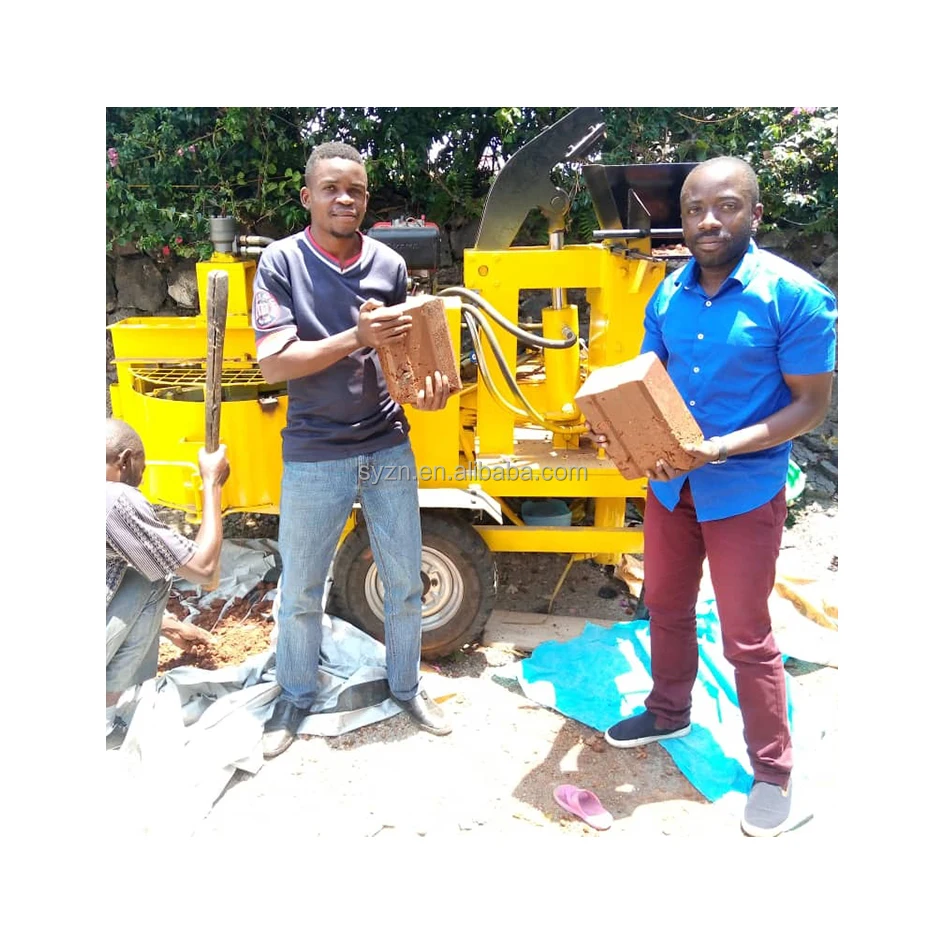
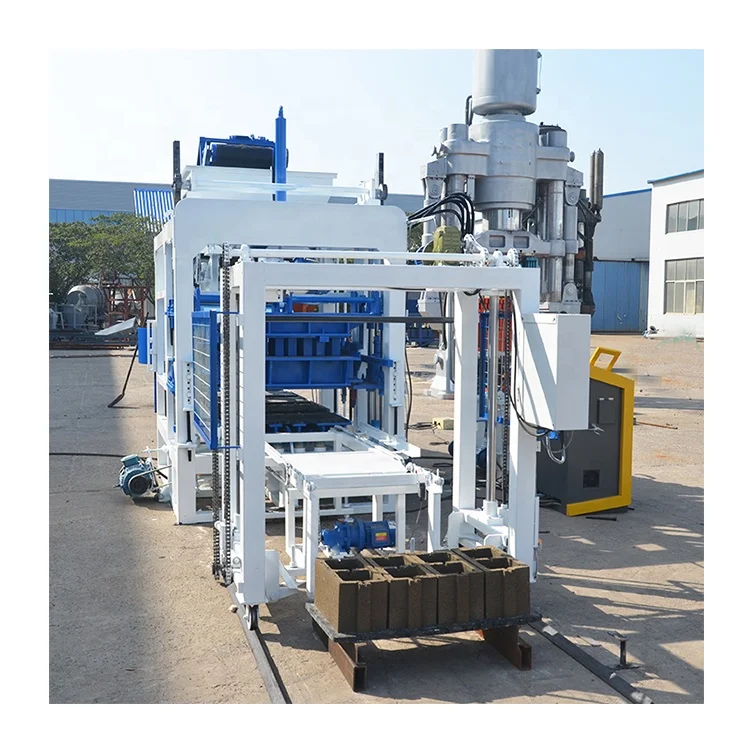 High quality block machine