
 High quality block machine
Home
Products
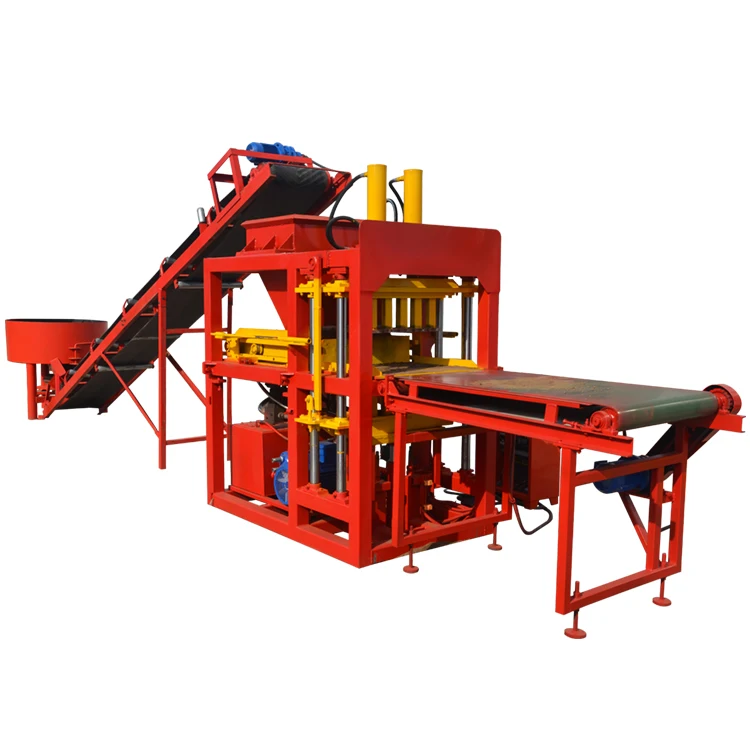
High quality block machine
Factory Supply Qt4-24 Semi Automatic Block Machine for Hollow Block
 High quality block machine
Concrete Machinery
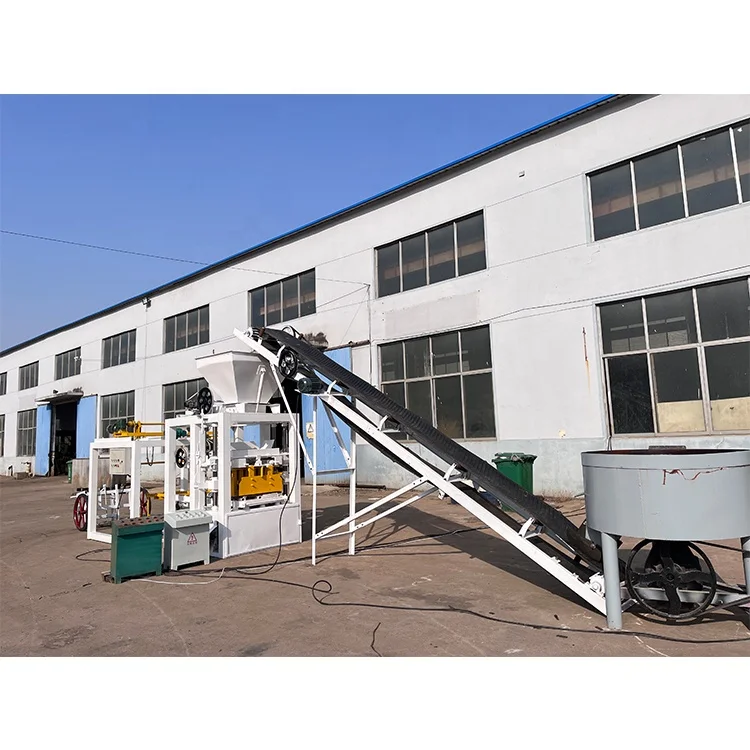
Factory Supply Qt4-24 Semi Automatic Block Machine for Hollow Block
<p><strong>QT4-24 Semi Automatic Block Machine, 35.5 kN Vibration, 850×450 mm Pallet</strong> — designed for hollow block and solid brick production with matched mould, pallet and mixer as one coordinated system.</p> <ul> <li>Vertical vibration at 4200 r/min ensures consistent block density across formats</li> <li>JQ350 mixer included so feeding rhythm aligns with the 26s moulding cycle</li> <li>Semi-automatic tier suits first-time plant setups or on-site contractor production</li> </ul> <p>Backed by configuration against your actual mix design, local aggregate and target block format — not a catalogue default.</p>
CE Certified
European Standards
Ships 15-30 Days
Fast Delivery
108+ Countries
Global Export
After-Sales Support
Training Included
24h Response
Free Technical Consultation
Product Details
Matched System Approach — The QT4-24 semi automatic block making machine is configured as one integrated unit where vibration force, pallet size, and mould formats are specified together against your local aggregate and target block dimensions.
Technical Specifications
| Parameter | Value |
|---|---|
| Model | QT4-24 |
| Product Type | Semi Automatic Concrete Block Making Machine |
| Moulding Cycle | 26s (basis to be confirmed per block format and material) |
| Vibration Frequency | 4200 r/min |
| Exciting Force | 35.5 kN |
| Rated Power | 14.25 kW |
| Mixer Model | JQ350 |
| Pallet Size | 850×450×20 mm |
| Overall Dimensions | 2060×1730×2580 mm |
| Net Weight | 1800 kg |
| Applied Products | Concrete hollow blocks (8 inch, 6 inch), solid brick |
| Raw Materials | Crushed stones, sand, cement, dust, fly ash |
| Output Capacity (Hollow 390×190×190 mm) | 4 pcs/mould, 480 pcs/h, 3800 pcs/8h |
| Output Capacity (Hollow 400×150×200 mm) | 5 pcs/mould, 600 pcs/h, 4800 pcs/8h |
| Output Capacity (Solid 240×115×53 mm) | 18 pcs/mould, 2100 pcs/h, 17000 pcs/8h |
| Automation Level | Semi-automatic |
| Voltage & Frequency | Configurable to target market (to be confirmed before production) |
| Control System | To be confirmed (PLC or manual panel) |
Application Suitability
| Application | Material or Output |
|---|---|
| Small to medium block plants | Hollow blocks and solid bricks from crushed stone, sand, cement |
| On-site contractor production | Hollow blocks for immediate masonry use on housing projects |
| First-time block plant setup | Locally sourced aggregates including fly ash and quarry dust |
| Format expansion for existing plants | Adding 8-inch or 6-inch hollow block capability to current range |
What "480 Pieces per Hour" Actually Means for Your Site
Capacity figures only hold value when the block format behind them is stated upfront.
I spent years on sites where the machine arrived and the daily output never matched the brochure number. The reason was always the same: the quoted capacity assumed a specific block size and mix that the buyer was not producing. A semi automatic block making machine manufacturer should tell you that 480 pieces per hour is based on a 390×190×190 mm hollow block, and a different format changes that number entirely. Without the format stated, you are comparing machines on a number that does not apply to your market [NEED_CITE: block format assumptions in capacity quotations].
Where the QT4-24 Sits in the Full Machine Range
The Shiyue range spans from small workshop units to high-capacity automatic lines. The QT4-24 occupies the semi-automatic tier, positioned for buyers who need consistent hollow block and solid brick output without the investment of a fully automatic stacking and cubing system. This semi automatic block making machine manufacturer configures each tier so the press, mixer, and pallet handling are matched, meaning the JQ350 mixer feeds at a rhythm that keeps the 26-second cycle from waiting on material.
Understanding the Semi-Automatic Tier Against Higher Tiers
A semi-automatic setup means the operator handles pallet movement and stacking manually, while the press cycle itself runs on controlled vibration and timing. Buyers moving from hand-moulding or egg-laying machines find this tier delivers consistent block density through the 35.5 kN vibration force without requiring a large crew. The upgrade path to automatic pallet feeding and stacking remains open, so the plant can grow with demand rather than requiring a full replacement [NEED_CITE: automation upgrade paths in block production].
Vibration Force, Pallet Size, and Mixer Matching
The 35.5 kN exciting force acts directly under the mould at 4200 r/min, compacting the mix vertically to produce consistent wall thickness on hollow blocks. This force must be matched to your aggregate — crushed stone requires different compaction energy than fly ash-dominant mixes. The 850×450×20 mm pallet size is not arbitrary; it must align with your curing rack spacing and the forklift you already operate. The JQ350 mixer is rated to keep the press fed continuously, preventing the bottleneck where the vibration cycle finishes but the next batch is still mixing.
The Voltage and Frequency Question Before the Order
One machine I sent to a desert-edge site was specified for 380V. The local grid ran at 415V. The motor would not start, and the site foreman had blocks on the critical path. Three weeks went into sourcing and fitting a step-down transformer while masonry crews stood idle. Every unit now leaves with voltage, frequency, and control language confirmed in writing before production begins. A semi automatic block making machine manufacturer that skips this step is leaving your commissioning date to chance [NEED_CITE: voltage and frequency standards by export market].
Why Procurement Through a Single-Focus Supplier Matters
Block machinery is the only product category here, so the QT4-24 is not assembled from unrelated catalogue items. The machine, mould, pallet, and handling equipment are specified as one system against your actual mix design and local aggregate. Mould design covers the formats your market sells, including custom drawings when standard 8-inch and 6-inch hollow blocks do not match local building codes. The automation level is selectable — you can start with manual pallet handling on the QT4-24 and add automatic feeding and stacking later without replacing the press. Factory testing records the actual cycle time for your specified block format before dispatch, not a generic number.
Documentation & Verification
- Line layout showing press, JQ350 mixer, and curing area footprint for the QT4-24
- Capacity calculation sheet stating block format behind each output figure
- Mould drawing and format list confirming 8-inch and 6-inch hollow block compatibility
- Voltage, frequency, and control language confirmation signed before production
- Factory test record with cycle time measured on your specified block format
Installation, Commissioning & Support
- Foundation pad leveled to within tolerance for the 1800 kg net weight of the QT4-24
- Dedicated electrical circuit matching confirmed voltage and frequency at 14.25 kW rated power
- Machine arrives as one main assembly with bolt-on vibration table and mould frame
- First-day commissioning includes cycle time verification against your block format and mix
- Operator training covers mould change procedure and daily vibration assembly inspection
- Wear parts list with mould and pallet reorder specifications included at handover
Preparing Your Inquiry
To receive a configuration that matches your site, provide the block formats your market demands and the daily output you need to hit. Include your local aggregate type, available curing area dimensions, and the voltage and frequency at your facility. If you have existing pallets or forklifts, state the sizes so the 850×450 mm pallet can be confirmed or adjusted.
Frequently Asked Questions
Q: What output tier does the QT4-24 occupy, and when should a buyer move to the next model?
A: The QT4-24 sits in the semi-automatic tier, suited for small to medium plants producing hollow blocks and solid bricks. Buyers step up to higher models when daily demand exceeds what manual pallet handling can sustain, or when the labour cost of manual stacking makes automatic feeding and cubing the more economical path.
Q: How is capacity calculated per block format for the QT4-24?
A: Each output figure is tied to a specific block size. The 480 pieces per hour figure assumes a 390×190×190 mm hollow block at 4 pieces per mould. Switching to a 400×150×200 mm format yields 600 pieces per hour at 5 per mould. Your realistic daily output depends on which format you actually produce and your shift length.
Q: What plant footprint does a semi-automatic QT4-24 setup require?
A: The press itself measures 2060×1730×2580 mm, but the full setup includes the JQ350 mixer station, raw material feed area, pallet staging, and a curing zone sized to hold a full shift’s output. Total footprint depends on your pallet stacking method and how many curing racks you plan to run.
Q: Can the QT4-24 be upgraded to automatic pallet handling later?
A: The semi-automatic tier is designed with an upgrade path. Automatic pallet feeding and stacking modules can be added to the existing press without replacing the vibration assembly or main frame, allowing the plant to increase output and reduce manual handling as demand grows.
Q: What mould formats are available, and can custom sizes be produced?
A: Standard moulds cover 8-inch and 6-inch hollow blocks plus solid brick. Custom moulds can be designed to buyer drawings when local building standards require non-standard dimensions. Mould compatibility with the QT4-24 vibration table and pallet size is confirmed during the design stage.
Get a Quote
Request Price for Factory Supply Qt4-24 Semi Automatic Block Machine for Hollow Block
Fill in your requirements and our export manager will respond within 24 hours with pricing, specs and a customized solution.
You May Also Like
Related Products
High quality block machine
 High quality block machine
Cement Block Making Machine QT4-15 – Full Range for Hollow Block and Paver
QT4-15 Semi-Automatic Concrete Block Making Machine, 18.45 kW, 4600 r/min Vibration, 850×550 mm Pallet —...
View Details High quality block machine
SHIYUE QT4-15 Block Making Machinery Lepin Building Blocks Concrete Hollow Blocks for Sale
Product Description QT4-15A SHIYUEbrick machinery for hollow brick paving machine introductionQTJ4-15A block making machine can...
View Details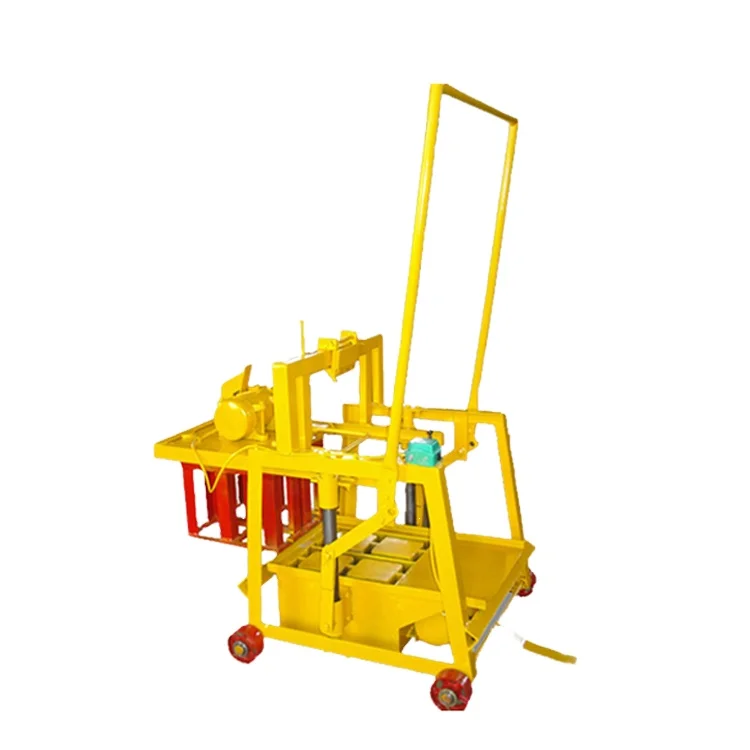 High quality block machine
QMJ2-45 Mobile Electric Tricycles Manual Movable Hollow Block Mould Egg Laying Brick Prices
Products Description QMJ2-45 mobile electric tricycles Manual movable hollow block mould egg laying brick prices...
View Details
Established Manufacturer · Since 2005
Ready to Start Your Concrete Production Line?
Our 320+ engineers will design a customized solution for your local materials, voltage and site conditions. Get a free layout plan and ROI estimation within 24 hours.
108+ Countries Exported
46,000㎡ Factory
320+ Engineers
24h Response Guaranteed