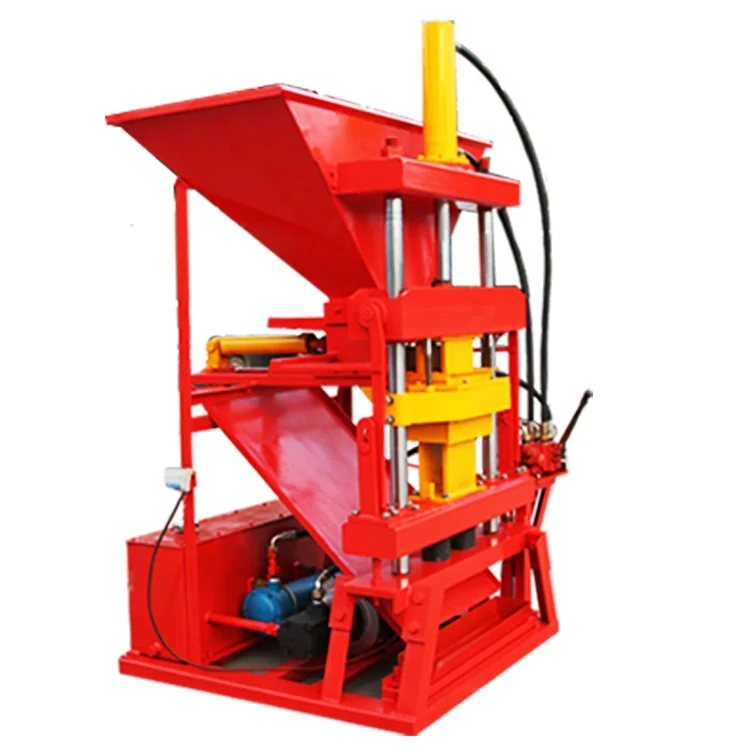
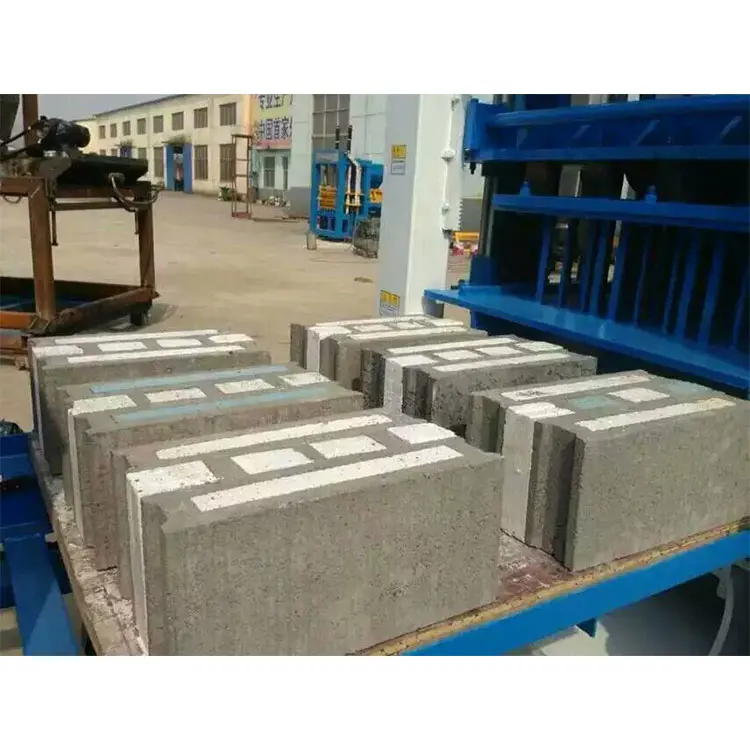
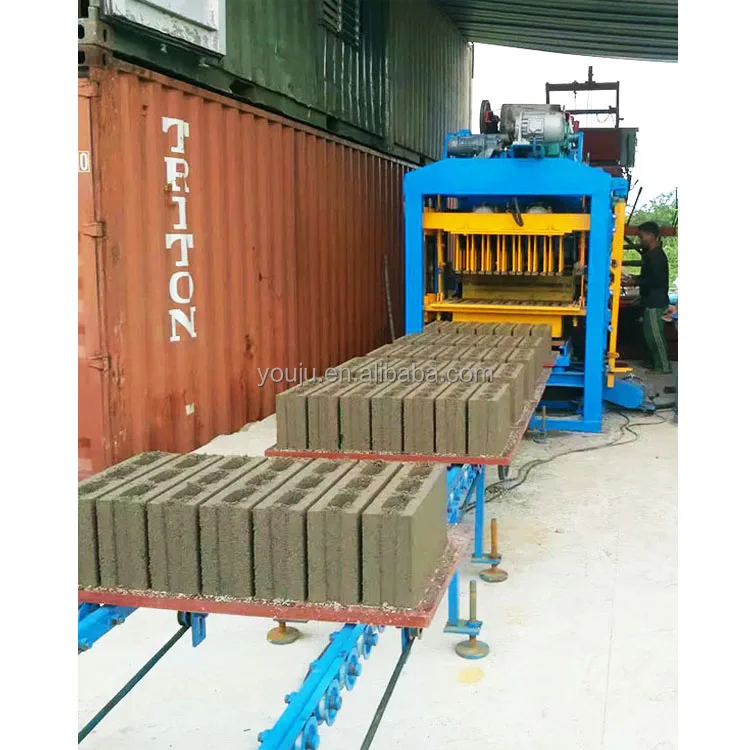
Complete line thinking — we configure the press, pallet, and handling as one system matched to your block format rather than quoting a standalone machine, keeping the QT4-25 aligned with your actual curing area and downstream capacity.
Technical Specifications
| Parameter |
Value |
| Model |
QT4-25 |
| Product Type |
Automatic Concrete Block Making Machine |
| Control System |
PLC fully automatic control |
| Rated Power |
16.58 kW |
| Molding Cycle |
25 seconds |
| Output Capacity |
4600 pcs/8h (basis not stated in source — confirm block format and material) |
| Pallet Size |
850 × 480 mm |
| Vibration System |
Vibration motor with dedicated large vibration box |
| Frame Construction |
Thickened steel frame |
| Motor Specification |
Siemens motor |
| Automation Level |
Full automatic with automatic pallet feeding, material feeding and scraping, block stacking |
| Net Weight |
5000 kg |
| Overall Dimensions |
6400 × 1500 × 2700 mm |
| Voltage and Frequency |
Configurable to buyer’s local standard (confirm before production) |
| Warranty |
One year |
Application Suitability
| Application |
Material or Output |
| Hollow block production |
Concrete, sand, cement, crushed stone, fly ash |
| Solid block manufacturing |
Cement, sand, aggregate, lime, water |
| Paver stone production |
Concrete mix with fine aggregate for surface finish |
| Medium-volume block plant |
Automated pallet handling and stacking for continuous output |
Why the Voltage Question Should Come Before the Price
An automatic block making machine tripping the breaker on day one is a failure of specification, not a failure of engineering.
I once configured a mid-tier automatic unit for a plant in South Asia without confirming their supply was 415V rather than the standard 380V. The machine ran for minutes before the overload relay opened, and the plant sat idle while a replacement VFD was air-freighted. Two weeks of lost production, a frustrated operator crew, and a commissioning engineer waiting on parts that should never have been wrong in the first place. That voltage mismatch is one of the most common commissioning delays across export markets, yet it is entirely preventable when the conversation happens before the order is placed [NEED_CITE: voltage and frequency standards by export market].

Where the QT4-25 Sits in the Automatic Range
The QT4-25 occupies the mid-tier position in the full machine range. It is an automatic block making machine designed for plants that have outgrown semi-automatic operation but do not yet need the output volume or hydraulic pressure of a high-capacity line. Buyers moving from manual pallet handling to automated feeding and stacking find this tier removes the most labor-intensive stations without the capital jump of a fully hydraulic press.
Matching Machine Tier to Plant Footprint and Investment
Every tier in the range carries a different plant footprint, power draw, and supporting equipment requirement. The QT4-25 at 16.58 kW and 5000 kg net weight fits a medium workshop with standard three-phase supply and does not require the heavy civil works of larger hydraulic models. Semi-automatic machines in the lower tier demand less infrastructure but rely on manual pallet cycling, while high-capacity hydraulic models in the upper tier need dedicated curing racks, larger pallet inventories, and heavier foundations [NEED_CITE: CE machinery directive requirements for industrial equipment].
Reading the Specs That Determine Daily Output
The 25-second molding cycle governs how many press strokes complete per shift, but the actual block count depends entirely on the format on the pallet. An 850 × 480 mm pallet carrying four hollow blocks per cycle produces a very different daily total than the same pallet carrying twelve interlocking pavers. The vibration motor and dedicated vibration box compact the mix without hydraulic pressure, which suits standard concrete mixes but limits the density achievable with low-cement or fly-ash-heavy formulations. The thickened steel frame absorbs continuous vibration stress over years of operation, and the Siemens motor provides drive reliability under the sustained load of an eight-hour production shift.
The Cost of Skipping Configuration Details
When pallet size is chosen without checking the buyer’s existing curing racks, the blocks arrive at the curing area and do not fit, forcing a manual restack that cancels the benefit of automatic stacking. When the PLC language is not confirmed, the operator faces a control screen in a language they cannot read, and every parameter adjustment becomes a guessing game. These are not engineering defects; they are specification gaps that surface only after the machine is bolted to the floor [NEED_CITE: industrial equipment commissioning failure causes].
Why Buyers Source This Range Here
Block machinery is the single focus, so the QT4-25 press, mould, pallet, and handling equipment are specified as one matched system rather than assembled from separate suppliers. The configuration is set against the buyer’s actual mix design and target block format instead of a catalogue default. Mould design and supply cover the formats the buyer’s market sells, including custom drawings. The automation level is selectable, so a plant can start with the QT4-25 and upgrade to higher automation later. Installation and commissioning support includes operator training on the specific PLC interface and molding parameters.
Documentation & Verification
- Line layout with capacity calculation stating the exact block format for each output figure
- Machine specification sheet confirming voltage, frequency, and PLC display language before production
- Factory test record demonstrating cycle time and block quality on your target format
- Pallet specification matched to your curing area dimensions and forklift capacity
- Mould drawing and format list showing cavity count per pallet for each block type
Installation, Commissioning & Support
- Foundation pad leveled to within tolerance for the 6400 × 1500 mm frame footprint before delivery
- Dedicated three-phase circuit sized for 16.58 kW with correct voltage and frequency confirmed in writing
- Machine arrives factory assembled; on-site installation covers reconnection and alignment of pallet feeder and stacker
- First commissioning run sets molding cycle, vibration duration, and material feed timing for your specific mix
- Operator training covers PLC navigation, mould change procedure, and daily inspection points
- Wear parts and mould list provided at handover for planned replacement scheduling
What We Need to Configure Your Line
Share your target block format with dimensions, daily output requirement, and local raw material availability so we can calculate realistic capacity per format. Confirm your site voltage, frequency, and preferred PLC display language to avoid commissioning delays. Let us know your existing curing area layout and forklift capacity so the pallet specification integrates with your current handling equipment.
Frequently Asked Questions
Q: How is the 4600 pcs/8h capacity figure calculated, and which block format does it assume?
A: That figure is listed without a stated block format in the source data. Before production, we issue a capacity calculation document that specifies the exact block type, cavity count per pallet, and molding cycle used for each output number. This ensures your daily production plan matches the format your market actually purchases rather than a generic reference figure.
Q: Where does the QT4-25 sit compared to semi-automatic and high-capacity hydraulic models?
A: The QT4-25 is a mid-tier automatic block making machine with full PLC control and automated pallet handling. Semi-automatic models in the lower tier require manual pallet cycling and suit smaller plants. High-capacity hydraulic models in the upper tier add hydraulic pressure for denser blocks and higher output, but demand larger plant footprints and heavier foundations.
Q: What automation functions are included on this model?
A: The QT4-25 includes automatic pallet feeding, material feeding and scraping, and block stacking. These functions remove the most labor-intensive manual stations from the production cycle. Cubing and curing rack handling are available as line extensions depending on your plant layout and throughput requirements.
Q: How is voltage, frequency, and PLC language confirmed before production?
A: We require written confirmation of your local supply voltage, frequency, and preferred PLC display language before the machine enters production. This step prevents the most common commissioning failure in export shipments — a voltage mismatch that trips the breaker on day one and delays operations while replacement components are sourced.
Q: What is the plant footprint and investment level compared to adjacent tiers?
A: The QT4-25 occupies a medium workshop footprint at 6400 × 1500 × 2700 mm overall dimensions with a 16.58 kW power requirement. It requires less civil work and supporting infrastructure than high-capacity hydraulic models while delivering automated handling that semi-automatic machines do not include, positioning it as a practical step-up for growing block plants.

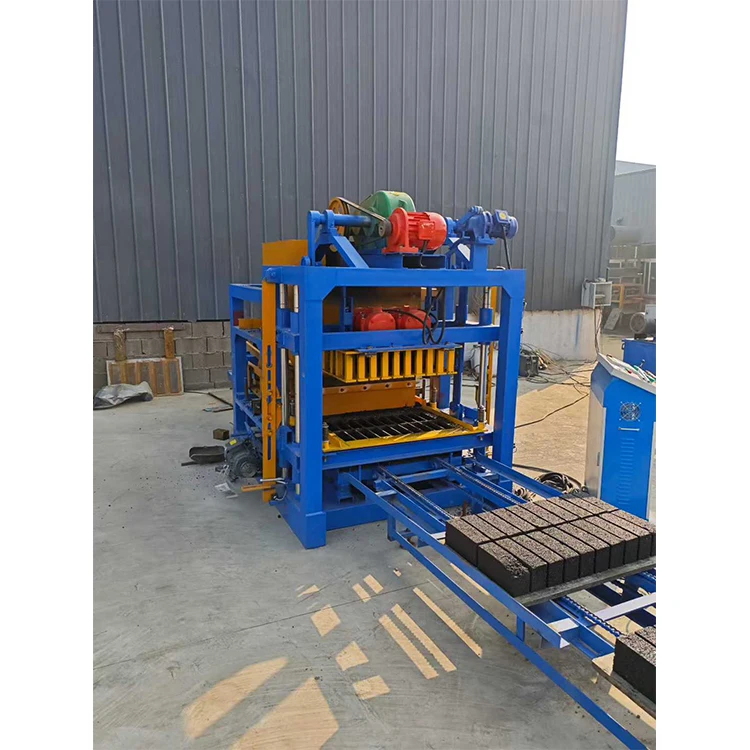
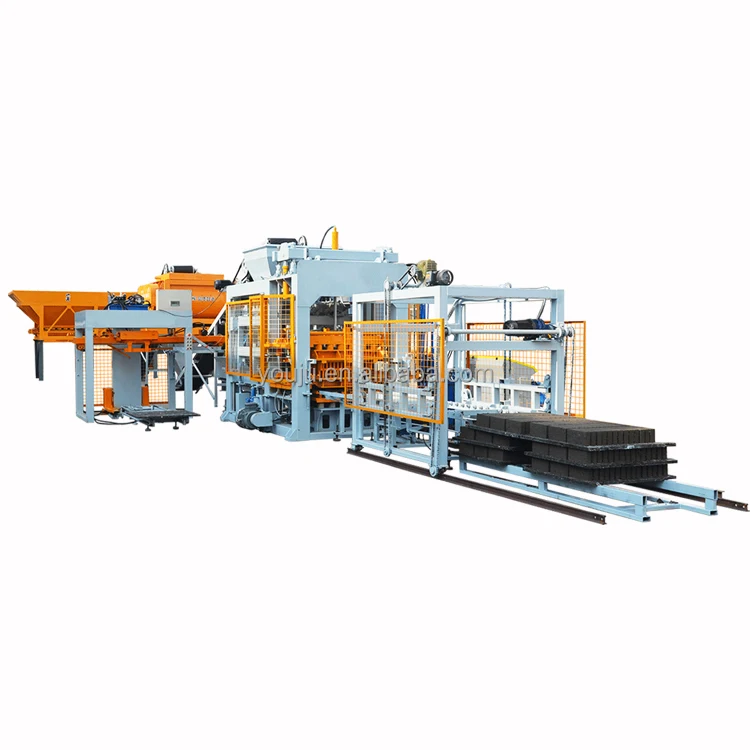 Automatic block machine