

Sweden Fly Ash Block Machine Manufacturer QT Series for Sale
A premium European brand name does not guarantee a complete, ready-to-run production line.
For procurement managers and plant investors comparing suppliers, the most cost-effective alternative to a Sweden fly ash block machine manufacturer is often a certified Chinese supplier offering QT-series automatic lines with comprehensive turnkey services. While European engineering holds prestige, modern Chinese manufacturing now delivers comparable automation logic, hydraulic stability, and output capacity for fly ash blocks at a significantly lower capital expenditure. The critical differentiator is not the country of origin, but the completeness of the configuration list and the transparency of after-sales support. Buyers who verify PLC origins, hydraulic component specs, and detailed accessory lists can secure high-performance equipment without the hidden delays and cost overruns frequently associated with standard international contracts.
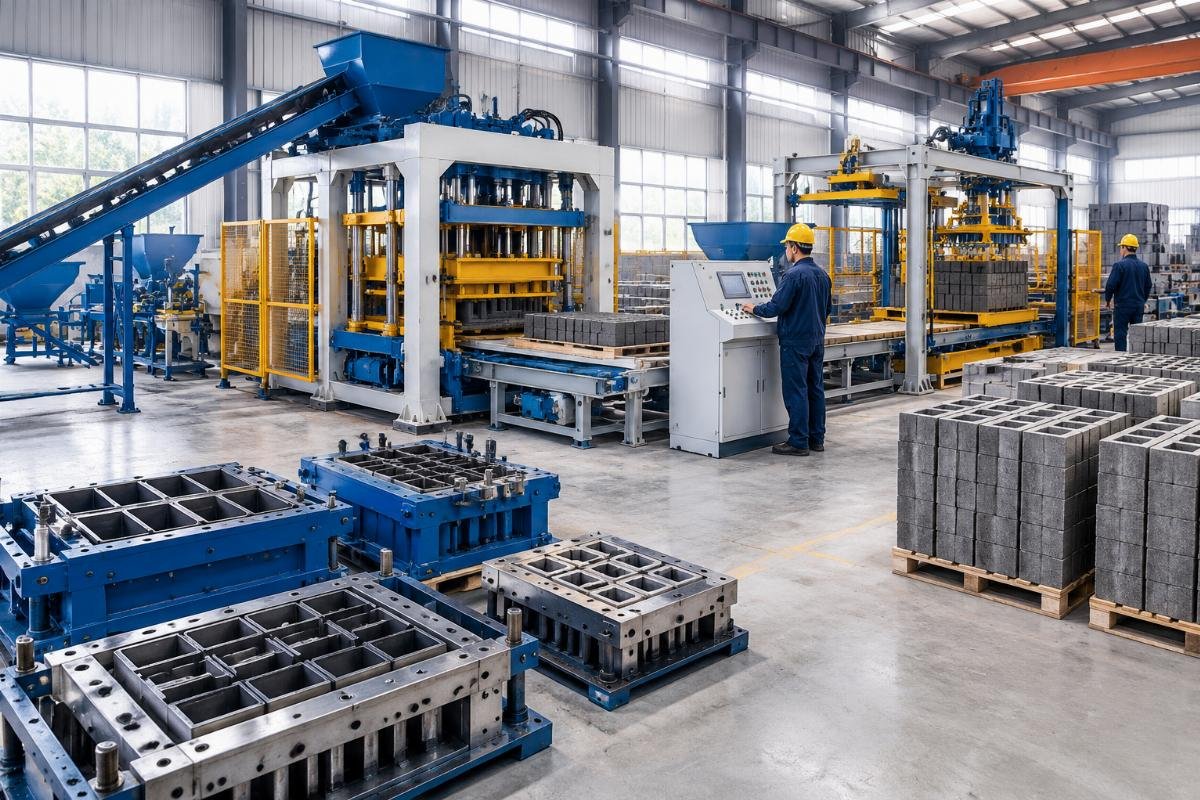
The shift in global procurement strategy is driven by a need for value rather than just brand heritage. In emerging markets across Africa, the Middle East, and Latin America, project timelines are tight, and cash flow is sensitive to unexpected delays. A Sweden fly ash block machine manufacturer may offer robust mechanical designs, but the total cost of ownership often includes substantial premiums for logistics, technician travel, and proprietary spare parts. By contrast, suppliers who provide factory-direct pricing and include installation and training in the initial package allow investors to achieve faster return on investment. This approach requires buyers to move beyond superficial brand recognition and focus on technical verification and contractual clarity.
Why Are Buyers Re-evaluating Swedish Fly Ash Block Machine Manufacturers?
Brand prestige is no longer the sole indicator of operational reliability in the concrete block industry.
For decades, European manufacturers dominated the market for high-end construction equipment. However, the gap in technological capability has narrowed significantly. Modern PLC-controlled systems from Asian manufacturers now match the logical precision and automation levels previously exclusive to Western brands. [NEED_CITE: evolution of PLC automation in construction machinery] Buyers are increasingly recognizing that the core components—such as hydraulic pumps, motors, and sensors—are often sourced from the same global suppliers regardless of the final assembly location.
The re-evaluation is also fueled by the specific demands of fly ash brick production. Fly ash mixtures require precise pressure and vibration control to ensure consistent density and strength. A Sweden fly ash block machine manufacturer typically designs machines for diverse European standards, which may not always align with the raw material variations found in other regions. Localized adaptation is crucial. When buyers source from manufacturers who actively engage with diverse market conditions, they gain access to machines tuned for local aggregate types and cement qualities. This adaptability reduces trial-and-error periods during commissioning.
Furthermore, the financial structure of purchasing heavy machinery has changed. High upfront costs from traditional European suppliers can strain the budgets of new plant investors. By choosing a supplier that offers competitive pricing without compromising on core quality, buyers can allocate more resources to raw material stockpiling and working capital. This strategic shift is not about sacrificing quality but about optimizing the balance between performance and affordability. The Sweden fly ash block machine manufacturer model is being challenged by providers who offer transparent pricing and flexible payment structures, making large-scale projects more financially viable for a broader range of investors.
What Hidden Costs Lurk in Standard European Block Machine Packages?
Standard contracts often exclude essential molds and tools, leading to significant startup delays.
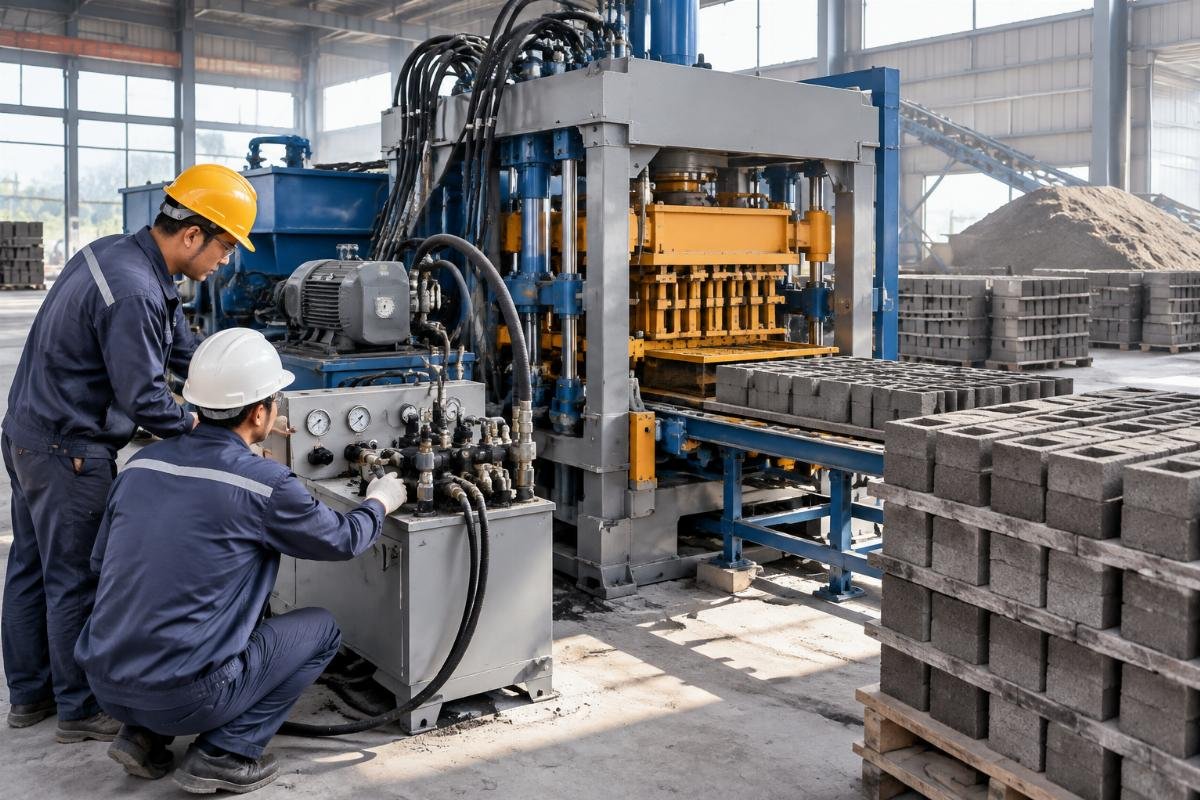
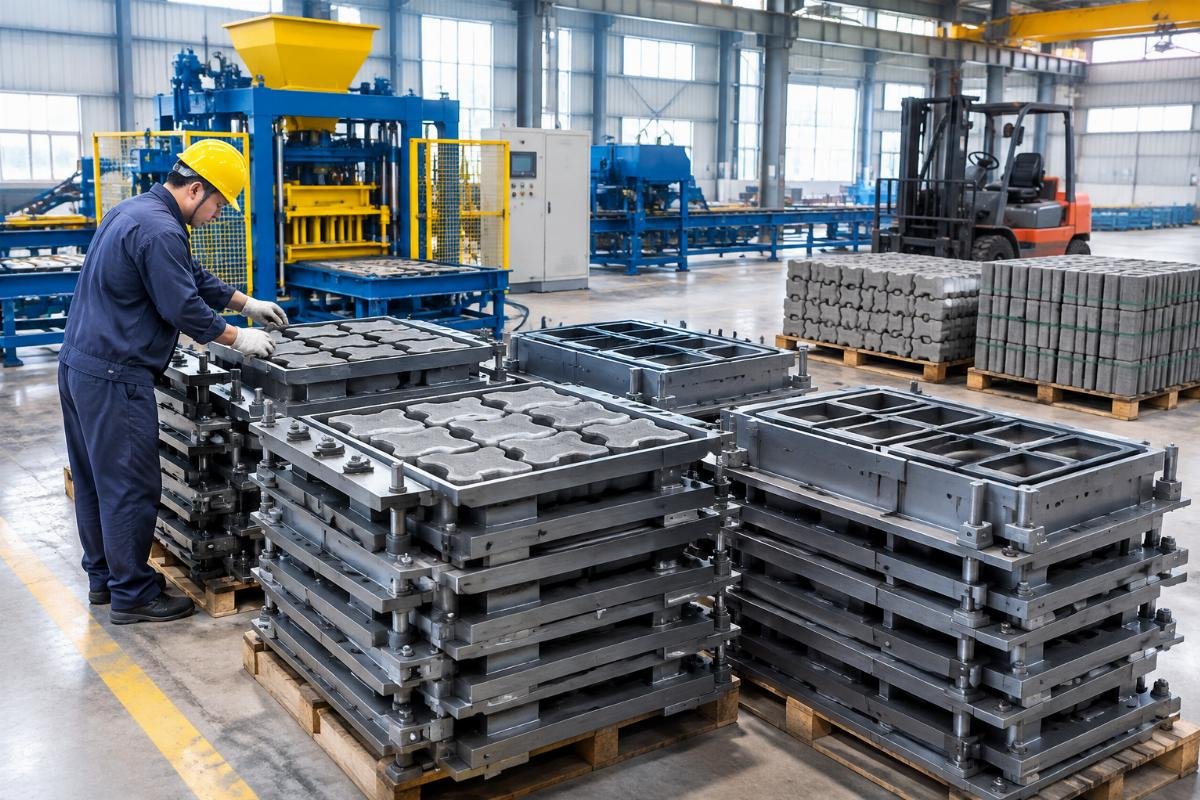
One of the most common pitfalls in international machinery procurement is the assumption that a "standard" package includes everything needed for immediate production. In reality, many high-end manufacturers quote base prices that cover only the main frame and basic electrical system. Essential items such as additional mold sets, specialized maintenance tools, and even basic spare parts kits are often listed as optional extras. This practice can lead to severe operational bottlenecks.
Consider a case involving a housing project in the Middle East. The buyer selected a well-known European brand, attracted by its reputation for durability. The contract specified a fully automatic line with a stated daily capacity. However, upon arrival at the port, it was discovered that the shipment included only two mold sets. The project required three different brick types to meet architectural specifications. Procuring the third mold set involved a new negotiation cycle, manufacturing lead time, and additional shipping arrangements. This delay extended the project timeline by over a month, resulting in penalty clauses being triggered by the main contractor. [NEED_CITE: impact of supply chain delays on construction projects]
Another hidden cost involves technical support and installation. While some manufacturers advertise "global service," the actual availability of technicians can be limited. Visa processing times, travel restrictions, and scheduling conflicts can delay the arrival of installation engineers. In one instance, a buyer faced a situation where the equipment was ready for commissioning, but the assigned technician could not arrive for several weeks due to administrative hurdles. During this period, the machine sat idle, and local operators lacked the specific training to troubleshoot minor issues. This downtime represents a direct loss of potential revenue and can damage relationships with end clients.
When evaluating a Sweden fly ash block machine manufacturer, buyers must scrutinize the bill of materials. A comprehensive quote should explicitly list every component, including the number of mold sets, pallets, and spare parts. It should also define the scope of installation services, including the duration of the technician’s stay and the extent of operator training. Without these details, the initial savings on the machine price can be quickly erased by subsequent expenses and delays.
How Does the QT Series Compare in Performance and Price?
Technical parity in automation and output is now achievable at a fraction of the traditional cost.
The QT series of automatic block making machines has become a benchmark for efficiency in the global market. These machines are designed to handle various raw materials, including fly ash, cement, sand, and stone dust. The automation level covers feeding, mixing, molding, and conveying, reducing the need for manual labor and minimizing human error. For buyers comparing options, the key question is whether the performance difference justifies the price premium of European brands.
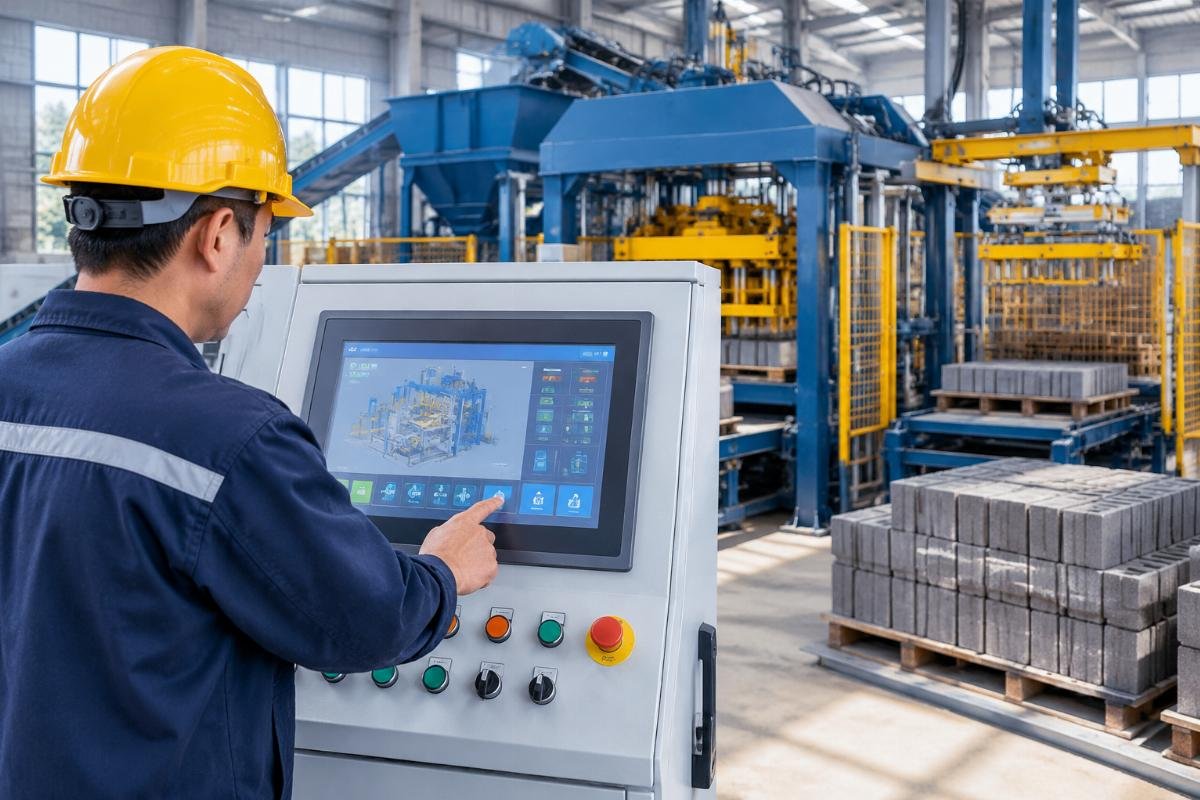
In terms of output capacity, modern QT series machines from reputable Chinese manufacturers can achieve hourly rates that meet the demands of large-scale infrastructure projects. The hydraulic systems are engineered to provide consistent pressure, ensuring uniform block density. The PLC control systems allow for easy adjustment of parameters such as vibration time and pressing force, enabling quick changes between different product types. [NEED_CITE: technical specifications of automatic block making machines] This flexibility is crucial for producers who need to diversify their product portfolio to meet market demand.
The price advantage is substantial. Factory-direct pricing from established manufacturers can be significantly lower than that of European counterparts. This cost difference is not due to inferior quality but rather to differences in labor costs, supply chain integration, and overhead structures. For a new investor, this lower entry barrier means a shorter payback period. Instead of waiting years to recoup the initial investment, plants can achieve profitability within a much shorter timeframe. This financial efficiency allows for reinvestment in expansion or marketing efforts.
Moreover, the total cost of ownership includes maintenance and spare parts. Suppliers who offer standardized components and accessible spare parts networks reduce long-term operational costs. In contrast, proprietary parts from some European manufacturers can be expensive and difficult to source locally. By choosing a Sweden fly ash block machine manufacturer alternative that prioritizes standardization and accessibility, buyers can ensure smoother long-term operations. The QT series exemplifies this approach, offering robust performance with manageable maintenance requirements.
What Should You Verify Before Signing a Turnkey Contract?
A detailed verification checklist is essential to avoid procurement pitfalls and ensure project success.
Signing a contract for a turnkey production line is a major commitment. To protect your investment, you must go beyond the sales brochure and verify the technical and logistical details. Start with the certification. Ensure that the machine carries valid CE certification and, if possible, SGS inspection reports. These documents confirm that the equipment meets international safety and quality standards. [NEED_CITE: importance of CE certification for machinery exports] Do not accept self-declared compliance; request copies of the actual certificates and verify their authenticity with the issuing bodies.
Next, examine the core components. Ask for the specific brands of the PLC, hydraulic pumps, and motors. Reputable manufacturers use well-known global brands for these critical parts, ensuring reliability and ease of replacement. If the supplier uses obscure or proprietary components, you may face difficulties in sourcing replacements in the future. Additionally, review the hydraulic system specifications. The pressure ratings and valve types should be suitable for continuous operation under heavy loads.
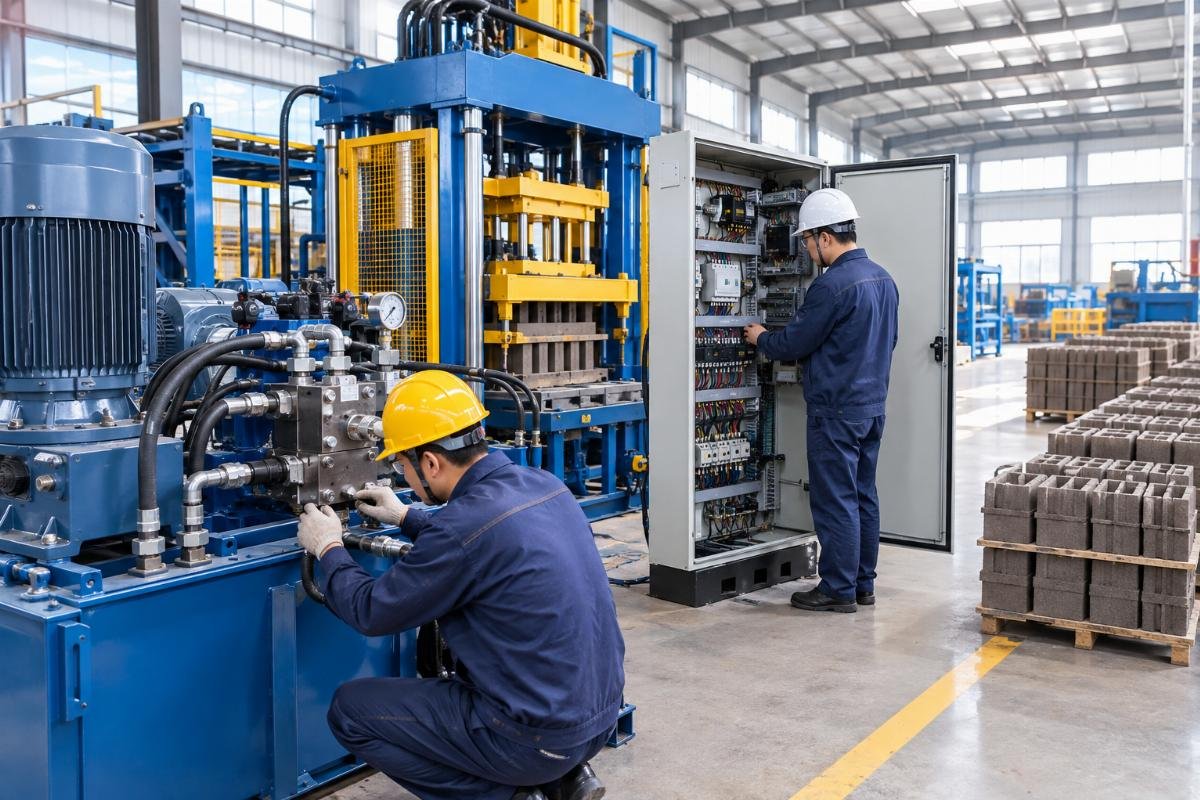
The installation and training plan is another critical area. The contract should specify the timeline for installation, the number of technicians provided, and the duration of their stay. It should also outline the scope of training, including both theoretical instruction and hands-on practice for operators and maintenance staff. Clear language on these points prevents misunderstandings later. A Sweden fly ash block machine manufacturer may offer extensive support, but you must ensure it is contractually binding and aligned with your project schedule.
Finally, consider the after-sales support structure. Ask about the response time for technical queries and the availability of remote diagnostic services. In today’s connected world, remote assistance can resolve many issues quickly, reducing the need for physical visits. Check if the supplier maintains a stock of common spare parts and what the shipping timelines are for urgent orders. A reliable partner will have clear protocols for handling post-sale issues, ensuring minimal downtime for your plant.
Conclusion
Smart procurement focuses on total value, not just brand origin.
Choosing the right block making machine involves balancing performance, cost, and support. While a Sweden fly ash block machine manufacturer offers established engineering, contemporary alternatives provide comparable technology with greater financial flexibility and comprehensive service packages. By verifying configurations, understanding hidden costs, and demanding transparent contracts, buyers can secure high-quality equipment that drives project success. The goal is to build a sustainable production capability, and that starts with making informed, detail-oriented purchasing decisions.

Industry expert sharing insights about concrete machinery, block making technology and turnkey production solutions.
View all posts →
Leave a Reply