

QT Series Block Pallet Return System Recycling & Disposal Supplier
Most seized pallet return systems are not broken machines; they are victims of wet wood and dry steel.
The primary cause of premature failure in concrete block production lines is not manufacturing defect, but rather the accumulation of warped pallets due to improper storage and the neglect of basic rail lubrication. Effective maintenance requires a strict protocol of keeping pallets dry and rails greased, while end-of-life disposal demands adherence to local metal recycling standards to recover value from the heavy steel framework.
I have spent countless hours crawling under QT8-15 lines in humid coastal plants and dusty inland yards, tightening chains and swapping worn rollers until my knees gave out. One particular job in Kano, Nigeria, involved a mid-size block yard running a QT6-15 where the pallet recycling system seized up just weeks after handover. The crew had never greased the return rails and had stacked wet pallets that warped the guide tracks. Production stopped for an extended period. The buyer blamed the machine. I found rails bent like pretzels and spent days teaching their operator basic alignment checks. That experience reinforced a simple truth: the hardware is only as good as the hygiene of the site. [NEED_CITE: common causes of conveyor chain failure in industrial environments]
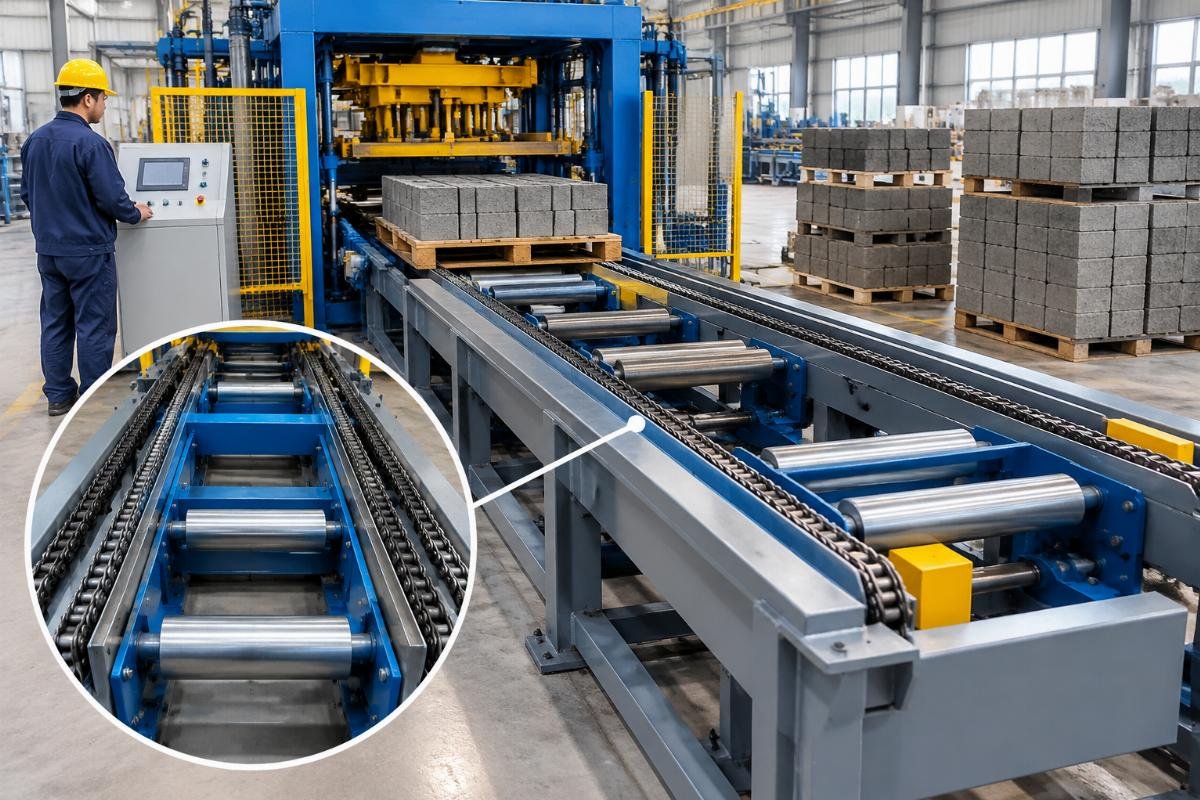
Understanding how to maintain these systems and eventually dispose of them responsibly is critical for any plant manager looking to protect their investment. This guide breaks down the field-tested steps to keep your Pallet Return System Maintenance routine effective and your end-of-life process compliant.
Why Do Pallet Return Systems Seize Up Prematurely?
It is rarely the motor that fails first; it is the friction caused by misaligned tracks and contaminated surfaces.
Many operators assume that a seized return system indicates a faulty drive motor or a broken chain link. In reality, the root cause is often much simpler and more preventable. Warped pallets, caused by exposure to moisture or uneven stacking, force the guide tracks out of alignment. When the tracks bend, the rollers bind, creating excessive resistance that the motor cannot overcome. [NEED_CITE: mechanical stress analysis on conveyor systems]
In high-humidity environments, such as coastal plants in Lagos, the risk is compounded by corrosion. Without regular cleaning, salt and moisture accelerate rust on the rails, increasing friction significantly. The solution is not a more powerful motor, but a stricter protocol for pallet storage and rail cleaning. Dry-storage protocols can noticeably reduce the frequency of jams.
Furthermore, the belief that "heavy-duty" equipment requires no maintenance is a dangerous misconception. High-load systems, such as those in the QT series, actually require more frequent lubrication because the metal-on-metal contact points are under constant stress. Neglecting this leads to grinding wear that shortens the lifespan of the entire assembly.
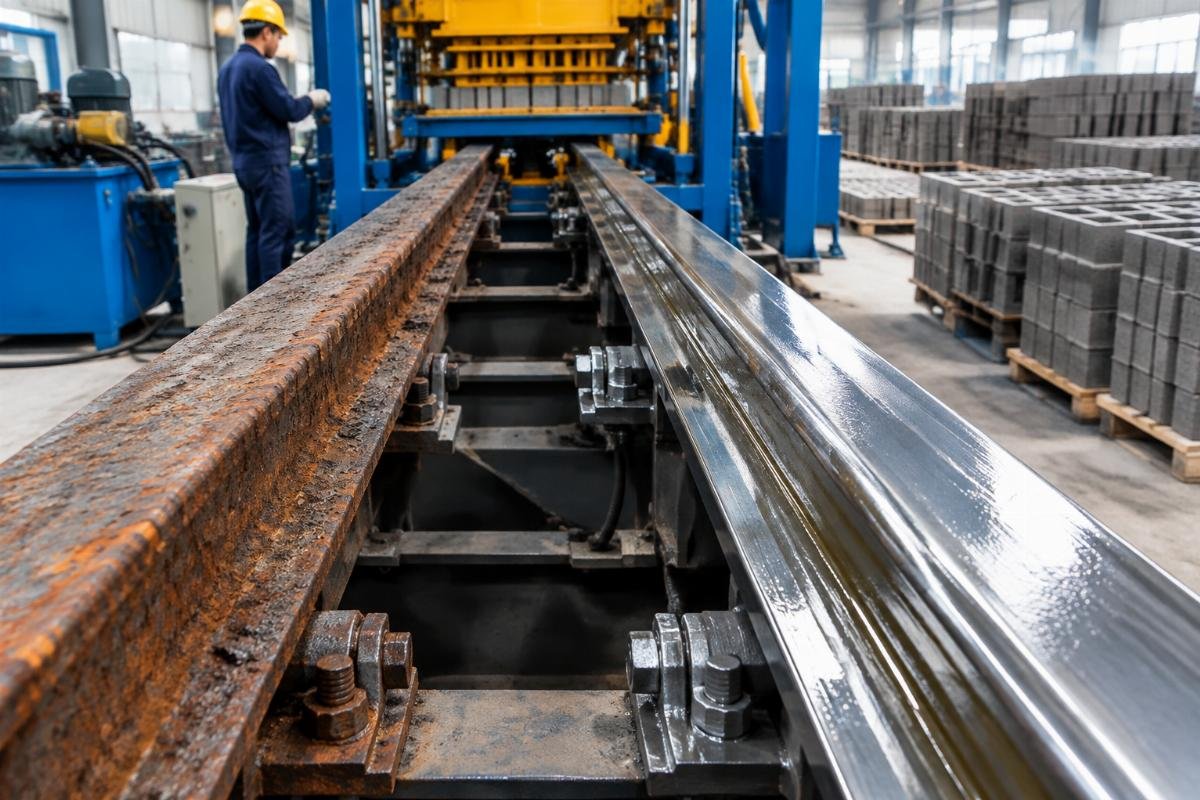
To prevent these issues, operators must inspect pallets before they enter the cycle. Any pallet showing signs of warping or splintering should be removed immediately. This simple step prevents the physical distortion of the guide rails, which is far more expensive to repair than replacing a single wooden pallet. Consistent attention to these details ensures that the Pallet Return System Maintenance schedule remains manageable and effective.
Field-Tested Maintenance Routine for Harsh Environments
Weekly alignment checks and daily cleaning prevent the majority of operational failures.
Maintaining a block production line in harsh environments requires a disciplined approach. Dust, humidity, and heavy usage create a perfect storm for mechanical wear. A structured routine helps identify issues before they lead to downtime. The following steps outline a practical maintenance schedule that can be implemented by any crew.
First, perform a daily visual inspection of the return rails. Look for accumulated concrete dust, mud, or debris that could impede the movement of the pallets. Use a stiff brush or compressed air to clean the tracks thoroughly. In dusty environments, this step is crucial to prevent abrasive particles from entering the roller bearings. [NEED_CITE: best practices for industrial conveyor maintenance in dusty conditions]
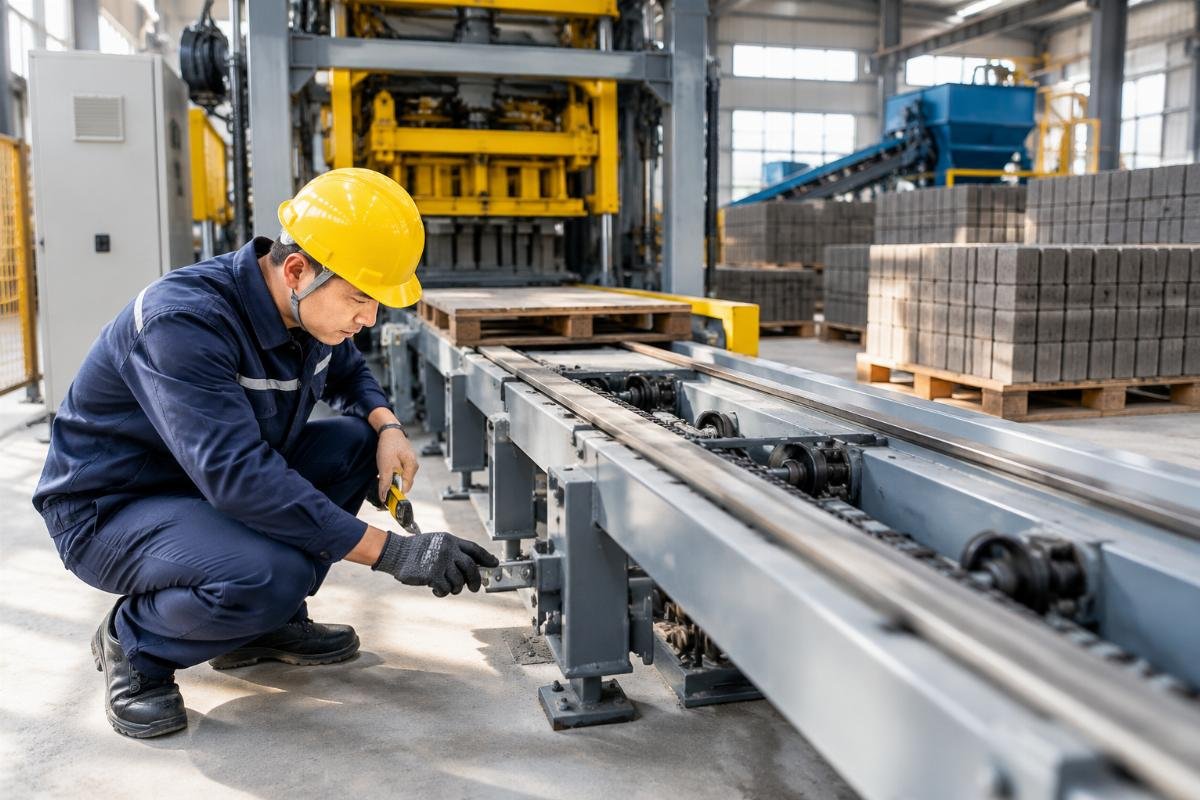
Second, conduct a weekly alignment check. Use a simple straight-edge tool to verify that the rails are parallel and level. If the rails are bent or misaligned, the pallets will jam. Adjust the mounting brackets as needed to restore proper alignment. This proactive measure saves significant downtime compared to emergency repairs.
Third, adhere to a strict lubrication schedule. Apply high-quality grease to the roller chains and guide tracks at least once a week, or more frequently in high-humidity areas. Ensure that the grease penetrates the joints and covers the contact surfaces evenly. Avoid using low-viscosity oils that can wash away quickly or attract more dust.
| Maintenance Task | Frequency | Tool Required | Expected Outcome |
|---|---|---|---|
| Rail Cleaning | Daily | Brush/Air Gun | Reduced friction and debris buildup |
| Alignment Check | Weekly | Straight Edge | Prevented rail warping and jams |
| Lubrication | Weekly | Grease Gun | Extended component life and smooth operation |
| Pallet Inspection | Per Cycle | Visual Check | Early detection of warped wood |
A mid-size yard in Kano implemented this routine and saw a noticeable drop in downtime hours. The cost of preventive grease was negligible compared to the expense of replacing bent rails. By making these tasks part of the daily workflow, operators can ensure that their Pallet Return System Maintenance efforts yield tangible results.
Identifying When to Repair vs. Replace Components
Recognizing early signs of rail warping allows for timely intervention before production stops.
Knowing when to repair a component and when to replace it is essential for cost-effective management. Not every sign of wear requires a full replacement, but ignoring critical damage can lead to catastrophic failure. The key is to monitor specific indicators of degradation.
Inspect the guide rails for visible cracks or deep grooves. If the wear depth is minimal, the rails can often be resurfaced or adjusted. However, if the rails are visibly bent or cracked, they must be replaced immediately. Continuing to use damaged rails will damage the pallets and the chain assembly, leading to higher costs. [NEED_CITE: industry standards for conveyor rail wear limits]
Check the roller chains for elongation. Over time, chains stretch due to constant load. If the chain has stretched beyond the manufacturer’s recommended limit, it will not engage properly with the sprockets, causing slippage and uneven movement. Replace the chain if it shows signs of excessive wear or stiffness.
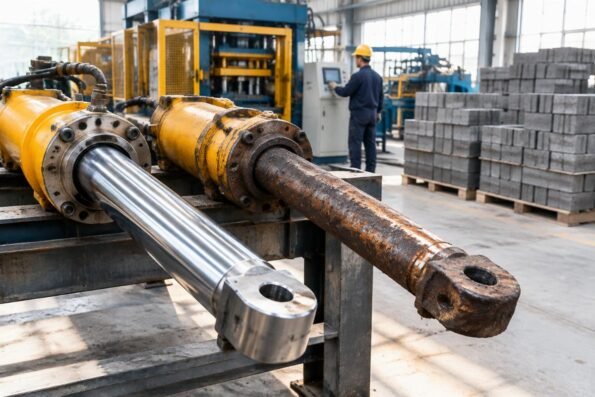
Examine the rollers for flat spots or bearing failure. Rollers that do not spin freely create drag and increase the load on the motor. Replace any rollers that are seized or damaged. Using high-quality replacement parts ensures that the system operates smoothly and efficiently.
For plants considering an upgrade, it is worth noting that newer designs often feature hardened guide tracks and accessible grease points. These features simplify maintenance and extend the service life of the system. When evaluating new equipment, look for these design improvements to future-proof your operation.
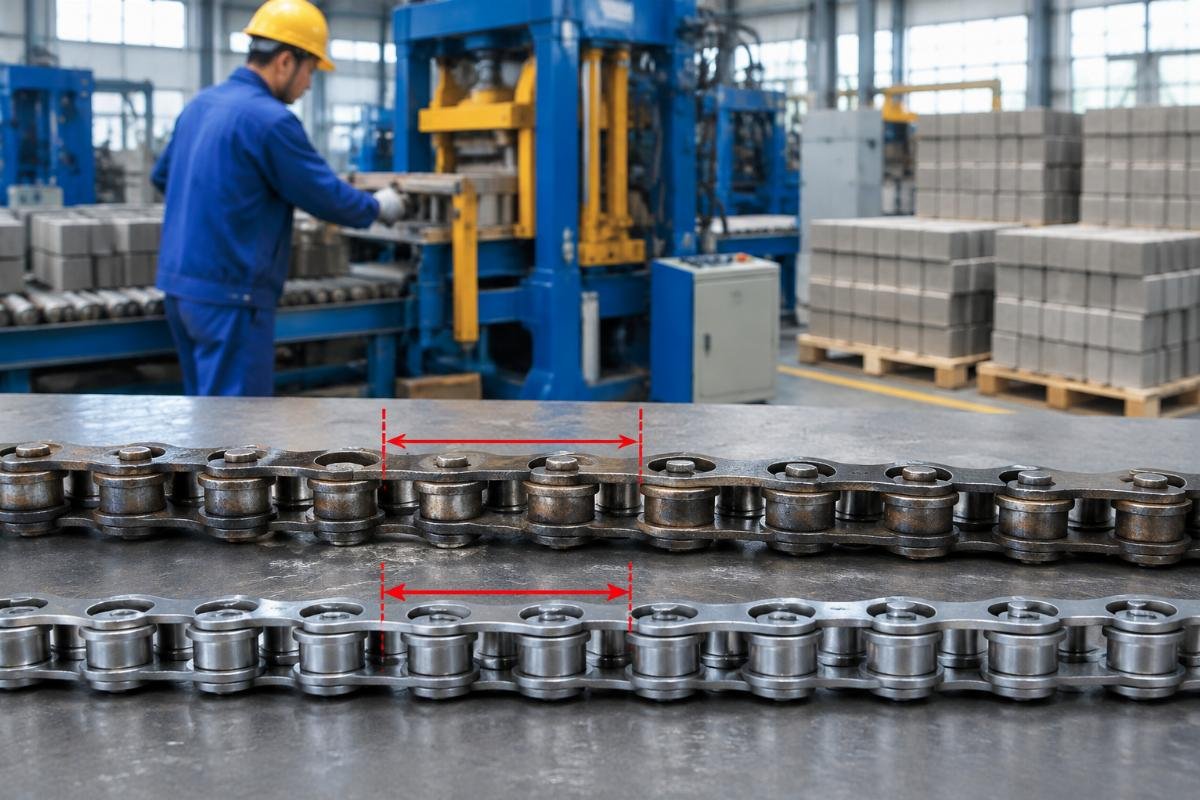
Making the right decision between repair and replacement depends on a careful assessment of the component’s condition. Regular inspections provide the data needed to make informed choices. This approach minimizes unexpected breakdowns and keeps the Pallet Return System Maintenance costs under control.
Responsible End-of-Life Disposal and Metal Recycling
Proper dismantling and recycling of old steel frames recover value and ensure environmental compliance.
When a production line reaches the end of its useful life, responsible disposal is both an economic and environmental imperative. The steel components of a QT series return chain contain significant scrap value. Recovering this value requires a systematic approach to dismantling and recycling.
Begin by safely disconnecting all power sources and removing any hazardous materials, such as old grease or oil. Follow local environmental regulations for the disposal of these substances. Improper handling can result in fines and environmental damage. [NEED_CITE: local environmental regulations for industrial waste disposal]
Dismantle the steel frame in a logical sequence, starting with the outer panels and moving inward. Use appropriate lifting equipment to handle heavy sections safely. Separate the steel components from any non-metallic parts, such as rubber seals or plastic covers. This separation increases the purity of the scrap metal and improves its market value.
Contact licensed metal recyclers to arrange for the collection and processing of the steel. Provide them with accurate weight estimates to negotiate a fair price. The scrap value recovery percentage can be substantial, offsetting some of the costs associated with upgrading to new equipment.
Ensuring that the disposal process complies with international standards for steel recycling demonstrates a commitment to sustainability. It also enhances the reputation of the business among customers and regulators who prioritize responsible practices.
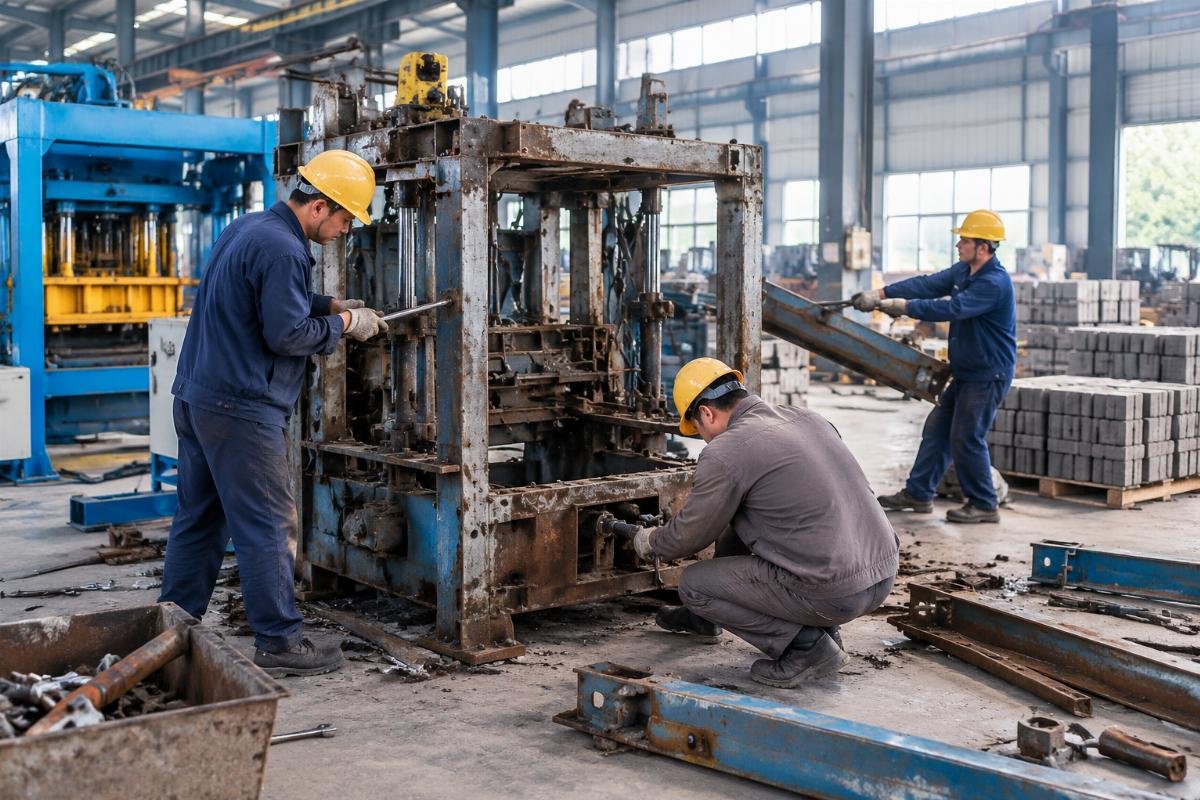
By treating end-of-life equipment as a resource rather than waste, plant managers can maximize their return on investment. This final step in the lifecycle of the machinery completes the circle of responsible ownership and efficient Pallet Return System Maintenance.
Designing for Durability: What to Look for in New Systems
Specifying hardened rails and accessible maintenance points builds resilience against field realities.
When investing in new equipment, the design features of the pallet return system play a crucial role in its long-term performance. Not all systems are created equal, and some are better suited for the harsh conditions of emerging markets. Look for specific design elements that enhance durability and ease of maintenance.
Hardened guide tracks resist wear and deformation better than standard steel. They maintain their shape under heavy loads and reduce the likelihood of jamming due to warped pallets. This feature is particularly important in plants where pallet quality may vary.
Accessible grease points allow operators to lubricate the system quickly and thoroughly. Hidden or hard-to-reach points often get neglected, leading to premature wear. Designs that prioritize accessibility encourage regular maintenance and extend the life of the components.
Robust construction of the frame and support structures ensures stability during operation. Vibration and shock loads can loosen bolts and misalign components over time. A well-designed system minimizes these risks through secure fastening and rigid framing.
Shiyue’s QT series incorporates these design principles, featuring accessible maintenance points and hardened guide tracks. These features are built for field realities, reducing the burden on maintenance crews and improving overall reliability. By choosing equipment designed with these considerations, investors can protect their ROI and ensure smoother operations.
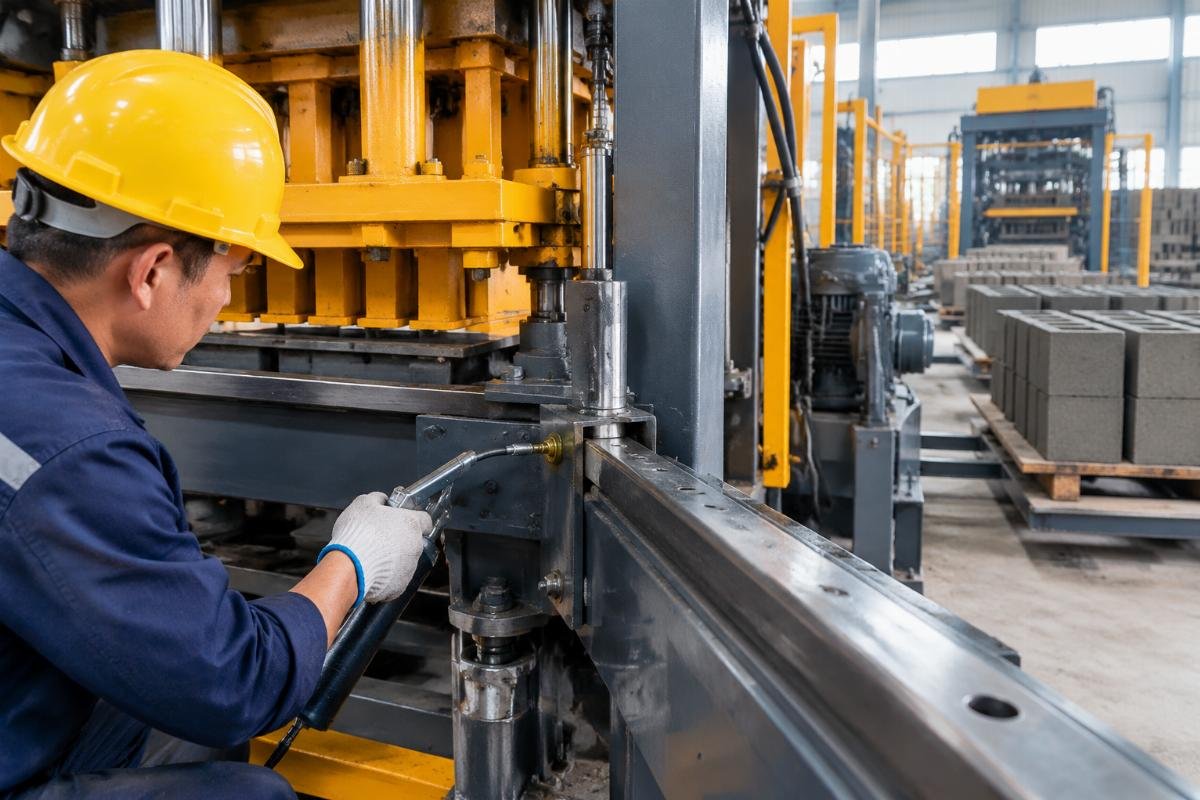
Selecting the right system involves more than just comparing prices. It requires understanding the operational challenges and choosing equipment that addresses them effectively. This strategic approach to procurement supports long-term success and efficient Pallet Return System Maintenance.
Conclusion
Preventive care and responsible disposal define the true lifecycle value of your production line.
The longevity of a pallet return system depends less on its initial build and more on the daily habits of the operating team. Keeping pallets dry, rails clean, and chains lubricated prevents the majority of failures. When the time comes to replace the system, recovering scrap value through proper recycling adds a final layer of financial prudence. By integrating these practices, plant managers ensure that their investment continues to deliver returns long after installation.

Industry expert sharing insights about concrete machinery, block making technology and turnkey production solutions.
View all posts →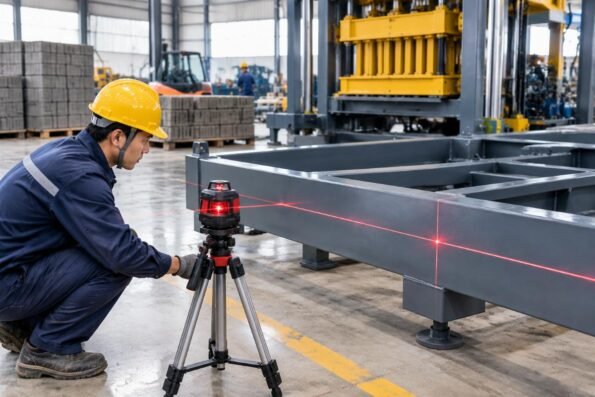
Leave a Reply