

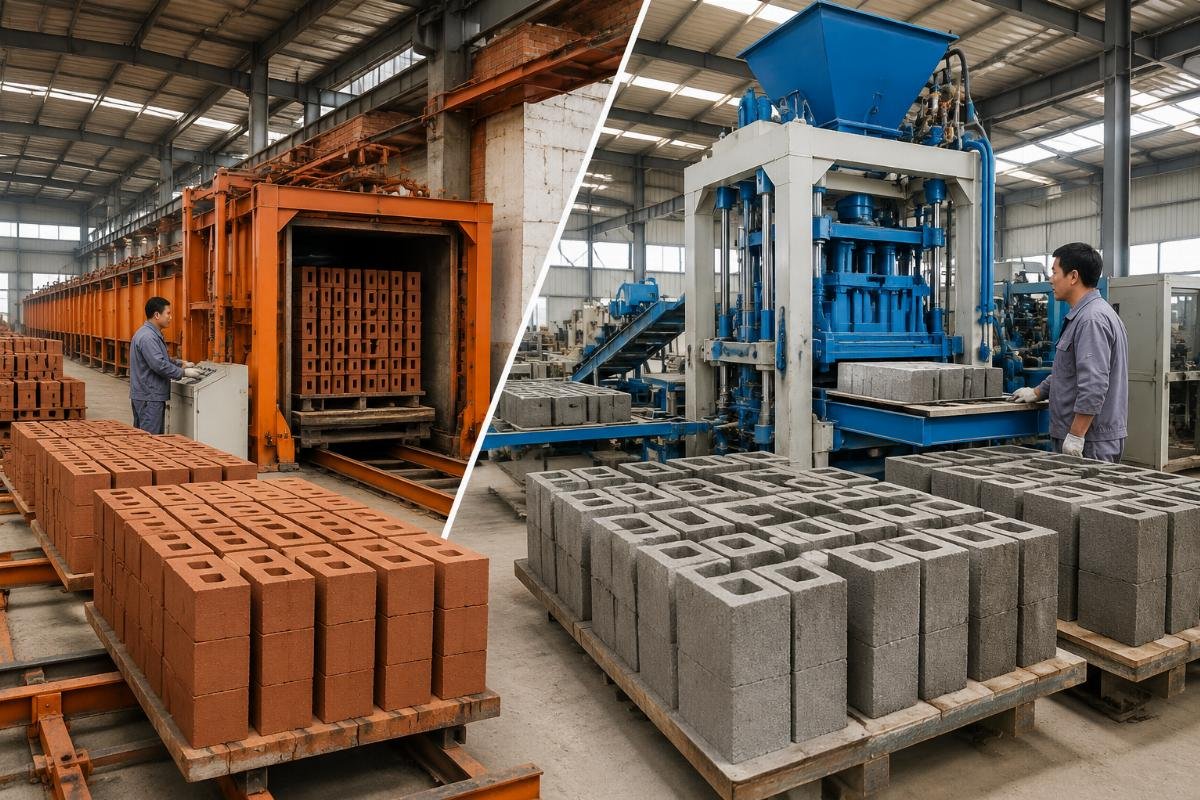
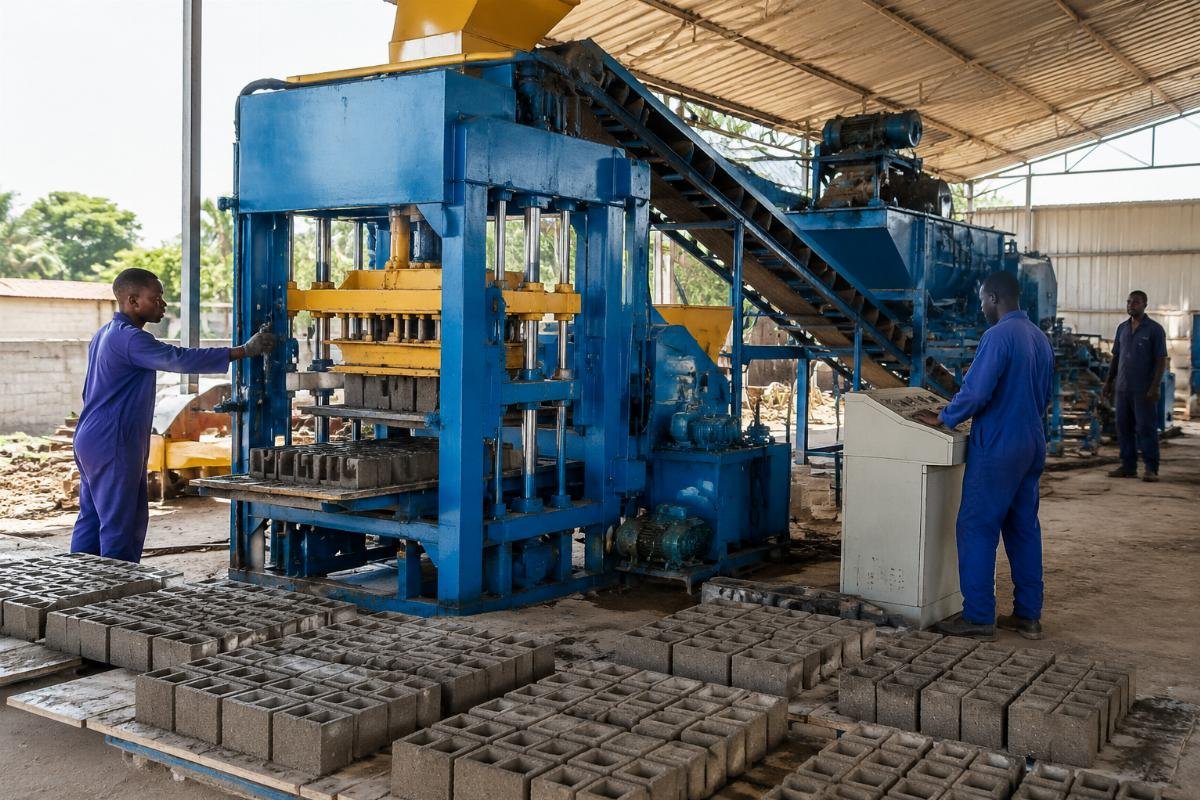
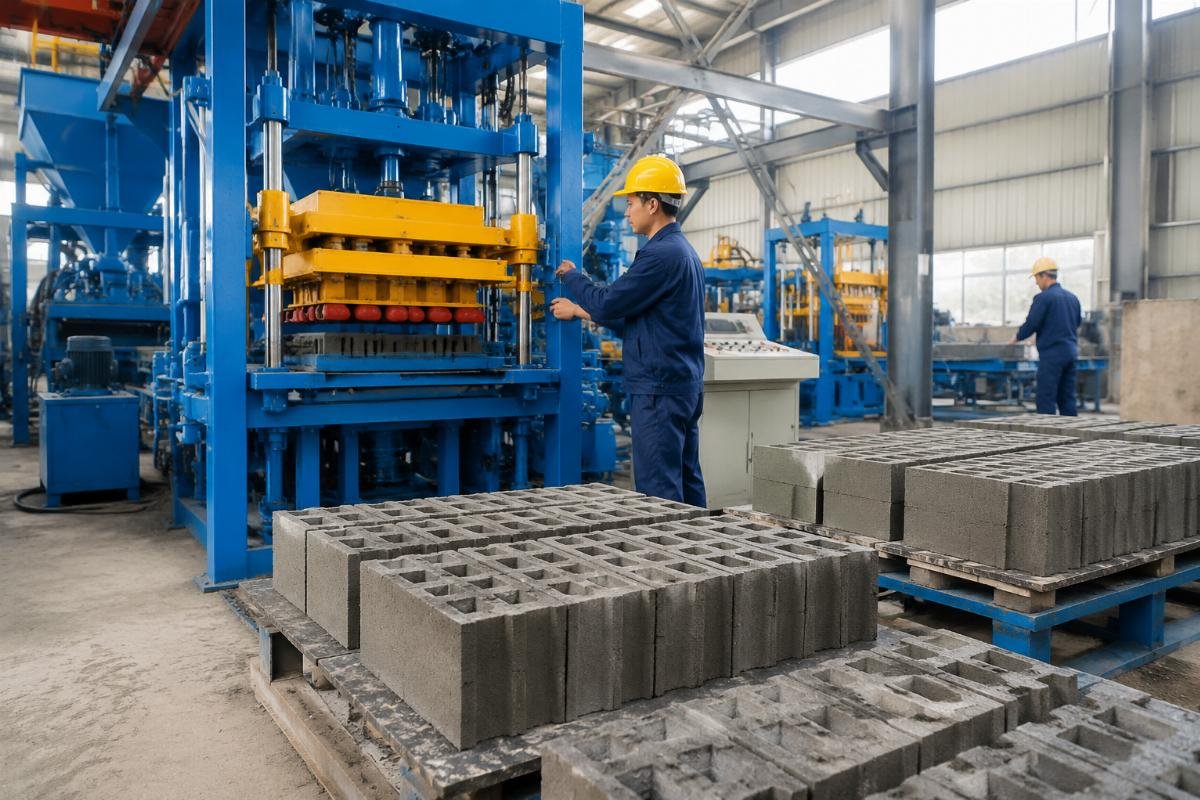
A small startup investor in Nigeria initially planned to invest $35,000 in a manual clay brick setup with a clamp kiln. After running a full cost model, we redirected that capital to a semi-automatic concrete block line (QT4-24 model) for $28,000. The concrete line produces 4,000 blocks per day with 4 workers, achieving ROI in 9 months. The same investor’s clay kiln alternative would have required 18+ months to break even due to coal costs averaging $0.04 per brick and a 30-day production cycle[^4]. The clay option also faced repeated delays from local environmental authorities over kiln emissions.
- Cycle Time Calculation – Model daily output based on curing time, not just machine cycle time—clay’s 30-day total cycle versus concrete’s 1–2 day cycle changes working capital requirements dramatically.
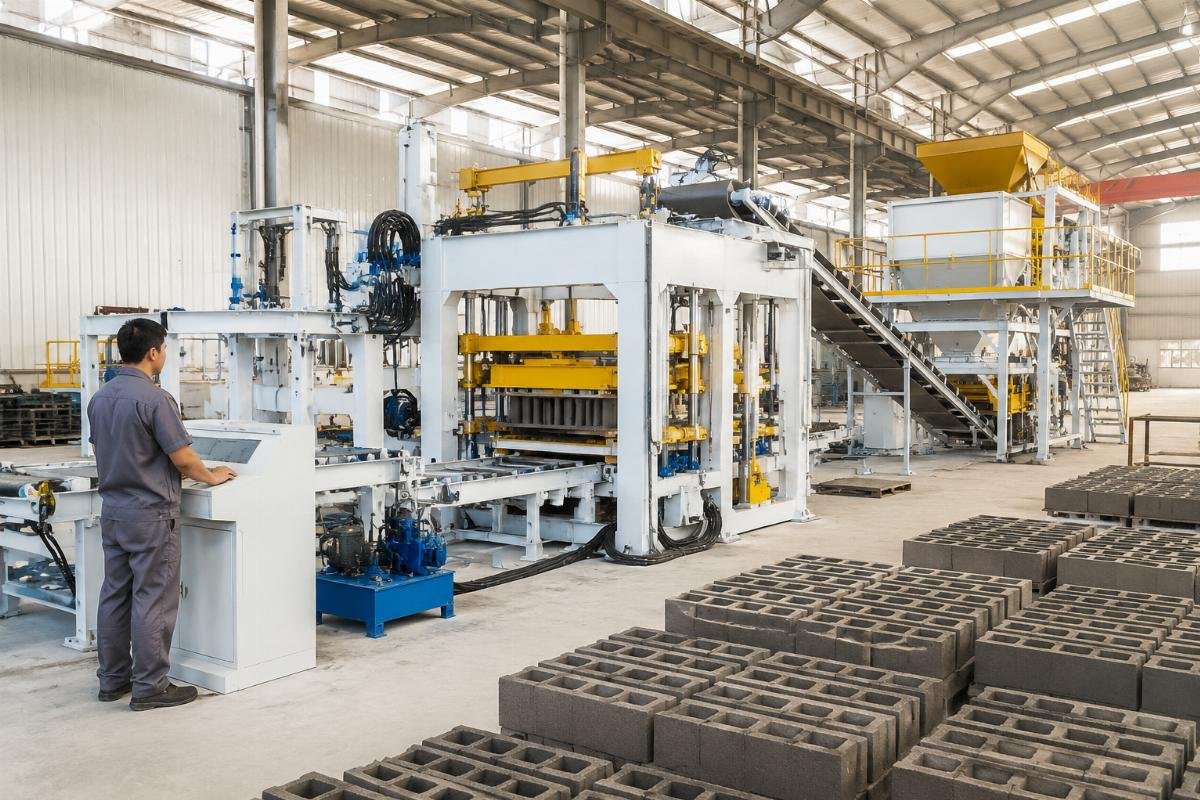
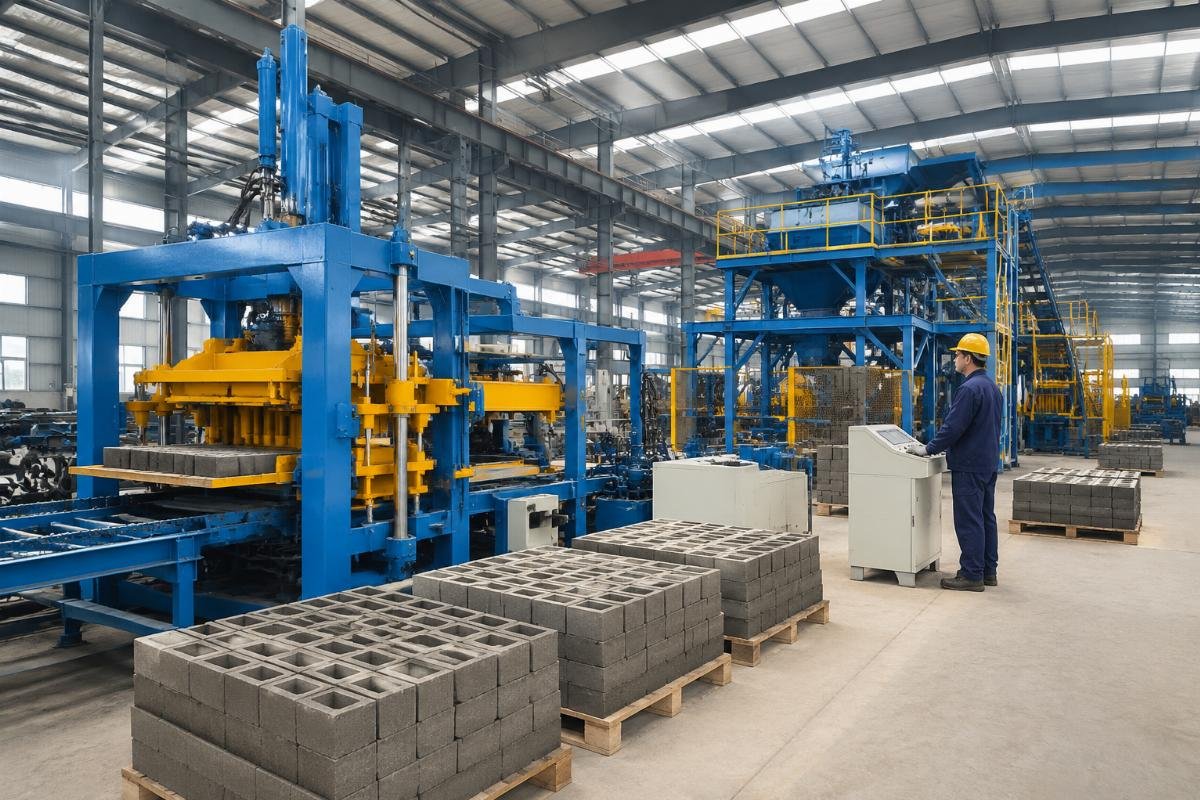
A medium-scale producer in Uzbekistan was operating two manual clay lines with 12 workers per shift, producing 6,000 bricks per day at a defect rate of 8–10%. They upgraded to a fully automatic concrete block line (QT10-15) with a European-style airbag vibration system and 4-motor configuration. Labor dropped from 12 to 5 workers per shift. Block density increased from 1,500 kg/m3 to 1,800 kg/m3—a 22% gain. Defect rate fell to below 1.5%. The Uzbek producer’s fully automatic line paid for itself in 11 months through labor savings and defect reduction alone, without counting revenue gains from higher-density blocks commanding a 15% price premium[^6].
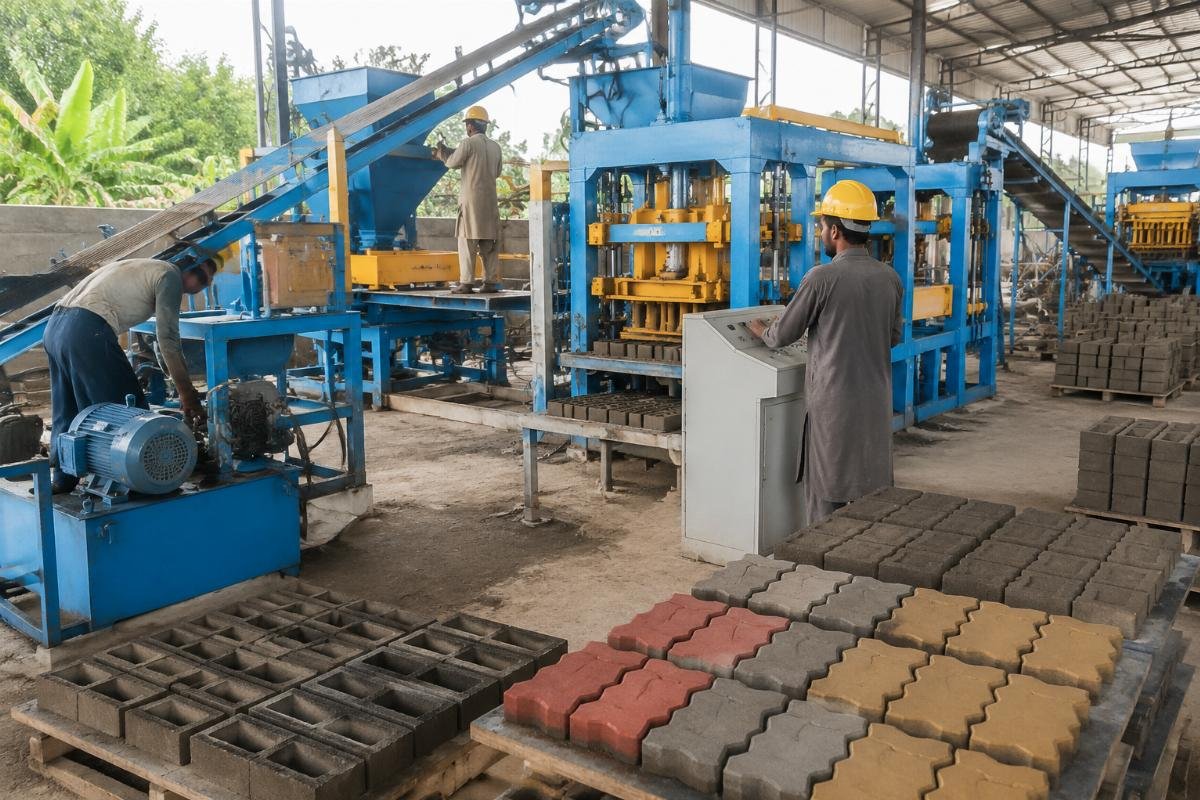
A government housing project in Bangladesh needed to produce 15,000 interlocking paver units per day for a 2,000-unit affordable housing development. The project team deployed 3 concrete block lines equipped with color feeders for multi-layer paver production. With 9 workers across all 3 lines, they exceeded the daily target and completed the full order 3 months ahead of the original schedule. The Bangladesh government project’s concrete block lines achieved a labor productivity ratio of 1,667 blocks per worker per day, versus an estimated 400 blocks per worker per day on equivalent manual clay operations[^8]. The interlocking paver design also eliminated mortar costs for the paving contractor, saving an additional $0.03 per unit in installation materials.
Conclusión
[^7]: "ILO – Labour Market Statistics for Africa", https://www.ilo.org/africa/publications/WCMS_794485/lang–en/index.htm. International Labour Organization data on wages and productivity in construction material manufacturing. Evidence role: statistic; source type: institution. Supports: Manual clay brick labor costs average $15 per 1,000 blocks versus $5 on semi-auto concrete lines in Ghana. Industry expert sharing insights about concrete machinery, block making technology and turnkey production solutions.
CE Block Machine for Finland: QT4-15 to QT12-15 Wholesale A CE mark is not a sticker; it is a technical file audit...
Vet Semi-Auto Block Machine Mfr for Sweden: QT Series CE Supplier A CE mark alone is insufficient for Swedish customs clearance. Importing...
Manual Brick Machine for Netherlands: CE Supplier & Factory Price A CE certificate is not a piece of paper; it is a...
Get a free layout, ROI estimation and turnkey quote within 24 hours from Shandong Shiyue export team.

Related articles
Buying Guide
CE Block Machine for Finland: QT4-15 to QT12-15 Wholesale
Buying Guide
Vet Semi-Auto Block Machine Mfr for Sweden: QT Series CE Supplier
Buying Guide
Manual Brick Machine for Netherlands: CE Supplier & Factory Price
Ready to start your block machine project?
Leave a Reply