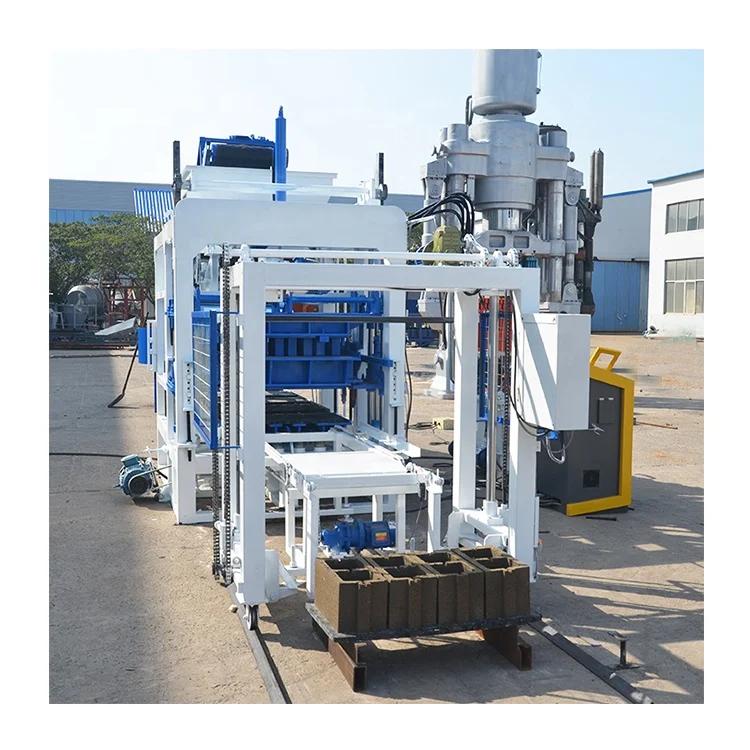
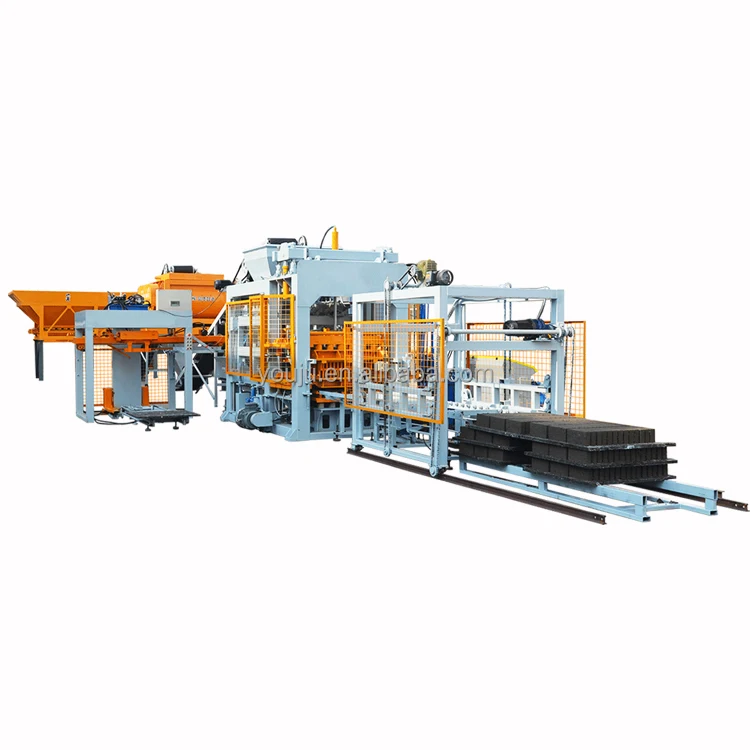
QT4-15 Block Machine — configured against your actual mix design and local aggregate so shipped capacity matches site reality, not brochure theory.
Technical Specifications
| Parameter |
Value |
| Model |
QT4-15 |
| Product Type |
Automatic Concrete Block Making Machine |
| Overall Dimensions (L×W×H) |
7100 x 1600 x 2610 mm |
| Rated Hydraulic Pressure |
16 MPa |
| Vibration Form |
Platform Vibration |
| Pallet Size |
1020 x 570 mm |
| Molding Cycle |
15–25 s (basis not stated in source — confirm block format / material / thickness) |
| Overall Power |
27.5 kW |
| Control System |
PLC electronic console |
| Mould Change Method |
Manual bolt release, pallet-assisted upper/lower mould extraction |
| Line Composition |
Mixer, pallet conveyor, molding machine, block conveyor, hydraulic station, electronic console |
| Voltage & Frequency |
Configurable — confirm before production |
| Mould Format Options |
Hollow block, interlocking brick, paving block, grass paver |
| Stacking Method |
Manual or machinery convey to curing yard |
Application Suitability
| Application |
Material or Output |
| Hollow block production for residential and commercial walls |
Crushed stone, sand, cement, and optional fly ash or slag |
| Interlocking brick for load-bearing and decorative masonry |
Graded aggregate with cement binder |
| Paving block for driveways, walkways and light-traffic areas |
Fine and coarse aggregate blends with pigment |
| Grass paver for permeable landscaping and drainage zones |
Porous concrete mix with reduced fine aggregate |
What the QT4-15 Automatic Block Making Machine Range Leaves Out When Capacity Is Quoted Blindly
A cycle time without a named block format tells you nothing about daily output.
Every block machine brochure lists a cycle number. Fewer state which block size, wall thickness, or mix that number assumes. I have watched buyers in West Africa take delivery of machines rated for one format, only to find that switching to their market’s best-selling hollow block adds seconds to each cycle and cuts daily throughput in half. The QT4-15 block machine for sale quotes a 15–25 second molding cycle, but that range spans formats from thin paving blocks to tall hollow blocks. [NEED_CITE: block format impact on cycle time and daily output] The only honest capacity figure is one tied to the exact block you intend to sell.
Where the QT4-15 Sits in the Full Machine Range
The QT4-15 occupies the mid-tier of the automatic block making machine range, bridging small workshop lines and high-capacity plants. Its 7100 x 1600 mm footprint suits a dedicated block yard with room for curing racks on both sides of the conveyor. Buyers stepping up from semi-automatic or egg-laying machines find the PLC console and fixed press position a manageable jump in complexity without needing a fully automated stacking system on day one.
Platform Vibration Matched to Your Aggregate
Platform vibration combined with 16 MPa hydraulic pressure determines how densely the QT4-15 compacts each block. Density directly governs compressive strength, and that relationship changes with every aggregate. Volcanic ash, river sand, and crushed granite each demand a different vibration duration and pressure profile. We validate the vibration and pressure settings against your local material before the machine leaves the factory so the blocks you produce on site meet your market’s strength standard. [NEED_CITE: hydraulic pressure and vibration tuning for local aggregates]
Specs That Shape Your Daily Routine
The 1020 x 570 mm pallet size decides how many blocks fit per cycle and must align with the curing racks and forklifts already in your yard. Ordering pallets that mismatch your existing handling equipment creates bottlenecks downstream of the press. The 27.5 kW overall power draw requires a stable three-phase supply; voltage and frequency must be confirmed before the PLC console is programmed, because rewriting firmware on site delays commissioning. Manual bolt-release mould change means your operators need practice to keep format-switch downtime short — a skilled two-person team is faster than an unprepared four-person crew. The PLC electronic console controls cycle sequencing and can be set to your preferred display language, but only if that language is specified before assembly. [NEED_CITE: PLC language configuration before shipment]

The Cost of Overlooking Configuration Details
When voltage is left unconfirmed, the machine arrives and sits idle while transformers are sourced locally — a delay that erodes the project deadline you bought the machine to meet. When pallet size is chosen without checking your curing yard, blocks pile up on the conveyor because racks do not accept the pallets. When the mould is specified for a format your market does not buy, the machine runs but revenue does not follow. Each of these oversights is a configuration conversation that never happened before the deposit was paid. [NEED_CITE: commissioning delays caused by unconfirmed voltage and pallet mismatch]
Why Source the QT4-15 Through This Range
Block machinery is our single focus, so the QT4-15 is specified as one matched system — press, mould, pallet, and conveyor — rather than assembled from separate vendors. Machine configuration is set against your actual mix design and target block format, not a catalogue default. Mould design covers the formats your market sells, with custom drawings available when standard options do not fit. Automation level is selectable, so you can begin with manual stacking and add automatic cubing later. Installation support includes operator training so your crew understands mould change procedure and daily maintenance before the technician leaves site.
Documentation & Verification
- Line layout and capacity calculation stating the block format assumed for the QT4-15 molding cycle
- Voltage, frequency, and PLC display language confirmation document signed before production begins
- Mould drawing and format list showing every block type your market requires
- Factory test record with your chosen mould installed and cycle times recorded
- Operation and maintenance manual with wear parts and mould replacement intervals
Installation, Commissioning & Support
- Foundation pad sized to the QT4-15 footprint of 7100 x 1600 mm with level tolerance for vibration stability
- Dedicated three-phase circuit rated for the 27.5 kW overall power draw with correct voltage and frequency
- Machine shipped dismantled for container loading, reassembled on site with hydraulic and electrical connections
- First-run commissioning with your local aggregate and chosen mould to validate cycle time and block strength
- Operator training covering PLC console use, manual mould change procedure, and daily lubrication points
- Wear parts list and mould spares identified before shipment for early reorder planning
Before You Request a Quote
Tell us which block formats your market sells and the daily volume you need for each. Share your local aggregate type and any existing mix design data so the QT4-15 can be configured around materials you can actually source. Confirm your site voltage, frequency, and preferred PLC language so the machine arrives ready to commission.
Frequently Asked Questions
Q: How is QT4-15 capacity calculated per block format?
A: The 15–25 second cycle range covers different formats. A thin paving block may complete at the lower end while a tall hollow block requires the upper end. We calculate daily output per format using the confirmed cycle time, pallet blocks-per-cycle count, and your planned shift hours, so the figure you receive is tied to the block you actually produce.
Q: What electrical details must be confirmed before the QT4-15 ships?
A: Voltage, frequency, and PLC display language all affect how the electronic console is programmed and wired. These must be locked in before assembly. Changing any of them after the machine is built means rewiring or reprogramming on site, which delays commissioning.
Q: Where does the QT4-15 sit compared to other tiers in the automatic block making machine range?
A: It is a mid-tier fixed-plant press with PLC control and platform vibration. Buyers moving up from semi-automatic lines find it a natural step. Those needing high-capacity output with automatic stacking and cubing should look at larger models in the range.
Q: What foundation and space does the QT4-15 require?
A: The machine measures 7100 x 1600 x 2610 mm and needs a level concrete pad with clearance on both sides for pallet conveyor access and block removal. Allow additional length for the mixer and pallet feeding station in the line layout.
Q: Which pallet size does the QT4-15 use and why does it matter?
A: It uses 1020 x 570 mm pallets. This size determines how many blocks form per cycle and must match the curing racks and forklifts in your yard. Mismatched pallets create handling bottlenecks that cut real output regardless of press speed.

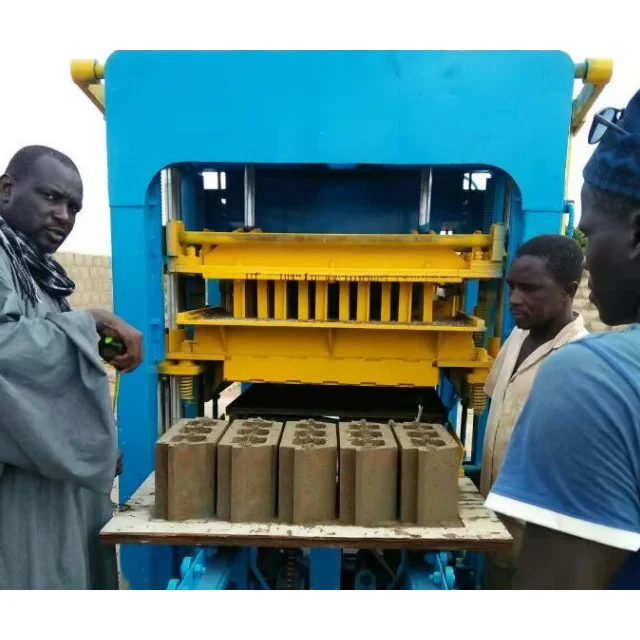
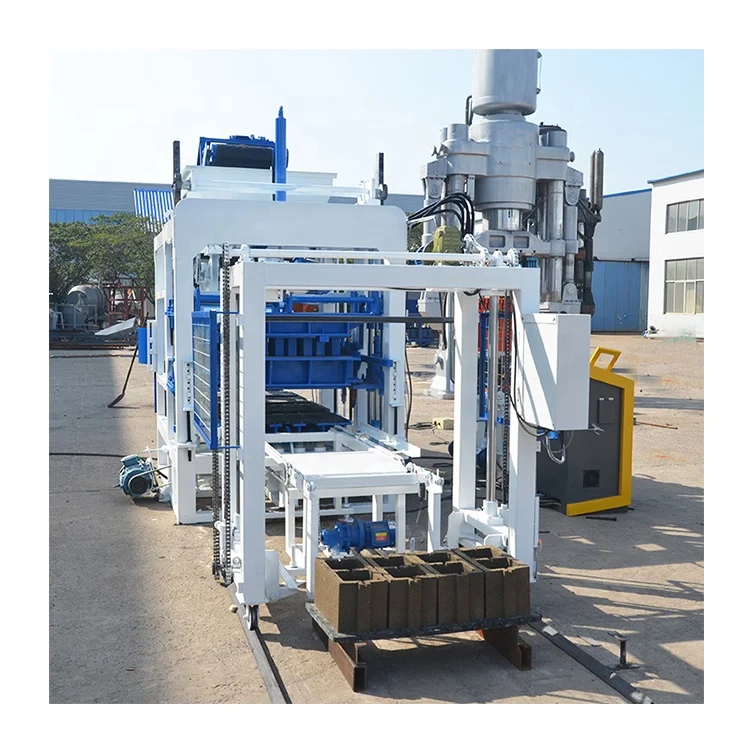 Semi automatic block