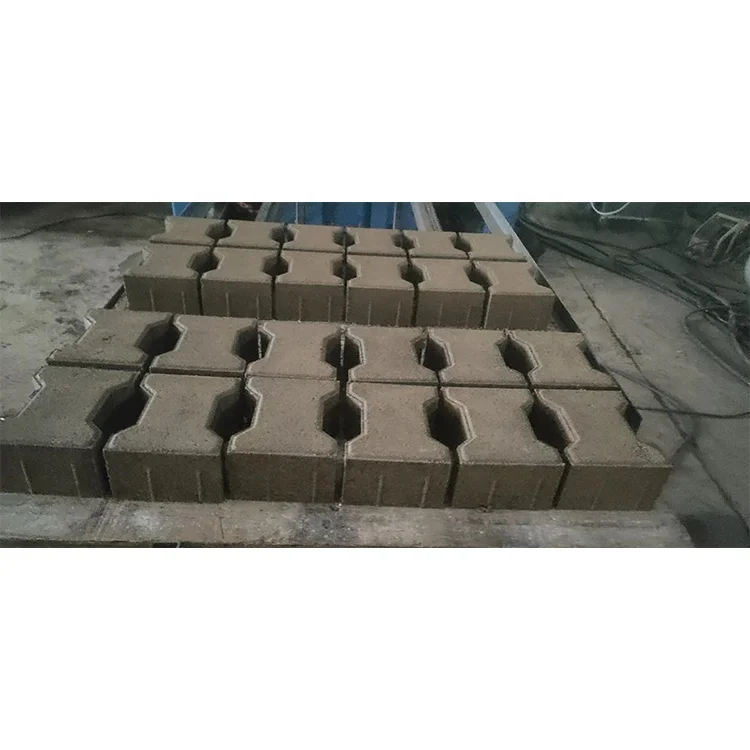
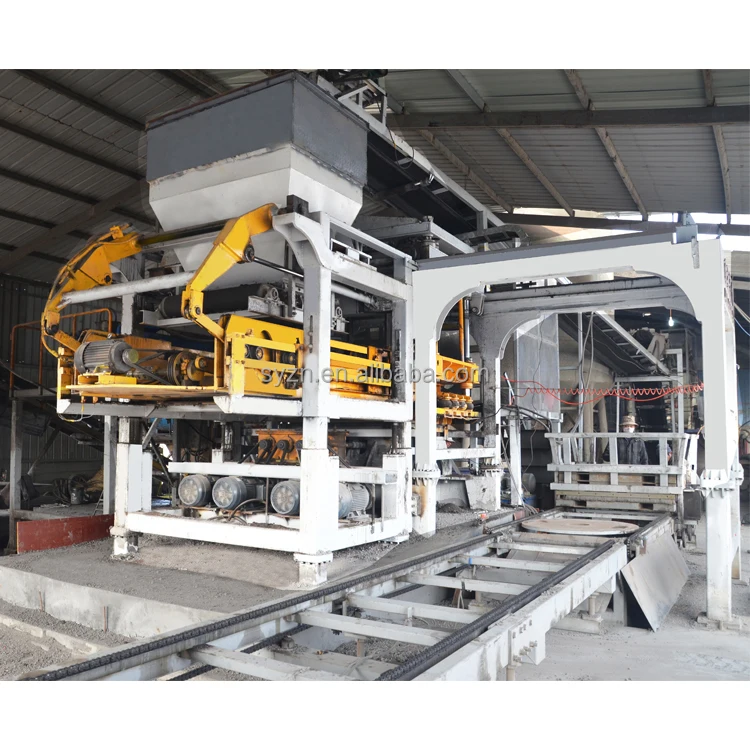
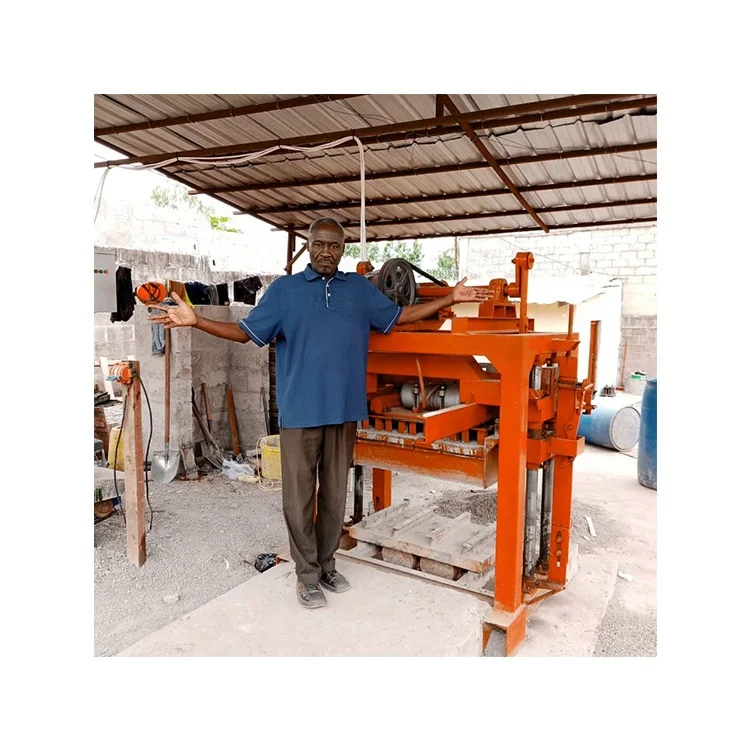
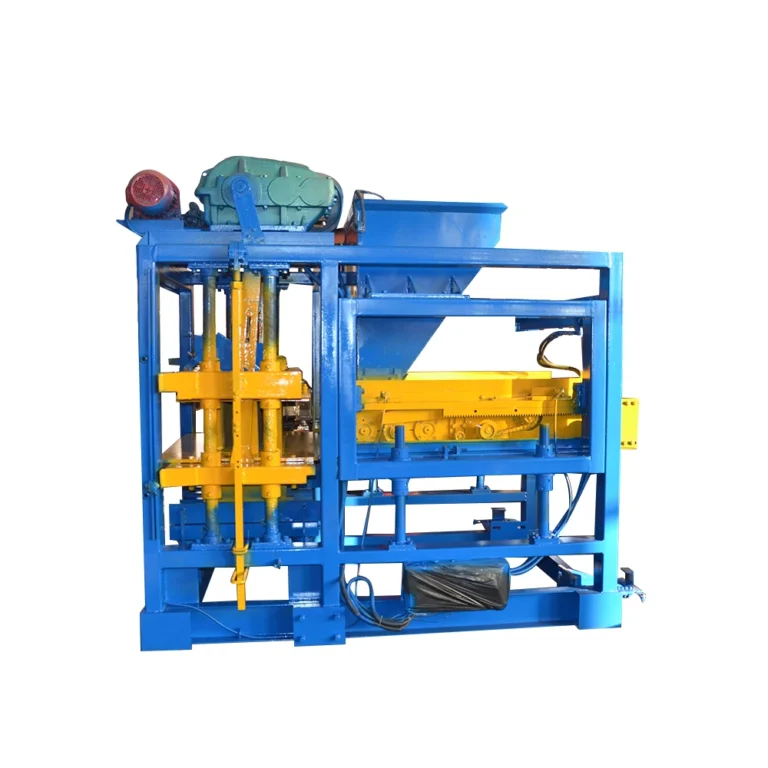
Stationary Range Entry Point — The QTJ4-40 anchors our stationary block machine lineup as the first tier where buyers see capacity stated per block format, letting entrepreneurs and contractors compare investment levels across the full range before committing to a plant footprint.
Technical Specifications
| Parameter |
Value |
| Model |
QTJ4-40 |
| Product Type |
Semi-Automatic Concrete Block Making Machine |
| Category |
Stationary block machine |
| Capacity (Hollow Block) |
2880 pcs/8hours (based on 400×200×200mm hollow block, 4 pcs per mould) |
| Capacity (Alt. Format) |
4000 pcs/8hours (based on 400×150×200mm hollow block, 5 pcs per mould) |
| Capacity (Alt. Format) |
7200 pcs/8hours (based on 225×112.5×60mm solid brick, 9 pcs per mould) |
| Main Vibration Form |
Platform Vibration |
| Vibration Frequency |
2800 r/min |
| Pallet Size |
850×450mm |
| Machine Weight |
1T |
| Factory Area Required |
200m² |
| Overall Dimensions |
1350×1460×1800mm |
| Automation Level |
Semi-automatic / manual pallet handling |
| Raw Materials |
Concrete, cement, fly ash, crushed stone, sand, dust, gravel, slag |
| Recommended Mix Ratio |
Cement 8%-10%, sand 30%-40%, stone 50%-60% |
| Key Features |
Top die push-pull mechanism, automatic scraper, manual stacking, platform vibration |
Application Suitability
| Application |
Material or Output |
| First-plant hollow block production |
Crushed stone, sand, and cement mixes |
| On-site solid brick runs for contractors |
Fly ash, cement, and local aggregates |
| Small-batch paving block trials |
Colored concrete and fine gravel |
| Interlocking brick formats |
Standard concrete mix with adjusted water ratio |
Where the QTJ4-40 Sits on the Full Machine Range
A semi-automatic concrete block making machine manufacturer must show buyers the entire staircase before selling the first step.
Many first-time buyers land on a catalogue page, see a single output number, and order without knowing what sits above or below that tier. The QTJ4-40 is our entry-level stationary press. Above it, semi-automatic lines add powered pallet feeders and batchers; fully automatic tiers stack and cube without an operator touching the block. Below it, mobile egg-laying machines skip pallets entirely but lose format variety. Knowing the gaps between tiers lets a buyer decide whether to start here and grow, or jump straight to a higher tier [NEED_CITE: typical block plant upgrade paths in emerging markets].
Mapping the Stationary Tier Ladder
This semi-automatic concrete block making machine occupies the lowest investment bracket in our stationary lineup. Its 200m² factory area requirement and 1T weight mean a buyer does not need reinforced foundations or overhead cranes. When production volume grows beyond what one QTJ4-40 delivers per shift, the next tier adds automatic pallet circulation — the press stays in a similar footprint, but the supporting line extends.
Footprint and Budget Positioning
A contractor pouring blocks on a housing site can place the QTJ4-40 inside a temporary shelter and still have room for curing racks within the same 200m² envelope. An entrepreneur building a first commercial yard gets a machine small enough to learn on, yet configured to accept the same pallet size that higher tiers use, reducing the cost of a future upgrade [NEED_CITE: pallet standardization across block machine tiers].

Vibration, Pressure, and the Mix You Actually Have
Platform vibration at 2800 r/min compacts the concrete into the mould cavity, while the top die push-pull mechanism levels the surface before the scraper finishes the top face. On our larger stationary presses, hydraulic pressure works alongside vibration to squeeze the mix denser; the QTJ4-40 relies on vibration and the mechanical top die alone. That makes the mix ratio critical — the recommended 8-10% cement with 50-60% stone gives enough coarse aggregate for the vibration to lock particles together. If your local sand is finer than the test aggregate, the same vibration frequency will not achieve the same density, and blocks may crumble before curing is complete.
Pallet Size and the Rest of Your Yard
The 850×450mm pallet dictates the curing rack spacing, the forklift tine width, and the stacking pattern in your yard. A buyer who already owns racks sized for a different pallet will spend more on new racks than the price difference between machine tiers. We confirm pallet dimensions against your existing equipment before the order locks in, so the QTJ4-40 slots into the yard rather than forcing a yard rebuild [NEED_CITE: pallet handling standards in small block plants].
What Happens When the Format Assumption Is Hidden
Buyers who choose a machine based on a single headline capacity figure often discover, after arrival, that the number assumed a hollow block format their market does not buy. Switching to a thinner wall block or a solid brick changes pieces per mould, which changes daily output. The QTJ4-40 capacity is quoted against three specific formats so the buyer can calculate which one matches their actual order book before the machine ships.
Why This Tier Exists in the Range
The QTJ4-40 is built as the starting rung. Its semi-automatic configuration keeps the capital outlay low, while the mould mounting pattern matches our higher tiers — a buyer who later moves to an automatic line can carry the same moulds over. That continuity is deliberate: it lets a first-plant entrepreneur prove the market, then scale without discarding the initial tooling investment [NEED_CITE: mould compatibility across stationary block machine tiers].
Why Source This Tier Here
Our stationary range is specified as one system — press, mould, pallet, and handling are matched before quotation, not assembled from separate catalogues after the order. Each machine ships with a capacity calculation that names the exact block format behind every output figure. Voltage, frequency, and control language are confirmed in writing before production starts. Mould drawings are approved against the buyer’s target format, not substituted with a catalogue default. Operator training covers the specific mix the buyer will run, not a generic recipe.
Documentation & Verification
- Line layout showing the 200m² footprint with curing rack placement
- Capacity calculation per hollow block, solid brick, and paver format
- Pallet drawing matched to your existing forklift and rack dimensions
- Factory test record run on your confirmed mix ratio
- Mould format list with dimensional drawings before shipment
- Voltage and frequency confirmation sheet signed before production
Installation, Commissioning & Support
- Ground slab leveled within the 1350×1460mm footprint, no deep piers required for the 1T weight
- Power feed matched to confirmed voltage and frequency with a dedicated breaker
- Platform vibration motor and top die mechanism calibrated on-site to the buyer’s mix
- Operator training on manual pallet handling and stacking sequence for 850×450mm pallets
- Mould change procedure demonstrated for each format in the approved drawing set
- Wear parts list for the scraper, vibration springs, and top die push-pull components
Before You Send the Inquiry
Tell us which block format your market actually orders, the daily volume you need to hit, and the aggregate you can source locally. Include your yard dimensions and the forklift you already run so we can check pallet compatibility. If you are comparing this tier to the next automatic level, state your labour availability and whether you plan to run single or double shifts.
Frequently Asked Questions
Q: How is capacity verified per block format on the QTJ4-40?
A: Each output figure is tied to a named block dimension and pieces-per-mould count. When you switch moulds, the pieces per cycle change, so daily output shifts accordingly. We provide a written capacity table listing every approved format before the order is finalized.
Q: Where does the QTJ4-40 sit compared to higher tiers?
A: It is the entry stationary tier — manual pallet handling, no automatic stacking. The next tier adds powered pallet feed and batching; the tier above that adds automatic cubing. Plant footprint grows with each step, so buyers choose based on available yard space and target volume.
Q: Is the 850×450mm pallet compatible with my existing yard?
A: That depends on your current curing rack spacing and forklift tine width. We confirm these dimensions during the inquiry stage. If your racks are sized differently, we adjust the pallet specification or note the rack changes needed before you order.
Q: Can I upgrade from the QTJ4-40 later without replacing everything?
A: The mould mounting pattern and pallet size match our higher stationary tiers. When you are ready to add automatic pallet feeding or stacking, the existing moulds transfer to the new press. The supporting line extends, but the initial tooling investment carries forward.

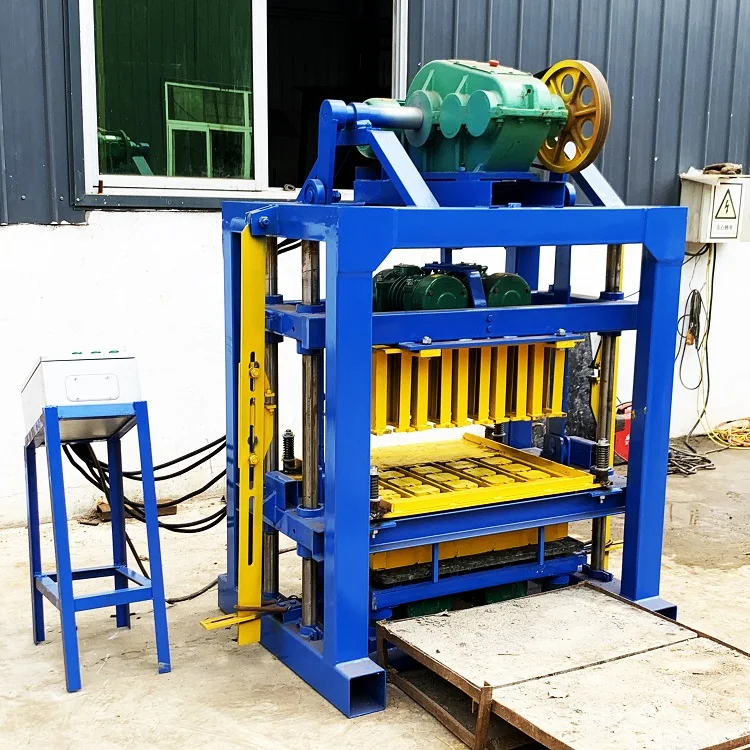
 Stationary block machine