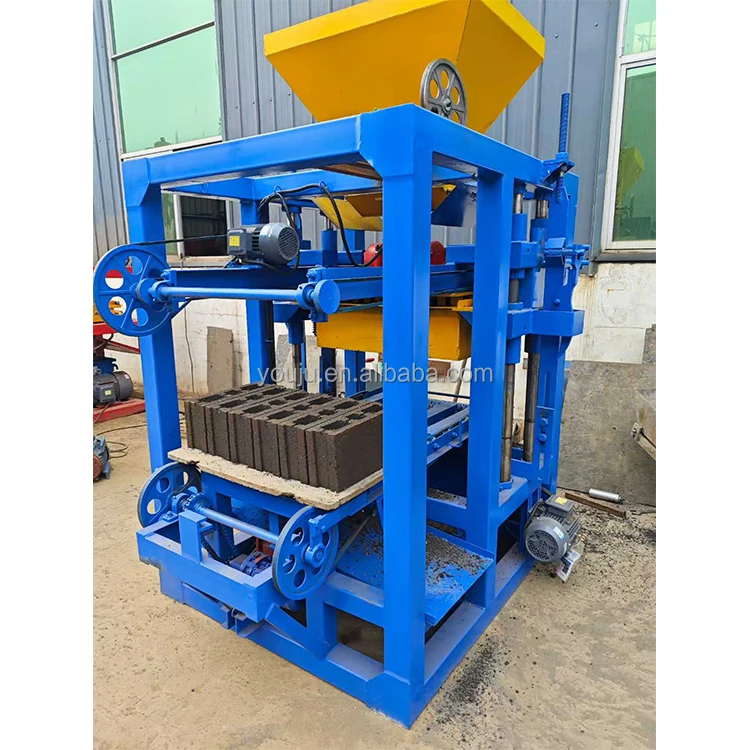
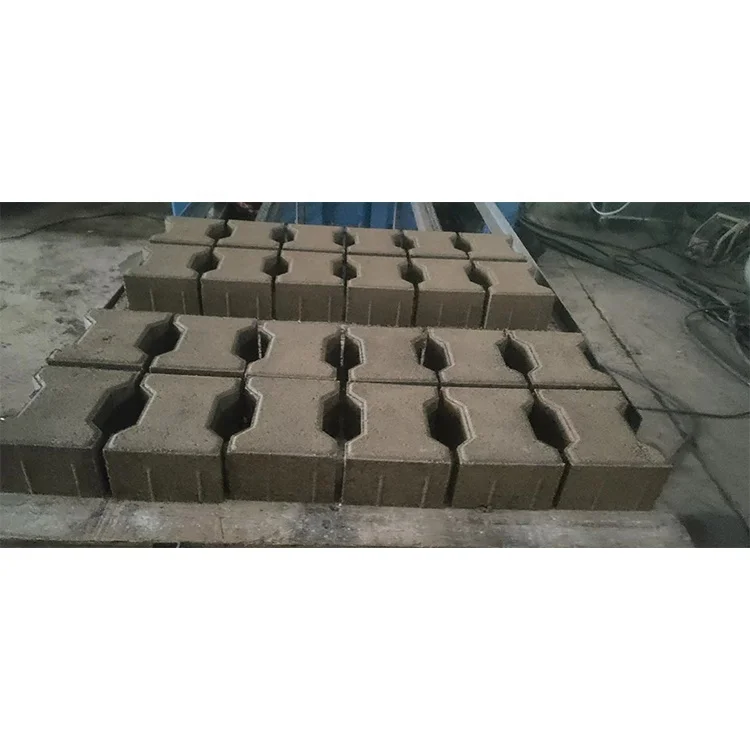
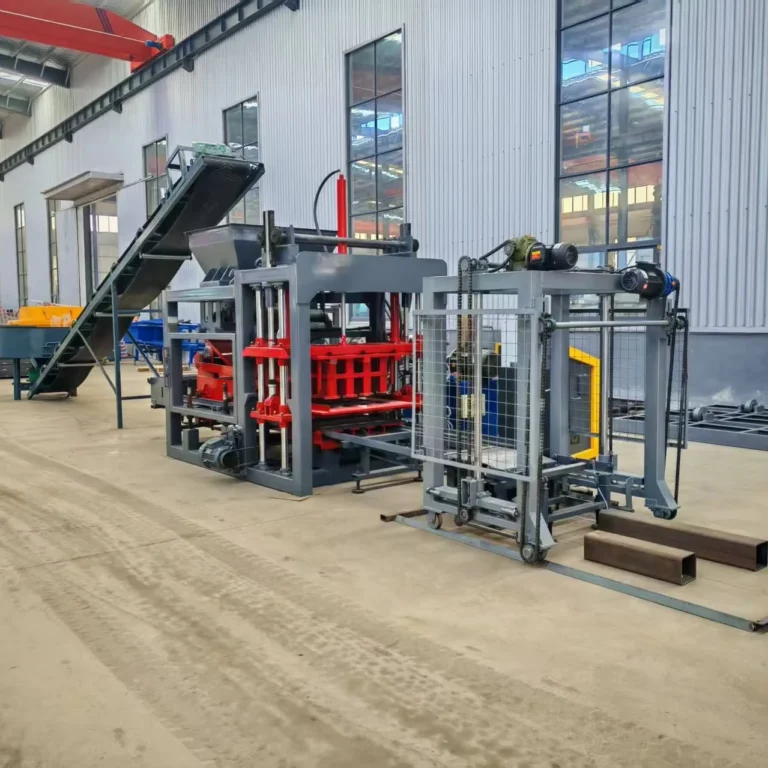
Single-Focus Block Machinery — we specify the press, pallet and curing footprint as one matched system for the QTJ4-40 rather than quoting isolated cycle times.
Technical Specifications
| Parameter |
Value |
| Model |
QTJ4-40 |
| Product Type |
Manual Brick Making Machine |
| Overall Dimensions (L×W×H) |
1350 × 1460 × 1800 mm |
| Net Weight |
1 T |
| Rated Power |
9.5 kW |
| Voltage & Frequency |
380V or configured to local supply |
| Control System |
Manual operation |
| Pallet Size |
850 × 450 × 40 mm |
| Mould Format Capacity |
400 × 200 × 200 mm (4 pcs/mould); 400 × 240 × 200 mm (3 pcs/mould) |
| Cycle Time |
40s (basis not stated in source — depends on format and mix) |
| Automation Level |
Manual / semi-manual |
| Stacking Method |
Manual pallet handling |
| Vibration Frequency |
2800 r/min |
| Motor Fitment |
German Siemens motor |
| Factory Area Required |
200 m² |
| Workers Required |
3–5 |
| Key Features |
Color options in red or custom; 1-year warranty |
Application Suitability
| Application |
Material or Output |
| Small-scale brick production |
Concrete, cement, sand, and crushed stone |
| Entrepreneurial first plant setup |
Standard hollow and solid blocks |
| On-site contractor production |
Interlocking bricks and pavers |
| Workshop format expansion |
Multiple block formats via mould change |
Why the "40-Second Cycle" Rarely Means 40 Seconds Everywhere
A quoted cycle time only reflects real output when tied to the exact block format and raw material mix.
Many buyers see a 40-second figure and multiply it out to an eight-hour shift, only to find daily production far lower than expected. That 40-second rate applies under specific conditions that the factory sheet does not fully state, meaning a different block shape or a stickier local aggregate can stretch each cycle considerably. I have watched a manual brick making machine manufacturer quote a fixed number that fell apart once the buyer’s sand proved too fine, forcing longer vibration to reach acceptable density. [NEED_CITE: block moulding cycle variables in manual operations]

Where the QTJ4-40 Sits in the Full Range
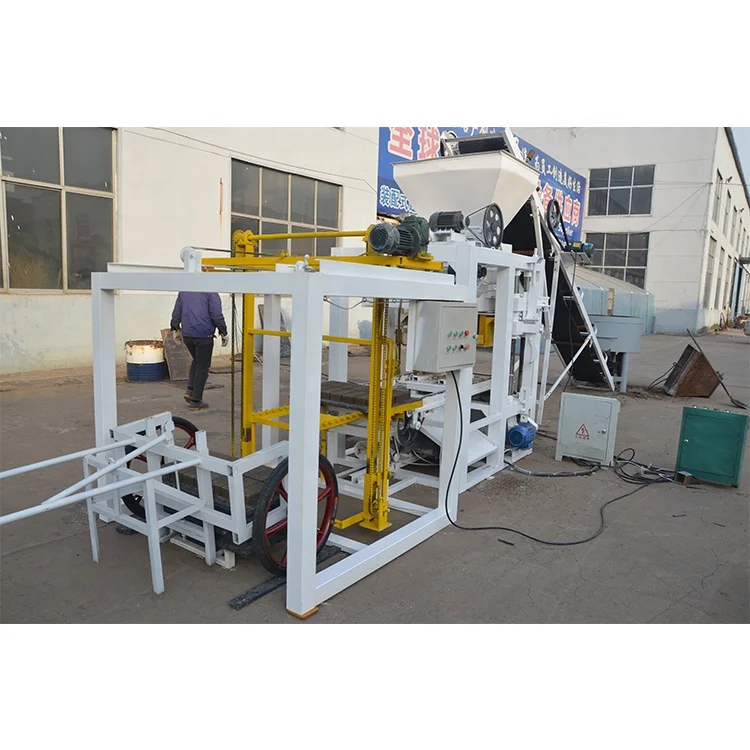
This model occupies the entry tier of our stationary block machine lineup. It is built for buyers who need a compact footprint and do not yet have the volume to justify a fully automatic line. As a manual brick making machine, it removes the capital barrier for entrepreneurs and small contractors while still delivering the vibration force needed for consistent block density.
Scaling Up Without Replacing the Line
Because the pallet size and curing area are specified from the start, a buyer can begin with the QTJ4-40 and later add an automatic stacker or a larger press without re-pouring foundations or resizing the curing yard. The 200 m² plant footprint leaves room for expansion, and the 850 × 450 × 40 mm pallets remain compatible with downstream handling equipment in higher tiers. [NEED_CITE: block plant expansion compatibility standards]
Reading the Specs That Actually Matter on Site
The 2800 r/min vibration frequency works with the Siemens motor to compact the mix firmly into the mould cavity, which is critical when local aggregate is angular or poorly graded. The 9.5 kW rated power is modest, meaning the machine can run from a standard workshop supply without a dedicated transformer. Pallet size directly dictates how many blocks cure per rack and which forklift you need to move them, so confirming your existing handling equipment against the 850 × 450 mm pallet avoids a costly mismatch on arrival. Mould change between the 4-block and 3-block formats requires manual removal, so factor that procedure into your shift plan when switching formats mid-day.
The Cost of Ignoring Voltage and Language Before Shipment
Arriving at a site to find the local grid runs at 440V or 60 Hz when the machine was built for 380V/50 Hz delays commissioning by weeks while a new motor or transformer is sourced. Even the control panel language matters — an operator reading instructions in an unfamiliar script will make more errors during the critical first production runs. Confirming voltage, frequency, and display language before the machine leaves the factory avoids these costly standstills. [NEED_CITE: voltage mismatch consequences in exported industrial machinery]
Why Sourcing This Manual Brick Making Machine Through Us Works
Block machinery is our only product category, so the QTJ4-40 is specified alongside the exact pallets, moulds and curing racks it needs rather than treated as a standalone press. We set the configuration against your local aggregate and target format, not a catalogue default. Mould design covers the block shapes your market actually sells, including custom drawings if your region demands a non-standard size. The automation level is selectable, so starting manual and upgrading later is a planned path, not an afterthought. Installation support includes operator training at your site so the first shift produces saleable blocks.
Documentation & Verification
- Line layout showing the 200 m² footprint with curing area marked for the QTJ4-40 pallet size
- Capacity calculation stating the block format assumed for the 40-second cycle claim
- Mould drawing and format list covering 400×200 and 400×240 options
- Voltage and frequency confirmation sheet signed before dispatch
- Operation manual with wear parts list specific to the Siemens motor and vibration assembly
Installation, Commissioning & Support
- Foundation pad leveled within tolerance for the 1350 × 1460 mm base footprint
- Dedicated 9.5 kW circuit with correct voltage and frequency verified before connection
- Mould mounted and cycle timed with your actual mix during first-run commissioning
- Operator training on manual pallet handling and format changeover procedures
- Wear parts list and first replacement set provided at delivery
What We Need to Size Your Setup Correctly
Share the block formats your market demands, the daily volume you target, and the raw materials available locally including aggregate type and moisture content. Confirm your site’s voltage, frequency, and available floor area so we can match the QTJ4-40 to your conditions rather than quoting a generic configuration.
Frequently Asked Questions
Q: How do I verify the real daily output of the QTJ4-40?
A: Start from the cycle time stated for the specific block format you plan to produce, then factor in manual pallet handling, mould change intervals, and mix preparation time. A 40-second cycle on a 400×200×200mm block does not apply to other formats. We provide a capacity calculation sheet tied to your chosen format before you commit.
Q: Which voltage options are available for my country?
A: The QTJ4-40 is configured to your local supply before production begins. We confirm voltage, frequency, and motor rating on a signed sheet so the Siemens motor and controls match your grid. This avoids rewiring or transformer costs after the machine arrives at your site.
Q: How does mould change work on the QTJ4-40?
A: Switching between the 4-block and 3-block formats involves removing the current mould and bolting in the replacement. The procedure is manual and requires basic tools. We document the changeover steps and train your operators so format switches fit within a planned shift break rather than consuming production time.
Q: What footprint does the QTJ4-40 need including curing?
A: The machine itself occupies a compact area within the 200 m² recommended factory space. That figure includes room for raw material storage, mixing, pallet circulation, and a curing rack area sized for the 850 × 450 mm pallets. We provide a line layout showing each zone before installation.
Q: Can I upgrade the QTJ4-40 to a higher automation level later?
A: Yes. The pallet size and station spacing are compatible with automatic pallet feeders and stackers in our higher tiers. Starting manual keeps initial investment low, and upgrading later is a planned transition rather than a full replacement. We outline the upgrade path during the initial quotation.

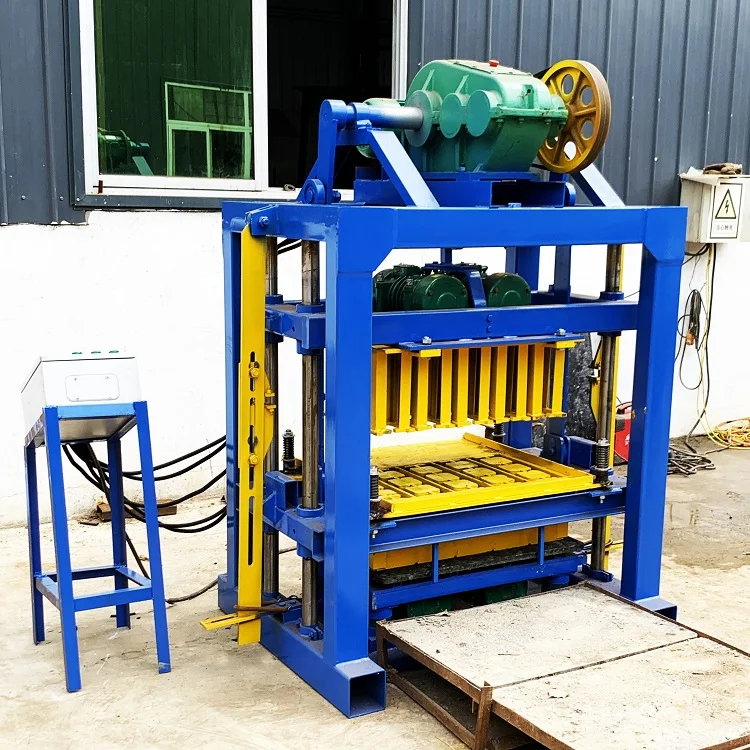
 Stationary block machine