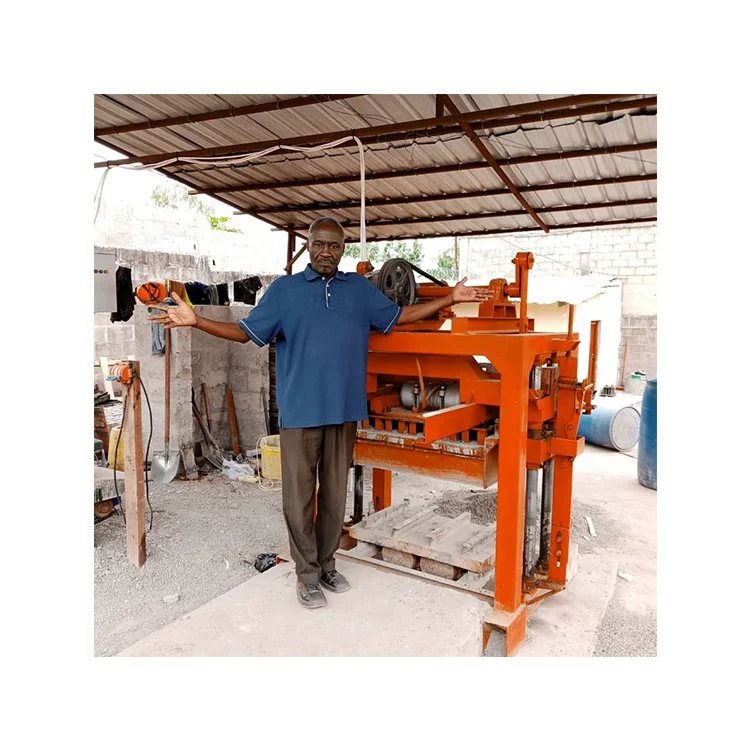
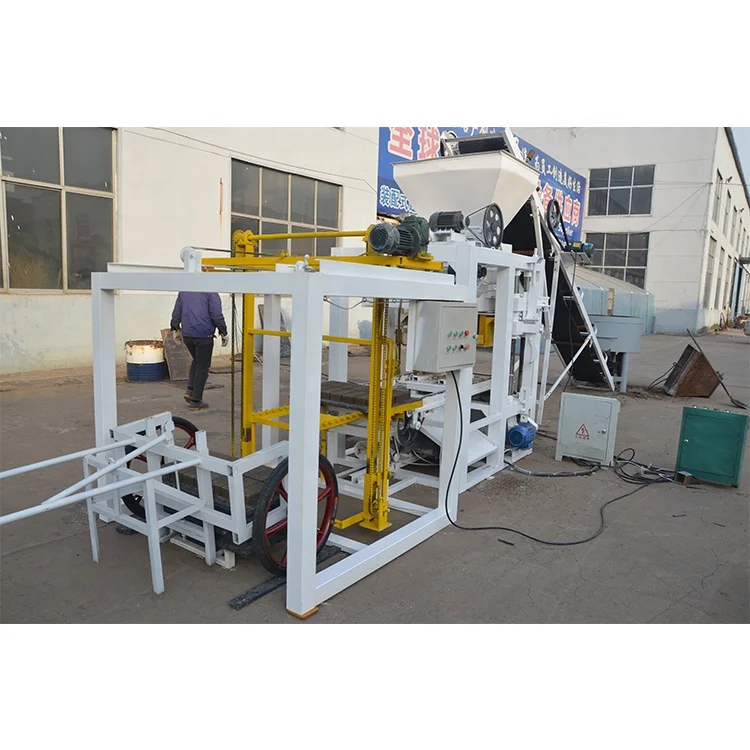
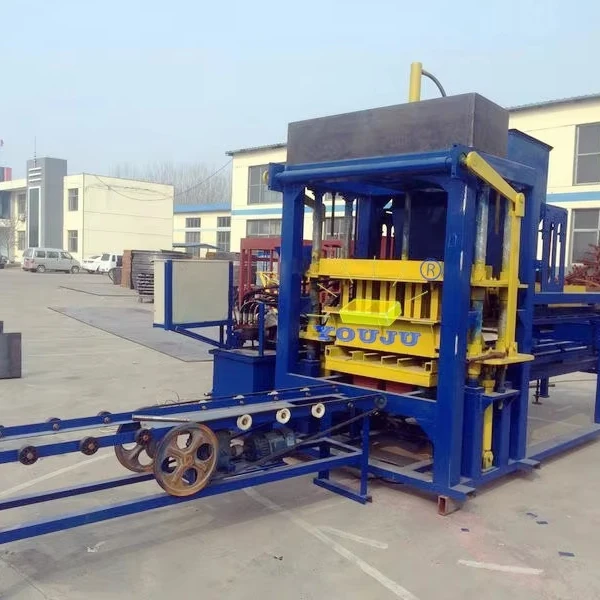
Matched System Sizing — vibration force, pallet, and mixer specified together so the press cycle never waits on upstream material or downstream handling.
Technical Specifications
| Parameter |
Value |
| Model |
QTJ4-40 |
| Product Type |
Concrete Block Making Machine |
| Machine Type |
Stationary platform vibration block making machine |
| Overall Dimensions (L×W×H) |
1350 × 1460 × 1800 mm |
| Overall Power |
9.5 kW |
| Vibration Force |
35 kN |
| Vibration Frequency |
2800 RPM |
| Vibration Method |
Table vibration feeding, fluctuation vibration molding |
| Pallet Size |
850 × 450 mm |
| Control System |
Electrical control with mechanical interworking |
| Mixer Type |
Vertical type 350 |
| Reducer |
250 reducer, engine oil lubricated |
| Power Supply |
Three-phase four-wire, 100A leakage protector |
| Wiring Specification |
External 16 sq mm, host machine 10 sq mm, mixer 6 sq mm |
| Lubrication |
35# gear oil 10 kg (mixer), engine oil 2 kg (host machine) |
| Output Capacity |
2880 pcs/day (basis not stated in source — confirm block format) |
Application Suitability
| Application |
Material or Output |
| Small-scale hollow block production |
Cement, crushed stone, sand, water |
| Paver block manufacturing |
Fine aggregate with cement binder |
| Cement block production for local supply |
Locally sourced aggregate blends |
| Workshop-level block production |
Manual pallet handling, semi-automatic cycle |
Why "Pieces per Day" Means Nothing Without the Block Format
The 2880 pcs/day figure only becomes useful once you know which block size it assumes.
A stationary block machine manufacturer quoting capacity without naming the format is a pattern I have seen cause real scheduling problems. A buyer in East Africa once planned an entire block yard layout around a daily target, only to discover after installation that the quoted number assumed a thin paver rather than the 200 mm hollow block they actually sell. The real output for their format was roughly half. This machine sits in the small-plant tier where every pallet cycle counts, so understanding the format-to-capacity link before purchase is essential. [NEED_CITE: block format impact on cycle time and daily output]

Where This Tier Fits in the Range
The QTJ4-40 occupies the entry point of the stationary block machine range, designed for workshop-level production where a fully automatic line is not justified. Its compact footprint of 1350 × 1460 mm means it fits inside a standard industrial bay without dedicated building works. Buyers at this tier are typically setting up their first block plant or adding on-site production to a construction project. The semi-automatic control with manual pallet handling keeps the initial investment measured while still delivering consistent vibration compaction across formats.
Vibration and Pallet as One Decision
Choosing a stationary block machine manufacturer involves more than comparing press tonnage. The 850 × 450 mm pallet on this model dictates the curing rack spacing, the forklift tine width, and the floor area needed for a day’s output. I once saw a buyer receive a machine with a pallet size that did not match their existing kiln car dimensions — every cured pallet had to be re-stacked by hand before it could enter the kiln. The pallet, the vibration force of 35 kN, and the vertical 350 mixer are sized together here so that material arrives at the press at the same rate the vibration cycle demands. [NEED_CITE: pallet handling integration in small block plants]
Reading the Specs That Matter
The 35 kN vibration force paired with table vibration feeding and fluctuation vibration molding determines how densely the concrete mix is compacted into the mould cavity. Dense compaction directly affects block strength at de-moulding — too little force and the block slumps when the mould lifts, too much and fine aggregate segregates from the cement paste. The 2800 RPM vibration frequency sits in the range suited to zero-slump mixes typical of hollow and paver blocks. Power draw of 9.5 kW across host machine and mixer means a standard small-workshop three-phase supply is sufficient, but the 100A leakage protector and specific wiring gauges must be confirmed against local electrical codes before shipment. The electrical-mechanical interworking control coordinates upper and lower vibrators so that an operator error in sequencing does not damage the vibrator mounts — a practical safeguard at this semi-automatic tier.
The Cost of Skipping Electrical Confirmation
Voltage and frequency mismatches remain one of the most avoidable causes of commissioning delay. A stationary block machine shipped to a region with 415V three-phase supply but wired for a different standard will sit idle until a transformer arrives — I have personally watched a three-week project stall for exactly this reason. The QTJ4-40 requires a three-phase four-wire supply with defined wiring gauges, and locking those parameters against the buyer’s local grid before production begins is non-negotiable. Skipping this step does not just delay first production; it can void motor warranties if the machine is energized outside its rated range. [NEED_CITE: industrial motor warranty conditions related to voltage supply]
Why Source This Machine Here
Block machinery is the single focus, so the press, mould, pallet, and mixer are specified as one matched system rather than assembled from separate suppliers. Configuration is set against the buyer’s actual mix design and local aggregate, not pulled from a catalogue default. Mould design and supply cover the formats the buyer’s market sells, including custom drawings for non-standard block profiles. The automation level is selectable — a buyer can start with this semi-automatic model and upgrade to automatic pallet feeding later without replacing the press. Installation support includes on-site commissioning and operator training so the first production run happens with someone who knows the machine standing beside the team.
Documentation & Verification
- Line layout with capacity calculation stating the block format assumed for the QTJ4-40
- Machine specification sheet confirming pallet size, vibration force, and power rating
- Voltage, frequency, and wiring standard confirmation matched to buyer’s local electrical code
- Mould drawing and format list for every block profile included in the order
- Factory test record on buyer’s specified block format before dispatch
Installation, Commissioning & Support
- Flat cement foundation with unevenness ≤1° required for the 1350 × 1460 mm machine footprint
- Three-phase four-wire supply with 100A leakage protector must be in place before commissioning
- Main machine and vertical 350 mixer assembled on-site after delivery
- External 16 sq mm and host machine 10 sq mm wiring verified against local code before energizing
- Operator training covers vibration sequencing, mould change, and daily lubrication with 35# gear oil
- Wear parts and mould list provided so first replacement components are available on arrival
What to Include with Your Inquiry
To size the QTJ4-40 correctly for your project, share the block format you sell most — including dimensions and target strength — along with your local aggregate type and available cement grade. Confirm your site’s voltage, frequency, and wiring standard so the electrical package is built to match. If you already have curing racks or a forklift in place, provide the pallet dimensions and handling equipment specs so the 850 × 450 mm pallet can be verified or adjusted before production.
Frequently Asked Questions
Q: How is the 2880 pcs/day capacity calculated, and which block format does it assume?
A: That figure comes from the machine’s cycle rate multiplied by working hours, but the block format used as the basis is not stated in the source data. We confirm the assumed format — hollow, solid, or paver — and recalculate daily output against your actual product before quotation so your planning numbers are realistic.
Q: What pallet size and material should match my existing curing area and forklift?
A: The standard pallet for this model is 850 × 450 mm. Before shipment we verify that dimension against your curing rack spacing, kiln car width, and forklift tine configuration. Pallet material — wood, steel, or composite — is selected based on your curing method and expected handling cycles.
Q: How do I confirm voltage, frequency, and wiring before the machine ships?
A: During the inquiry stage we request your site’s electrical specification — voltage, phase, frequency, and local wiring code. The QTJ4-40 requires a three-phase four-wire supply with a 100A leakage protector. We confirm the motor rating plate, wiring gauges, and control panel labeling match your local standard before the machine leaves the factory.
Q: What installation conditions does this stationary platform machine require?
A: The foundation must be flat, solid cement ground with unevenness no greater than 1°. The 9.5 kW total power draw needs a dedicated three-phase circuit. The main machine and mixer arrive separately and are assembled on-site, so adequate clearance around the 1350 × 1460 mm footprint is needed for positioning and service access.
Q: Which wear parts need first replacement, and are moulds available in custom formats?
A: Vibrator mounts, mould liners, and pallet contact surfaces are the primary wear items. A wear parts list with part numbers is included in the documentation so you can order replacements before they are needed. Custom mould designs are produced to buyer drawings for any non-standard block profile your market requires.

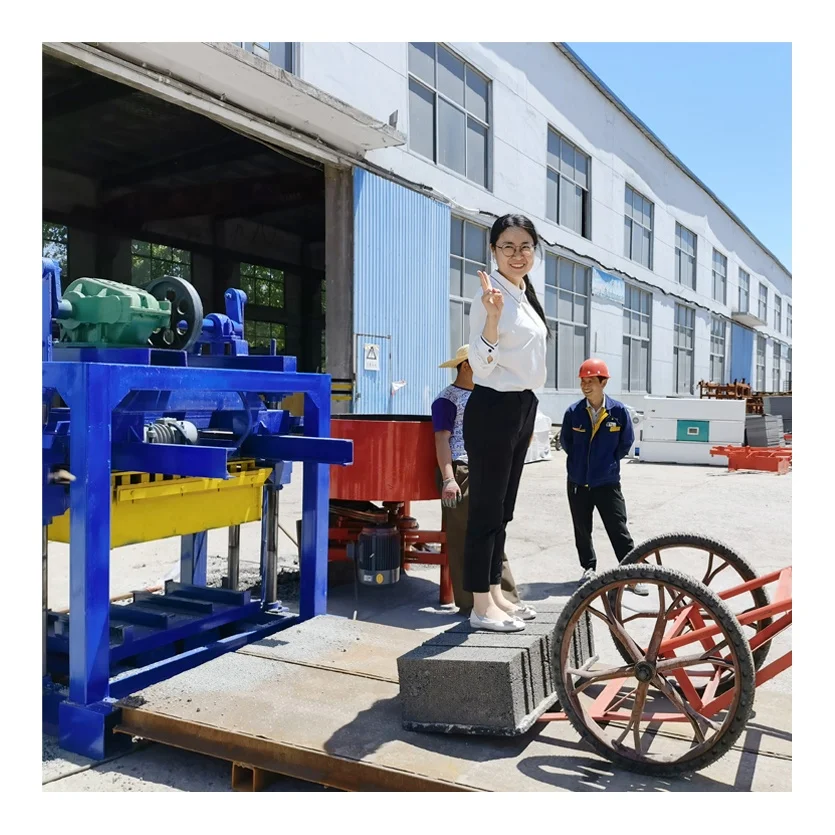
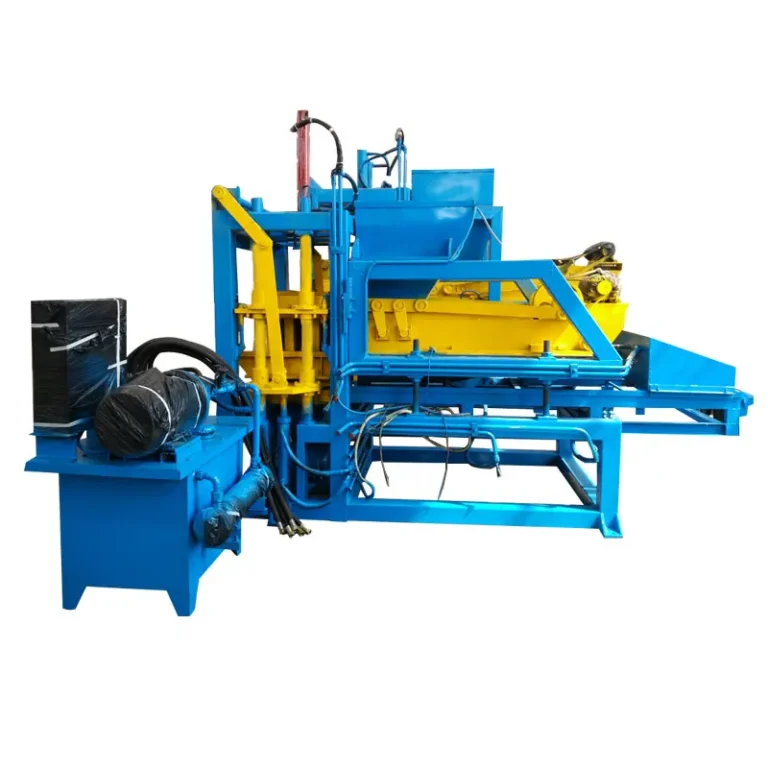 Stationary block machine