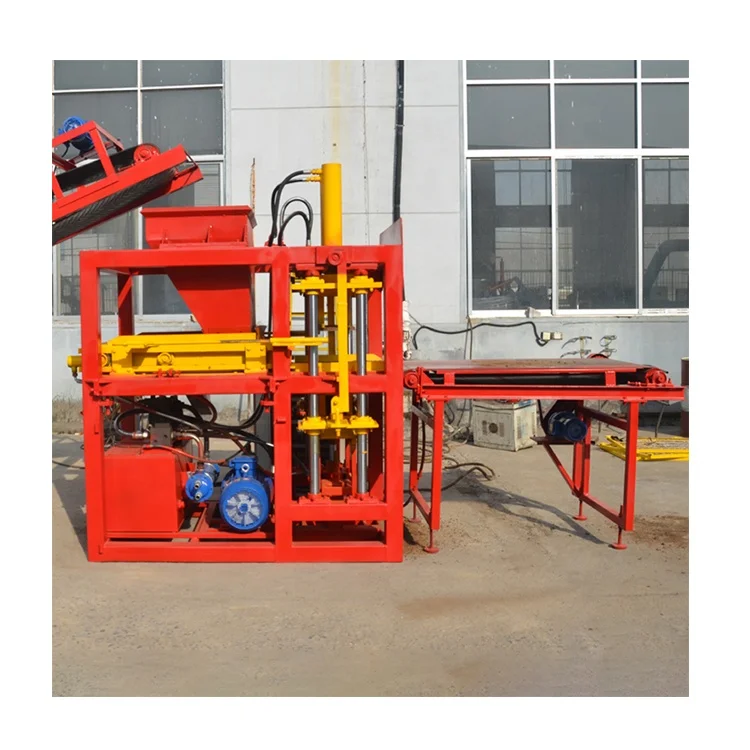
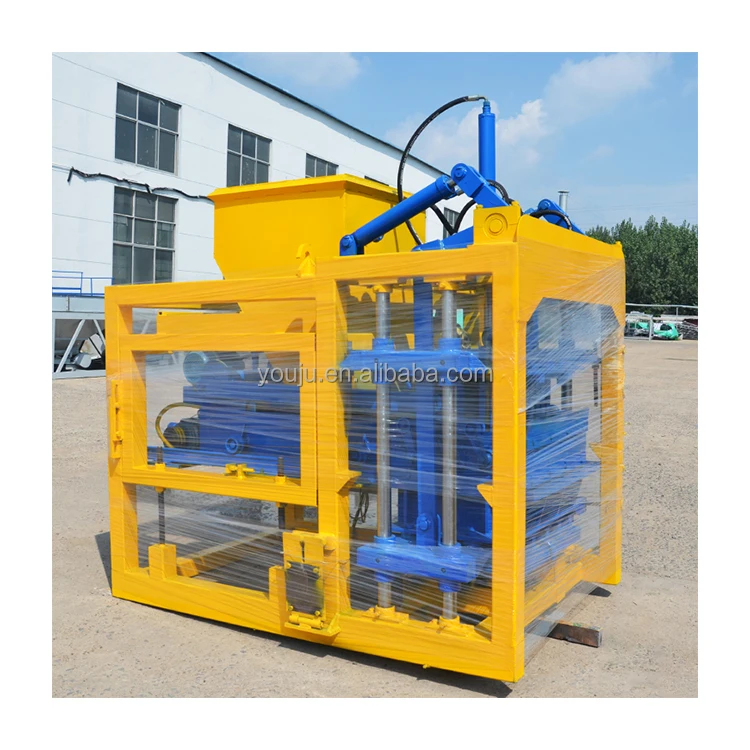
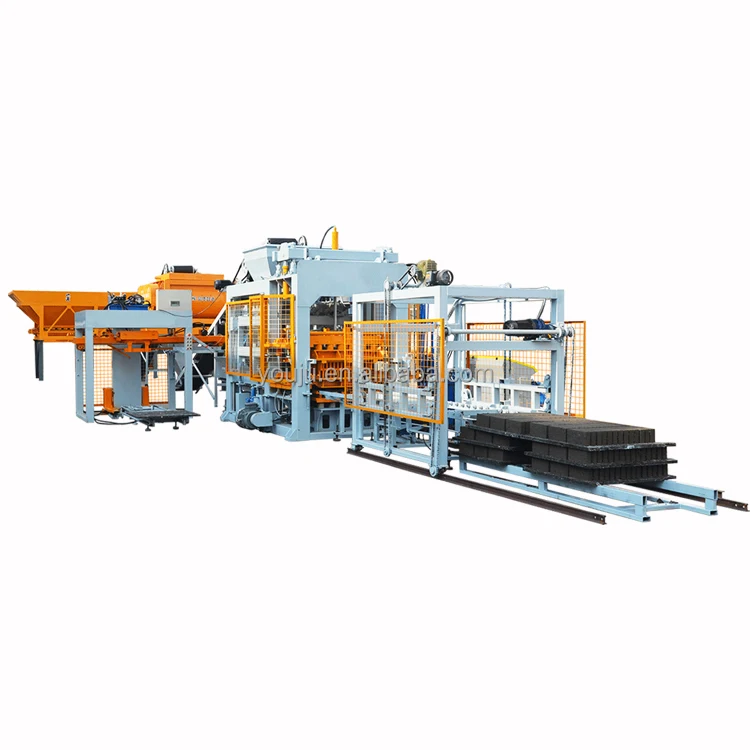
Matched System Approach — The QTF3-20 is positioned at the entry tier of the semi-automatic range, specified with mould, pallet and handling as one matched system rather than standalone components, helping buyers surveying their first or replacement machine understand where this model sits before narrowing down.
Technical Specifications
| Parameter |
Value |
| Model |
QTF3-20 |
| Product Type |
Semi-Automatic Concrete Block Making Machine |
| Automation Level |
Semi-automatic |
| Hydraulic System |
Yes |
| Mould Format Compatibility |
Paving block, curbstone, hollow block, solid block, interlocking block |
| Output Capacity (Paving Block) |
2700 pcs/h based on 200×100×60mm, 15 pcs/mould |
| Output Capacity (Hollow Block) |
540 pcs/h based on 400×200×200mm, 3 pcs/mould |
| Output Capacity (Interlocking Block) |
1440 pcs/h based on 225×112.5×60mm, 8 pcs/mould |
| Voltage & Frequency |
Customizable to local electrical standard |
| Warranty |
1 year (excluding wearing parts) |
Application Suitability
| Application |
Material or Output |
| Small-to-medium block plant startup |
Interlocking and paving blocks for local market entry |
| On-site contractor production |
Hollow blocks for residential and commercial builds |
| Format expansion for existing plant |
Curbstone and solid block additions to current range |
| Entrepreneur first block plant |
Paving and hollow blocks with lower initial investment |
Why "2700 Pieces per Hour" Means Nothing Without the Block Format
Capacity only matters when tied to the exact block size and mould cavity count you intend to run.
Buyers comparing a semi-automatic block machine for sale across multiple suppliers often see a single headline number — cycles per hour or a peak piece count — without any mention of which block format that figure assumes. I have watched contractors order a machine based on a paving block output rate, only to discover on arrival that their primary product is a 400mm hollow block running at a fraction of that volume. The daily production plan collapses before the first shift ends [NEED_CITE: common buyer misunderstandings on block machine capacity labeling]. The QTF3-20 lists three distinct output figures, each anchored to a specific block dimension and cavity count, so you can match the rate to the format your market actually buys.

Placing the QTF3-20 in the Output Tier Hierarchy
The semi-automatic block machine for sale market spans a wide range of output tiers, and understanding where a given model sits prevents both overspending on unused capacity and underestimating what a growing plant will need within a year. The QTF3-20 occupies the entry point of the semi-automatic range, designed for buyers whose daily volume does not yet justify the capital outlay and plant footprint of a fully automatic line with stacking and cubing. For an entrepreneur launching a first block plant or a contractor producing on a single project site, this tier delivers hydraulic pressing with vibration without requiring a dedicated factory building.
How the Semi-Automatic Tier Scales Up Later
One advantage of starting at this tier is that the upgrade path remains open. A buyer who begins with manual pallet handling on the QTF3-20 can later add automatic pallet feeding, stacking and curing rack handling as volume grows, without replacing the press itself. This matters in markets where demand builds gradually — the initial investment stays controlled while the line retains the capacity to expand. The automation level is selectable at order and can be revisited once production data from the first months of operation confirms whether manual handling is holding back output [NEED_CITE: semi-automatic to automatic upgrade paths in block production].
Reading the Specs That Actually Shape Block Quality
Hydraulic pressure and vibration force must work together — pressure compacts the mix into the mould cavity while vibration settles the aggregate into a dense, uniform matrix. If either value is mismatched to the buyer’s local aggregate and cement ratio, blocks emerge with inconsistent strength across batches. The QTF3-20 is configured against the buyer’s actual mix design rather than a catalogue default, so the hydraulic and vibration settings correspond to the material available on site. Pallet size and material are equally important: choosing a pallet dimension without checking the curing area layout and the forklift already on site means blocks may stack inefficiently or pallets get damaged during transport. The control system language is confirmed before production to avoid commissioning delays caused by operators unable to read the PLC display.
The Hidden Cost of Skipping Voltage Verification Before Shipment
A machine built for 50Hz running on a 60Hz grid will overheat its motors within hours, and no amount of on-site adjustment fixes a fundamental frequency mismatch. I once saw a semi-automatic press shipped to the Americas without verifying the local 60Hz standard — the motors ran hot enough to be untouchable by the end of the first day, and the buyer lost a full week sourcing replacement components locally. Electrical confirmation must happen before the machine enters production, not after it arrives at the port [NEED_CITE: voltage and frequency mismatches in exported industrial machinery]. The cost of rewinding motors and replacing contactors on site always exceeds the effort of confirming voltage and frequency in writing at the order stage.
What Makes This Range Different at the Entry Tier
Block machinery is the single focus here, so the QTF3-20 press, its moulds, pallets and handling equipment are specified as one system from the same source rather than assembled from separate suppliers with mismatched cycle times. Configuration is set against the buyer’s local aggregate and target block format, not a generic default pulled from a catalogue. Mould design covers the formats the buyer’s market actually sells, with custom drawings available when standard options do not match. The automation level is selectable, allowing a buyer to start semi-automatic and add handling stations later. Installation support includes operator training so the crew running the line on day one understands mould changes, cycle timing and basic maintenance.
Documentation & Verification
- Line layout with capacity calculation stated per block format and mould cavity count
- Machine specification sheet confirming hydraulic pressure, vibration force and pallet dimensions
- Voltage, frequency and PLC display language confirmed in writing before production starts
- Factory test record showing cycle times on buyer’s specified block format before dispatch
- Operation and maintenance manual with wear parts list and mould compatibility chart included
Installation, Commissioning & Support
- Foundation plan matching QTF3-20 footprint and hydraulic press load distribution requirements
- Dedicated power circuit sized to the confirmed voltage and frequency for this unit
- Machine arrives in agreed assembly state with dismantling notes for container unloading
- On-site commissioning includes cycle time calibration against the buyer’s actual mix design
- Operator training covers mould change procedure, PLC navigation and daily maintenance checklist
- Wear parts list with reorder references for hydraulic seals and mould inserts
What to Prepare Before Requesting a Quotation
To size the QTF3-20 accurately, share the block formats your market sells most, the daily output target for each format, and the local aggregate and cement sources available. Confirm your site’s voltage, frequency and the language your operators need on the control display. If you have existing pallets, forklifts or curing racks, provide their dimensions so the pallet specification and handling layout can be matched accordingly.
Frequently Asked Questions
Q: How do I verify the QTF3-20 output capacity against the block format I actually sell?
A: Every output figure for this model is tied to a specific block dimension and mould cavity count — 2700 pcs/h for 200×100×60mm paving blocks at 15 cavities, 540 pcs/h for 400×200×200mm hollow blocks at 3 cavities. Compare these to your primary product format rather than a generic cycle rate, and request a capacity calculation sheet that shows daily output based on your target shift length and block type.
Q: What voltage and frequency options are confirmed before production of the QTF3-20?
A: Voltage and frequency are customizable to the buyer’s local electrical standard and must be confirmed in writing before the machine enters production. This includes motor rating, control panel components and PLC display language. Providing your site’s exact supply specification at inquiry stage prevents motor overheating and commissioning delays on arrival.
Q: Where does the QTF3-20 sit compared to higher-output automatic models in this range?
A: The QTF3-20 is the entry tier of the semi-automatic range, suited for first-time plant setups and smaller daily volumes. Higher tiers add automatic pallet feeding, stacking and cubing for buyers whose output demands and labour costs justify the additional investment. Starting at this tier keeps capital controlled while preserving the option to add automation stations later.
Q: What plant footprint and pallet handling setup does this semi-automatic tier require?
A: The semi-automatic tier requires a smaller footprint than a fully automatic line since stacking and curing rack handling are done manually or with basic equipment. Pallet size is specified to match your existing curing area and forklift capacity, ensuring blocks can be moved and stored without reconfiguring your site layout.

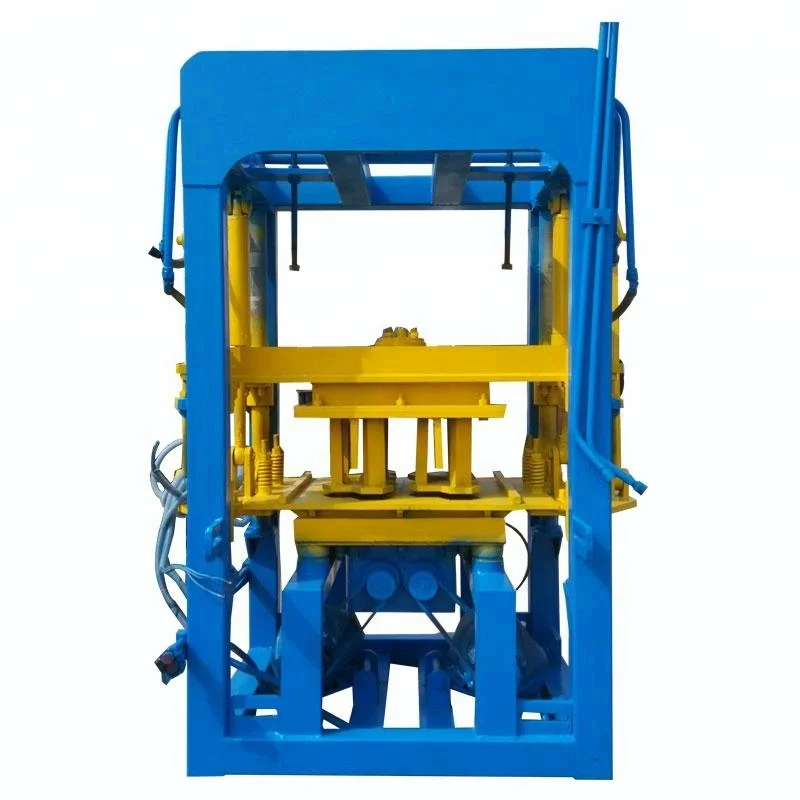
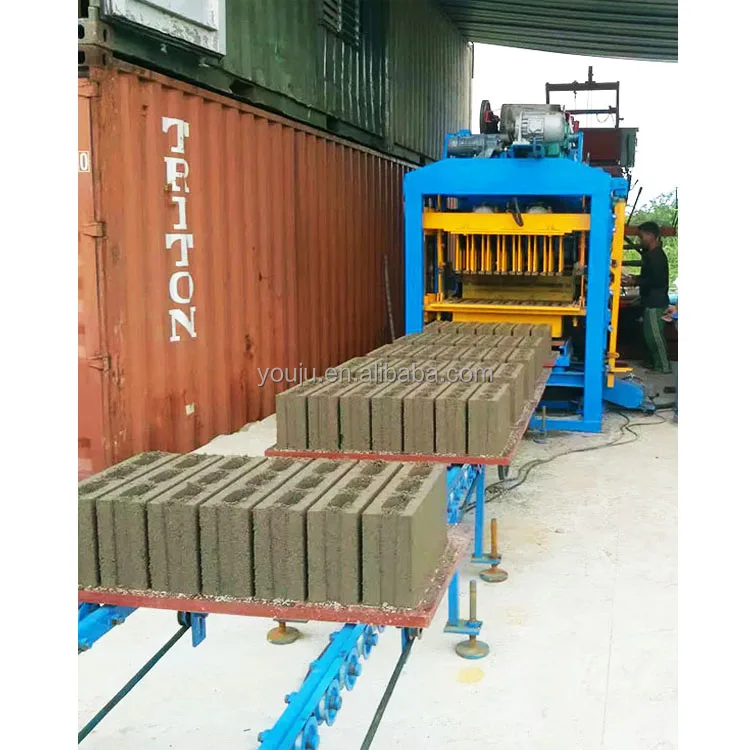 Semi automatic block