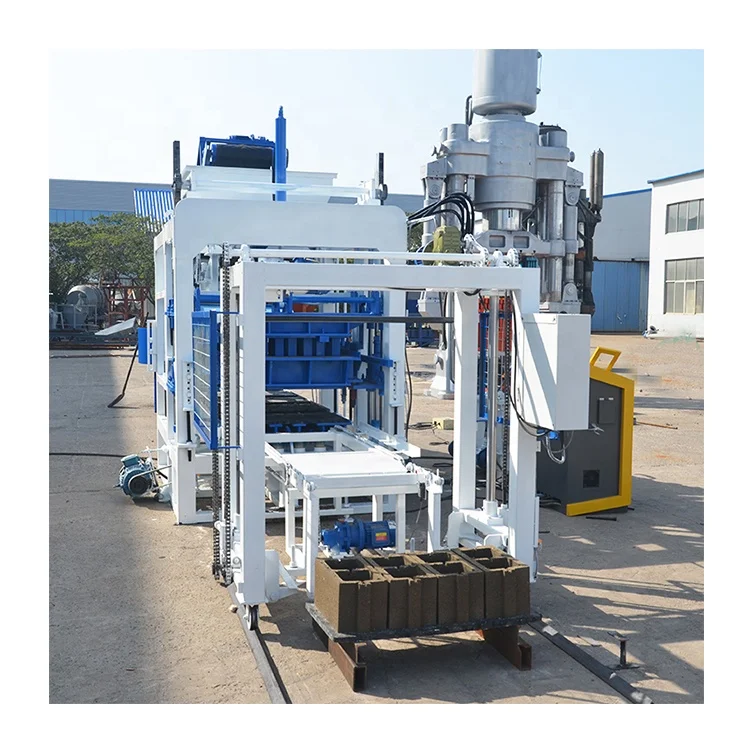
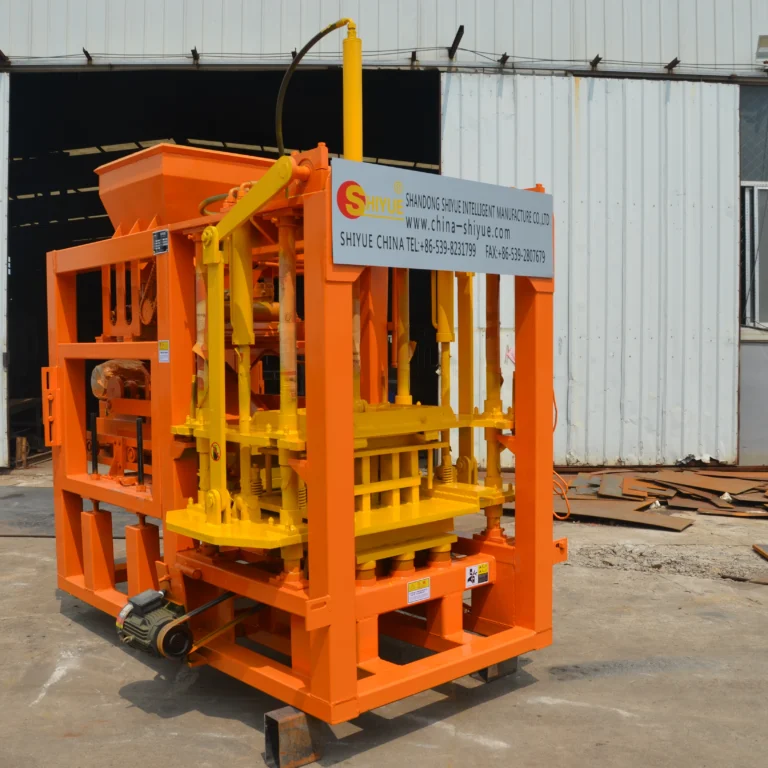
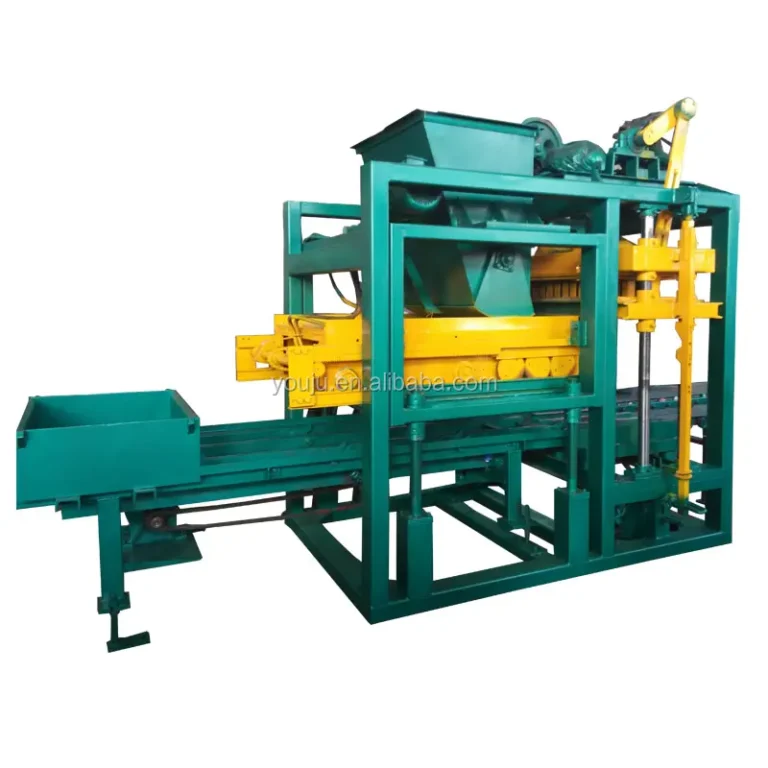
Mid-Tier Positioning — The QTF3-20 occupies the middle ground of the automatic concrete block making machine range, specified against the buyer’s actual mix design and target block format rather than a catalogue default.
Technical Specifications
| Parameter |
Value |
| Product Type |
Automatic Hydraulic Concrete Block Making Machine |
| Model |
QTF3-20 |
| Main Vibration Form |
Platform vibration and pressure |
| Cycle Time |
20 seconds (basis not stated in source) |
| Vibrating Frequency |
4600 rolls/minute |
| Motors Power |
14.25 kW |
| Pallet Size |
680 × 530 mm |
| Raw Materials |
Crushed stone, sand, cement, fly ash, cinder, slag, gangue, gravel, perlite, and other industrial wastes |
| Standards |
CE, ISO 9001 |
Application Suitability
| Application |
Material or Output |
| Wall block production for urban and rural construction |
Concrete and fly ash solid bricks |
| Roadway and pavement block manufacturing |
Crushed stone, sand, and cement blends |
| Kerbstone and edger production |
High-density concrete mixes |
| Grass and slope block forming for landscaping |
Porous concrete with coarse aggregate |
| Interlocking block runs for retaining walls |
Standard masonry mixes with varied aggregate grading |
What "20 Seconds per Cycle" Actually Means for Your Daily Output
A cycle time is only meaningful when tied to the specific block format, mould cavity count, and pallet dimensions.
Many buyers compare machines based on a single seconds-per-cycle figure without asking which block format that number assumes. A 20-second cycle producing standard 400×200×200mm hollow blocks yields a very different daily volume than the same cycle producing thinner paving stones or interlocking bricks. I once worked with a Middle East buyer who sized their plant around a quoted hourly capacity, only to find the real output fell short because the machine was timed on a format they never intended to produce. The QTF3-20 automatic concrete block making machine range entry must be evaluated against your actual target block type before any capacity claim can be trusted. [NEED_CITE: block format impact on cycle time and daily throughput]

Where the QTF3-20 Fits in the Full Lineup
The QTF3-20 sits between entry-level semi-automatic machines and high-capacity fully automatic lines. It offers hydraulic compression molding combined with platform vibration — a step above purely mechanical or egg-laying machines, but without the full batching, stacking, and cubing automation of a top-tier plant. Buyers who have outgrown manual pallet handling but are not yet ready to commit to a complete automatic concrete block making machine range setup will find this tier aligned with their investment and floor space constraints.
The Pallet Size Question Most Buyers Overlook
A 680×530mm pallet defines not just the machine’s work envelope but the entire downstream handling chain. The curing yard must accommodate this pallet dimension, and the forklift or hand truck used to move wet product must be rated for the loaded pallet weight. If a buyer’s existing curing racks are sized for a different pallet format, the mismatch creates manual transfer steps that negate the efficiency gains of the press itself. We always confirm pallet size against the buyer’s current curing area before locking in the order. [NEED_CITE: pallet handling integration with curing and transport equipment]
How Vibration Frequency and Hydraulic Pressure Shape Block Density
The 4600 rolls/minute vibrating frequency on the QTF3-20 works in concert with hydraulic pressure to compact the concrete mix into a dense, uniform block. In block production, vibration frequency determines how thoroughly the mix settles into the mould corners, while hydraulic pressure sets the overall compaction force. When these two values are not matched to the buyer’s specific aggregate grading and cement ratio, the result is either weak blocks that crumble during demolding or over-compacted blocks that crack during curing. The motor power of 14.25 kW must sustain both the vibration system and the hydraulic pump simultaneously without voltage sag. For buyers using local sand with high fines content or fly ash blends, the vibration amplitude and pressure must be tuned on-site after a trial run with the actual raw material — not set from a factory default. This is why I always ask buyers to send a sample of their local aggregate before we finalize the machine configuration. [NEED_CITE: relationship between vibration force, hydraulic pressure, and concrete block compressive strength]
The Cost of Choosing the Wrong Automation Level
Buyers sometimes select a semi-automatic machine to save on initial investment, then spend far more on manual pallet handling and stacking labor over the first year of operation. Conversely, specifying a fully automatic line for a market that only needs one or two block formats means paying for stacking and cubing systems that sit idle. The QTF3-20 occupies the middle path, but its actual value depends on whether the buyer’s daily volume and format variety justify its automation tier. A mismatch here shows up as either chronic overtime wages or underutilized machinery — both are difficult to correct once the concrete foundation is poured. [NEED_CITE: automation level mismatch consequences in block production plants]
Why Source the QTF3-20 Through This Range
Block machinery is the single product focus here, meaning the machine, mould, pallet, and handling equipment are specified as one matched system rather than assembled from separate suppliers. Configuration is set against the buyer’s actual mix design and local aggregate, not pulled from a generic catalogue. Mould design covers the formats the buyer’s market actually sells, including custom drawings when standard options do not match. The automation level can be selected so a buyer starts with the QTF3-20 and upgrades later as demand grows. Installation support includes on-site commissioning and operator training to ensure the 4600 rolls/minute vibration and hydraulic systems are calibrated to real production conditions.
Documentation & Verification
- Line layout showing pallet flow from press through curing and stacking areas
- Capacity calculation sheet stating the exact block format behind the 20-second cycle
- Mould drawing and format list for all included block types
- Hydraulic and electrical schematic matching the confirmed voltage and frequency
- Factory test record run on buyer-specified mix proportions before dispatch
- CE declaration covering the complete press and hydraulic system
Installation, Commissioning & Support
- Foundation plan specifying load points for the 14.25 kW motor and hydraulic unit
- Dedicated circuit requirement confirmed for local voltage and frequency before arrival
- Machine delivered in dismantled state for standard container loading and on-site reassembly
- First-run calibration of vibration frequency and hydraulic pressure using buyer’s raw material
- Operator training covering mould change procedure, pallet feeding, and daily maintenance checks
- Wear parts list identifying hydraulic seals, vibration springs, and mould liner replacement intervals
What to Share When Requesting a Proposal
To size the QTF3-20 accurately within the automatic concrete block making machine range, we need your target block format and dimensions, estimated daily output requirement, details on local raw materials and aggregate grading, available workshop or site dimensions, and your local voltage and frequency standard. If you have an existing curing yard or forklift, share the pallet dimensions you currently use so we can confirm compatibility.
Frequently Asked Questions
Q: How do I verify the real daily output from the 20-second cycle time for my block format?
A: The 20-second cycle time must be evaluated against your specific block type, mould cavity count, and pallet size. Request a capacity calculation sheet that states the exact block format and dimensions assumed, then multiply by your planned operating hours. Daily output for hollow blocks will differ noticeably from solid bricks or paving stones on the same machine.
Q: Where does the QTF3-20 sit compared to semi-automatic and fully automatic tiers?
A: It occupies the mid-tier, offering hydraulic drive and platform vibration above semi-automatic or egg-laying machines, without the full automatic stacking and cubing of a high-capacity line. It suits buyers who need consistent block quality and moderate volume but are not yet ready to invest in a complete automatic concrete block making machine range with end-to-end automation.
Q: What pallet size and material should I choose for my curing setup?
A: The QTF3-20 uses a 680×530mm pallet. The material — typically bamboo, PVC, or steel — must match your curing environment’s moisture level and the forklift capacity in your yard. Confirming pallet compatibility before ordering prevents manual transfer steps that slow down production and damage freshly pressed blocks.
Q: Which voltage and control language options are available for my market?
A: Voltage and frequency must be confirmed before production to match your local grid standard. The control system display language should also be specified at the order stage to ensure operators can read settings during commissioning. These details are verified during the quotation process and documented on the electrical schematic.
Q: What mould formats can this machine run and how long does a mould change take?
A: The QTF3-20 can produce hollow blocks, solid bricks, paving stones, kerbstones, interlocking blocks, and landscaping products. Mould change time depends on the specific format and whether quick-release fittings are included in the configuration. Request the mould drawing and format list to see which options are available and plan your format rotation accordingly.

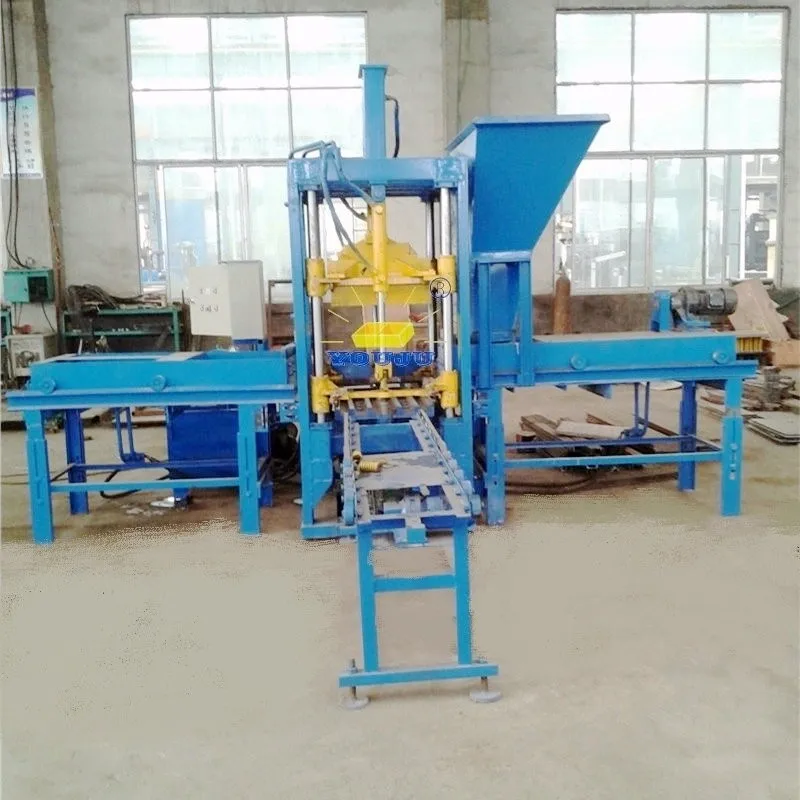
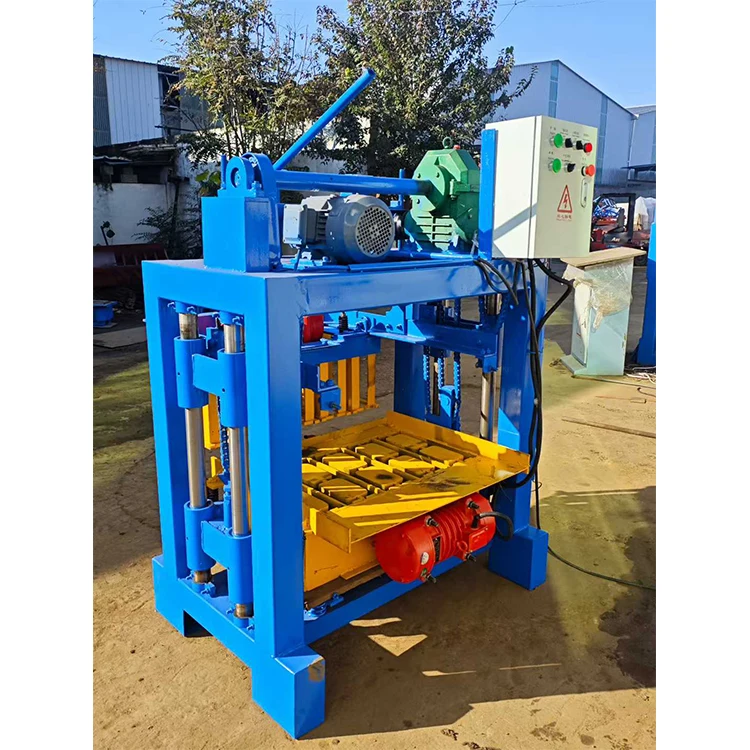 Stationary block machine