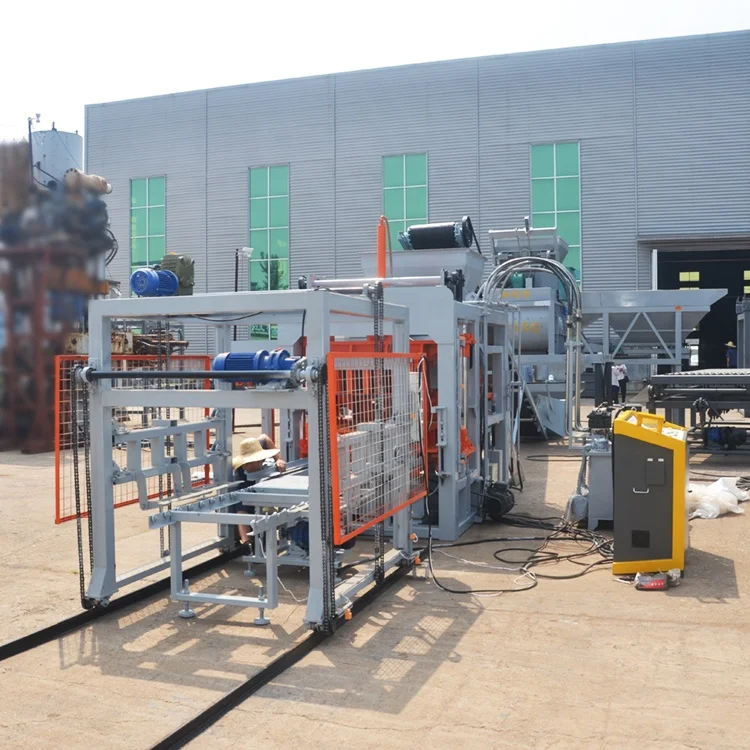
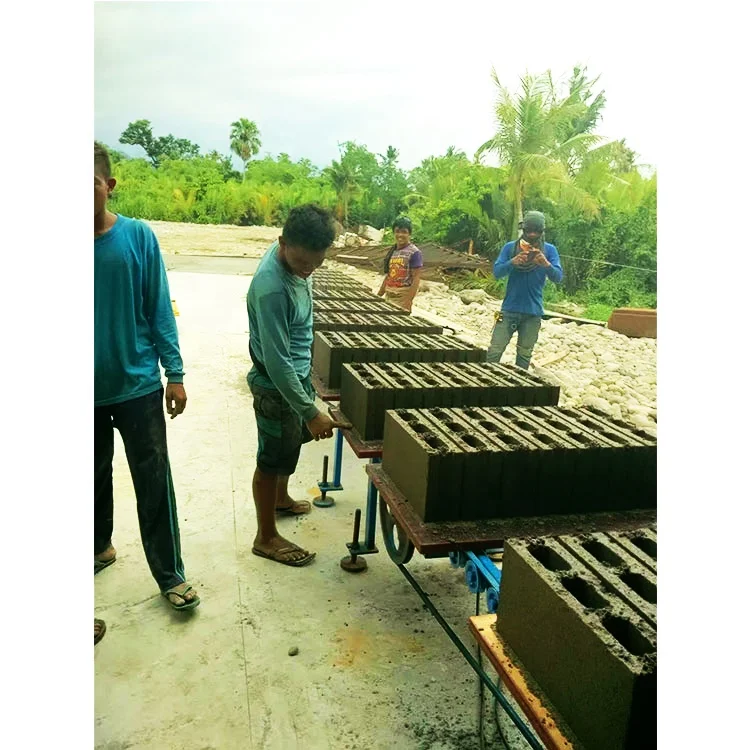
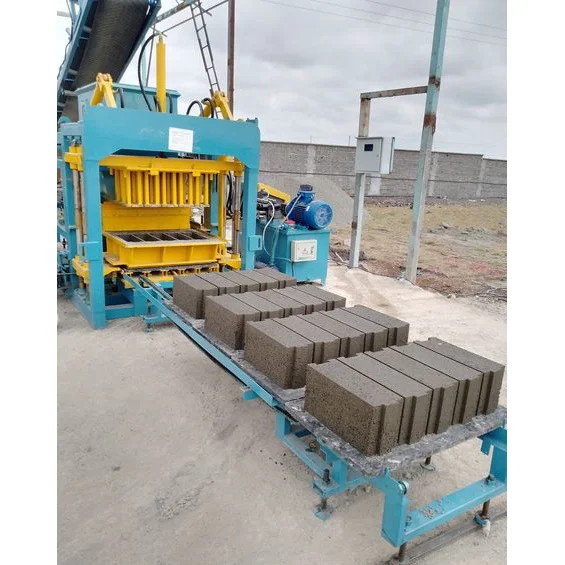
Single Focus Machinery — we treat the block machine, mould, pallet, and handling equipment as one matched system rather than assembling from separate suppliers, ensuring every component of this hydraulic press works in harmony.
Technical Specifications
| Parameter |
Value |
| Model |
QT8-15 |
| Product Type |
Automatic Hydraulic Block Making Machine |
| Overall Dimensions (L×W×H) |
8300 × 1860 × 3000 mm |
| Rated Pressure |
21 MPa |
| Main Vibration Form |
Platform Vibration |
| Vibration Frequency |
2800–4500 r/min |
| Vibration Force |
45 kN |
| Pallet Size |
950 × 900 mm |
| Molding Cycle |
15–20 s (basis not stated in source — confirm block format / material / thickness) |
| Overall Power |
55.5 kW |
| Total Mass |
8 T |
| Demolding Method |
Hydraulic |
| Factory Area Required |
300 m² |
| Control System |
PLC |
| Automation Level |
Automatic |
| Raw Material Compatibility |
Crushed stone, sand, cement, dust, fly ash, gravel, slag |
| Applied Products |
Concrete blocks, hollow/solid blocks, pavers, interlocking blocks, curbstone, colored pavers |
| CE Compliance |
Available per documentation scope |
Application Suitability
| Application |
Material or Output |
| Hollow block production for building walls |
Crushed stone, sand, cement, fly ash |
| Solid block manufacturing for load-bearing structures |
Gravel, cement, sand blends |
| Paver production for walkways and driveways |
Fine aggregate, cement, pigment for colored pavers |
| Interlocking block laying for erosion control |
Sand, crushed stone, cement |
| Kerbstone and curb production |
Coarse aggregate, cement, sand |
| On-site block making for housing projects |
Locally sourced stone dust, gravel, cement |
What "15–20 Seconds Per Cycle" Actually Means for Your Output
The molding cycle figure only matters when tied to a specific block format, wall thickness, and mix design.
I have watched buyers compare machines purely on cycle speed, then discover that a 15-second cycle for a thin paver does not translate to the same pace on a 200 mm hollow block. The vibration frequency, hydraulic pressure, and material moisture all shift the actual molding window. Before you place an order based on cycle numbers, ask which format and thickness the timing assumes, and whether your local aggregate will behave the same way in the press [NEED_CITE: block format assumptions in cycle time quoting].

Where the QT8-15 Sits in the Automatic Block Machine Range
This model occupies the mid-to-high output position among our automatic block making machine manufacturer lineup. It bridges the gap between entry-level semi-automatic presses and fully automated high-capacity lines with robotic stacking. Buyers moving from manual operations or replacing aging equipment typically land on this tier when daily volume requirements exceed what smaller machines deliver but do not yet justify a continuous cubing system.
Matching the Press to Your Block Format Portfolio
The 950 × 900 mm pallet defines the maximum mold envelope and therefore which block formats fit in a single press stroke. Before narrowing down, map every block type your market demands — hollow, solid, paver, interlocking, kerbstone — against this pallet dimension. Some kerbstone lengths require multiple cavities or a different pallet size entirely, which changes the configuration conversation [NEED_CITE: pallet size and block format compatibility in concrete block production].
Reading the Vibration and Pressure Numbers Together
The 21 MPa rated pressure and 45 kN vibration force work as a pair — pressure compacts the mix while platform vibration at 2800–4500 r/min settles particles into a dense matrix. If your aggregate runs coarse or your fly ash content varies, the balance between these two forces determines whether blocks emerge with consistent density or crumble at the edges. A machine specified for fine sand will underperform with crushed gravel unless the vibration amplitude and hydraulic dwell time are adjusted to match [NEED_CITE: hydraulic pressure and vibration matching in block forming].
The 55.5 kW overall power supports both the hydraulic pump and vibration motors simultaneously, meaning the press does not need to pause between compaction stages. The 8-ton total mass anchors the machine against vibration transmission into the factory floor, reducing the need for isolated foundations in most 300 m² workshop layouts.
The Cost of Skipping Pallet and Curing Area Alignment
Choosing a pallet size without checking your existing curing racks and forklift dimensions leads to expensive improvisation after the machine arrives. Blocks on pallets that do not fit standard rack slots must be restacked by hand, turning a semi-automatic line back into a manual operation. The QT8-15 pallet measures 950 × 900 mm — confirm this matches your racking system and that your forklift tines can handle the loaded pallet weight before committing to a configuration [NEED_CITE: pallet handling integration in block plant layout].
Why Source This Configuration Here
Block machinery remains our single focus, so the QT8-15 press, its molds, pallets, and handling stations are specified as one system rather than sourced from separate vendors and bolted together. Configuration starts with your actual mix design and local aggregate, not a catalog default — we run test cycles with material you send before the machine ships. Molds are designed for the formats your market sells, with custom drawings available for non-standard block shapes. Automation level is selectable, meaning you can begin with semi-automatic pallet handling and upgrade stacking later. Documentation covers the full line, not just the press.
Documentation & Verification
- Factory test record using your actual aggregate blend and target block format before dispatch
- Line layout showing capacity calculation with stated block format assumptions for the QT8-15
- Mold drawing and complete format list covering every block type in your product plan
- Voltage, frequency, and PLC display language confirmation signed off before production begins
- Hydraulic and electrical schematic matching the as-built QT8-15 configuration
Installation, Commissioning & Support
- Factory area of 300 m² required with level concrete floor for the 8300 × 1860 × 3000 mm footprint
- 55.5 kW total power demand requires dedicated circuit with confirmed voltage and frequency
- Hydraulic demolding system calibrated on-site to match your mix density and block release timing
- PLC control language set to operator preference before commissioning begins
- Mold change procedure trained with your crew using actual QT8-15 mold sets supplied
What to Share When Requesting a Configuration Proposal
Provide the block formats you plan to produce, including dimensions and wall thickness for hollow blocks. State your local aggregate type and particle size range, plus any fly ash or admixture you intend to use. Confirm your factory voltage and frequency, the PLC language your operators need, and whether your existing curing racks and forklift match the 950 × 900 mm pallet dimension.
Frequently Asked Questions
Q: How is the QT8-15 capacity calculated, and which block format does each output figure assume?
A: The 15–20 second molding cycle applies to a specific block format, material, and thickness that must be confirmed for your production target. We provide a capacity calculation sheet stating exactly which block dimensions and mix design each output figure assumes, so you can compare realistic daily volumes across formats.
Q: What voltage, frequency, and PLC language options are available for my target market?
A: Voltage and frequency are configured to your local power grid before production begins, and the PLC display language is set to match your operator team. These details are confirmed in writing during the quotation stage to prevent commissioning delays when the QT8-15 arrives at your site.
Q: Where does the QT8-15 sit on the automatic versus semi-automatic range?
A: The QT8-15 is positioned in the mid-to-high output tier of our automatic block making machine manufacturer range. Buyers can start with semi-automatic pallet handling and upgrade to full stacking automation later, allowing the investment to scale with production volume growth.
Q: How does pallet size selection affect my curing area and forklift compatibility?
A: The 950 × 900 mm pallet must match your curing rack dimensions and forklift tine spacing. Mismatched pallets force manual restacking and negate the automation advantage. We confirm pallet compatibility with your existing handling equipment before the QT8-15 configuration is finalized.
Q: What block formats can the QT8-15 produce, and how long does a mold change take?
A: The press handles hollow blocks, solid blocks, pavers, interlocking blocks, kerbstones, and colored pavers within the 950 × 900 mm pallet envelope. Mold change time depends on the specific mold set and quick-lock system fitted — confirm your format list during the proposal stage so we specify the appropriate changeover hardware.

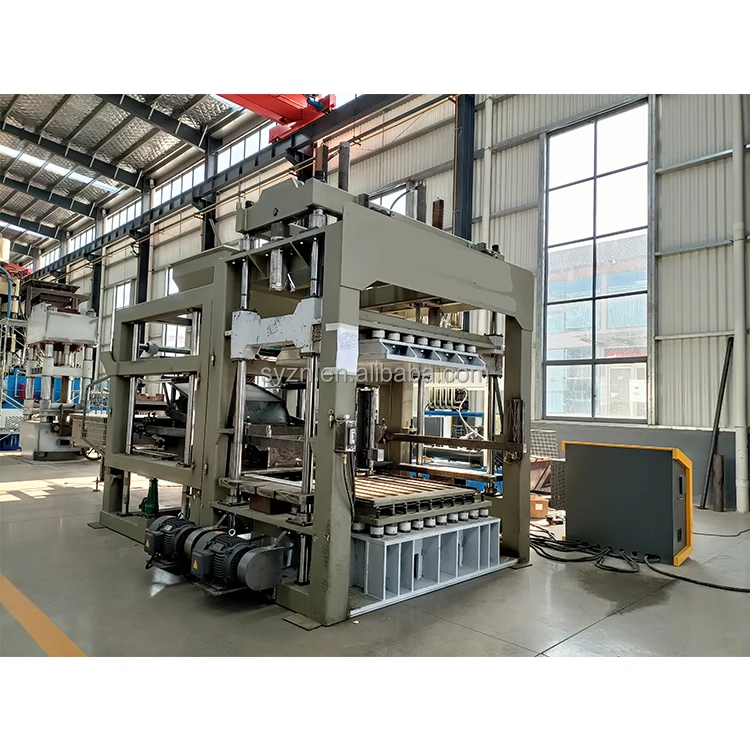
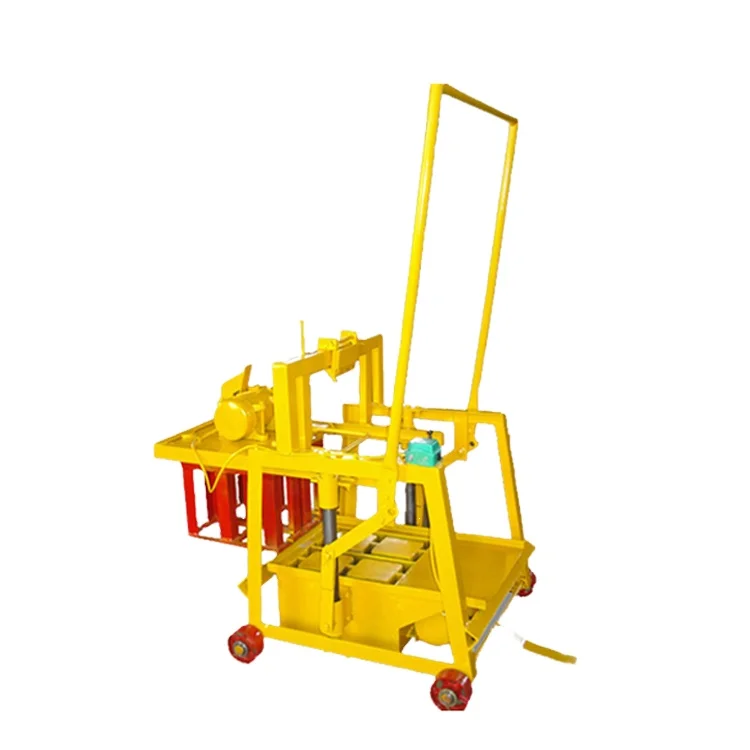 High quality block machine