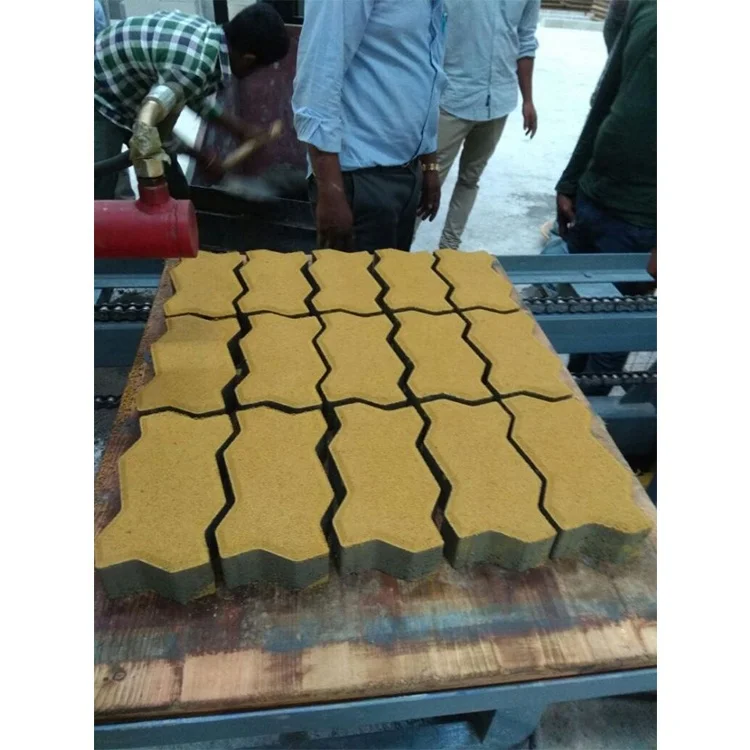
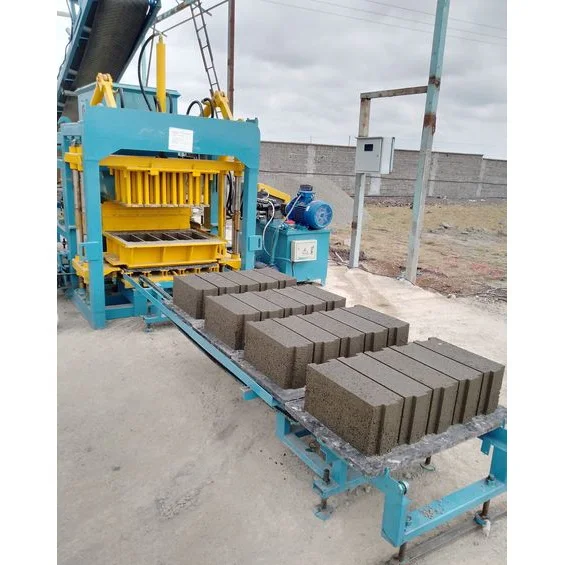
Specified as one matched system — the QT7-15 block making machine is configured with its pallet, mould and handling stations as an integrated unit, not assembled from separate suppliers.
Technical Specifications
| Parameter |
Value |
| Model |
QT7-15 |
| Product Type |
Automatic Hydraulic Block Making Machine |
| Pallet Size |
1150 × 700 mm |
| Molding Cycle |
15–20 s |
| Overall Power |
45 kW |
| Vibration Force |
100 kN |
| Vibration Frequency |
0–60 Hz |
| Vibration Form |
Platform Vibration |
| Total Mass |
8 T |
| Demolding Method |
Hydraulic |
| Control System |
PLC with touch screen interface |
| Output — Hollow Block 400×200×200 mm |
1,260–1,680 pcs/h (10,080–13,440 pcs/8 h) |
| Output — Hollow Block 400×150×200 mm |
1,440–1,920 pcs/h (11,520–15,360 pcs/8 h) |
| Output — Rectangular Paver 200×100×60 mm |
3,888–4,860 pcs/h (31,104–38,880 pcs/8 h) |
| Component List |
Pallet feed machine, block making machine, storage hopper, conveyor, hydraulic unit, PLC control cabinet |
Application Suitability
| Application |
Material or Output |
| Hollow block production |
Crushed stone, cement and sand aggregate for 400×200×200 mm and 400×150×200 mm formats |
| Rectangular paving brick |
Fine aggregate and cement for 200×100×60 mm pavers |
| Multi-format block manufacturing |
Mould replacement across hollow, solid and interlocking formats on the same pallet size |
| On-site construction production |
Housing and development project contractors producing blocks at the build location |
| Block and paver production plants |
Scaling from semi-automatic to full automation with matched pallet handling |
What "Pieces per Hour" Actually Means for Your Plant Layout
The cycle figure only matters when you know exactly which block format and mix design it was measured against.
Every buyer I have worked with in the Middle East and Southeast Asia asks for hourly output first. The number on the quotation usually assumes the most favourable format — typically a small paver with a short press cycle. When the same machine switches to a 400×200×200 mm hollow block, the cycle lengthens and the daily total drops noticeably. One contractor in Riyadh planned a pour schedule around a figure that applied to pavers, not the hollow blocks his site actually needed, and the masonry crew was waiting on blocks for two extra shifts. An automatic block making machine manufacturer should always quote capacity per format, not a single headline number [NEED_CITE: block machine capacity disclosure standards].

Placing the QT7-15 on the Output Tier Ladder
The QT7-15 occupies the mid-to-high tier of the automatic block making machine manufacturer range. Below it sit semi-automatic models suited to first-time plants with limited capital; above it are high-capacity lines built for continuous two-shift operation. This model bridges the gap: it delivers platform vibration at 100 kN with PLC-controlled cycles, yet its 8-tonne footprint and 45 kW power draw keep installation requirements manageable for a growing operation.
How the Supporting Stations Define Real Throughput
The press itself is only one station. The pallet feed machine, storage hopper and conveyor must deliver materials and pallets at a rate that keeps the 15–20 second moulding cycle uninterrupted. If the conveyor starves the hopper or the pallet feeder jams, the press sits idle regardless of its rated speed. The automatic block making machine manufacturer configuration treats every station as a single line, so cycle times are matched end-to-end rather than specified in isolation [NEED_CITE: block production line station synchronization].
Reading the Specs That Decide Block Quality
Vibration force and frequency work together with hydraulic pressure to compact the mix into a dense, consistent block. The 100 kN force at up to 60 Hz on a platform vibration table suits crushed stone and sand mixes common in most export markets. Hydraulic demolding releases the block cleanly from the mould, reducing edge chipping that weakens the unit. The 1150×700 mm pallet size determines how many blocks fit per cycle and must match the curing racks and forklifts already on site — ordering a non-standard pallet forces a separate investment in handling equipment. The PLC touch screen stores cycle parameters per mould, so switching from hollow blocks to pavers does not require manual recalibration each time.
When the Wrong Configuration Costs More Than the Machine
A buyer in Oman specified a machine without confirming that the local aggregate was a fine desert sand rather than crushed stone. The vibration settings calibrated for coarse aggregate produced blocks that crumbled at the edges, and the entire first batch was rejected. Another plant owner received a 440 V machine in a region with 380 V supply; commissioning stalled for weeks while a step-down transformer was sourced locally. These mismatches are not covered by warranty and they stop production entirely until resolved [NEED_CITE: voltage and aggregate specification for block machinery exports].
Why Buyers Source This Tier from Shiyue
Block machinery is the single focus of this manufacturer, so the QT7-15 press, moulds, pallets and handling equipment are specified as one matched system. Configuration is set against the buyer’s actual mix design and local aggregate, not pulled from a catalogue default. Mould design covers the formats the buyer’s market sells, including custom drawings when standard formats do not apply. Automation level is selectable, allowing a buyer to start with semi-automatic pallet handling and add automatic stacking later. Installation support includes operator training so the crew can run the line independently from the first week.
Documentation & Verification
- Line layout drawing showing QT7-15 station spacing and pallet flow path
- Capacity calculation sheet listing output per block format, not a single headline figure
- Mould drawing and format list confirming all compatible block types before production
- Voltage, frequency and PLC display language confirmation signed before build
- Factory test record demonstrating cycle time on your specified block format
- Hydraulic and electrical schematic for local maintenance teams
Installation, Commissioning & Support
- 45 kW power supply requires a dedicated circuit; confirm local voltage and phase before wiring
- 8-tonne machine mass needs a level concrete pad with anchor bolt provisions
- Hydraulic unit arrives filled for testing; local hydraulic oil specification confirmed on site
- PLC touch screen language set to operator preference before commissioning begins
- First mould change demonstrated during training to verify cycle time on your format
- Spare hydraulic seals and vibration springs shipped with the machine to cover initial wear
What We Need to Configure Your Line
Share the block formats your market sells, the daily volume you plan to run, and the aggregate source near your plant. Let us know your local voltage and frequency, the PLC language your operators prefer, and the pallet size your existing curing racks and forklifts can handle. If you have a project deadline, tell us the required start date so we can align production and dispatch accordingly.
Frequently Asked Questions
Q: How do I verify QT7-15 capacity against my specific block format?
A: Request a capacity calculation sheet that lists output for each format you intend to produce — hollow block, paver, and any custom mould. The sheet should state the cycle time, blocks per cycle, and shift length assumed. Compare these figures to your daily order requirement before confirming the order.
Q: What voltage and PLC language options are available?
A: The QT7-15 electrical system is configurable to the voltage and frequency standard of your market, whether 380 V, 415 V, or 440 V at 50 or 60 Hz. The PLC touch screen interface can be set to the language your operators read. Confirm both before production begins to avoid commissioning delays.
Q: How long does a mould change take on this machine?
A: The hydraulic demolding system and PLC parameter recall are designed to keep format changeover short. The actual time depends on mould size and whether quick-release fasteners are specified. Ask for the changeover procedure in the quotation so you can plan shift scheduling around format switches.
Q: Will the 1150×700 mm pallet work with my existing curing area?
A: Measure your curing rack spacing and forklift tine width before confirming pallet size. The 1150×700 mm pallet is standard across this tier, but mismatched curing racks force manual restacking. Confirming pallet dimensions early prevents a separate handling equipment purchase after the line arrives.
Q: Can I start semi-automatic and add full automation later?
A: The QT7-15 platform supports an upgrade path from manual pallet handling through to automatic stacking and cubing. The PLC control cabinet is provisioned for additional I/O modules, so automation stations can be added without replacing the main press. Discuss the upgrade sequence during the initial line layout phase.

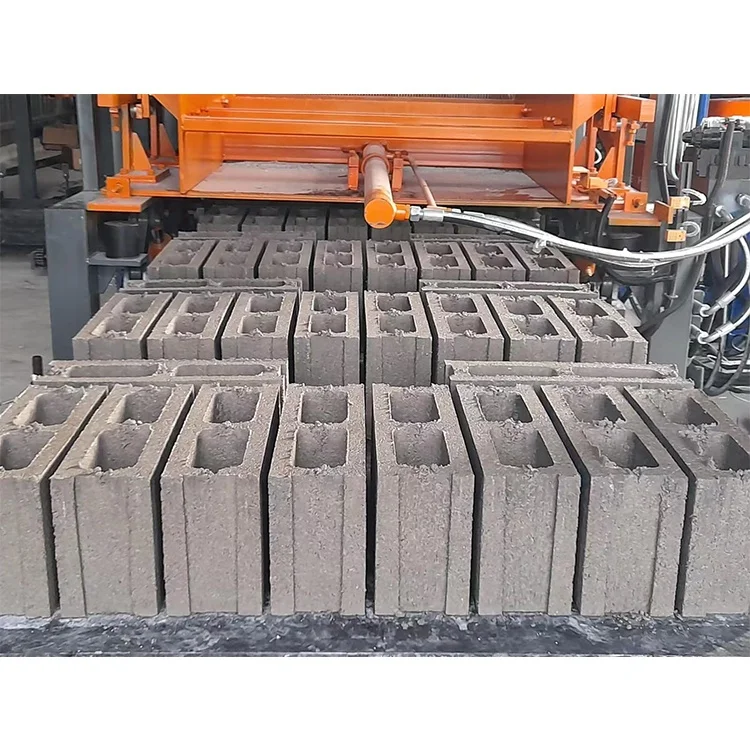
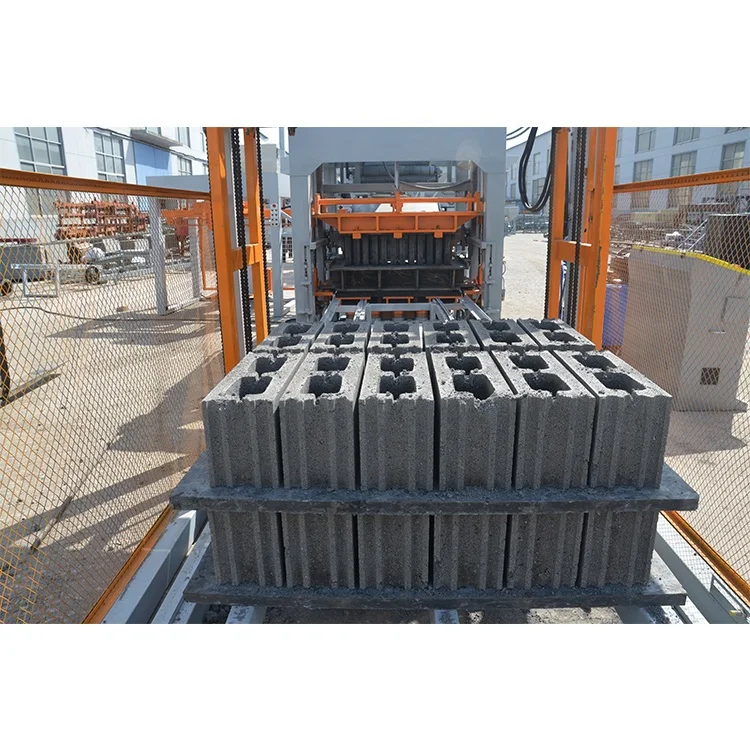 High quality block machine