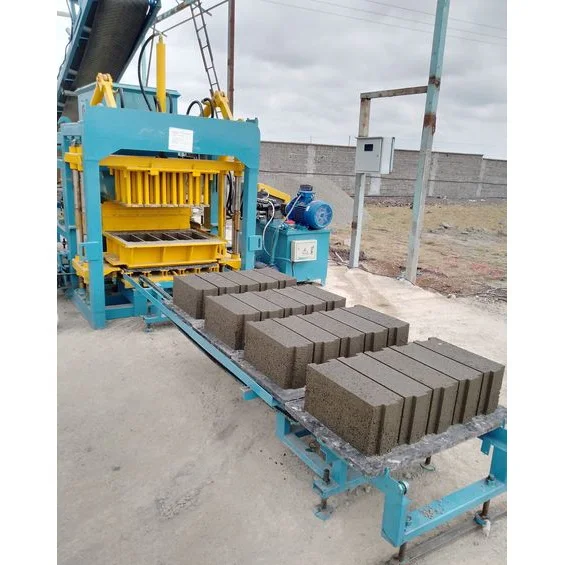
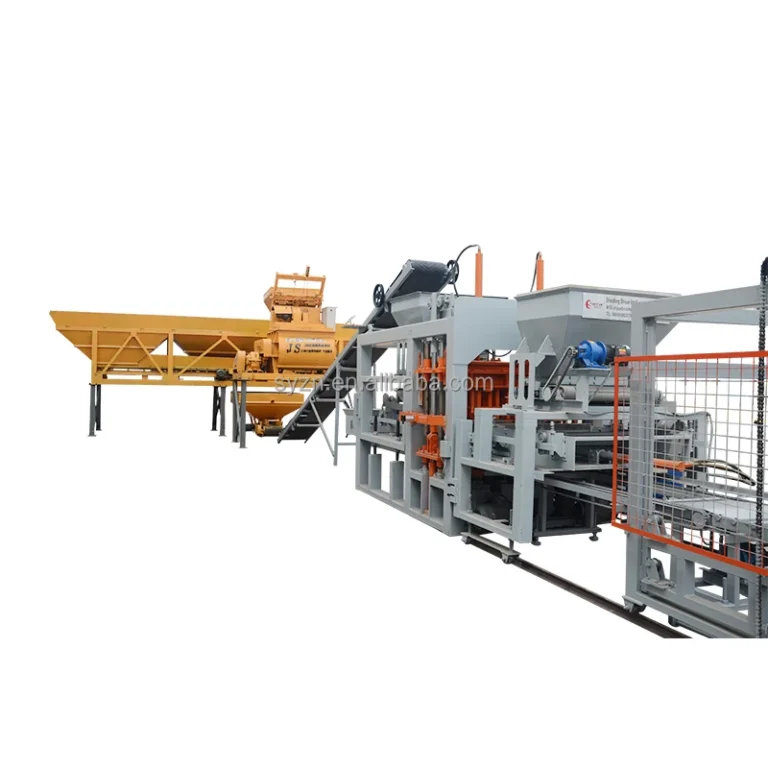
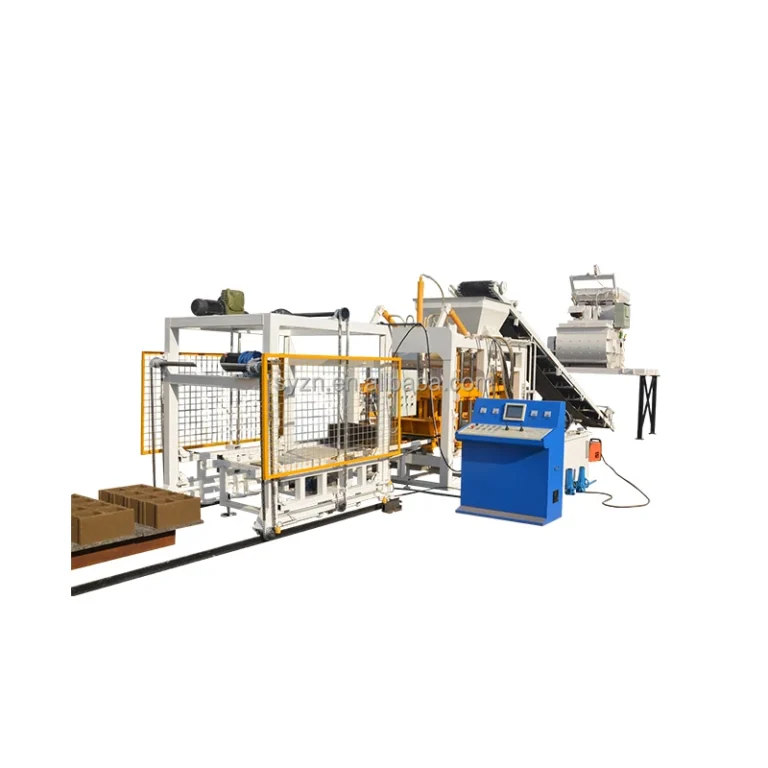
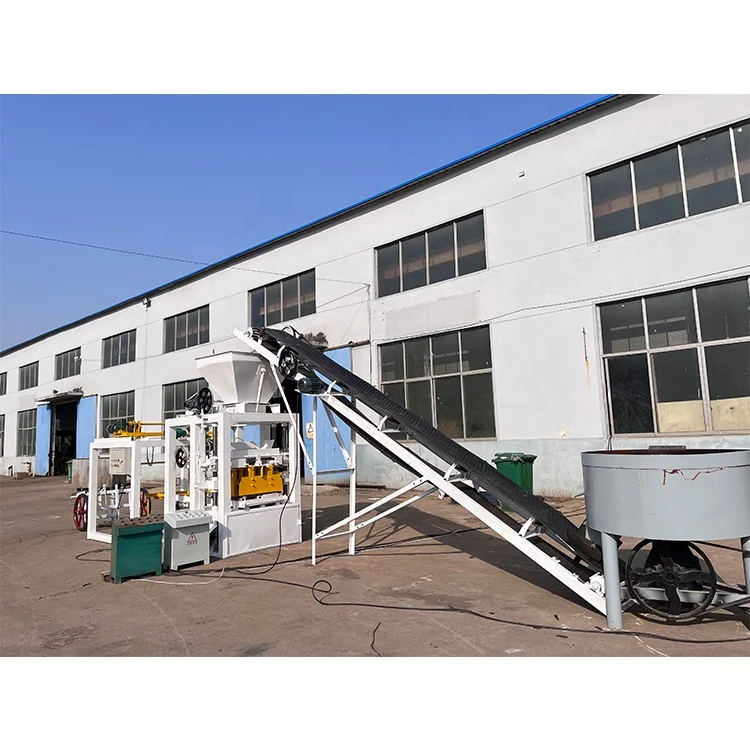
Matched System Output — the QT6-15 is specified with its mould, pallet, and handling equipment as one coordinated line rather than separate purchases.
Technical Specifications
| Parameter |
Value |
| Model |
QT6-15 |
| Product Type |
Automatic Concrete Hollow Block Machine |
| Overall Dimensions (L×W×H) |
7400 × 1900 × 2660 mm |
| Molding Cycle |
15–25 s (basis to be confirmed by block format and material) |
| Vibration Frequency |
4600 r/min |
| Vibration Force |
40–50 kN |
| Total Power |
31.25 kW |
| Mixer Model |
JQ350 |
| Pallet Size |
850 × 550 × 25 mm |
| Total Weight |
7 T |
| Control System |
PLC control system |
| Hydraulic Station |
Included |
| Output (400×200×200 mm hollow block) |
1200–1680 pcs/h, 9600–13440 pcs per 8-hour shift |
| Output (400×150×200 mm hollow block) |
1800–2400 pcs/h, 14400–19200 pcs per 8-hour shift |
| Output (240×115×53 mm solid brick) |
3240 pcs/h, 16200–19440 pcs per 8-hour shift |
| Standards |
CE |
Application Suitability
| Application |
Material or Output |
| Hollow block production for wall construction |
Crushed stone, sand, cement, fly ash |
| Solid brick manufacturing |
Cement, dust, sand blends |
| Paver and curbstone forming for infrastructure |
Aggregate and cement mixes |
| On-site block production for housing projects |
Locally sourced raw materials |
Why the Output Figure on the Brochure Rarely Matches Your First Month
Every capacity number on this page is tied to a specific block format and dimension.
I once shipped a machine to West Africa with a quoted output based on clean river sand. The buyer’s actual aggregate had high clay content, and the vibration force could not compact the mix properly. Daily production dropped sharply from what the brochure promised. That experience changed how I approach every quotation: raw material samples come first, configuration follows. When buyers see a concrete block machine manufacturer quoting a single output number without naming the block size, that number is almost meaningless for planning a real production schedule. The QT6-15 figures above each state the exact format they assume. [NEED_CITE: effect of aggregate clay content on block compaction and cycle time]
Where the QT6-15 Sits in the Full Range
The SHIYUE range covers mobile egg-laying machines for small on-site work, semi-automatic presses for workshops with limited investment, and higher-tier automatic lines for large-volume plants. The QT6-15 occupies the mid-tier automatic segment. It gives buyers a fully PLC-controlled automatic block machine for sale with hydraulic forming, while keeping the plant footprint manageable for a first-line setup. Buyers moving up from manual or semi-automatic operation find this tier removes the heaviest labour from the cycle without requiring a large curing yard or dedicated maintenance crew.
How the Supporting Equipment Connects to the Press
A block press does not work alone. The pallet feeder must deliver boards at a rate the press cycle demands, the block sweeper must clean the surface before stacking, and the brick conveyor must clear finished products before the next cycle starts. With the QT6-15, these stations are specified as part of the same quotation. The included equipment list covers the hydraulic station, PLC control system, pallet feeder, brick conveyor, and block sweeper. When any station runs slower than the press, the press waits — and the quoted cycle time becomes theoretical. [NEED_CITE: production line bottleneck analysis in concrete block manufacturing]
What the Specs Mean on the Shop Floor
The vibration force of 40–50 kN working at 4600 r/min must be matched to the hydraulic pressure to achieve consistent block density. If vibration is high but hydraulic pressure is low, blocks crack during demoulding. The 850 × 550 × 25 mm pallet size determines how many blocks form per cycle and must align with the curing racks and forklifts the buyer already operates. The PLC control system manages cycle timing, vibration duration, and hydraulic sequence — and its display language should be confirmed before production so operators can read it on day one. The JQ350 mixer handles raw material blending upstream, and its capacity must keep pace with the press consumption rate to avoid idle cycles.

The Cost of Skipping the Voltage Conversation
Buyers often focus on output and price, leaving electrical specifications for later. The QT6-15 draws 31.25 kW total, and if the local supply runs at a different frequency than the motor was wound for, the vibration frequency shifts and block density becomes inconsistent. PLC displays programmed in a language the operators cannot read turn simple fault codes into lost shifts. Voltage, frequency, and control language confirmation before production is not paperwork — it is the difference between commissioning in days and commissioning in weeks. [NEED_CITE: voltage and frequency standards by export market]
Why Buyers Source This Machine Here
Block machinery is the single focus of this production line, meaning the press, mould, pallet, and handling equipment are designed and supplied as one system. Configuration is set against the buyer’s actual mix design and local aggregate, not pulled from a catalogue default. Mould design covers the formats the buyer’s market actually sells, including custom drawings when standard formats do not match. Automation level is selectable, so a buyer can start with the included semi-automatic handling and add stacking or cubing later. Installation support includes on-site commissioning and operator training so the first production run happens with the crew that will run the machine daily.
Documentation & Verification
- Line layout drawing with capacity calculated per block format and pallet size
- Machine specification sheet confirming vibration force, hydraulic pressure, and power rating
- Mould drawing and format list provided before order confirmation
- Voltage, frequency, and PLC display language written into the production order
- Factory test record showing actual cycle times on the buyer’s confirmed block format
- Packing photographs documenting loading condition before container departure
Installation, Commissioning & Support
- Foundation plan based on the 7400 × 1900 mm footprint and 7 T operating weight
- Dedicated power circuit sized for the 31.25 kW total load at confirmed voltage and frequency
- Machine arrives in 20GP container with pallets loaded; reassembly supervised on site
- PLC parameters set during commissioning to match local raw material and target block format
- Operator training covers mould change procedure, daily maintenance, and fault reading
- Wear parts list and mould inventory provided with recommended replacement intervals
Before You Request a Quote
Send the block formats your market sells, along with target daily volume and the raw materials you can source locally. Confirm your site voltage, frequency, and the language your operators need on the PLC screen. If you have existing curing racks or forklifts, share the dimensions so the pallet size is matched correctly from the start.
Frequently Asked Questions
Q: How is the output capacity of the QT6-15 verified, and which block format does each figure assume?
A: Every output figure on this page names the exact block dimension it refers to — 400×200×200 mm hollow, 400×150×200 mm hollow, or 240×115×53 mm solid. Cycle times vary with mix design and material, so we confirm capacity on your specific raw material sample before finalising the quotation.
Q: Where does the QT6-15 sit compared to semi-automatic and higher-tier models?
A: It occupies the mid-tier automatic segment within the full SHIYUE range. Semi-automatic models require more manual pallet handling, while higher-tier lines add automatic stacking and cubing. The QT6-15 gives PLC-controlled forming with included pallet feeding and conveying, keeping the footprint suitable for first-line plants.
Q: What voltage, frequency, and PLC language options are available?
A: The electrical system is configured to your site supply before production begins. Voltage, frequency, and PLC display language are all confirmed during the order stage so the machine commissions without electrical modification or operator confusion on arrival.
Q: Can I start with a basic configuration and add automation later?
A: The automation level is selectable. The QT6-15 ships with pallet feeding, conveying, and sweeping included. Automatic stacking and cubing modules can be added as your production volume grows, without replacing the press itself.
Q: What plant footprint and supporting equipment does the QT6-15 need?
A: The press measures 7400 × 1900 × 2660 mm and weighs 7 T. A complete line also requires space for the JQ350 mixer, raw material storage, pallet return path, and a curing area sized to the 850 × 550 mm pallet format and your daily output target.

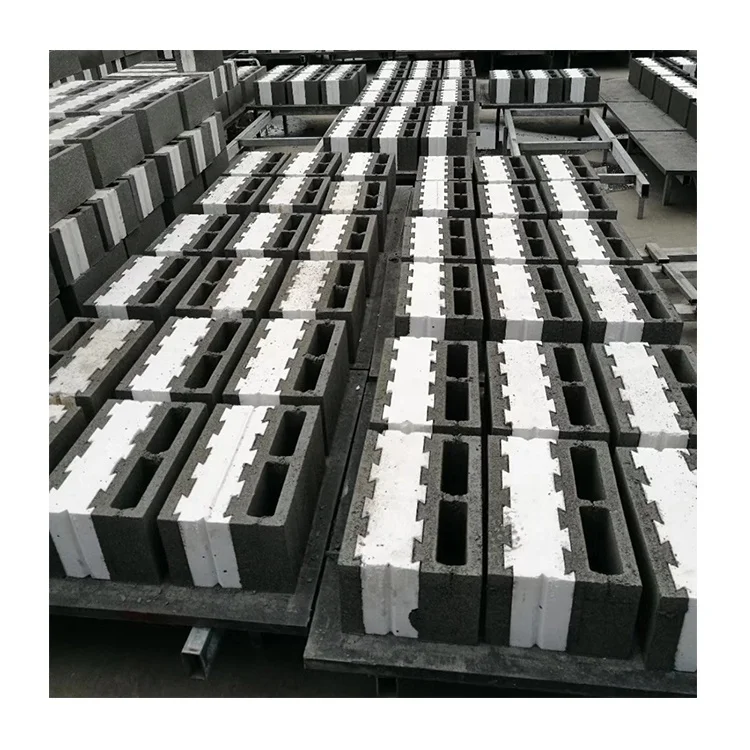
 High quality block machine