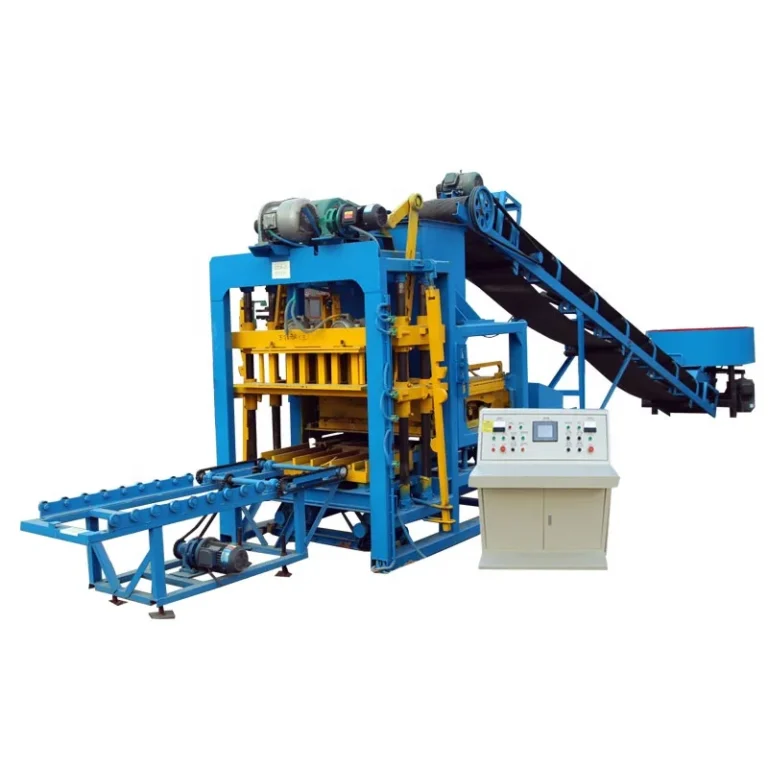
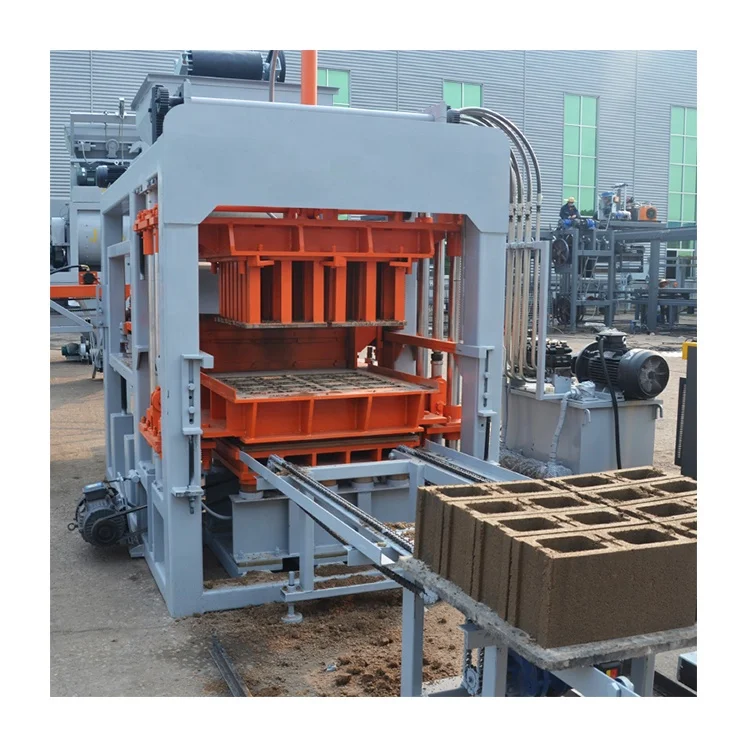
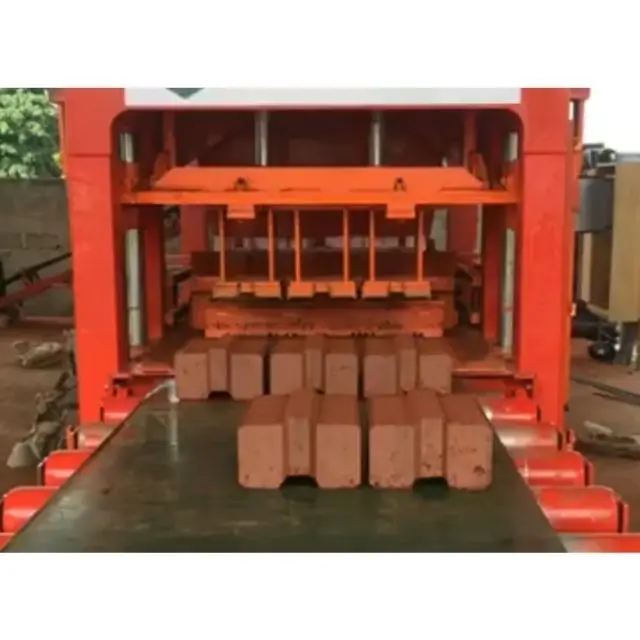
Matched System Sizing — every QT6-15 line we quote ties machine pressure, vibration force, and pallet size to your actual mix design and target block format before the contract is signed.
Technical Specifications
| Parameter |
Value |
| Model |
QT6-15 |
| Product Type |
Automatic Concrete Block Making Machine |
| Rated Power |
31.25 kW |
| Voltage & Frequency |
Configurable to buyer’s local standard (basis to be confirmed) |
| Control System |
PLC intelligent control with man-machine interface, logic control, malfunction diagnosis, remote control function |
| Overall Dimensions (L×W×H) |
7100 × 1500 × 3000 mm |
| Net Weight |
8500 kg |
| Hydraulic Pressure |
16–21 MPa |
| Main Vibration Form |
Platform vibration |
| Pallet Size |
850 × 680 mm |
| Mould Format |
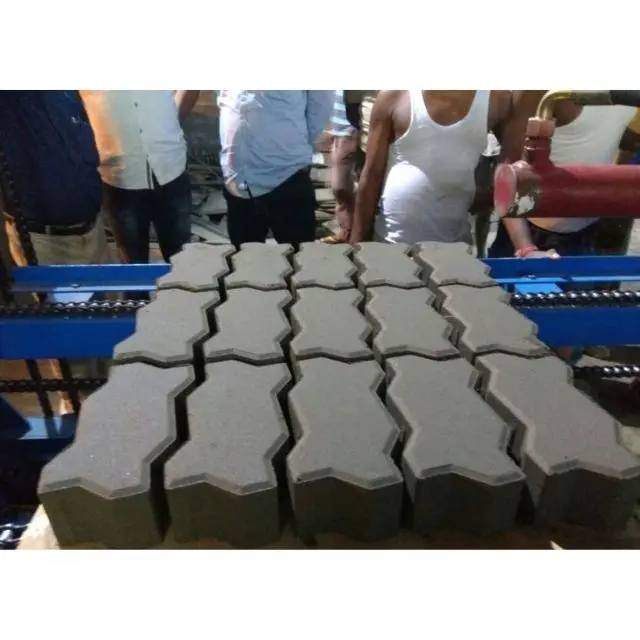
Hollow block, solid block, porous block, paving block, interlocking block, curbstone, colored paver |
| Cycle Time |
15–20 s general; 16–20 s for 400×200×200 mm hollow block; 15–18 s for 240×115×90 mm porous block; 14–17 s for 240×115×53 mm standard block |
| Theoretical Output per Day |
8,640 pcs based on 400×200×200 mm hollow block at 6 pcs/mould, 16–20 s cycle; 22,400 pcs based on 240×115×90 mm porous block at 14 pcs/mould, 15–18 s cycle; 54,400 pcs based on 240×115×53 mm standard block at 30 pcs/mould, 14–17 s cycle |
| Automation Level |
Full automatic |
| Raw Materials |
Crushed stone, sand, cement, dust, fly ash, gravel, slag, and other industrial waste materials |
| Stacking Method |
Immediate stacking after mould release |
| Color Options |
Capable of producing pavers with or without surface color (face-color material feeding device required) |
Application Suitability
| Application |
Material or Output |
| Hollow block production for commercial and residential walls |
Crushed stone, sand, cement blends |
| Solid and porous brick manufacturing |
Fly ash, slag, coal ash mixed with cement binder |
| Paving block and interlocking paver runs |
Gravel and sand aggregates with optional face-color layer |
| Curbstone and colored paver production |
Dense aggregate mixes requiring high hydraulic pressure |
| Industrial waste utilization plants |
Slag, fly ash, and coal ash as primary raw material |
| Medium-capacity contractor block lines on project sites |
Locally sourced aggregate and cement |
What "Cycles Per Hour" Leaves Out When Sizing an Automatic Concrete Block Making Machine
Output means nothing until you know which block format, mould cavity count, and cycle time produced that number.
I have watched buyers compare two machines side by side using only the headline cycle time, then discover on commissioning day that the slower machine was rated on a smaller block with more cavities per mould. The QT6-15 cycles between 14 and 20 seconds depending on format, and a 400×200×200 mm hollow block yields a very different daily tally than a 240×115×53 mm standard brick. When you evaluate any automatic concrete block making machine manufacturer, ask for the capacity sheet broken down per format — not a single blended figure [NEED_CITE: honest capacity disclosure practices in block machinery exports].

Placing the QT6-15 Across the Full Machine Range
The QT6-15 sits in the mid-tier of our automatic block machine lineup. Below it, semi-automatic models serve smaller workshops where pallet handling stays manual and capital outlay is tighter. Above it, higher-tier automatic lines push output further with larger pallet sizes and fully automatic stacking and cubing. Buyers stepping up from a semi-automatic plant often land here because the 31.25 kW power draw and 7.1-meter footprint stay manageable while the PLC control and platform vibration deliver the consistency that manual lines cannot hold shift after shift.
Automation Tiers and Where This Model Fits
Full automatic on the QT6-15 means the PLC handles logic control, malfunction diagnosis, and remote monitoring, removing the operator from repetitive timing decisions. A semi-automatic entry-level machine in our range still requires manual pallet feeding and stacking, which works when labor cost is low but introduces variability in cycle discipline. The QT6-15 bridges that gap — automatic pallet feeding and immediate stacking after mould release reduce the headcount on the line while keeping the investment below what a high-capacity tier demands [NEED_CITE: automation level impact on block plant labor requirements].
Reading the Specs That Actually Shape Your Output
Hydraulic pressure on the QT6-15 ranges from 16 to 21 MPa, and this figure works in tandem with the platform vibration system to compact the mix into a dense block. Higher pressure alone will not compensate for weak vibration, and strong vibration without sufficient hydraulic clamping lets the mould shift during compaction, producing uneven edges. The 850 × 680 mm pallet size determines how many blocks sit on each board and must match the curing rack spacing and forklift tine width you already have on site — ordering a pallet size without checking those downstream dimensions is a common source of delay after arrival. The PLC man-machine interface controls cycle timing and diagnosis, but the display language must be confirmed before production so operators can read fault codes on day one. Face-color material feeding is available as an option when colored pavers are part of your product plan.
The Cost of Skipping Configuration Checks
A machine set for a clean sand mix will struggle when the local aggregate carries high clay content, producing blocks that crumble before curing is complete. I have seen lines ship with standard voltage assumptions only to sit idle for weeks while a transformer is sourced locally. Pallet size mismatches force the buyer to rebuild curing racks or buy a different forklift, adding cost that was never in the original budget [NEED_CITE: common commissioning delays in exported block machinery]. These are not manufacturing defects — they are configuration gaps that a thorough pre-order survey prevents.
Why Buyers Source This Tier From Our Range
Block machinery is our single focus, so the QT6-15 arrives as a matched system: machine, mould, pallet, and handling equipment specified together rather than assembled from separate vendors. Every line we quote starts with your raw material sample — I run trial mixes with your actual aggregate before we lock in vibration force and hydraulic pressure settings. Mould design covers the formats your market sells, including custom drawings when your local standard block dimensions differ from catalogue defaults. Automation level is selectable within our range, so starting on the QT6-15 semi-automatic and upgrading to full automatic stacking later stays on the table. Installation support includes on-site commissioning and operator training so the crew can run independent shifts before our technician leaves [NEED_CITE: block machine manufacturer installation and commissioning scope].
Documentation & Verification
- Line layout and capacity calculation stating block format assumed for each output figure
- Machine specification sheet covering hydraulic pressure, vibration force, pallet size, and confirmed voltage
- Mould drawing and format list showing compatible block types and cavity counts per mould
- Factory test record before shipment confirming cycle times against stated block formats
- CE declaration provided where applicable to destination market requirements
Installation, Commissioning & Support
- Foundation plan matched to the 8500 kg net weight and 7100 × 1500 mm footprint of the QT6-15
- Dedicated power circuit sized for 31.25 kW rated draw at buyer-confirmed voltage and frequency
- Machine shipped in dismantled state with reassembly supervised during on-site commissioning
- PLC language and remote control function verified with operators before first production run
- Mould change procedure trained on-site so format switches fit within a single shift window
- Wear parts list and hydraulic seal schedule provided for the first replacement cycle
What We Need to Size Your Line Correctly
Tell us the block formats your market actually sells and the daily volume you need per format. Share a sample or analysis of your local aggregate — sand source, stone size, clay content, and any industrial waste like fly ash you plan to use. Confirm your site voltage, frequency, and the language your operators need on the PLC display so we lock those in before the machine enters production.
Frequently Asked Questions
Q: How do I verify the daily output figures for each block format?
A: Every output figure we quote ties to a specific block dimension, mould cavity count, and cycle time range. For the QT6-15, hollow block output is based on 400×200×200 mm at 6 cavities and 16–20 second cycles, while standard brick output uses 240×115×53 mm at 30 cavities and 14–17 second cycles. We provide a written capacity calculation sheet with your quotation so you can cross-check against your production target.
Q: Where does the QT6-15 sit compared to your semi-automatic and higher-tier models?
A: The QT6-15 occupies the mid-tier of our full automatic block machine range. Semi-automatic models below it require manual pallet handling and suit lower investment thresholds. Higher-tier models above it add larger pallet sizes and fully automatic cubing for greater throughput. This model bridges the two, offering PLC-controlled automation while keeping power draw and footprint within medium-plant limits.
Q: What electrical and control details are confirmed before production starts?
A: We confirm your site voltage, frequency, and phase before the electrical cabinet is built. PLC display language is set to match your operator team. These details are locked during the order stage, not assumed, so commissioning is not delayed by mismatched electrical standards or unreadable fault codes on the man-machine interface.
Q: Can I upgrade automation level later within the same product range?
A: Yes. Our range is structured so buyers can start with semi-automatic pallet handling and stacking, then add automatic pallet feeding, stacking, and cubing as production volume grows. The QT6-15 platform supports this upgrade path because the PLC architecture and mechanical interfaces are designed to accept additional automation modules without replacing the core press.

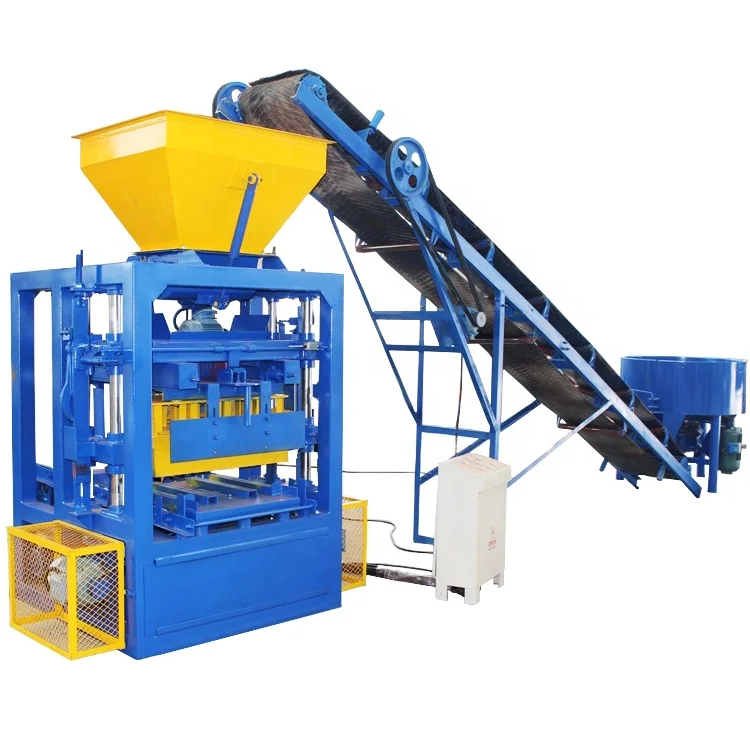 Automatic block machine