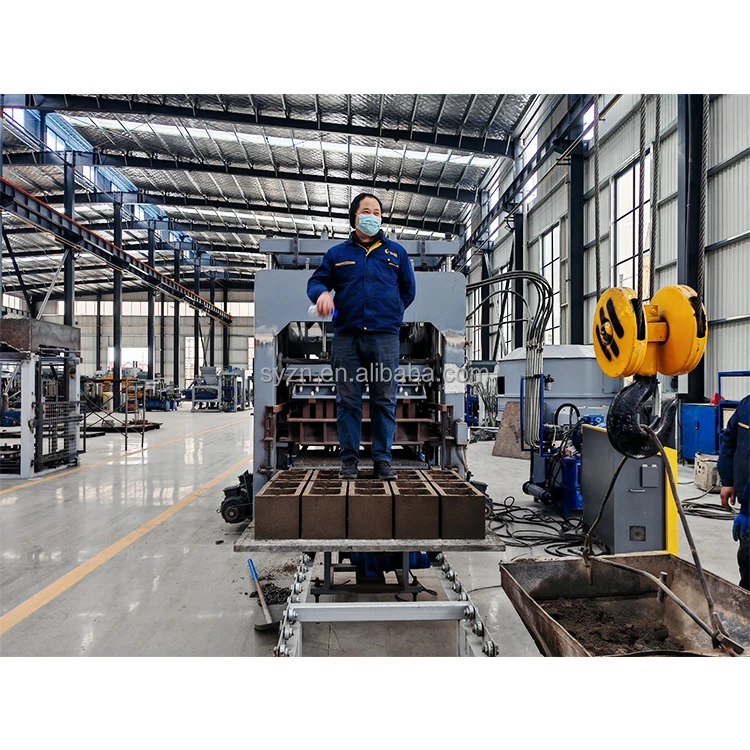
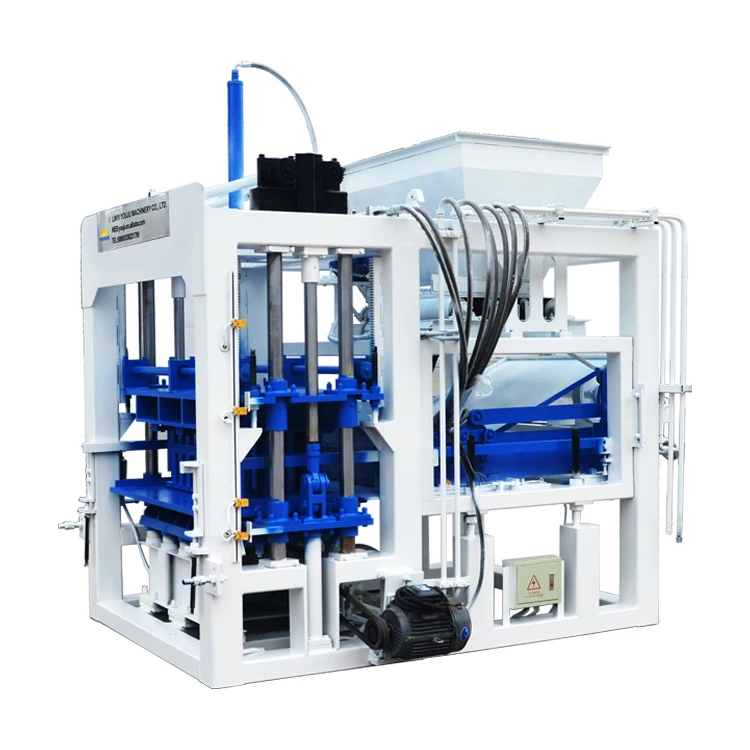
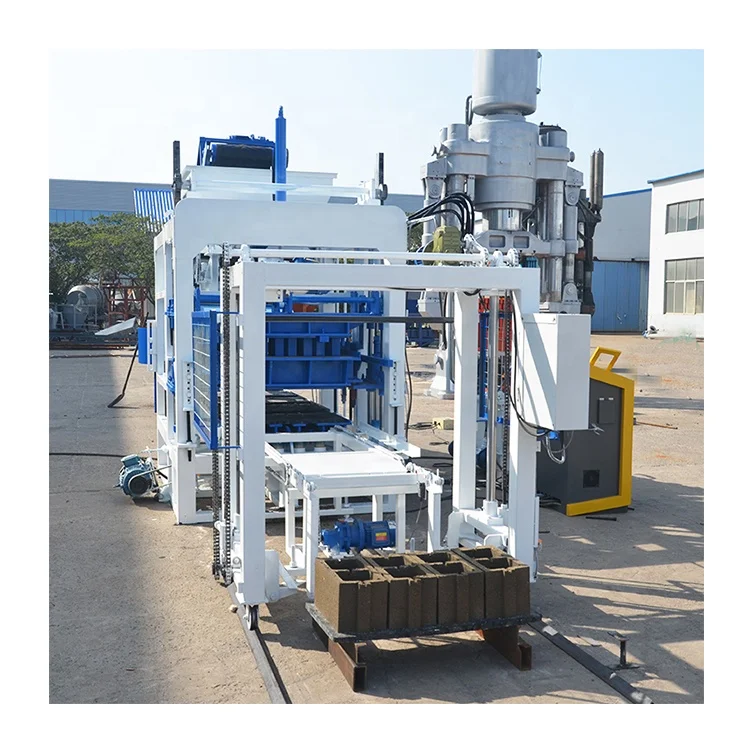
Matched System Sizing — capacity figures for the QT5-15 are quoted against specific block formats and mould counts, never a bare hourly number that leaves buyers guessing at real daily output.
Technical Specifications
| Parameter |
Value |
| Model |
QT5-15 |
| Product Type |
Automatic Concrete Block Making Machine |
| Overall Dimensions (L×W×H) |
7400×1950×2800 mm |
| Rated Pressure |
21 MPa |
| Main Vibration Form |
Platform Vibration |
| Vibration Frequency |
2800–4500 r/min |
| Pallet Size |
1100×550 mm |
| Molding Cycle |
15–25 s |
| Overall Power |
26.5 kW |
| Demolding Method |
Hydraulic |
| Automation Level |
Full Automatic |
| Output (Hollow brick 400×200×200 mm) |
5 pcs/mold, 16–20 s cycle, rated at 1800 pcs/h |
| Output (Hollow block 400×150×200 mm) |
6 pcs/mold, 15–20 s cycle, rated at 1300 pcs/h |
| Output (S paver 225×112.5×60 mm) |
16 pcs/mold, 15–17 s cycle, rated at 3700 pcs/h |
| Control System |
PLC (brand and language options to be confirmed) |
| Voltage & Frequency |
Configurable (to be confirmed for target market) |
| Applied Products |
Concrete blocks, hollow/solid blocks, pavers, interlocking blocks, curbstone, colored pavers |
| Raw Materials |
Crushed stone, sand, cement, fly ash, gravel, slag, dust |
Application Suitability
| Application |
Material or Output |
| Hollow block production for building walls |
Crushed stone, sand, cement, and fly ash mixes |
| Solid block manufacturing for load-bearing structures |
Gravel, slag, and cement blends |
| Interlocking paver and S paver production |
Colored concrete mixes with fine aggregates |
| Curbstone and kerbstone forming |
Coarse aggregate and cement combinations |
| Porous and permeable brick production |
Open-graded aggregate blends for drainage applications |
What "1800 Pieces per Hour" Actually Means for the QT5-15
Output only holds when the block format, mould cavity count, and cycle time all align with your raw material.
Buyers often receive a single hourly figure with no mention of which block it assumes, then watch daily production fall well short once the machine runs their actual mix. The QT5-15 automatic concrete block making machine manufacturer rates hollow brick output at 1800 pieces per hour based on a 400×200×200 mm format with 5 cavities and a 16–20 second cycle. Switch to a different format or a local aggregate with higher clay content, and the cycle stretches, changing the math entirely [NEED_CITE: aggregate clay content impact on vibration compaction cycles].

Where the QT5-15 Sits Across the Full Machine Range
The Shiyue lineup spans mobile egg-laying units for on-site work, semi-automatic presses for small workshops, and high-capacity automatic lines for continuous production. The QT5-15 occupies the mid-tier stationary automatic position, offering full hydraulic demolding and platform vibration without the footprint of a large-capacity plant. Buyers moving up from a semi-automatic model find the automation step manageable, while those comparing downward from a higher-tier line see a smaller capital commitment and simpler maintenance profile.
Choosing the Right Tier Before Signing a Purchase Order
A first-time plant operator may not need the output of a high-tier line, but buying below the required capacity creates a different problem — running two shifts to meet orders. The QT5-15 automatic concrete block making machine manufacturer positions this model for entrepreneurs and growing plants that need consistent daily volumes across multiple block formats. The decision hinges on your target product mix, local demand patterns, and whether you plan to add formats later through mould changes rather than buying a second press [NEED_CITE: block plant capacity planning methodology].
Reading the Specs That Determine Real Output
Platform vibration at 2800–4500 r/min works together with 21 MPa hydraulic pressure to compact the mix into the mould. Higher frequency suits fine-aggregate pavers where surface finish matters, while lower frequency with sustained pressure produces denser hollow blocks from coarser stone. The 1100×550 mm pallet size dictates curing rack dimensions and forklift requirements — confirming this before dispatch prevents a mismatch on arrival. A 15–25 second molding cycle range means the QT5-15 adjusts to different mixes, but only if the vibration parameters are set against your specific aggregate and cement ratio. The 26.5 kW total power draw determines the dedicated circuit and transformer sizing your electrical contractor must plan for.
The Cost of Skipping the Mix Design Conversation
Ordering a block machine based on catalogue output without verifying your local aggregate leads to inconsistent block strength, extended cycle times, and mould wear that accelerates beyond normal rates. A machine configured for clean river sand will struggle with a high-clay crushed stone source, producing blocks that fail compression tests. The QT5-15 automatic concrete block making machine manufacturer addresses this by requesting a material sample and target block format before finalizing the vibration and pressure settings. Skipping this step turns a capable press into an underperforming one [NEED_CITE: concrete block compressive strength testing standards].
Why Buyers Source This Range Through Shiyue
Block machinery is the single focus here, so the press, mould, pallet, and handling equipment are specified as one matched system rather than assembled from separate suppliers. Configuration is set against your actual mix design and target block format, not a catalogue default. Mould design covers the formats your market sells, including custom drawings when standard options do not match. The automation level is selectable within the range, allowing a buyer to start at the QT5-15 tier and move upward as production volumes grow. Installation support includes on-site commissioning and operator training so the crew running the machine understands cycle adjustments and mould change procedures.
Documentation & Verification
- Line layout drawing stating the block format assumed for every capacity figure
- Machine specification sheet with confirmed voltage, frequency, and PLC display language
- Mould drawing and format list included with the quotation for buyer review
- Factory test record validating cycle time and block strength against your mix sample
- Hydraulic and electrical schematic for your maintenance team before arrival
- Packing photographs and customs documentation support for import clearance
Installation, Commissioning & Support
- Foundation must support 7400×1950 mm footprint with level tolerance for platform vibration alignment
- Dedicated circuit sized for 26.5 kW total draw with voltage and frequency confirmed before production
- Machine arrives dismantled for container loading; on-site reassembly and alignment by technician
- First-run commissioning includes vibration frequency tuning against your local aggregate sample
- Operator training covers mould change procedure, cycle adjustment, and hydraulic system maintenance
- Wear parts list and mould maintenance schedule provided for your first year of production
What to Prepare Before Requesting a Quote
Send your target block formats with dimensions, the daily output you need for each, and a sample or description of your local aggregate including source and moisture range. Confirm your site voltage, frequency, and preferred PLC display language so the QT5-15 is built to match. If you have an existing curing area or forklift, share the pallet dimensions you already use — this determines whether the standard 1100×550 mm pallet fits or needs adjustment before the machine enters production.
Frequently Asked Questions
Q: How do I verify the real daily output of the QT5-15 for my specific block format?
A: Request a capacity calculation document that states the exact block format, mould cavity count, and cycle time behind every output figure. The QT5-15 automatic concrete block making machine manufacturer provides this with each quotation, so you can compare the numbers against your actual product mix rather than relying on a single hourly claim.
Q: Where does the QT5-15 fit compared to semi-automatic and higher-tier models?
A: It sits in the mid-tier automatic range, offering full hydraulic demolding and platform vibration without the footprint of a high-capacity line. Buyers upgrading from semi-automatic find the transition manageable, while those comparing upward see a lower capital entry point with an available upgrade path within the same platform.
Q: What voltage, frequency, and PLC language will be confirmed before production?
A: These are confirmed during the order stage, not assumed. The control system supports multiple language options and voltage configurations to match your local grid. Providing this information early prevents commissioning delays when the machine arrives at your plant.
Q: Can I start semi-automatic and add automation to the QT5-15 later?
A: The platform supports a selectable automation level, so buyers can begin with manual pallet handling and add automatic stacking or cubing as volumes grow. Confirming the upgrade path at the quotation stage ensures the base machine is wired and plumbed to accept future additions.

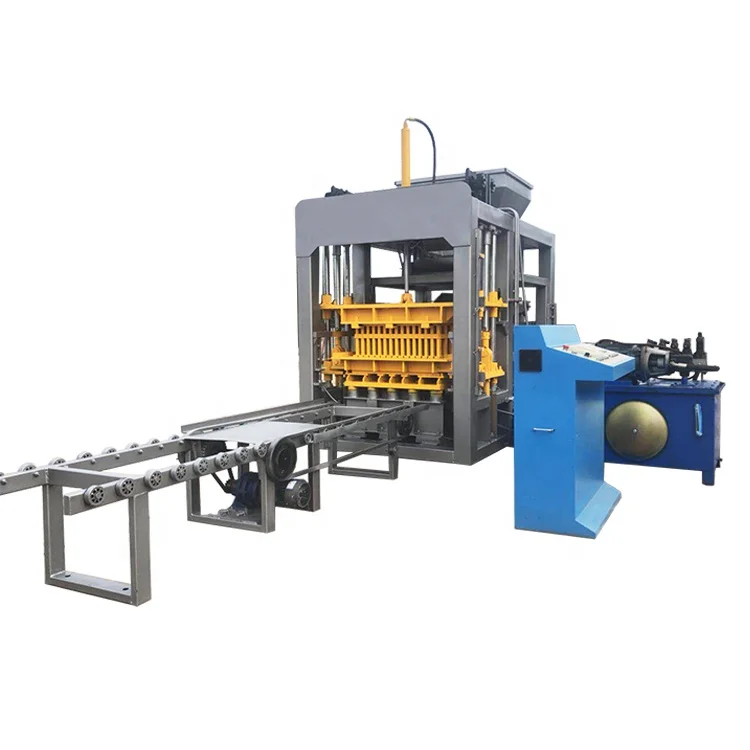
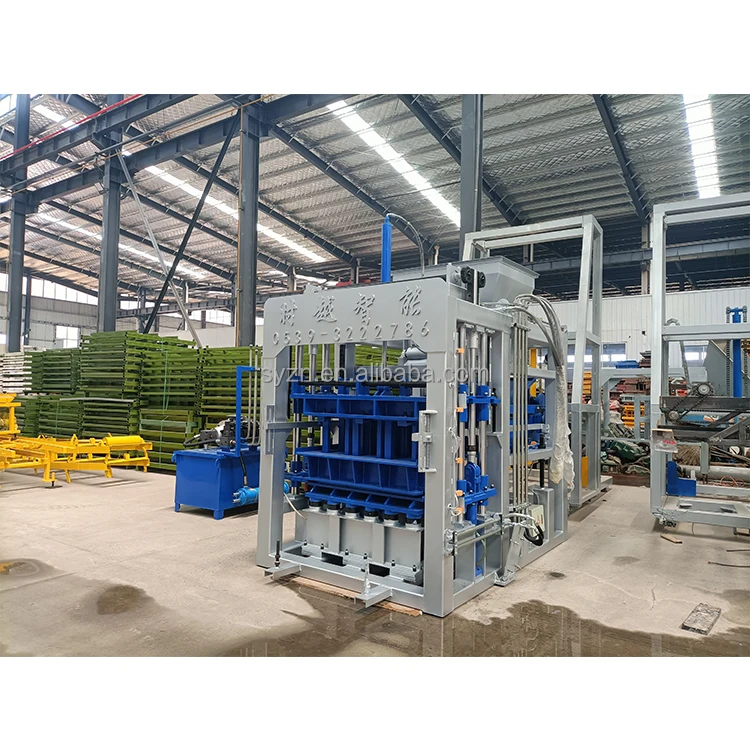 Stationary block machine