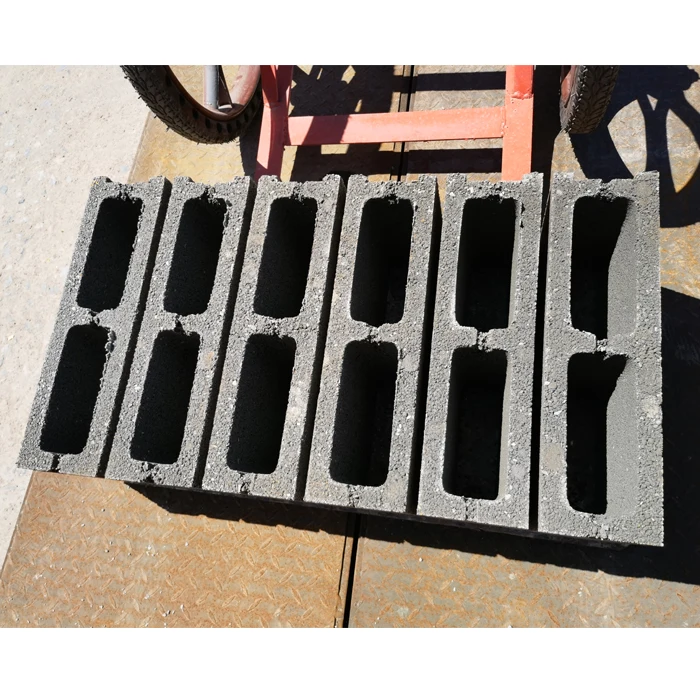
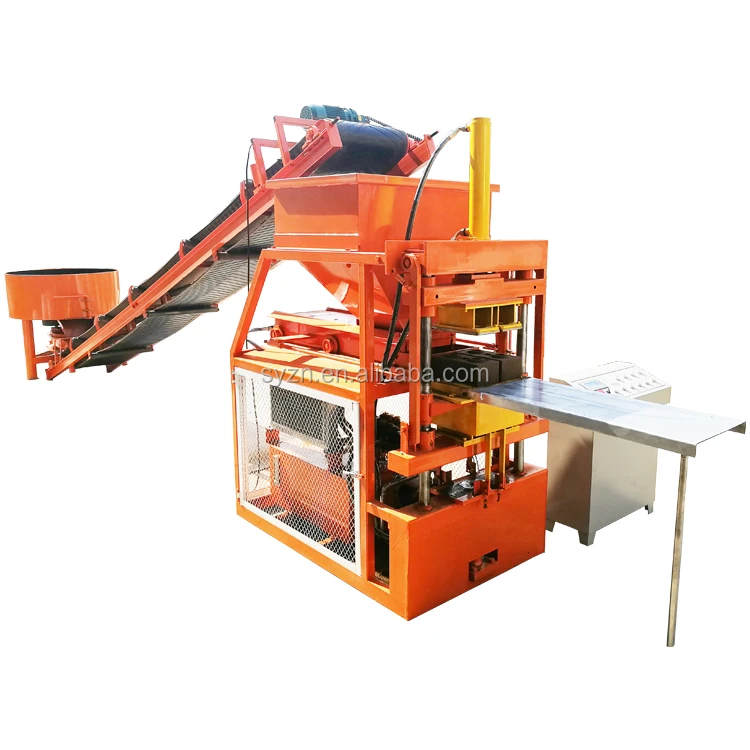
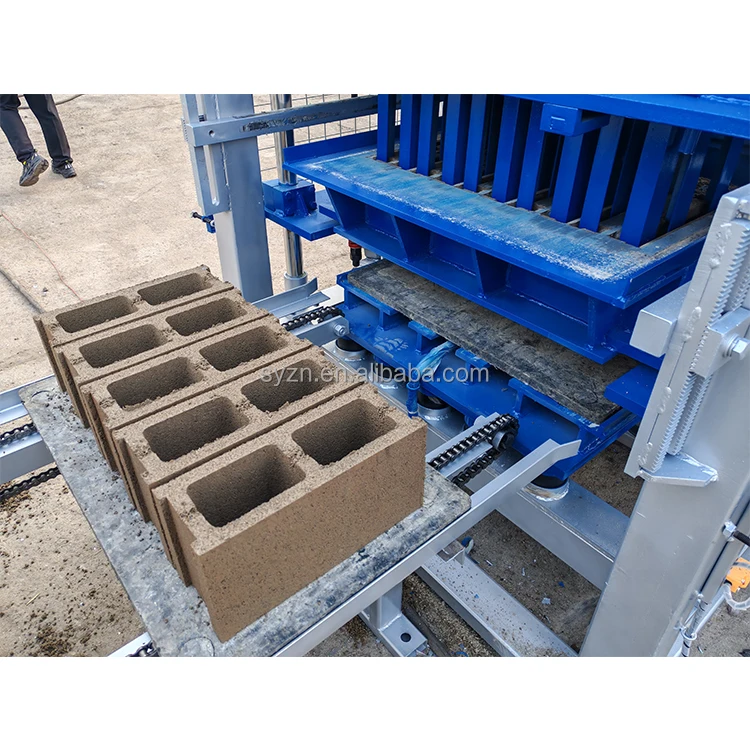
Matched System Specification — We configure the QT4-15A block machine, mould, pallet, and handling equipment as one integrated unit based on your actual mix design and local aggregate, not catalogue defaults.
Technical Specifications
| Parameter |
Value |
| Model |
QT4-15A |
| Product Type |
Fully Automatic Concrete Block Making Machine |
| Overall Dimensions (L×W×H) |
4100×1600×2600 mm |
| Rated Pressure |
16–21 MPa |
| Main Vibration Form |
Platform Vibration |
| Vibration Frequency |
4200 r/min |
| Vibration Force |
55 kN |
| Pallet Size |
880×550 mm |
| Molding Cycle |
25–30 s (basis not stated in source — confirm block format, material, and thickness) |
| Overall Power |
18.45 kW |
| Total Mass |
4 T |
| Demolding Method |
Hydraulic |
| Factory Area |
300 m² |
| Automation Level |
Fully automatic |
| Container Loading |
1×40HQ (for basic equipment) |
Application Suitability
| Application |
Material or Output |
| Hollow and solid block production |
Crushed stone, sand, cement, fly ash |
| Paving and interlocking block manufacturing |
Gravel, slag, dust, cement |
| Kerbstone and colored paver production |
Specific aggregate blends and pigments |
| On-site construction block making |
Local aggregate and cement mixes |
Why the Voltage Question Should Come Before the Price on a QT4-15A automatic block making machine for sale
Confirming voltage, frequency, and PLC language before production prevents a three-week site delay.
When a 400V grid cannot accept a 380V machine, the entire project waits for electrical upgrades while contractors stand idle. Sourcing a QT4-15A automatic block making machine for sale without locking in the electrical specification leaves you exposed to local transformer costs and commissioning delays [NEED_CITE: voltage and frequency standards by export market]. This mid-tier automatic unit sits between semi-automatic entry models and high-capacity lines, meaning buyers often compare it while still finalizing site infrastructure.

Placing the QT4-15A Within the Full Shiyue Range
The QT4-15A occupies the mid-tier position in the Shiyue automatic lineup, bridging the gap between semi-automatic machines that require manual pallet handling and high-capacity automatic lines with full stacking and cubing systems. Buyers evaluating their first fixed plant often start by comparing this tier against mobile egg-laying machines, weighing the higher initial footprint against the consistency that platform vibration and hydraulic demolding deliver. The 300 m² factory area requirement defines the physical commitment this tier demands compared to smaller workshop setups.
Automation Tier Selection and Future Expansion Path
Choosing where to enter the range depends on your current labor availability and target daily output across the block formats your market actually sells. The QT4-15A delivers fully automatic operation from raw material feeding through to demolding, yet buyers can specify the degree of pallet handling and stacking automation separately. This configuration flexibility means a plant can start with manual pallet return and add automatic stacking later as volume justifies the investment [NEED_CITE: automation upgrade paths in block production]. Understanding where this tier sits helps you avoid over-investing in capacity you cannot yet fill or under-investing in a machine that bottlenecks your curing area.
Platform Vibration, Hydraulic Pressure, and Pallet Sizing
The 55 kN vibration force paired with 16–21 MPa hydraulic pressure determines the density and strength of the finished block, but only when matched to your specific mix design and local aggregate gradation. A mix with high fly ash content responds differently to platform vibration at 4200 r/min than a clean crushed stone blend, and the molding cycle of 25–30 s must be validated against the actual block format and thickness you intend to produce. The 880×550 mm pallet size must align with your existing curing racks and forklift tine spacing, otherwise you face the hidden cost of replacing your entire handling infrastructure after the machine arrives.
The Cost of Skipping Format-Based Capacity Calculation
Accepting a cycle time without knowing which block format it assumes leads to daily output figures that never materialize on the production floor. A 25-second cycle on a thin paver does not translate to the same cycle on a 200 mm hollow block, and the vibration force required for adequate compaction differs between formats [NEED_CITE: block format impact on cycle time and output]. Buyers who skip this verification end up chasing capacity through extended shifts, increased wear on hydraulic components, and inconsistent block strength that fails local compression standards.
Why Sourcing the Full Line from One Supplier Matters
Block machinery remains the single focus at Shiyue, so the QT4-15A arrives with moulds, pallets, and handling equipment specified as one matched system rather than assembled from separate vendors. Mould design covers the formats your market sells, including custom drawings for non-standard profiles, and the hydraulic and electrical schematics reflect the actual configuration shipped. Factory testing runs your specified block format before dispatch, and the documentation package includes voltage confirmation, PLC language settings, and a wear parts list so the first replacement order does not become a crisis.
Documentation & Verification
- Line layout stating block format assumed for each output figure
- Machine specification sheet with pallet size and vibration force matched to your mix
- Mould drawing and format list confirming market-specific block profiles
- Voltage, frequency, and PLC display language confirmation before production
- Factory test record on your block format before dispatch
Installation, Commissioning & Support
- 300 m² factory area with level concrete floor for 4100×1600 mm footprint
- Electrical supply matching confirmed kW rating and voltage before energizing
- Machine dismantled into 1×40HQ container with reassembly on site
- Hydraulic pressure and vibration frequency calibrated to your mix during commissioning
- Operator training covering mould change procedure and daily maintenance schedule
- Wear parts list provided for first replacement order planning
Preparing Your Inquiry for Accurate Configuration
To receive a proposal that reflects your actual production conditions rather than a catalogue default, specify the block formats you intend to sell, the daily output you require per format, and the local aggregate sources available for your mix design. Confirm your site voltage, frequency, and the PLC display language your operators need. If you have existing curing racks or forklifts, provide their dimensions so the pallet size can be matched before the machine enters production.
Frequently Asked Questions
Q: Where does the QT4-15A sit in the full Shiyue range compared to semi-automatic and high-capacity models?
A: The QT4-15A occupies the mid-tier automatic position, offering fully automatic operation with platform vibration and hydraulic demolding. It requires a larger factory area and higher investment than semi-automatic machines but avoids the footprint and complexity of high-capacity lines with full cubing systems. Buyers typically choose this tier when stepping up from mobile or egg-laying machines.
Q: How is capacity calculated and which block format is the cycle time based on?
A: The 25–30 second molding cycle must be validated against your specific block format, material, and thickness. A thin paver cycles faster than a 200 mm hollow block, and the vibration force required differs. Our proposals state capacity per format so your daily output expectation matches reality on the production floor.
Q: What plant footprint and factory area does this tier require versus larger automatic lines?
A: The QT4-15A requires approximately 300 m² including space for raw material storage, the press itself, and pallet return. High-capacity automatic lines with full stacking and cubing demand significantly more floor space and height clearance. Confirming your available area early prevents selecting a tier your facility cannot accommodate.
Q: Can I start with QT4-15A and upgrade automation or add formats later?
A: Yes. The automation level is selectable, so you can begin with manual pallet handling and add automatic stacking as volume grows. Custom moulds can be designed and supplied later for additional block formats your market demands, using the same pallet size and hydraulic platform.
Q: What investment level separates this mid-tier from entry-level and high-capacity options?
A: The mid-tier requires higher initial investment than semi-automatic machines due to the automatic operation, hydraulic demolding, and larger pallet size. High-capacity lines demand further investment in stacking, cubing, and expanded curing infrastructure. The right tier depends on your target daily output across the specific formats you intend to produce.

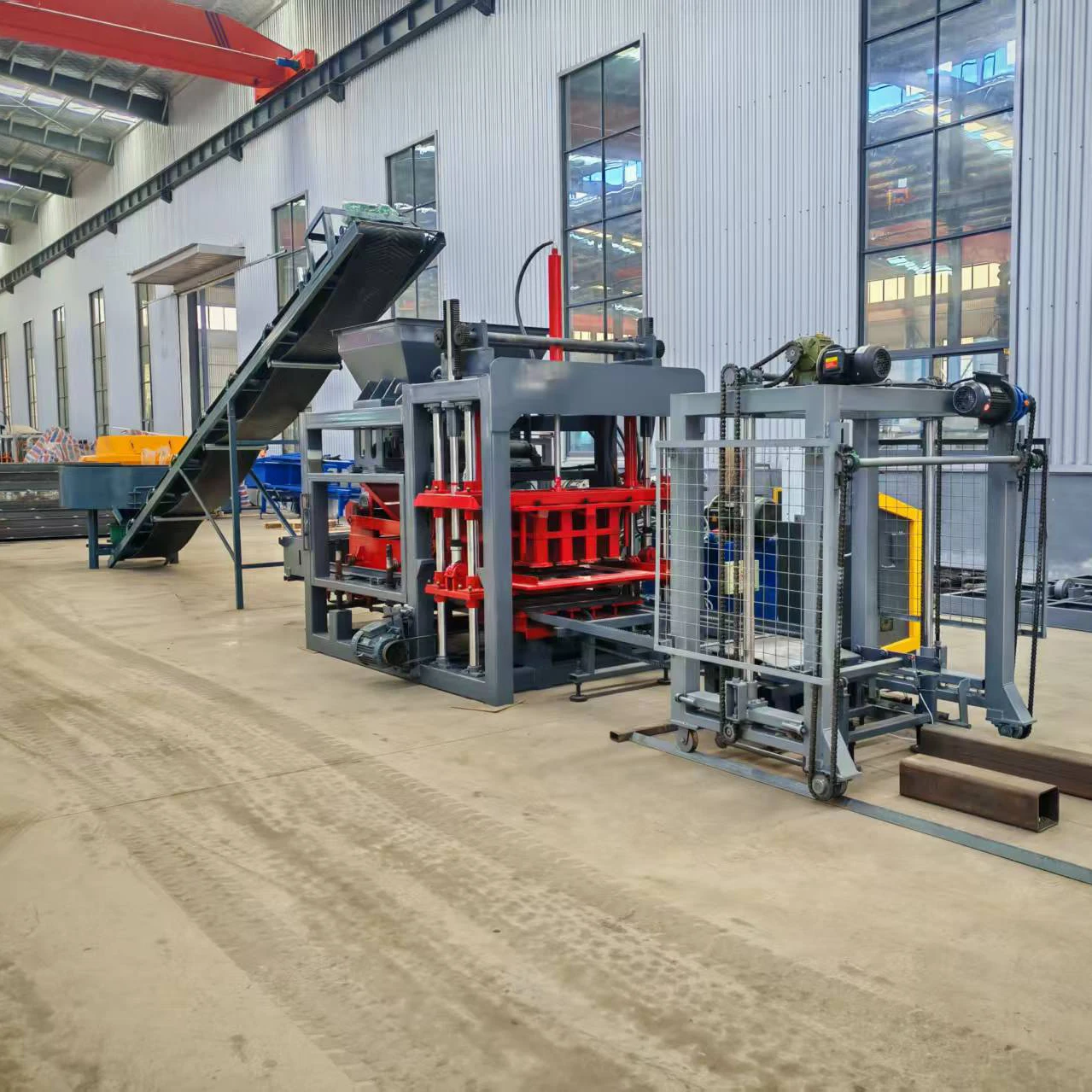
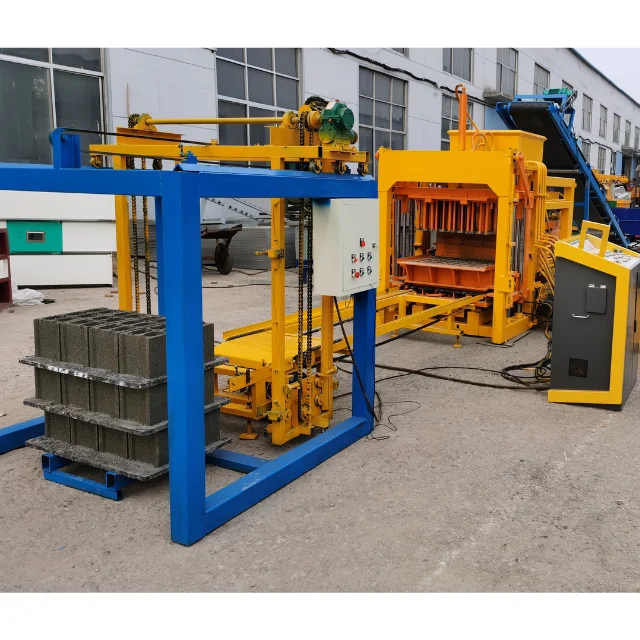 High quality block machine