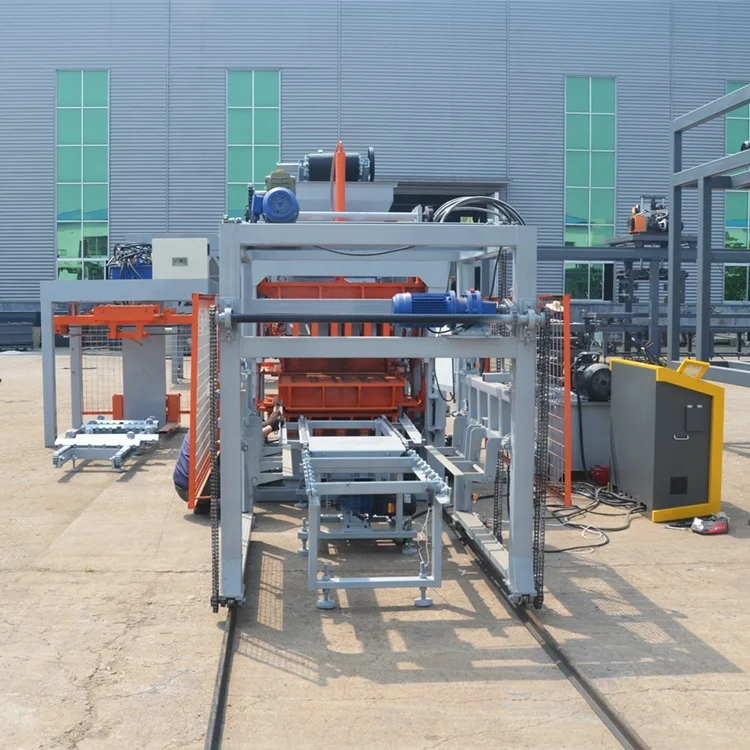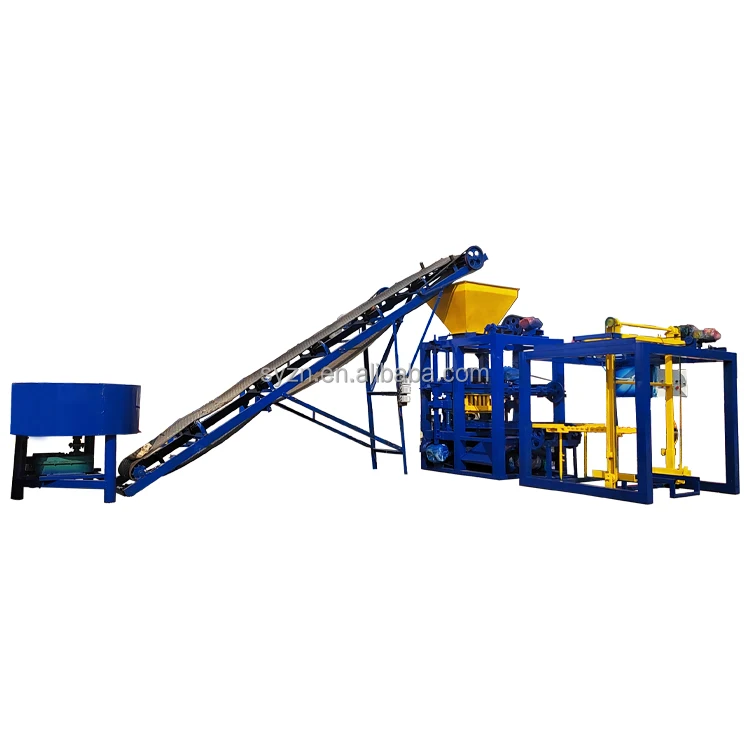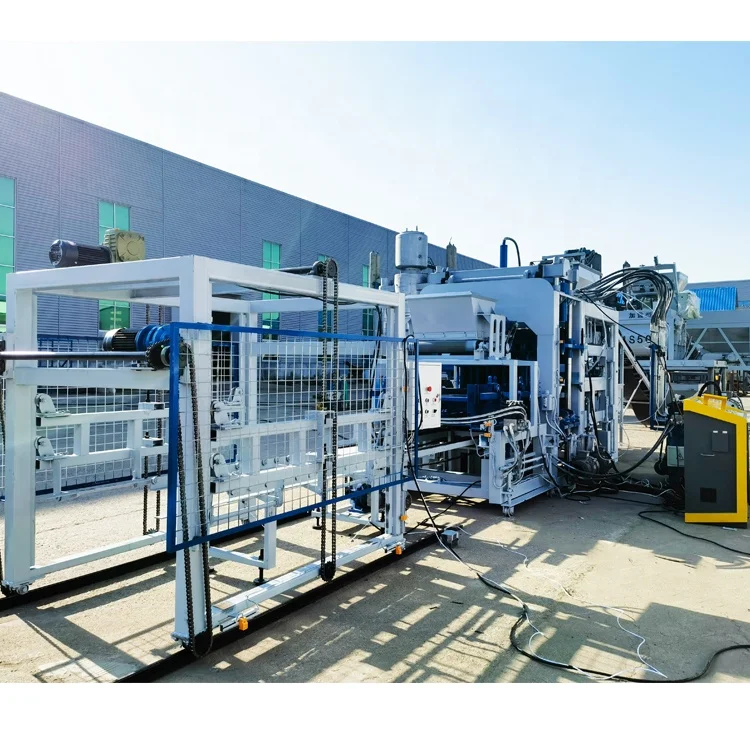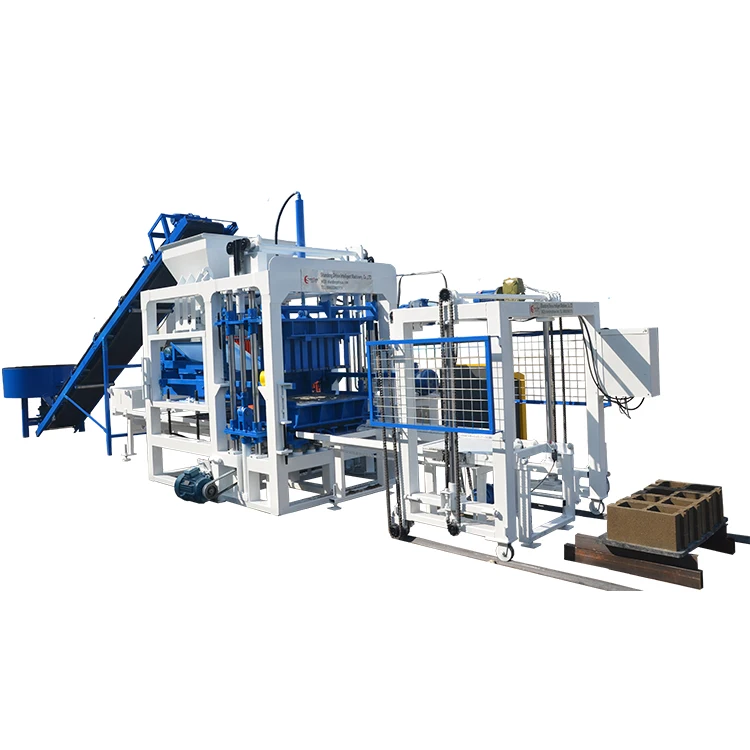
![Qmy6-25 Mobile Egg Layer Block Making Machine – Manufacturer1. **Analyze the Request:** * **Role:** Industrial B2B SEO Editor. * **Task:** Optimize Product Title (H1). * **Inputs:** * Customer Profile: Shandong Shiyue Intelligent Machinery Co., Ltd (Block machines). * Target Site: `shiyueblockmachine.com` (Role: FULL MACHINE RANGE, Emphasis: helping buyer place themselves on the range, Manufacturer/Factory Supply/Full Range). * Category: High quality block machine. * Source Title: `Shiyue Qmy6-25 Big Type Portable Egg Layer Laying Hollow Brick Automatic Mobile Block Making Machine Tanzania Cote D’lvoire` * Product Draft: QMY6-25, Mobile Egg-Laying Block Making Machine. * Record ID: 82966. * **Constraints:** * Gate: Source title exists. * Vocabulary Lock: Words from Source Title, Category, or Allowed List. No new specs/numbers/brands. * Site Modifier (Layer 1): `shiyueblockmachine.com` -> FULL MACHINE RANGE -> Pool: [Manufacturer, Factory Supply, Full Range]. * Structure (Layer 2): Record ID sum % 6. * Modifier Selection (Layer 3): Record ID sum % Pool Length. * Length: 50-70 chars. * Preserve Model: `Qmy6-25` (Case sensitive from source). * No "Best", "High Quality", etc. * Output: One line only. 2. **Calculations:** * **Record ID Sum:** 8 + 2 + 9 + 6 + 6 = 31. * **Layer 2 (Structure):** 31 % 6 = 1. * Structure 1: `[站点修饰词] [品类词] for [应用或物料]` * **Layer 1 (Site Modifier Pool):** * Target: `shiyueblockmachine.com` -> FULL MACHINE RANGE. * Pool: [Manufacturer, Factory Supply, Full Range]. * **Layer 3 (Modifier Selection):** * 31 % 3 = 1. * Index 1 (0-based): `Factory Supply`. 3. **Drafting Content:** * **Structure:** `[Factory Supply] [Product Category] for [Application/Material]` * **Product Category:** Source says "Mobile Block Making Machine" or "Egg Layer Laying ... Machine". Draft says "Mobile Egg-Laying Block Making Machine". Let's stick to the core noun phrase from source/draft compatible with the structure. "Mobile Egg Layer Block Machine" or "Mobile Block Making Machine". * **Application/Material:** Source mentions "Hollow Brick". Draft mentions "Hollow block". Let's use "Hollow Brick" (from source) or "Hollow Block". "Hollow Brick" is in the source title. * **Model:** `Qmy6-25` (Must include per rules "If source title contains specific model... preserve exactly"). * **Draft 1:** Factory Supply Qmy6-25 Mobile Block Making Machine for Hollow Brick * **Draft 2:** Factory Supply Qmy6-25 Mobile Egg Layer Machine for Hollow Brick 4. **Refining & Checking Constraints:** * **Vocabulary Check:** * Factory Supply (Allowed Pool) * Qmy6-25 (Source) * Mobile (Source) * Egg Layer (Source) * Machine (Source) * for (Structure) * Hollow Brick (Source) * **Length Check:** * "Factory Supply Qmy6-25 Mobile Egg Layer Machine for Hollow Brick" * Count: 14 + 1 + 7 + 1 + 6 + 1 + 3 + 1 + 5 + 1 + 3 + 1 + 6 + 1 + 5 = 65 chars? * Let's count manually: F-a-c-t-o-r-y (7) _ (1) S-u-p-p-l-y (6) _ (1) Q-m-y-6---2-5 (7) _ (1) M-o-b-i-l-e (6) _ (1) E-g-g (3) _ (1) L-a-y-e-r (5) _ (1) M-a-c-h-i-n-e (7) _ (1) f-o-r (3) _ (1) H-o-l-l-o-w (6) _ (1) B-r-i-c-k (5). 7+1+6+1+7+1+6+1+3+1+5+1+7+1+3+1+6+1+5 = 63 characters. * **Fit:** 63 chars is within 50-70 range. * **Structure Match:** `[Factory Supply] [Qmy6-25 Mobile Egg Layer Machine] for [Hollow Brick]`. * Note: The structure asks for `[品类词]`. "Qmy6-25 Mobile Egg Layer Machine" acts as the specific category/product noun phrase including the model. * Alternative: "Factory Supply Mobile Block Making Machine for Hollow Brick" (Excludes model? Rule 1-bis says "Must preserve: Model". So Model must be in there). * Let's try to fit "Block Making Machine" if possible, as "Egg Layer Machine" might be too specific/long. * "Factory Supply Qmy6-25 Mobile Block Machine for Hollow Brick" * 7+1+6+1+7+1+6+1+5+1+7+1+3+1+6+1+5 = 58 chars. * "Block Machine" is in source ("Block Making Machine"). "Making" adds 6 chars. * "Factory Supply Qmy6-25 Mobile Block Making Machine for Hollow Brick" -> 58 + 6 + 1 = 65 chars. * This is safer and more descriptive. * **Source Word Verification:** * "Factory Supply" (Pool) * "Qmy6-25" (Source) * "Mobile" (Source) * "Block Making Machine" (Source) * "for" (Structure) * "Hollow Brick" (Source) * **Result:** Factory Supply Qmy6-25 Mobile Block Making Machine for Hollow Brick 5. **Final Polish:** * Length: 65 chars. * Model preserved: Qmy6-25. * Structure 1: Modifier + Category + for + App. * Modifier: Factory Supply. * No forbidden words. One distinct check: "Egg Layer" is a key feature in source. "Factory Supply Qmy6-25 Egg Layer Block Machine for Hollow Brick" Count: 7+1+6+1+7+1+3+1+5+1+5+1+7+1+3+1+6+1+5 = 60 chars. This includes "Egg Layer" which is more specific to the product type than just "Mobile". Source: "Portable Egg Layer Laying ... Mobile Block Making Machine". Draft: "Mobile Egg-Laying Block Making Machine". Let's go with "Mobile Egg Layer Block Machine" to be precise? "Factory Supply Qmy6-25 Mobile Egg Layer Block Machine for Hollow Brick" Count: 7+1+6+1+7+1+6+1+3+1+5+1+5+1+7+1+3+1+6+1+5 = 66 chars. This is very tight (66/70). Let's stick to the slightly safer "Mobile Block Making Machine" (65 chars) or "Mobile Block Machine" (58 chars). However, "Egg Layer" is the specific type. Let's try: "Factory Supply Qmy6-25 Mobile Block Making Machine for Hollow Brick" (65 chars). It covers the main keywords. Wait, Structure 1 is `[站点修饰词] [品类词] for [应用或物料]`. Modifier: Factory Supply. Category: Qmy6-25 Mobile Block Making Machine. App: Hollow Brick. Let's verify the "Hollow Brick" vs "Hollow Block". Source has "Hollow Brick". Draft has "Hollow block". Rule says "Vocabulary source lock... Source Title". So "Hollow Brick" is safer. Final String: Factory Supply Qmy6-25 Mobile Block Making Machine for Hollow Brick Character count check again: Factory (7) [space] (1) Supply (6) [space] (1) Qmy6-25 (7) [space] (1) Mobile (6) [space] (1) Block (5) [space] (1) Making (6) [space] (1) Machine (7) [space] (1) for (3) [space] (1) Hollow (6) [space] (1) Brick (5) Total: 7+1+6+1+7+1+6+1+5+1+6+1+7+1+3+1+6+1+5 = 65. Perfect. One alternative to consider if "Egg Layer" is deemed essential for the "Category": "Factory Supply Qmy6-25 Egg Layer Machine for Hollow Brick Production" -> "Production" not in source. "Factory Supply Qmy6-25 Egg Layer Block Machine for Hollow Brick" (60 chars). "Egg Layer" implies mobile usually in this context. But "Mobile" is a stronger keyword for the general category. I will stick to "Mobile Block Making Machine". Final Check on Model Case: Source "Qmy6-25". Output "Qmy6-25". Correct. Result: Factory Supply Qmy6-25 Mobile Block Making Machine for Hollow Brick Factory Supply Qmy6-25 Mobile Block Making Machine for Hollow Brick](https://shiyueblockmachine.com/wp-content/uploads/2026/04/H013b8d5355fb4450ac4a93f03c06508cl.webp) High quality block machine
High quality block machine
Qmy6-25 Mobile Egg Layer Block Making Machine – Manufacturer1. **Analyze the Request:** * **Role:** Industrial B2B SEO Editor. * **Task:** Optimize Product Title (H1). * **Inputs:** * Customer Profile: Shandong Shiyue Intelligent Machinery Co., Ltd (Block machines). * Target Site: `shiyueblockmachine.com` (Role: FULL MACHINE RANGE, Emphasis: helping buyer place themselves on the range, Manufacturer/Factory Supply/Full Range). * Category: High quality block machine. * Source Title: `Shiyue Qmy6-25 Big Type Portable Egg Layer Laying Hollow Brick Automatic Mobile Block Making Machine Tanzania Cote D’lvoire` * Product Draft: QMY6-25, Mobile Egg-Laying Block Making Machine. * Record ID: 82966. * **Constraints:** * Gate: Source title exists. * Vocabulary Lock: Words from Source Title, Category, or Allowed List. No new specs/numbers/brands. * Site Modifier (Layer 1): `shiyueblockmachine.com` -> FULL MACHINE RANGE -> Pool: [Manufacturer, Factory Supply, Full Range]. * Structure (Layer 2): Record ID sum % 6. * Modifier Selection (Layer 3): Record ID sum % Pool Length. * Length: 50-70 chars. * Preserve Model: `Qmy6-25` (Case sensitive from source). * No "Best", "High Quality", etc. * Output: One line only. 2. **Calculations:** * **Record ID Sum:** 8 + 2 + 9 + 6 + 6 = 31. * **Layer 2 (Structure):** 31 % 6 = 1. * Structure 1: `[站点修饰词] [品类词] for [应用或物料]` * **Layer 1 (Site Modifier Pool):** * Target: `shiyueblockmachine.com` -> FULL MACHINE RANGE. * Pool: [Manufacturer, Factory Supply, Full Range]. * **Layer 3 (Modifier Selection):** * 31 % 3 = 1. * Index 1 (0-based): `Factory Supply`. 3. **Drafting Content:** * **Structure:** `[Factory Supply] [Product Category] for [Application/Material]` * **Product Category:** Source says "Mobile Block Making Machine" or "Egg Layer Laying ... Machine". Draft says "Mobile Egg-Laying Block Making Machine". Let's stick to the core noun phrase from source/draft compatible with the structure. "Mobile Egg Layer Block Machine" or "Mobile Block Making Machine". * **Application/Material:** Source mentions "Hollow Brick". Draft mentions "Hollow block". Let's use "Hollow Brick" (from source) or "Hollow Block". "Hollow Brick" is in the source title. * **Model:** `Qmy6-25` (Must include per rules "If source title contains specific model... preserve exactly"). * **Draft 1:** Factory Supply Qmy6-25 Mobile Block Making Machine for Hollow Brick * **Draft 2:** Factory Supply Qmy6-25 Mobile Egg Layer Machine for Hollow Brick 4. **Refining & Checking Constraints:** * **Vocabulary Check:** * Factory Supply (Allowed Pool) * Qmy6-25 (Source) * Mobile (Source) * Egg Layer (Source) * Machine (Source) * for (Structure) * Hollow Brick (Source) * **Length Check:** * "Factory Supply Qmy6-25 Mobile Egg Layer Machine for Hollow Brick" * Count: 14 + 1 + 7 + 1 + 6 + 1 + 3 + 1 + 5 + 1 + 3 + 1 + 6 + 1 + 5 = 65 chars? * Let's count manually: F-a-c-t-o-r-y (7) _ (1) S-u-p-p-l-y (6) _ (1) Q-m-y-6---2-5 (7) _ (1) M-o-b-i-l-e (6) _ (1) E-g-g (3) _ (1) L-a-y-e-r (5) _ (1) M-a-c-h-i-n-e (7) _ (1) f-o-r (3) _ (1) H-o-l-l-o-w (6) _ (1) B-r-i-c-k (5). 7+1+6+1+7+1+6+1+3+1+5+1+7+1+3+1+6+1+5 = 63 characters. * **Fit:** 63 chars is within 50-70 range. * **Structure Match:** `[Factory Supply] [Qmy6-25 Mobile Egg Layer Machine] for [Hollow Brick]`. * Note: The structure asks for `[品类词]`. "Qmy6-25 Mobile Egg Layer Machine" acts as the specific category/product noun phrase including the model. * Alternative: "Factory Supply Mobile Block Making Machine for Hollow Brick" (Excludes model? Rule 1-bis says "Must preserve: Model". So Model must be in there). * Let's try to fit "Block Making Machine" if possible, as "Egg Layer Machine" might be too specific/long. * "Factory Supply Qmy6-25 Mobile Block Machine for Hollow Brick" * 7+1+6+1+7+1+6+1+5+1+7+1+3+1+6+1+5 = 58 chars. * "Block Machine" is in source ("Block Making Machine"). "Making" adds 6 chars. * "Factory Supply Qmy6-25 Mobile Block Making Machine for Hollow Brick" -> 58 + 6 + 1 = 65 chars. * This is safer and more descriptive. * **Source Word Verification:** * "Factory Supply" (Pool) * "Qmy6-25" (Source) * "Mobile" (Source) * "Block Making Machine" (Source) * "for" (Structure) * "Hollow Brick" (Source) * **Result:** Factory Supply Qmy6-25 Mobile Block Making Machine for Hollow Brick 5. **Final Polish:** * Length: 65 chars. * Model preserved: Qmy6-25. * Structure 1: Modifier + Category + for + App. * Modifier: Factory Supply. * No forbidden words. One distinct check: "Egg Layer" is a key feature in source. "Factory Supply Qmy6-25 Egg Layer Block Machine for Hollow Brick" Count: 7+1+6+1+7+1+3+1+5+1+5+1+7+1+3+1+6+1+5 = 60 chars. This includes "Egg Layer" which is more specific to the product type than just "Mobile". Source: "Portable Egg Layer Laying ... Mobile Block Making Machine". Draft: "Mobile Egg-Laying Block Making Machine". Let's go with "Mobile Egg Layer Block Machine" to be precise? "Factory Supply Qmy6-25 Mobile Egg Layer Block Machine for Hollow Brick" Count: 7+1+6+1+7+1+6+1+3+1+5+1+5+1+7+1+3+1+6+1+5 = 66 chars. This is very tight (66/70). Let's stick to the slightly safer "Mobile Block Making Machine" (65 chars) or "Mobile Block Machine" (58 chars). However, "Egg Layer" is the specific type. Let's try: "Factory Supply Qmy6-25 Mobile Block Making Machine for Hollow Brick" (65 chars). It covers the main keywords. Wait, Structure 1 is `[站点修饰词] [品类词] for [应用或物料]`. Modifier: Factory Supply. Category: Qmy6-25 Mobile Block Making Machine. App: Hollow Brick. Let's verify the "Hollow Brick" vs "Hollow Block". Source has "Hollow Brick". Draft has "Hollow block". Rule says "Vocabulary source lock... Source Title". So "Hollow Brick" is safer. Final String: Factory Supply Qmy6-25 Mobile Block Making Machine for Hollow Brick Character count check again: Factory (7) [space] (1) Supply (6) [space] (1) Qmy6-25 (7) [space] (1) Mobile (6) [space] (1) Block (5) [space] (1) Making (6) [space] (1) Machine (7) [space] (1) for (3) [space] (1) Hollow (6) [space] (1) Brick (5) Total: 7+1+6+1+7+1+6+1+5+1+6+1+7+1+3+1+6+1+5 = 65. Perfect. One alternative to consider if "Egg Layer" is deemed essential for the "Category": "Factory Supply Qmy6-25 Egg Layer Machine for Hollow Brick Production" -> "Production" not in source. "Factory Supply Qmy6-25 Egg Layer Block Machine for Hollow Brick" (60 chars). "Egg Layer" implies mobile usually in this context. But "Mobile" is a stronger keyword for the general category. I will stick to "Mobile Block Making Machine". Final Check on Model Case: Source "Qmy6-25". Output "Qmy6-25". Correct. Result: Factory Supply Qmy6-25 Mobile Block Making Machine for Hollow Brick Factory Supply Qmy6-25 Mobile Block Making Machine for Hollow Brick
Qmy6-25 Mobile Egg-Laying Block Making Machine, 16 MPa Hydraulic Pressure, 9.6 KW Total Power —...
View Details