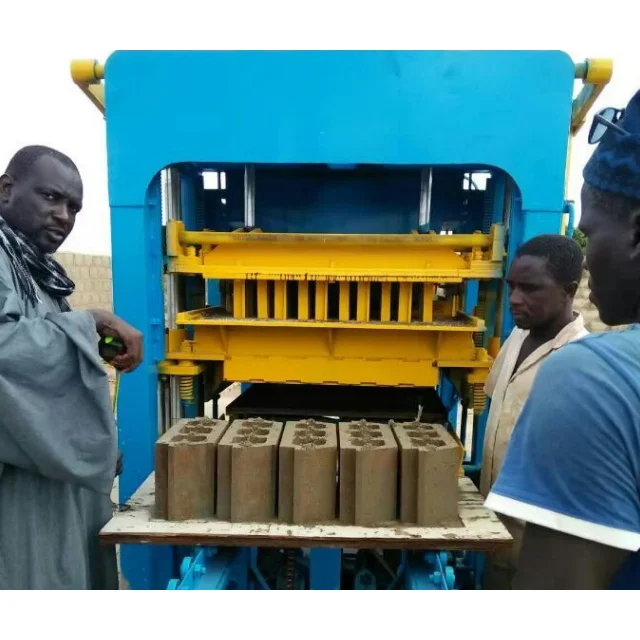
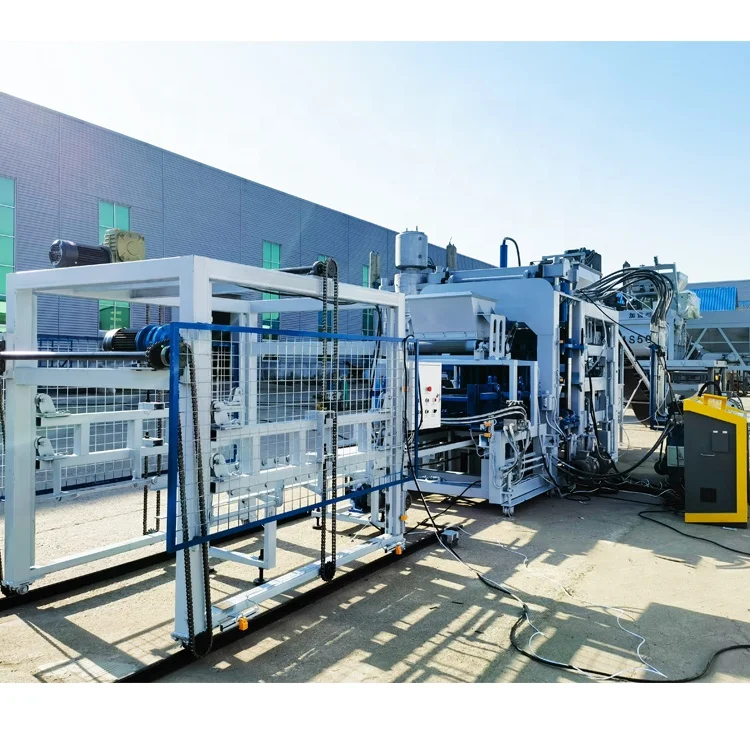
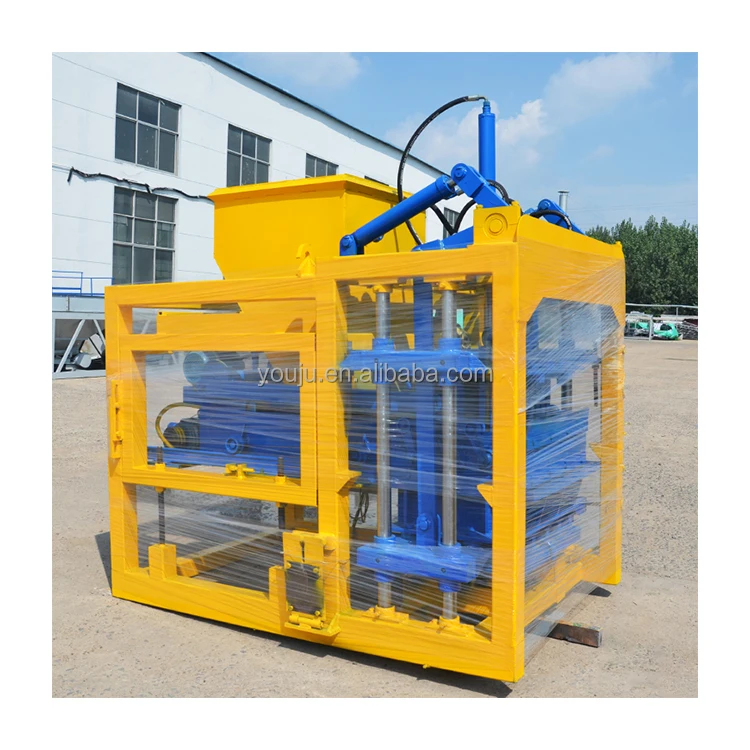
QT10-15 Automatic Block Making Machine — Fully Automatic Configuration For High-Volume Cement Block Production
The Shiyue QT10-15 is an automatic block making machine engineered for continuous, high-capacity production of hollow blocks, solid bricks, paving blocks, and interlocking blocks. Its PLC-controlled system, independent hydraulic station, and vertical vibration technology make it suitable for established block plants expanding output or new ventures entering large-scale concrete product manufacturing.
Technical Specifications
| Parameter |
Value |
| Model |
QT10-15 |
| Product Type |
Automatic Concrete Block Making Machine |
| Control System |
PLC control cabinet |
| Hydraulic System |
Independent integrated hydraulic station |
| Vibration Mode |
Vertical station mode resonance with automatic FM-AM |
| Mould Change |
Simple replacement of mould for multi-format production |
| Cycle Time (hollow block / solid brick) |
15–20 seconds |
| Cycle Time (paving block / interlocking block) |
20–25 seconds |
| Output Capacity (400×200×200mm hollow block) |
1,800–2,400 pcs/hour (basis: 10 pcs/mould, 15–20s cycle) |
| Output Capacity (400×150×200mm hollow block) |
2,160–2,880 pcs/hour (basis: 12 pcs/mould, 15–20s cycle) |
| Output Capacity (240×115×53mm solid brick) |
8,928–11,160 pcs/hour (basis: 62 pcs/mould, 15–20s cycle) |
| Output Capacity (200×100×60mm paving block) |
5,184–6,480 pcs/hour (basis: 27 pcs/mould, 20–25s cycle) |
| Output Capacity (225×112.5×60mm interlocking block) |
4,032–5,040 pcs/hour (basis: 24 pcs/mould, 20–25s cycle) |
| Automation Level |
Automatic |
| Warranty |
1 year for whole machine (excluding spare parts) |
| Voltage & Frequency |
Configurable (confirm with buyer before production) |
| Standards |
CE declaration where applicable |
Application Suitability
| Application |
Material or Output |
| Hollow block production |
Crushed stone, sand, cement, fly ash aggregates |
| Solid brick production |
Fine aggregate and cement mixtures |
| Paving block production |
High-density concrete with surface layer options |
| Interlocking block production |
Standard concrete mix for dry-cast forming |
| Multicellular brick production |
Lightweight or standard aggregate blends |
What "1,800 Pieces Per Hour" Leaves Out About Automatic Block Machine Capacity
Cycle rate means nothing without the block format and mould cavity count attached to it.
I remember a buyer who ordered an automatic block making machine based purely on a sample cycle rate quoted at a trade fair. Their local stone powder had too much clay content, so every block cracked under vibration pressure, and their real daily output was barely half the quoted figure. The issue was never the machine — it was the gap between laboratory conditions and the buyer’s actual raw material. That experience shaped how I now approach every QT10-15 conversation: we start with a material test before we discuss machine specs [NEED_CITE: impact of local aggregate composition on block forming quality]. When manufacturers quote output without stating which block format and mould cavity count that figure assumes, buyers end up with production lines that fall far short of expectation. The numbers above are tied to specific dimensions, mould counts, and cycle times — no ambiguity.

Positioning the QT10-15 Within the Full Machine Range
The QT10-15 represents the high-capacity tier within Shiyue’s automatic block machine lineup. For buyers surveying options — whether setting up a first plant or replacing an existing line — understanding where this model sits relative to semi-automatic and mobile alternatives is the first decision point. The automatic block making machine manufacturer offers output tiers that scale from small workshop volumes to fully integrated production lines, and the QT10-15 is positioned for operations targeting sustained daily volumes across multiple block formats.
Investment Level and Plant Footprint Considerations
Choosing the QT10-15 means committing to a plant footprint that accommodates not just the press itself but the full supporting line: raw material feeding, pallet circulation, curing racks, and block handling. Buyers comparing this tier against semi-automatic alternatives should weigh the labour reduction and consistency gains against the capital outlay and floor space required. In markets where construction demand is steady and format variety matters, the automatic block making machine justifies its investment through output stability and reduced operator dependency [NEED_CITE: labour cost comparison between automatic and semi-automatic block plants].
Vibration, Pressure, and the Density Equation
The QT10-15 uses vertical station mode resonance with automatic FM-AM vibration combined with an independent integrated hydraulic station. In block forming, vibration frequency and hydraulic pressure must be matched to the buyer’s specific mix design and local aggregate characteristics. Too much vibration with a lean mix causes segregation; too little with a stiff mix leaves voids. The automatic FM-AM system adjusts vibration parameters across formats, meaning the same machine can produce hollow blocks requiring moderate compaction and paving blocks demanding high density without manual recalibration. The independent hydraulic station is isolated from host vibration and dust, which extends component life in the demanding environment of a block plant.
The Cost of Skipping Configuration Alignment
When an automatic block making machine arrives configured for a mix the buyer cannot source locally, the result is either a costly material substitution or a machine that never reaches its rated performance. Similarly, if voltage, frequency, and PLC display language are not confirmed before production, commissioning delays compound quickly once the machine is on-site. I have seen plants sit idle for weeks because the control interface was in a language the operators could not read [NEED_CITE: PLC display language requirements for export machinery]. These are not machine defects — they are specification gaps that surface only after delivery. The QT10-15 configuration process addresses each of these variables before production begins.
Why Source This Automatic Block Machine Through Shiyue
Block machinery is our single focus, which means the machine, mould, pallet, and handling equipment are specified as one matched system rather than assembled from separate suppliers. Every QT10-15 configuration is set against the buyer’s actual mix design, local aggregate, and target block format — not pulled from a catalogue default. We design and supply moulds for the formats your market sells, including custom mould work from buyer drawings. The automation level is selectable, so operations can plan for future upgrades in pallet handling, stacking, and cubing as demand grows. Installation and commissioning support includes operator training so the plant reaches stable production without extended trial-and-error periods.
Documentation & Verification
- Line layout and capacity calculation stating the block format assumed for each output figure
- Machine specification sheet with voltage, frequency, and PLC display language confirmed before production
- Mould drawing and format list showing every block format the QT10-15 can produce
- Factory test record and packing photographs provided before shipment
- CE declaration documentation where applicable per export market requirements
Installation, Commissioning & Support
- Foundation planning based on QT10-15 overall dimensions and vibration isolation requirements
- Dedicated electrical circuit sized to the machine’s rated power and confirmed voltage specification
- Hydraulic station and PLC cabinet connected and tested during on-site commissioning
- Operator training covering mould change procedure, cycle parameter adjustment, and daily maintenance
- Wear parts and mould replacement schedule documented at installation with reorder lead times noted
- Mould change system demonstrated on-site to confirm format changeover within practical shift planning
Preparing Your Inquiry for the QT10-15
To move from initial interest to a firm configuration proposal, we need to understand your target block formats, daily output requirements, and the raw materials available at your site. Share your local aggregate type, cement grade, and any existing pallet or curing infrastructure so the line layout can be built around your actual conditions. Specify your local voltage, frequency, and preferred PLC display language so these are locked in before production begins.
Frequently Asked Questions
Q: How do I verify the QT10-15’s real daily output for the specific block format my market sells?
A: We provide a line layout and capacity calculation document that states the exact block format, mould cavity count, and cycle time behind each output figure. Request a material test against your local aggregate before finalizing the configuration, as mix composition directly affects achievable cycle speed and block quality.
Q: Where does the QT10-15 sit compared to semi-automatic and mobile machines in terms of investment and footprint?
A: The QT10-15 occupies the high-capacity automatic tier, requiring a larger plant footprint and higher initial investment than semi-automatic or mobile alternatives. It suits buyers with steady construction demand who need multi-format output at volumes that justify dedicated floor space and supporting infrastructure.
Q: Can I start with the QT10-15 at a basic automation level and upgrade later?
A: Yes. The automation level is selectable, and the machine platform supports future additions to pallet handling, stacking, and cubing systems. This lets buyers commission the press first and add automation stations as production volumes and labour conditions warrant.
Q: What voltage, frequency, and PLC display language options are available for the QT10-15?
A: Voltage and frequency are configurable to match your local power supply, and PLC display language is confirmed with you before production begins. These specifications are locked during the order confirmation stage to prevent commissioning delays after the machine arrives at your facility.
Q: Which moulds are included as standard, and can custom moulds be designed to my drawings?
A: Standard moulds cover hollow block, solid brick, paving block, and interlocking block formats listed in the specification sheet. Custom mould design from buyer drawings is available for formats specific to your regional market, and mould change on the QT10-15 uses a simple replacement system.

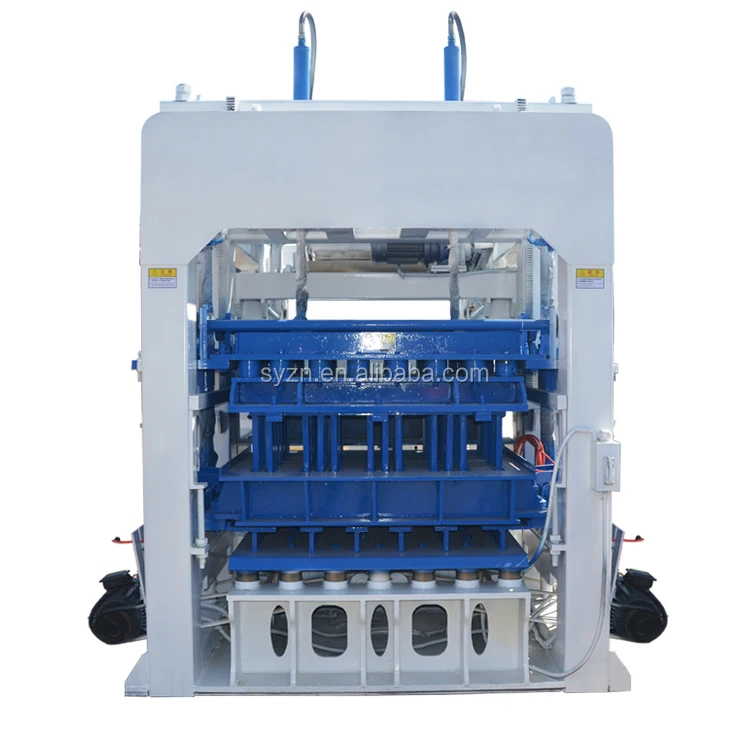
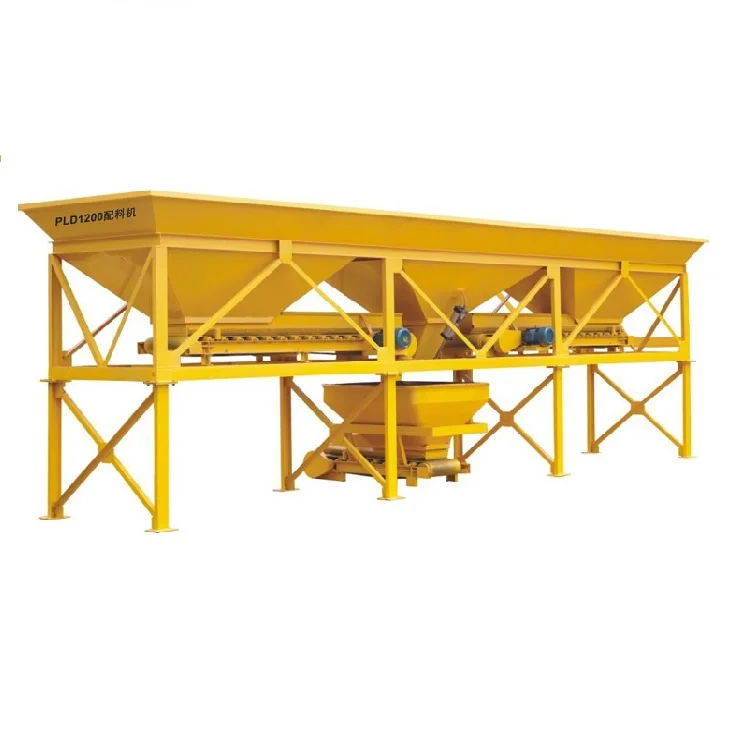 Automatic block machine