
 Mobile block machine
Home
Products
Mobile block machine
QMY4-30 Concrete Block Making Machine for Hollow Block – Full Range
 Mobile block machine
Concrete Machinery
QMY4-30 Concrete Block Making Machine for Hollow Block – Full Range
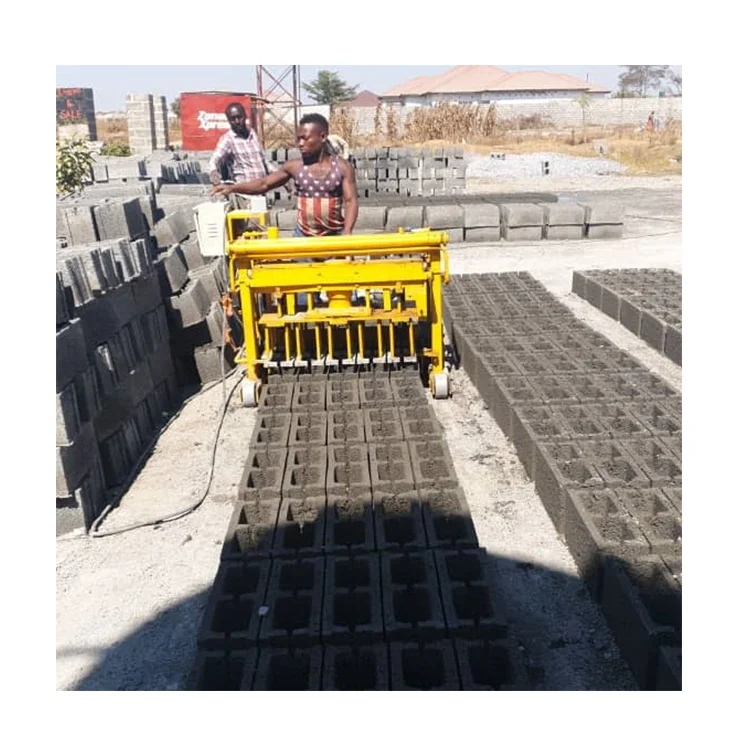
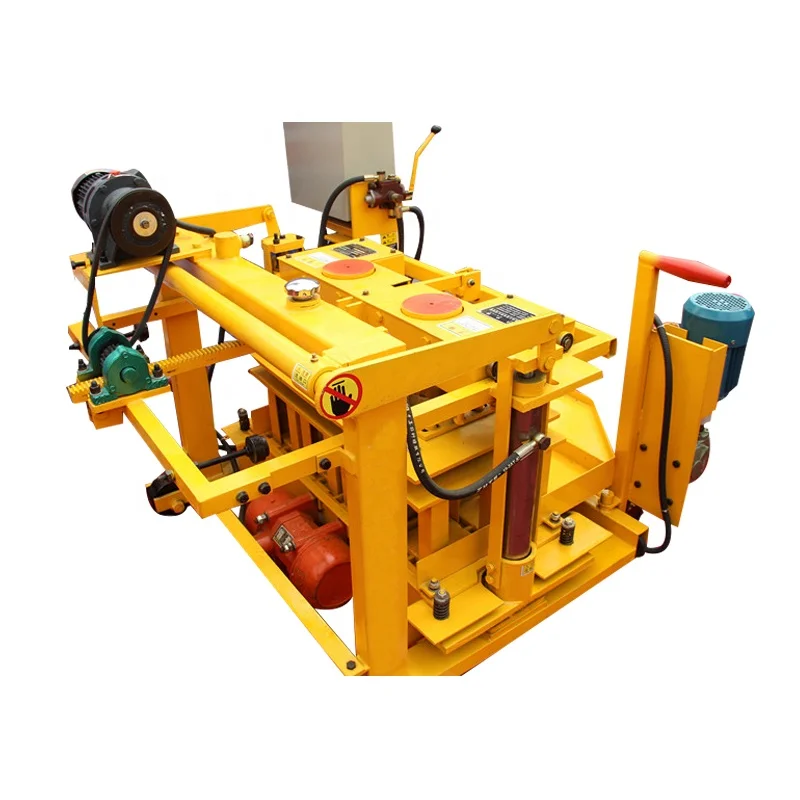
<p><strong>QMY4-30 Mobile Concrete Block Making Machine, 5.95 kW, 28.6 KN Mold Vibration</strong> — compact egg-layer design produces directly on the ground without pallets, removing fixed-plant infrastructure from your startup cost. Mold vibration at 4500 r/min and 30-second cycle deliver consistent compaction across hollow, solid, and paving formats. The QMY4-30 sits at the entry tier of our mobile block machine range, helping first-time buyers match investment level to realistic site output. Machine, mould, and pallet specified as one matched system against your target block format and local aggregate.</p>
CE Certified
European Standards
Ships 15-30 Days
Fast Delivery
108+ Countries
Global Export
After-Sales Support
Training Included
24h Response
Free Technical Consultation
Product Details
Matched System Design — The QMY4-30 mobile block machine, mould, and pallet specifications are configured together against your local aggregate and target block format, rather than assembled from a generic catalogue.
Technical Specifications
| Parameter | Value |
|---|---|
| Product Type | Mobile Concrete Block Making Machine |
| Model | QMY4-30 |
| Total Power | 5.95 kW |
| Hydraulic Method | Mold Vibration |
| Exciting Power | 28.6 KN |
| Excitation Frequency | 4500 r/min |
| Molding Cycle | 30 s |
| Daily Capacity | 3000 pcs/day (basis not stated in source — confirm block format / material / thickness) |
| Overall Dimensions (L×W×H) | 1300 x 1500 x 1000 mm |
| Net Weight | 950 – 1000 kgs |
| Raw Material Compatibility | Concrete, sand, cement, fly ash, lime, gypsum, stone dust, construction waste |
| Automation Level | Manual / Semi-automatic operation (handle control) |
| Transmission | Hydraulic and manual combined |
| Standards | CE (basis not stated in source — confirm declaration availability) |
Application Suitability
| Application | Material or Output |
|---|---|
| On-site mobile block production | Hollow and solid concrete blocks from local sand and cement without a fixed plant foundation |
| Remote or difficult terrain construction | Block manufacturing in mountainous, hilly, mining, and desert areas using available aggregate |
| Small-scale independent production | Paving and wall blocks for individual owners and rural contractors |
| Project-specific temporary plants | Housing and infrastructure project blocks produced directly on the ground |
Why the "3000 Pieces Per Day" Figure Is Not the Whole Story
Real daily output depends entirely on the specific block format, dimensions, and your local raw material mix.
When a mobile block machine manufacturer quotes a capacity figure, they are usually referring to a specific, often optimal, block size under controlled conditions. If the block format you actually need to sell in your local market is different, the cycle time and the number of blocks per mold will change the final number [NEED_CITE: capacity calculation standards for concrete block machinery]. Many buyers receive machines that cannot meet the promised output simply because the assumed block format was never confirmed before the order was placed.
Placing the Mobile Tier Within the Block Machine Range
The QMY4-30 sits at the entry point of the block machine range as a mobile egg-layer. This class of mobile block machine manufacturer equipment produces blocks directly on a concrete floor or flat ground, moving forward after each cycle and leaving the block to cure in place. This eliminates the need for pallets, a curing rack system, and a fixed factory building, which significantly lowers the initial capital investment and site preparation requirements.
Understanding the Investment and Footprint Trade-Off
Compared to semi-automatic and fully automatic stationary lines, the mobile tier requires a much smaller initial footprint and simpler infrastructure. The entire machine is compact, measuring 1300 × 1500 × 1000 mm and weighing under 1,000 kg, making it transportable to different locations as project needs change. However, the trade-off is a lower overall output ceiling and a higher degree of manual involvement in the material feeding and machine movement [NEED_CITE: comparative footprint analysis of mobile versus stationary block plants]. This tier is specifically suited for first-time buyers or contractors who need to produce blocks on a project site without building a permanent plant.
How Vibration and Hydraulic Force Shape Block Density
The 28.6 KN exciting force and 4500 r/min frequency generated by the mold vibration system are the primary factors determining the compaction and final strength of the concrete block. In a mobile egg-layer, this vibration must be precisely matched to the mix design and the local aggregate’s characteristics. If the vibration is too weak for a coarse aggregate mix, the block will be porous and weak; if too intense for a fine sand mix, it can cause segregation. The 30-second molding cycle allows the vibration to fully consolidate the material before the machine is moved to the next position.
The Hidden Cost of Ignoring Raw Material Compatibility
Configuring a machine for a mix design that the buyer cannot source locally is a frequent and costly error. A machine set up for a specific type of crushed stone or fly ash will produce poor-quality blocks if the local material has a different grading, shape, or clay content. This forces the buyer to either import expensive materials or spend considerable time and money adjusting the machine’s vibration parameters and finding a new mix recipe that works with the available local aggregate [NEED_CITE: impact of aggregate properties on concrete block strength].
Why Sourcing From a Focused Manufacturer Matters
- Single-Focus Configuration: The QMY4-30 is specified as a complete mobile system, ensuring the mold, vibration force, and cycle time are matched to your target block format and local material, not a generic default.
- Honest Capacity Statement: Every capacity figure is accompanied by the specific block format and dimensions it assumes, allowing you to calculate your actual daily output based on your market’s requirements.
- Mould Format Matching: Moulds are selected or designed for the formats your local market sells, with custom drawing options available to ensure the machine produces what you can actually sell.
- Automation Upgrade Path: Starting with this manual/semi-automatic mobile tier allows a buyer to establish a market presence and upgrade to a higher-capacity stationary line later without discarding the initial learning and market knowledge gained.
Documentation & Verification
- Line layout and capacity calculation document stating the specific block format and dimensions assumed for the output figure.
- Machine specification sheet confirming total power, exciting force, cycle time, and overall dimensions for site planning.
- Mould drawing and format list showing available hollow, solid, and paving block sizes, including custom design options.
- Voltage, frequency, and control language confirmation document finalized before shipment to prevent commissioning delays.
- Factory test record demonstrating block production using a mix design representative of the buyer’s local materials.
Installation, Commissioning & Support
- Site Preparation: The QMY4-30 requires only a flat, level concrete floor area for production, eliminating the need for a fixed foundation or specialized plant building.
- Power Connection: The 5.95 kW total power requirement must be matched to the local voltage and frequency, confirmed before dispatch to ensure immediate operation upon arrival.
- Initial Commissioning: On-site support includes setting the vibration frequency and cycle time based on the buyer’s actual raw material test batch.
- Operator Training: Training covers the manual handle operation, mold change procedure, and routine maintenance of the hydraulic and vibration components.
- Mould and Wear Parts: A complete wear parts list and mould inventory are provided to ensure replacements are available when the first change is due.
Information Needed to Configure Your Machine
To provide an accurate configuration and capacity calculation for the QMY4-30, please share the specific block formats and dimensions your local market requires, along with the target daily output. We also need details on your local raw materials, including the type and grading of aggregate, and the voltage and frequency of your electrical grid. This ensures the machine is matched to your actual production conditions from the start.
Frequently Asked Questions
Q: What block format does the 3,000 pcs/day capacity assume, and how does output change for different block sizes?
A: The quoted capacity is typically based on a standard hollow block format, but the exact dimensions must be confirmed. Output changes significantly with different block sizes because the number of blocks per mold and the required vibration time vary. We provide a capacity calculation document that states the exact block format and dimensions assumed, allowing you to determine the realistic daily output for your specific product range.
Q: What are the investment level, site footprint, and infrastructure requirements for the QMY4-30 compared to semi-automatic and automatic tiers?
A: The QMY4-30 mobile tier requires a significantly lower initial investment and minimal site preparation, needing only a flat concrete floor. It eliminates the cost of pallets, curing racks, and a factory building. Semi-automatic and automatic tiers require a larger fixed footprint, more complex infrastructure, and higher capital, but offer greater output and reduced manual labor. The choice depends on your starting capital and target production volume.
Q: Can I upgrade from the QMY4-30 mobile machine to a semi-automatic or automatic line later without replacing everything?
A: Yes, the QMY4-30 serves as an entry point. While the mobile machine itself is not upgraded into a stationary line, the market knowledge, mix design experience, and block sales channels you develop can be directly applied to a future stationary plant. We can configure a new semi-automatic or automatic line that builds on the specific block formats and production parameters you have already established.
Q: What voltage, frequency, and motor specifications are needed for my country’s electrical grid?
A: The QMY4-30’s total power is 5.95 kW, but the specific voltage and frequency must be configured for your local grid. This information must be confirmed before production to ensure the motors and control systems are compatible. We provide a voltage and control language confirmation document to prevent any commissioning delays when the machine arrives at your site.
Q: Which block formats and mould sizes are available, and can custom moulds be designed to my drawings?
A: The QMY4-30 can be equipped with moulds for various hollow block, solid block, and paving block formats. We supply standard sizes common in many markets and also offer custom mould design based on your specific drawings or market requirements. The mould drawing and format list are confirmed during the sales process to ensure the machine produces the exact formats you need to sell.
Get a Quote
Request Price for QMY4-30 Concrete Block Making Machine for Hollow Block – Full Range
Fill in your requirements and our export manager will respond within 24 hours with pricing, specs and a customized solution.
You May Also Like
Related Products
Mobile block machine
 Mobile block machine
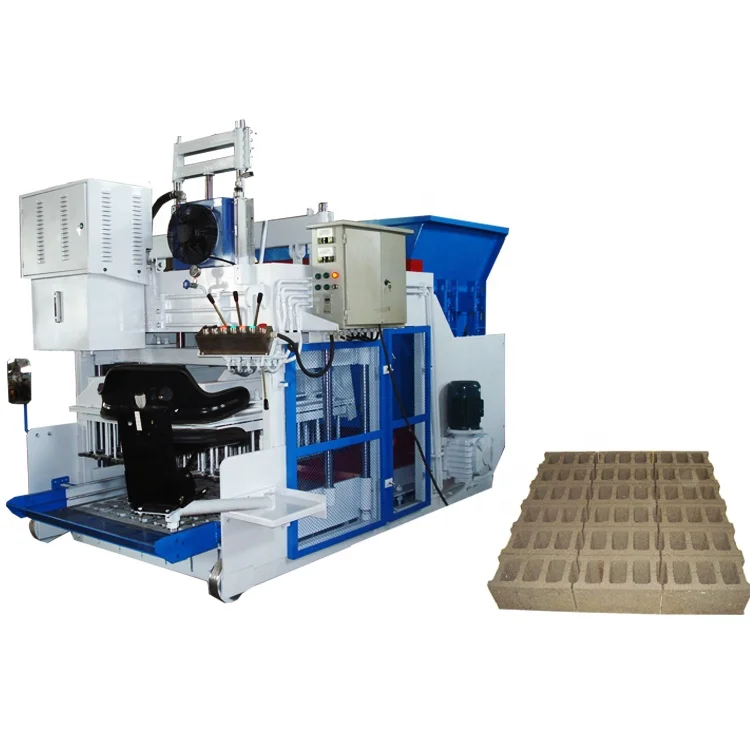
QMY18-15 Mobile Block Machine | Full Range Manufacturer
QMY18-15 Mobile Block Making Machine, 24 kW Hydraulic Press, PLC Control — pallet-free egg-laying design...
View Details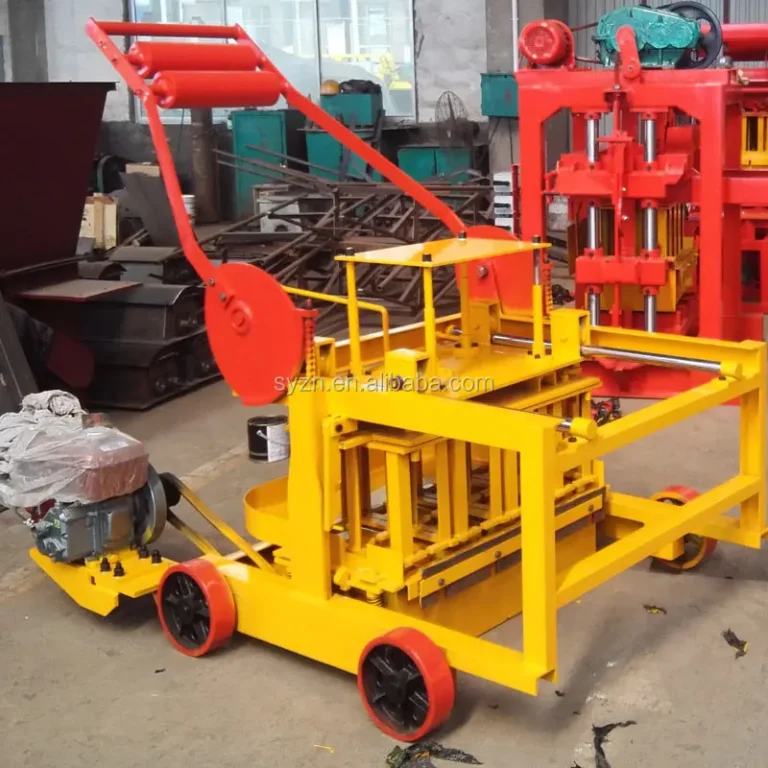 Mobile block machine
Factory Supply QMR4-45 Mobile Block Machine for Concrete Hollow Block
QMR4-45 Mobile Egg-laying Block Making Machine, 1100×950×2100 mm, 810 kg — a compact, wheel-mounted unit...
View Details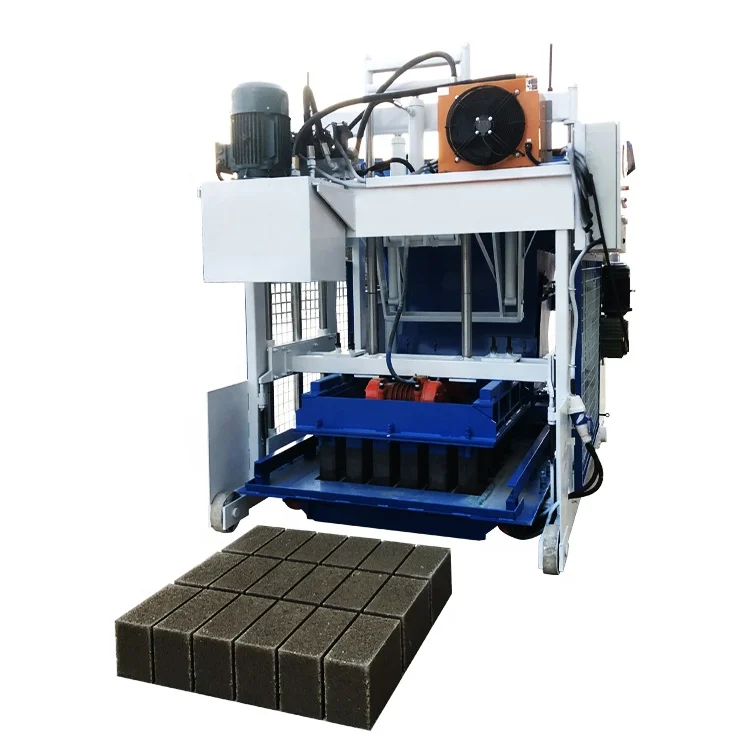 Mobile block machine
QMY18-15 Egg Laying Hollow Concrete Block Making Machine
Product Description odel numberQMY18-15 egg laying hollow concrete block making machinepower 24KWcapacity400x200x200mm make about 34000pcs per shift....
View Details
Established Manufacturer · Since 2005
Ready to Start Your Concrete Production Line?
Our 320+ engineers will design a customized solution for your local materials, voltage and site conditions. Get a free layout plan and ROI estimation within 24 hours.
108+ Countries Exported
46,000㎡ Factory
320+ Engineers
24h Response Guaranteed