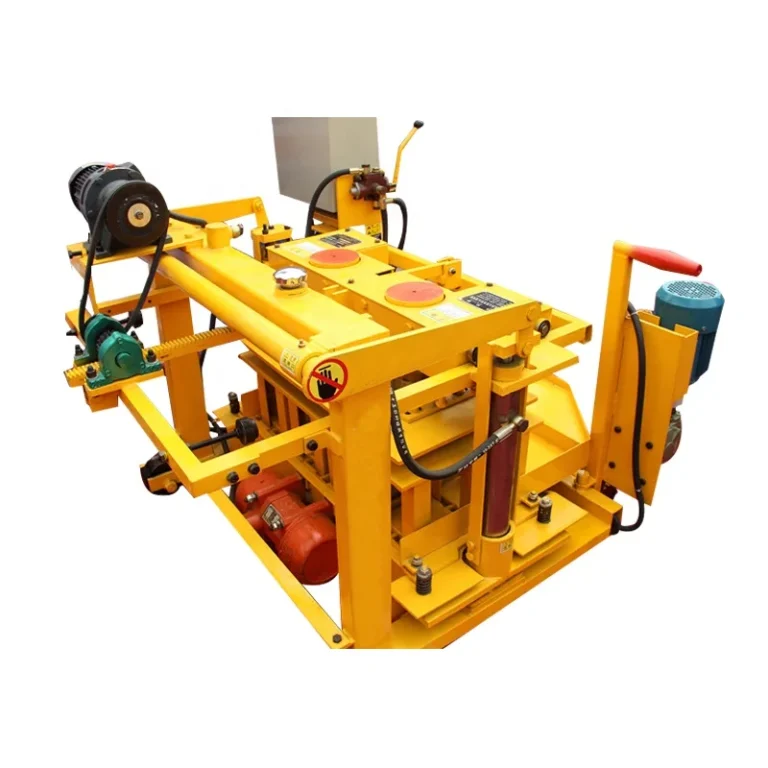
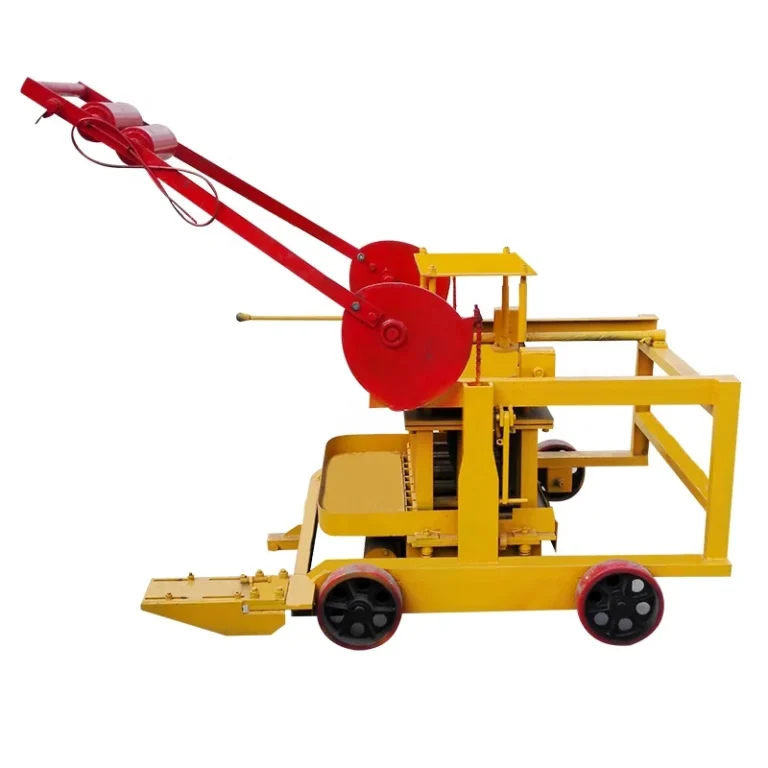
Single-Source Block Machinery Focus — every QMY10-15 mobile concrete block making machine is configured around your actual mix design and target block format before the order is confirmed.
Technical Specifications
| Parameter |
Value |
| Model |
QMY10-15 |
| Product Type |
Mobile Concrete Block Making Machine |
| Molding Capacity |
10 pcs/mold |
| Molding Cycle |
10s–15s |
| Total Power |
16 kW |
| Output Capacity |
11,000 pcs/day (8 hours) (basis not stated in source — confirm block format / material / thickness) |
| Vibration System |
Dual vibration motors |
| Hydraulic System |
Controls upper and lower demoulding |
| Movement |
Electric walking, hydraulic steering |
| Heat Dissipation |
Equipped with hydraulic oil heat dissipator |
| Pallet Requirement |
No pallets needed (egg-laying type) |
| Automation Level |
Semi-automatic with hydraulic and electric controls |
| Basic Equipment Included |
QMY10-15 Host Machine, JS7500 Concrete Mixer, Dump Truck |
| Optional Equipment |
PL1200 Batching Machine, Cement Silo, Screw Conveyor, Loader |
Application Suitability
| Application |
Material or Output |
| On-site hollow block production |
Crushed stone, sand, cement, water |
| Solid block manufacturing at project sites |
Local aggregate blends with cement binder |
| Interlocking block production for paving |
Graded aggregate with cement and pigment |
| Remote construction camp block supply |
Site-sourced raw materials with mobile batching |
| First block plant for entrepreneurs |
Standard concrete mix with locally available sand and gravel |
What "11,000 Pieces Per Day" Actually Means on a Mobile Block Machine Manufacturer Floor
The daily output number only matters once you know which block format it was measured on.
I have watched buyers receive a capacity figure and assume it applies to every mould they plan to run. A QMY10-15 egg-laying machine pressing 10 cavities per cycle in a 10-to-15-second range will deliver very different daily totals for a 400×200×200mm hollow block versus a smaller interlocking paver. Without the format assumption written into the quotation, the number is a starting point, not a promise [NEED_CITE: block format impact on mobile machine daily output]. Always ask the mobile block machine manufacturer to state the exact block dimensions, mix proportions, and curing cycle behind that figure before comparing it against a competing offer.

Where the QMY10-15 Fits in the Mobile Range
The QMY10-15 sits in the upper-mid tier of the mobile block machine range for buyers who need serious daily volume without a fixed plant. It produces blocks directly on the ground surface — no pallets, no curing racks, no conveyor lines. The electric walking and hydraulic steering system lets a single operator reposition the unit across a production yard between cycles. For a construction contractor working a housing project in phases, this mobility means the mobile concrete block making machine for sale moves with the work rather than waiting for materials to come to it.
Egg-Laying Design and What It Removes from Your Budget
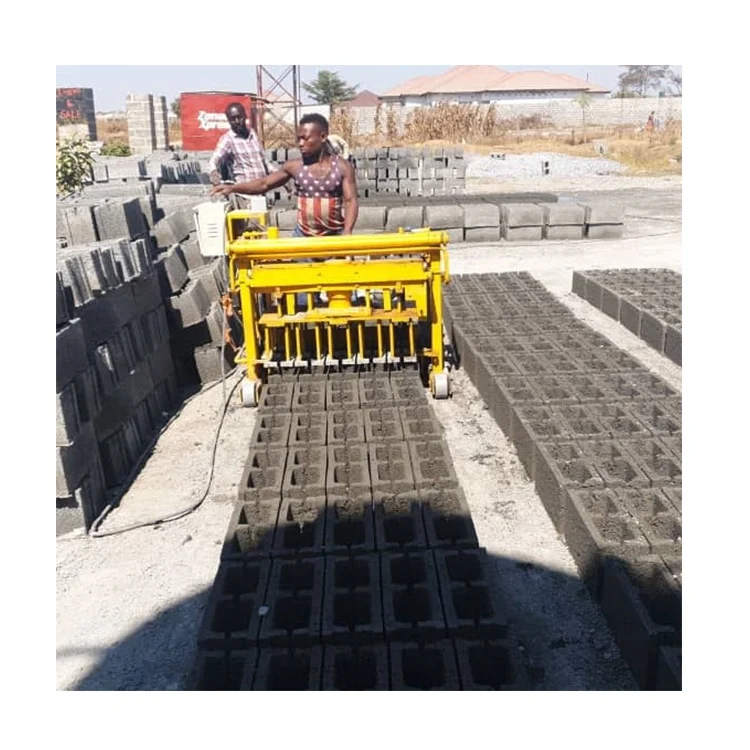
Every pallet your line consumes is a recurring cost — purchase, replacement, storage, and forklift handling. The QMY10-15 eliminates that entire category. Blocks are extruded directly onto a prepared ground bed and cured in place. This simplifies site logistics considerably, especially on remote project locations where pallet transport and storage space are limited. The trade-off is ground preparation: the surface must be level and firm enough to support wet concrete without settling [NEED_CITE: ground preparation standards for egg-laying block machines]. Budget for a compacted gravel or concrete floor rather than bare earth.
How Vibration, Hydraulics, and Cycle Time Interact
Dual vibration motors on the QMY10-15 work alongside the hydraulic demoulding system to compact the mix and release the formed block. The vibration force determines how tightly aggregate particles pack inside the mould cavity, while hydraulic pressure controls the head press that shapes the top face. When these two forces are mismatched to the buyer’s aggregate grading and cement content, blocks emerge with inconsistent density — strong in one batch, crumbly in the next. The 10-to-15-second molding cycle range reflects the variation across different block formats and mix consistencies. A drier mix with well-graded crushed stone typically allows faster cycles, while a wetter or finer-graded material may require longer vibration to achieve full compaction. The hydraulic oil heat dissipator keeps the system within operating temperature during continuous production in warm climates, preventing seal degradation and pressure loss over an eight-hour shift.
The Hidden Cost of Skipping Configuration Checks
Buyers who confirm only the model number and skip the configuration conversation often discover problems after the machine arrives. Voltage and frequency mismatches delay commissioning by weeks while a transformer or motor swap is arranged [NEED_CITE: voltage and frequency standards by export market]. A mould designed for one aggregate size may not produce clean edges with the buyer’s local sand grading, forcing an unplanned mould replacement. Control panel language left as factory default adds training time and operator error risk. These are not manufacturing defects — they are specification gaps that a thorough pre-order review prevents.
Why Source This Mobile Block Machine From Shiyue
Block machinery is our single product focus, which means the QMY10-15 host machine, JS7500 mixer, and any optional batching or cement silo stations are specified as a matched system rather than assembled from unrelated suppliers. We set the configuration against the buyer’s raw material test report and target block format, not a catalogue default. Mould design covers the formats the buyer’s local market actually sells, with custom drawings available when standard options do not fit. The automation level is selectable — start with the semi-automatic package and add a PL1200 batching machine or cement silo later as production scales. Installation and commissioning support includes on-site operator training so the crew understands cycle adjustment, mould change procedure, and daily maintenance before the first production run.
Documentation & Verification
- Capacity calculation sheet stating the block format and mix assumed for daily output
- Machine specification with confirmed voltage, frequency, and control language
- Mould drawing and format list matching your target market products
- Factory test record on your specified block format before dispatch
- Operation and maintenance manual in the operator’s working language
- Hydraulic and electrical schematic for local service technicians
Installation, Commissioning & Support
- Prepared ground bed must be level and compacted to support wet block weight without settling
- 16 kW total power requires a dedicated three-phase circuit with correct voltage and frequency
- Host machine arrives assembled; JS7500 mixer and dump truck require separate positioning
- First-run cycle tuning adjusts vibration duration and hydraulic pressure to your local mix
- Operator training covers mould change, demoulding timing, and ground surface maintenance
- Hydraulic oil heat dissipator inspection included in daily pre-shift checklist
- Wear parts and mould replacement inventory recommended for first twelve months of operation
What to Share Before Requesting a Quotation
Tell us the block formats your market sells — dimensions, wall thickness, and whether hollow, solid, or interlocking. Share a raw material test report showing aggregate grading and cement type available locally. Confirm your site voltage and frequency, the control panel language your operators need, and the daily output target you are planning around. If you already own a mixer or loader, let us know the model so the optional PL1200 batching machine and cement silo can be sized to match.
Frequently Asked Questions
Q: What block format is the 11,000 pcs/day capacity based on, and how does output change for different sizes?
A: That figure requires confirmation of the specific block format, mix design, and material thickness assumed during testing. A larger hollow block will yield fewer pieces per day than a smaller solid paver because the mould cavity count and compaction time differ. Request a capacity table listing output per format before placing your order.
Q: What voltage and frequency options are available for different export markets?
A: Voltage and frequency are configured to match the buyer’s local supply before production begins. Common ranges include 220V, 380V, and 440V at 50Hz or 60Hz. Confirm your site supply details early so the correct motor and control components are installed at the factory rather than swapped after arrival.
Q: How long does mould change take, and what formats can the QMY10-15 produce?
A: Mould change involves releasing the current mould from the hydraulic clamping system and installing the replacement. The formats available depend on the moulds ordered — hollow block, solid block, and interlocking block are standard options. Custom mould drawings can be produced to buyer specifications for formats not in the standard range.
Q: What is included in the basic equipment package, and what optional stations are recommended?
A: The basic package includes the QMY10-15 host machine, a JS7500 concrete mixer, and a dump truck for material transport. Optional additions include a PL1200 batching machine for proportional material feeding, a cement silo with screw conveyor for bulk cement storage, and a loader for aggregate handling.
Q: How does the no-pallet egg-laying system work, and what ground conditions are required?
A: The machine extrudes blocks directly onto a prepared ground surface and moves forward after each cycle, leaving blocks to cure in place. The ground must be level, firm, and compacted — typically a gravel base or concrete slab — to prevent block deformation during the initial setting period.

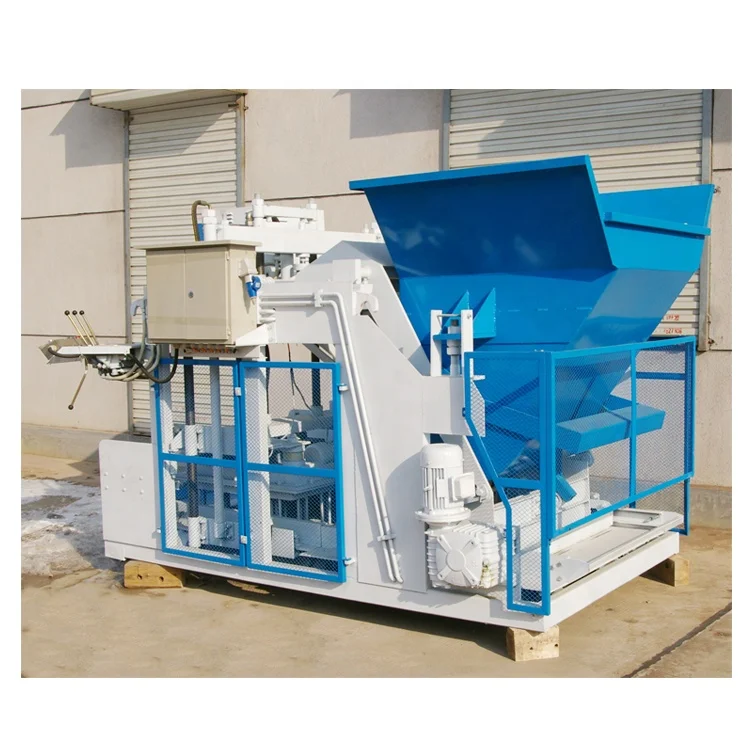
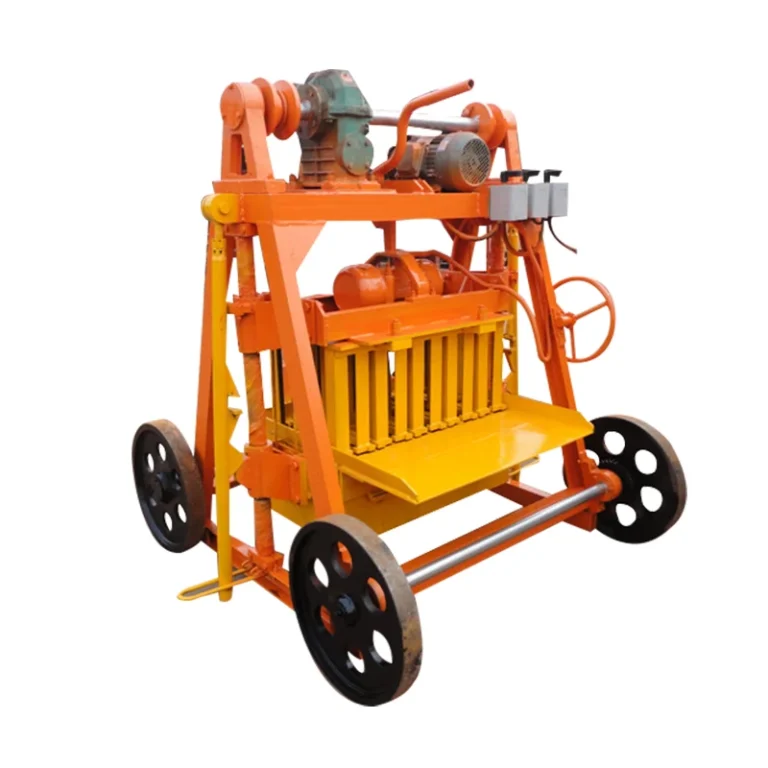 Mobile block machine