Manual operation matched to your site — The ECO2700 is specified against your actual block format and local clay or soil, not a catalogue default, so the 240 pieces per hour figure holds up on your first production day.
Technical Specifications
| Parameter |
Value |
| Model |
ECO2700 |
| Product Type |
Manual Interlocking Brick Machine |
| Forming Method |
Hydraulic press |
| Forming Cycle |
10–15 s |
| Output Capacity |
3,000–4,000 blocks per day (basis not stated in source — confirm block format / material / thickness) |
| Productivity Example 1 |
2,400 pcs/day based on 250×125×100 mm interlock block, 1 pcs/mold, 240 pcs/hour |
| Productivity Example 2 |
2,400 pcs/day based on 300×150×100 mm interlock block, 1 pcs/mold, 240 pcs/hour |
| Power Source |
Electric motor |
| Control System |
Manual operation |
| Automation Level |
Manual |
| Stacking Method |
Manual |
| Raw Material |
Clay, soil, cement or other construction dregs |
| Products |
Interlock blocks, pavers |
| Moulds |
Customizable to customer requirement |
| Operating Staff |
1–2 workers |
| Overall Dimensions (L×W×H) |
1,600×1,300×2,400 mm |
| Net Weight |
900 kg |
| Key Features |
Easy operation, hydraulic press, easy transportation |
Application Suitability
| Application |
Material or Output |
| Small-scale interlock brick production |
Clay, soil blended with cement |
| On-site housing project block making |
Construction dregs and local aggregate |
| First block plant for entrepreneurs |
Interlock blocks and pavers from locally sourced soil |
| Contractor self-supply for development sites |
Pavers and interlocking bricks from site-available material |
What "3,000 Blocks per Day" Actually Means for a Manual Interlocking Brick Machine for Sale
Output figures only hold when the block format and mix are stated up front.
A capacity headline without a format assumption is where most buyers get caught. I have watched a manual interlocking brick machine for sale promise a daily total that assumed the smallest paver in the mould catalogue, only for the buyer to run a 300×150×100 mm interlock and see the real count drop well below expectation. The ECO2700 is no different: the 3,000–4,000 figure in the brochure must be matched to the exact block you intend to sell. [NEED_CITE: block output calculation methods by format and cycle time]

Where the ECO2700 Sits in the Full Block Machine Range
The ECO2700 occupies the entry tier of our complete block machine range. It is designed for buyers surveying their options before deciding whether a manual, semi-automatic, or automatic line fits their investment and site footprint. At 900 kg and 1,600×1,300×2,400 mm, it deploys quickly on a project site or in a small workshop, keeping initial capital outlay contained while you validate local market demand for interlock blocks and pavers.
Understanding the Entry Tier Before You Scale Up
Starting with a manual interlocking brick machine for sale like the ECO2700 lets you confirm block quality and market traction before committing to higher automation. The hydraulic press and 10–15 second forming cycle produce consistent units, but pallet feeding, stacking, and curing all remain manual at this tier. Buyers who later move to semi-automatic or automatic stations typically do so once daily volume justifies the added pallet handling and stacking equipment. [NEED_CITE: typical block plant upgrade paths from manual to automatic]
Hydraulic Pressure, Cycle Time, and What They Mean on the Floor
The hydraulic press is the core forming mechanism of the ECO2700. Unlike pure vibration systems, hydraulic pressure compacts the clay-soil-cement mix into the mould cavity under direct force, which matters when your local aggregate has high clay content and needs firm consolidation to hold interlock geometry. The 10–15 second forming cycle sets the rhythm: one mould of interlock blocks every cycle, with manual pallet exchange between cycles. Operating staff of 1–2 workers covers both feeding and pallet handling. The mould is customizable, so you can order the specific interlock and paver formats your local construction market demands rather than accepting a stock profile. Pallet size is not stated in the source data, so confirm your curing rack dimensions and forklift capacity before ordering — a mismatch here means pallets that cannot be stacked or moved with your existing equipment.
The Cost of Skipping the Format Conversation
When a buyer orders based on a headline number and skips confirming the block format, the consequence is not a small shortfall — it is a daily output gap that compounds across every production week. Pallets ordered without checking curing rack spacing force manual restacking. Moulds specified without local market input leave you producing a block format that distributors do not stock. [NEED_CITE: common specification mismatches in block machine procurement]
Why Source the ECO2700 Through This Range
Block machinery is the single focus here, so the ECO2700 is specified as part of a matched system — machine, mould, pallet, and handling — rather than assembled from separate suppliers. Configuration is set against your actual mix design and local aggregate, not a catalogue default. Mould design covers the interlock and paver formats your market sells, including custom drawings to your profile. The automation level is selectable across the range, so starting manual and upgrading later keeps your path open. Installation support and operator training are included so your first production run is not a trial-and-error exercise.
Documentation & Verification
- Line layout and capacity calculation stating the block format assumed for the ECO2700
- Machine specification sheet with hydraulic pressure and forming cycle per mould
- Mould drawing and format list showing supported interlock and paver profiles
- Voltage and control language confirmation documented before shipment
- Factory test record on your specified block format before dispatch
- Operation and maintenance manual with wear parts and mould list
Installation, Commissioning & Support
- Confirm power supply voltage and frequency at your site before the ECO2700 ships to avoid motor rewinding delays
- Prepare a level concrete pad matching the 1,600×1,300 mm footprint for stable hydraulic press operation
- Machine arrives assembled; verify ceiling height against the 2,400 mm overall height before positioning
- First-day commissioning includes hydraulic pressure setting matched to your clay-soil-cement mix
- Operator training covers mould change procedure and manual pallet handling workflow
- Wear parts list and mould maintenance schedule provided at handover
Before You Send the Inquiry
To size the ECO2700 correctly within the full range, share your target interlock or paver format with dimensions, the clay or soil type available locally, and your intended daily production volume. Include your site voltage and frequency so the electric motor can be matched before production begins. If you already operate curing racks or forklifts, send those dimensions so pallet size and handling can be confirmed as part of the package.
Frequently Asked Questions
Q: How is the ECO2700’s daily output verified and which block format does each figure assume?
A: The 2,400 pieces per day figure is verified based on either a 250×125×100 mm or 300×150×100 mm interlock block at 1 piece per mould and 240 pieces per hour. The general 3,000–4,000 range requires format confirmation. Always match the capacity calculation to the exact block format your market demands before finalizing your order.
Q: Where does this manual machine sit compared to semi-automatic and automatic tiers?
A: The ECO2700 is the entry tier, keeping investment and plant footprint minimal with manual pallet handling and stacking. Semi-automatic tiers add powered pallet feeding, while automatic tiers include stacking and cubing. The range lets you start here and add automation stations as daily volume justifies the capital step.
Q: Can the mould be customized to my local market’s interlock and paver formats?
A: Yes, moulds are customizable to your requirement. You provide the block profile drawing or dimensions, and the mould is designed and manufactured to match. This ensures you produce the exact interlock and paver formats your local distributors and contractors specify rather than adapting to a stock catalogue profile.
Q: What voltage and power supply does the ECO2700 require?
A: Voltage and frequency are configurable but must be confirmed before production. Share your site supply specifications — such as 380V/50Hz or 440V/60Hz — during the inquiry stage so the electric motor and wiring match your local grid. Late confirmation can delay commissioning after the machine arrives at your site.
Q: What is the upgrade path from the ECO2700 to a semi-automatic or automatic line?
A: The full range includes semi-automatic and automatic tiers with powered pallet feeding, stacking, and cubing stations. Upgrading typically involves adding these stations around the press while retaining the hydraulic forming core. Your production volume and labour cost determine when the upgrade pays for itself in throughput consistency.

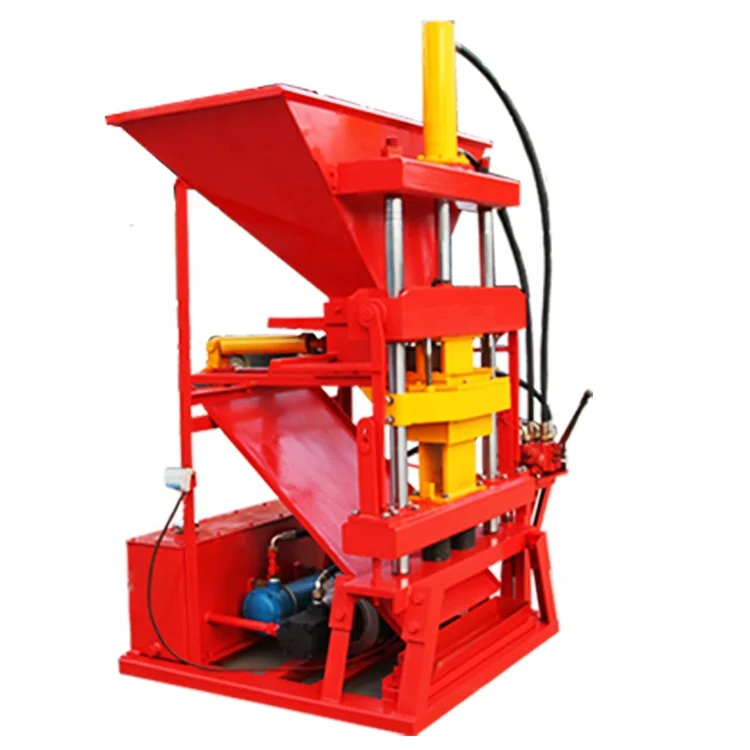
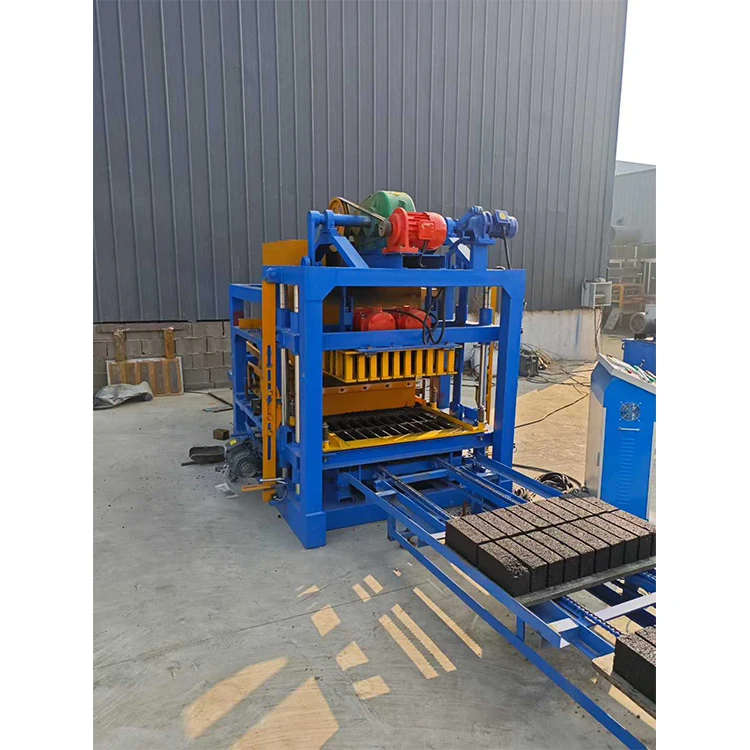 Automatic block machine