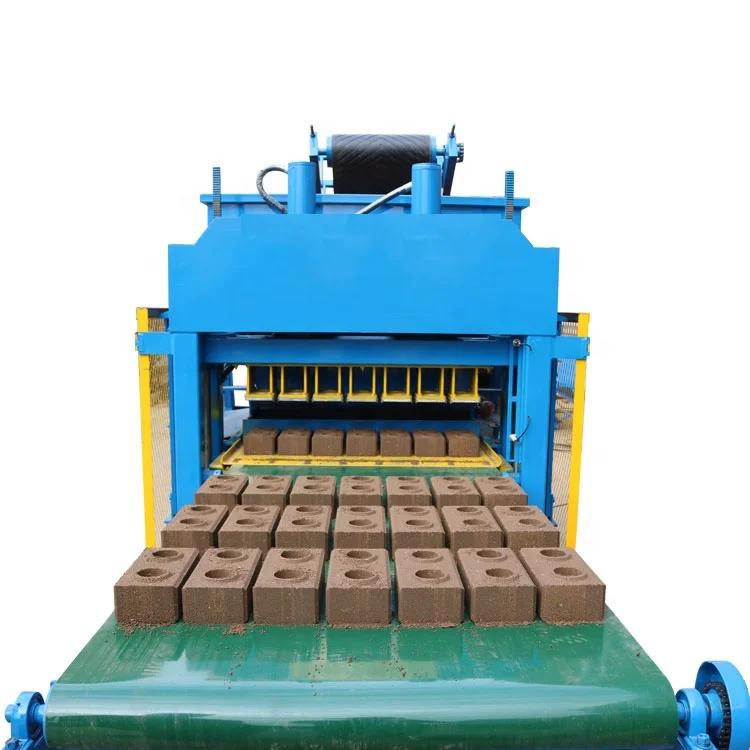
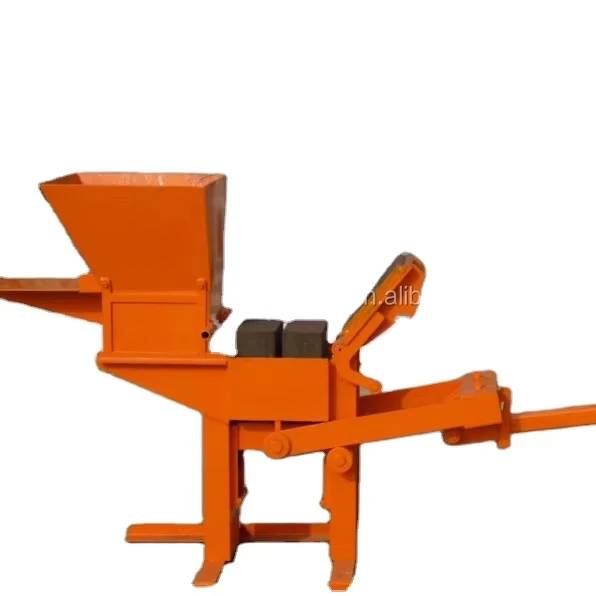
Configuration Matched to Buyer Output — the ECO BRB compressed earth block machine is specified against your target block format and local material, so daily output figures reflect what you will actually produce on site.
Technical Specifications
| Parameter |
Value |
| Model |
ECO BRB |
| Product Type |
Compressed Earth Block Machine |
| Overall Dimension |
1490 × 980 × 1970 mm |
| Pressure System |
Hydraulic |
| Pallet Requirement |
No pallets required |
| Molding Cycle |
15–20 s |
| Overall Power |
4.5 kW |
| Total Mass |
850 kg |
| Raw Material |
Cement or clay |
| Daily Capacity |
About 3800 pcs/shift (basis not stated in source — confirm block format, material and thickness) |
| Warranty |
1 year (without spare parts) |
| Payment Terms |
30% deposit by T/T, 70% balance before delivery |
Application Suitability
| Application |
Material or Output |
| Interlocking brick production |
Clay or cement-based mix for wall construction |
| Paving block production |
Cement-bound aggregate for walkways and light-duty surfaces |
| Solid block production |
Compressed earth or cement mix for load-bearing and partition walls |
What "3800 Pieces per Shift" Leaves Out for a Compressed Earth Block Machine
Capacity means nothing until the block format is named.
I have stood on site watching a crew count bricks at the end of a shift and come up well short of the quoted figure. The reason is almost always the same: the capacity number on the quotation assumed a small, thin interlocking format, while the buyer intended to run a larger, thicker block that takes longer to press and cure. A compressed earth block machine manufacturer quoting output without stating the exact format is quoting a number that cannot be verified until production starts [NEED_CITE: block format assumptions in capacity quotations]. That gap between expectation and reality is where project schedules break down.

Where the ECO BRB Sits in the Full Machine Range
The ECO BRB occupies the entry-level, no-pallet tier of the range, aimed at buyers who need interlocking brick output without investing in a full pallet-handling line. Its compact footprint and 4.5 kW power draw mean it can run on a standard workshop supply without a dedicated transformer, which matters for first-time plant setups and remote project sites. Because it eliminates pallets entirely, the operator handles freshly pressed blocks directly to the curing area, keeping the supporting equipment list short.
Matching the Machine Tier to Your Project Timeline
Buyers working to a construction deadline need to know whether a mobile, semi-automatic, or fully automatic tier fits the remaining schedule. The ECO BRB is positioned for contractors who want blocks on site now rather than waiting for a larger plant to arrive and be commissioned. Its hydraulic pressure system and 15–20 s molding cycle deliver consistent interlocking brick density at a pace that suits small-to-medium daily targets [NEED_CITE: typical output tiers for compressed earth block machines]. For higher volumes, the range steps up to pallet-based automatic lines with integrated stacking.
Reading the Specifications Against Your Block Format
Hydraulic pressure and molding cycle together determine how densely the earth or cement mix is compacted, which directly affects block strength and water absorption. The 15–20 s cycle is achievable on thinner interlocking formats; a thicker solid block may push the cycle toward the upper end or beyond it. The 4.5 kW overall power is low enough for single-phase or small three-phase supplies, but the voltage and frequency must match the local grid exactly — a mismatch that I have seen delay commissioning by weeks on African project sites [NEED_CITE: voltage and frequency standards by export market]. The no-pallet design removes one handling stage but places the curing logistics squarely on the buyer, so the curing area layout must be planned before the machine arrives.
The Hidden Cost of Skipping Voltage Confirmation
A machine that arrives with the wrong voltage rating sits idle until a transformer is sourced or the motor is rewound, and the construction crew downstream has no blocks to lay. This is not a theoretical problem: I once watched a Kenya site wait three weeks for power because the voltage and PLC language were never confirmed before shipment. Every day of idle time on a compressed earth block machine costs the contractor in crew wages, equipment rental, and project penalty clauses [NEED_CITE: common causes of commissioning delays on exported block machinery]. Confirming voltage, frequency, and control language before production starts is a single conversation that prevents a multi-week standstill.
Why Source the ECO BRB Through This Range
Block machinery is the single focus here, so the ECO BRB is not bundled with unrelated equipment from separate suppliers. The configuration is set against the buyer’s actual mix design and local aggregate rather than a catalogue default, and mould options are matched to the interlocking brick dimensions that sell in the buyer’s market. Automation level is selectable across the range, so a buyer can start with this no-pallet unit and move to a pallet-based automatic line later without changing suppliers. Installation support includes operator training, and mould and wear parts are documented from day one so the first replacement does not become a sourcing crisis.
Documentation & Verification
- Line layout and capacity calculation stating the exact block format assumed for daily output
- Machine specification sheet with hydraulic pressure ratings matched to your target block strength
- Mould drawing and format list confirming interlocking brick dimensions and lock profile
- Voltage, frequency, and PLC display language confirmation sheet signed before production
- Factory test record showing cycle times on your specified raw material mix
- Operation and maintenance manual with wear parts list and mould replacement procedure
Installation, Commissioning & Support
- Foundation pad must be level and cured to support the 850 kg mass without settlement during pressing
- Dedicated circuit rated for 4.5 kW with correct voltage and frequency verified before energizing
- Machine ships as a single compact unit; no major dismantling required for container loading
- First-run parameter setting includes hydraulic pressure adjustment to match your clay or cement mix
- Operator training covers mold change procedure, cycle timing, and block ejection handling
- Wear parts list provided at delivery so hydraulic seals and mold liners can be reordered on schedule
What to Include in Your Inquiry
Provide the exact interlocking brick dimensions you intend to produce, including length, width, and height, along with the clay or cement mix design available locally. Confirm the site voltage, phase, and frequency, and state the language required for the PLC display if applicable. Indicate your target daily output and the curing area space you have available, so the no-pallet handling workflow can be planned around realistic block movement distances.
Frequently Asked Questions
Q: How is the 3800 pcs/shift capacity calculated and for which block format?
A: That figure is quoted by the source without stating the block format, material, or thickness assumed. Until the exact interlocking brick dimensions and mix design are confirmed, treat it as a reference point rather than a guaranteed output. We provide a capacity calculation tied to your specific format before the order is finalized.
Q: What interlocking brick dimensions can the ECO BRB produce?
A: The machine accepts custom moulds designed to the buyer’s required dimensions and lock profile. Standard interlocking brick formats common in the target market can be supplied, and non-standard sizes are produced from buyer drawings. Confirm the exact dimensions during inquiry so the mould and cycle time can be matched.
Q: How does the no-pallet system work during curing?
A: Freshly pressed blocks are moved directly from the machine to the curing area by hand or with a simple cart, eliminating the need for pallet investment and pallet return logistics. This requires a curing space located close to the machine and a crew sized to handle block movement within the molding cycle.
Q: What voltage and PLC language options are available?
A: Voltage and frequency are configured to the buyer’s local grid specification before production. PLC display language is confirmed at the same stage. Providing these details during inquiry prevents commissioning delays on arrival.
Q: What raw material mix works best with this machine?
A: The ECO BRB runs on cement or clay-based mixes. The hydraulic pressure must be matched to the specific aggregate and binder available locally to achieve target block strength. A mix design review is part of the configuration process before the machine is built.

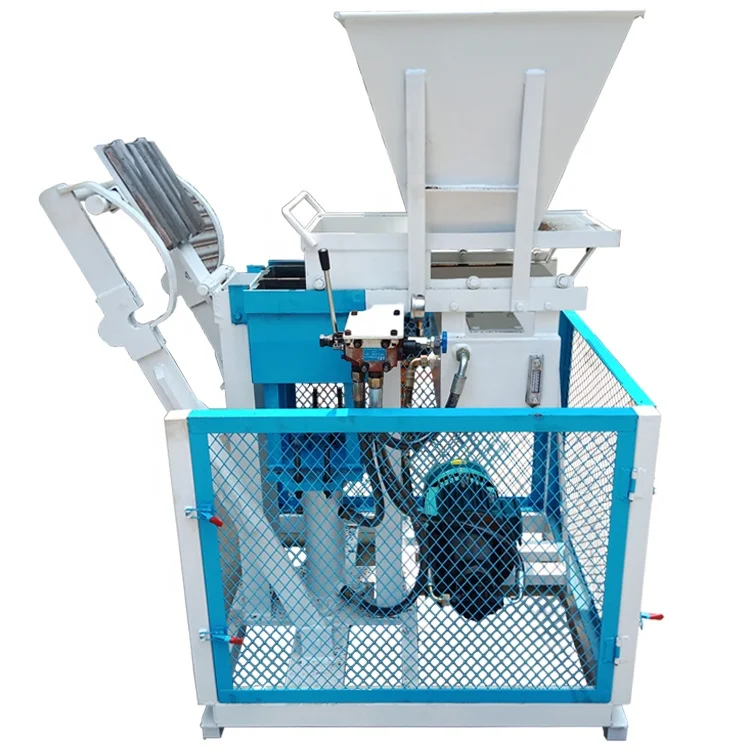 Clay interlocking brick