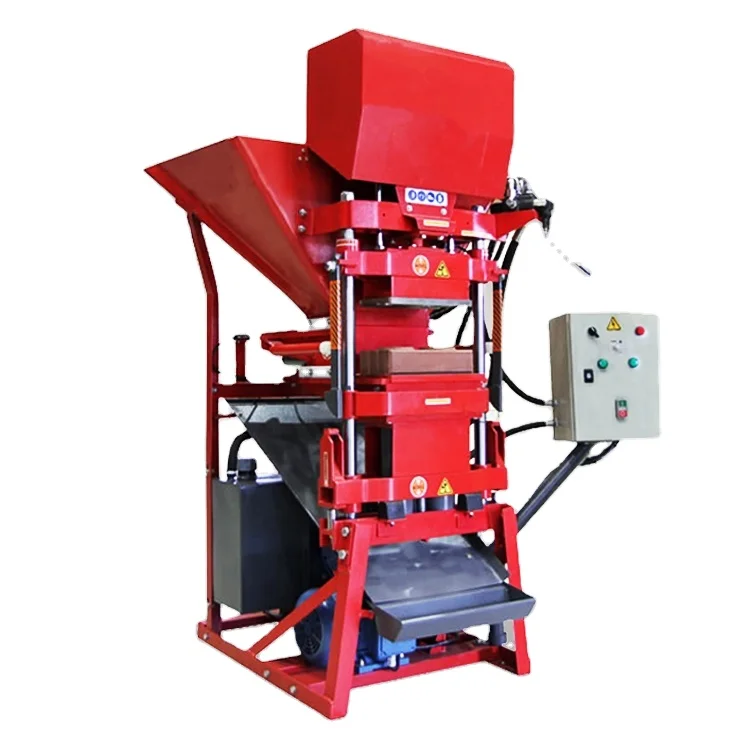
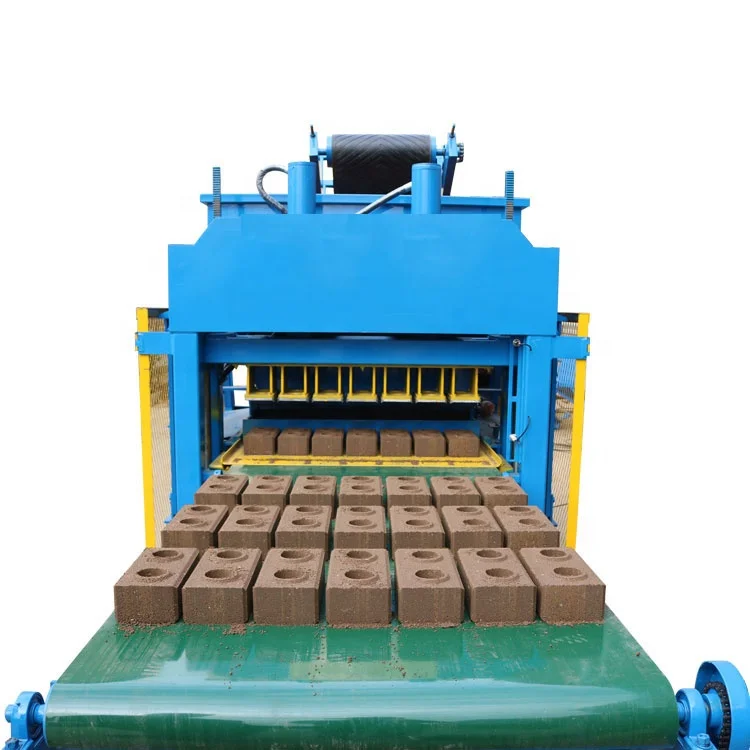
Matched system specification — The ECO 2700 clay interlocking brick machine, mould and power unit are sourced as one coordinated set rather than separate components, so hydraulic pressure, cycle timing and brick format align from day one.
Technical Specifications
| Parameter |
Value |
| Model |
ECO 2700 |
| Product Type |
Clay Interlocking Brick Making Machine |
| Rated Power |
7.5 kW electric motor or 12 hp diesel engine |
| Control System |
Automatic hydraulic pressing cycle |
| Overall Dimensions |
1600 × 1300 × 2330 mm |
| Net Weight |
900 kg |
| Hydraulic Pressure |
16 MPa |
| Molding Cycle |
10 seconds |
| Output Capacity |
2,800 pcs / 8 hours based on 300×150×100 mm or 250×125×75 mm interlocking clay brick, 1 pc per mould |
| Productivity Rate |
350 pcs / hour based on 300×150×100 mm or 250×125×75 mm interlocking clay brick |
| Mould Format |
300×150×100 mm / 250×125×75 mm interchangeable |
| Raw Materials |
Clay, soil, earth, mud, concrete, sand, cement, fly ash |
| Water Consumption |
4 T per day |
| Workers Required |
3–4 |
| Workshop Area |
150 m² |
| Power Option |
Electric motor or diesel engine selectable |
| Automation Level |
Automatic material feeding, mould pressing and mould lifting |
| Certification |
CE (basis to be confirmed) |
Application Suitability
| Application |
Material or Output |
| On-site housing project brick production |
Local clay and soil mixed with cement for interlocking wall bricks |
| First plant for interlocking brick entrepreneurs |
Soil-cement bricks at small to mid-range daily volume |
| Existing block producers adding clay formats |
Interlocking clay brick and earth block alongside current concrete output |
| Rural and peri-urban construction |
Mud and fly ash interlocking bricks where grid power is unavailable, using diesel option |
What "350 Pieces per Hour" Actually Means on Site
Every output figure stated here is tied to a specific brick dimension and moulding cycle — no generic throughput claims.
When a clay interlocking brick machine manufacturer quotes capacity without naming the brick format behind that number, daily production almost always disappoints. The ECO 2700 is rated at 350 pcs per hour based on either a 300×150×100 mm or 250×125×75 mm interlocking brick with one piece per mould and a 10-second cycle. Switch to a larger format or a denser mix and that cycle stretches. I have watched contractors in West Africa plan entire wall schedules around a headline number, only to discover the quoted rate assumed a smaller brick they never intended to sell [NEED_CITE: common capacity misalignment in block machinery quotations]. Stating the format up front keeps your site planning honest.

Where the ECO 2700 Sits Across the Full Machine Range
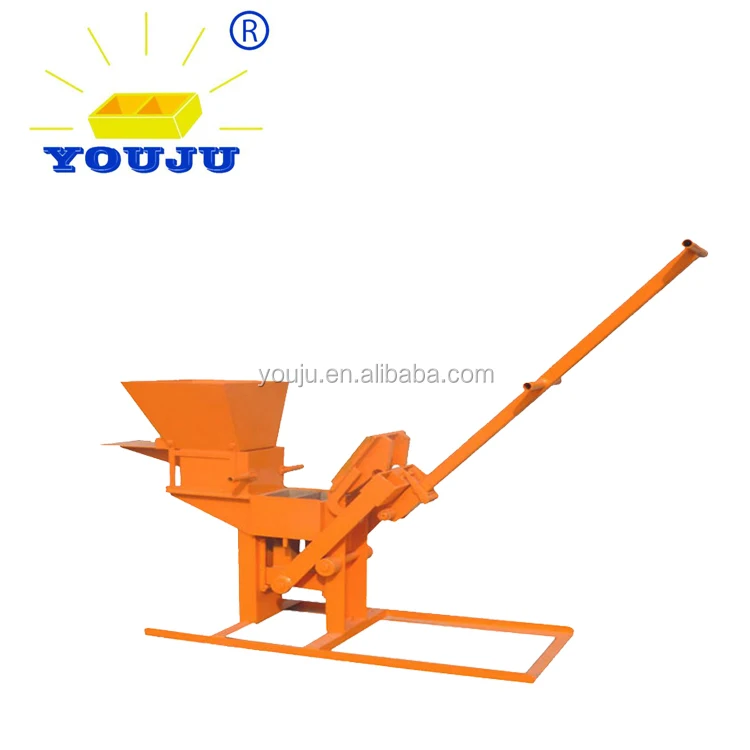
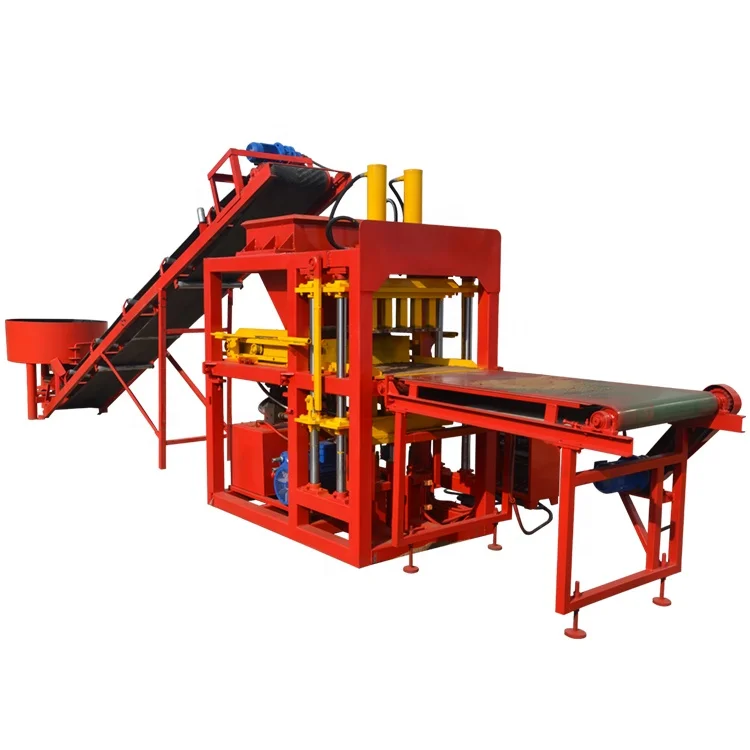
Buyers surveying options for a first or replacement clay interlocking brick machine need to see the tiers clearly. The ECO 2700 occupies the mid-range tier — above manual egg-laying units that rely on operator rhythm, below fully automatic lines with pallet stacking and cubing. Its 150 m² workshop requirement and 900 kg net weight keep the plant footprint modest, while the 16 MPa hydraulic pressure and automatic feeding cycle move output into a range that can supply a housing project without a large fixed installation.
Choosing Between Electric and Diesel on Unstable Grids
The dual power option is not a catalogue checkbox — it changes how you plan the site. Where grid supply drops voltage under load, the 7.5 kW electric motor can stall mid-cycle, leaving a half-pressed brick in the mould. The 12 hp diesel engine removes that dependency entirely, which matters on rural housing sites where the nearest transformer may be undersized [NEED_CITE: voltage instability impact on hydraulic press equipment in developing markets]. Selecting the right power source before the machine ships avoids costly rewiring or generator rentals after arrival.
Reading the Specs That Determine Brick Strength
Hydraulic pressure at 16 MPa is the primary force compacting the clay or soil-cement mix inside the mould cavity. Higher pressure increases green density, but only when matched to the moisture content and particle size of the local soil — too much pressure on a dry, sandy mix cracks the brick edges, while too little on a wet clay mix leaves voids that weaken the cured product. The 10-second moulding cycle gives the hydraulic ram enough dwell time to reach full pressure before the mould lifts. Interchangeable moulds for 300×150×100 mm and 250×125×75 mm formats mean the same ram and pressure settings serve two wall thicknesses, though the larger brick draws more material per cycle and may require a slightly adjusted feed timing. Automatic material feeding and mould lifting remove the operator from the heaviest steps, keeping cycle consistency across a full shift.
The Hidden Cost of Skipping Soil Testing Before Shipment
Sending a machine configured for one soil type to a site with a different aggregate profile is one of the most expensive mistakes in clay brick production. I once commissioned an interlocking brick press in West Africa where the factory trial used standard red laterite, but the local soil turned out to be sand-heavy. Brick strength was unacceptable, and we spent days re-tuning hydraulic pressure and cycle parameters on site, delaying the construction schedule. Requesting a soil sample before production lets the clay interlocking brick machine manufacturer adjust the press settings and recommend a cement ratio that matches what is actually in the ground [NEED_CITE: soil variability effects on compressed earth block strength]. That verification step costs almost nothing compared to an idle site waiting for answers.
Why Sourcing This Machine Here Makes Practical Sense
Block machinery is the single focus of this operation, so the ECO 2700 press, its moulds and the supporting pallet specification are treated as one matched system. Configuration is set against the buyer’s actual mix design and local aggregate rather than a catalogue default — the same soil sample process described above applies to every order. Mould design covers the interlocking formats your local market actually sells, with custom drawings available when standard sizes do not fit. The automation level is selectable, meaning you can begin with the ECO 2700 and move up to a higher-tier line later without replacing your entire operator skill base. Installation support includes on-site commissioning and operator training, so the crew running the machine on day one understands mould changes and daily maintenance.
Documentation & Verification
- Line layout drawing showing ECO 2700 placement within your 150 m² workshop area
- Capacity calculation sheet stating the brick format behind each output figure
- Mould drawing and format list for all interchangeable moulds supplied
- Hydraulic and electrical schematic matching your confirmed voltage and frequency
- Factory test record on your specific soil-cement mix before dispatch
- Operation and maintenance manual with wear parts list
Installation, Commissioning & Support
- 150 m² workshop with level concrete floor to support the 900 kg machine weight
- Dedicated power circuit matching confirmed voltage for the 7.5 kW motor option
- Machine ships assembled; on-site positioning requires standard forklift or crane
- First-run commissioning includes hydraulic pressure calibration to your local soil mix
- Operator training covers mould change procedure for both 300 mm and 250 mm formats
- Wear parts list provided for hydraulic seals and mould liners with reorder codes
What We Need to Move Your Inquiry Forward
To size the ECO 2700 correctly for your project, we need your target brick format and daily output requirement so the capacity calculation reflects reality. Share your local soil type or a sample test result, along with site voltage and frequency, so the power configuration and control settings are confirmed before production starts. If you are working within an existing workshop, provide the floor dimensions and any curing area constraints so the layout fits your available space.
Frequently Asked Questions
Q: How is the 2,800 pcs/8h capacity calculated and which brick format does it assume?
A: That figure is based on producing either 300×150×100 mm or 250×125×75 mm interlocking clay bricks at one piece per mould with a 10-second moulding cycle and automatic feeding. Actual daily output depends on your mix consistency, operator pace during mould changes and curing logistics. Any change in brick format or material density will shift the cycle time and therefore the total.
Q: Where does the ECO 2700 sit compared to semi-automatic and higher-tier automatic clay brick machines?
A: It sits in the mid-range tier — fully automatic in feeding, pressing and lifting but without the pallet stacking and cubing systems found on higher-tier lines. It is a clear step above manual egg-laying machines in consistency and output, while keeping the workshop footprint and investment within reach for a first plant or a housing project site.
Q: What voltage and frequency options are available for my target market?
A: Voltage and frequency are configurable to match your local grid standard and must be confirmed before production begins. The 7.5 kW electric motor option is wired to your specified supply, while the 12 hp diesel engine option bypasses grid dependency entirely. Control system language is also set at this stage.
Q: Can I start with one mould format and add more later?
A: Yes. The ECO 2700 uses an interchangeable mould system, and additional moulds for different interlocking brick dimensions can be ordered with the machine or added later. Mould drawings are provided so you understand the format list. Changeover time depends on operator familiarity after training.
Q: What plant footprint and workshop area do I need compared to larger models?
A: The ECO 2700 requires approximately 150 m² including raw material storage and curing space, which is considerably less than a full automatic line with pallet conveyors and stacking systems. Its 1600 × 1300 × 2330 mm overall dimensions allow placement in a standard single-bay workshop with room for material movement around the press.

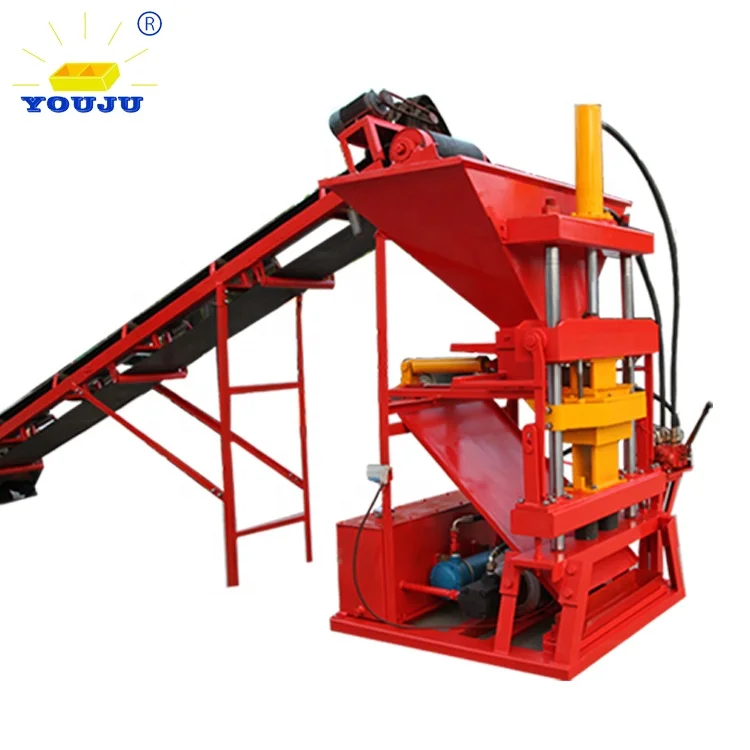
 Clay interlocking brick