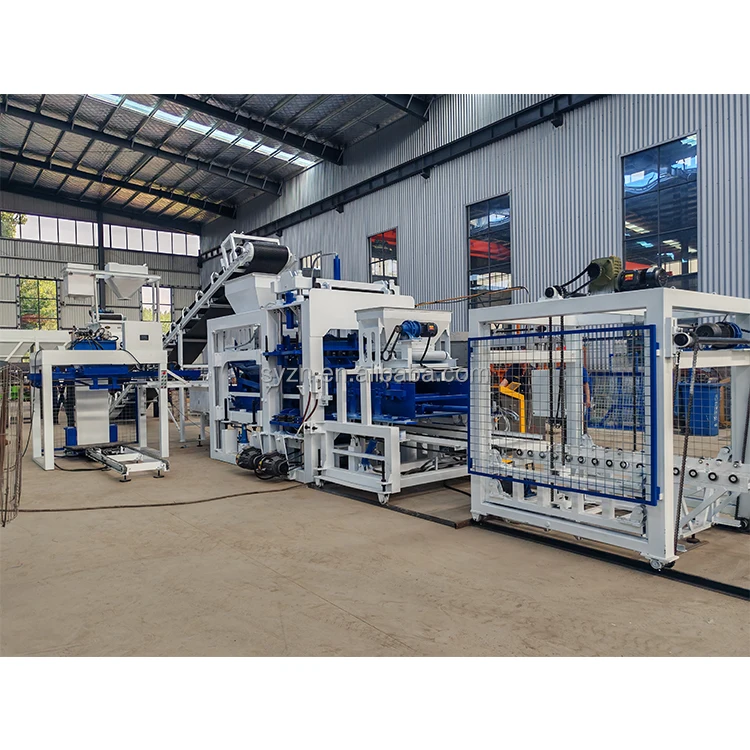
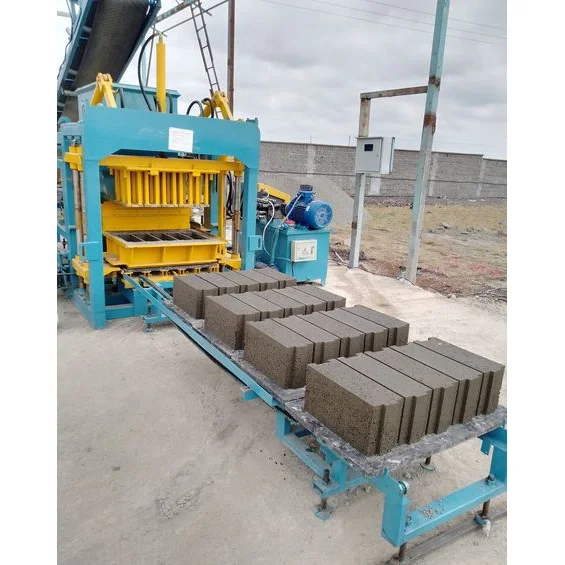
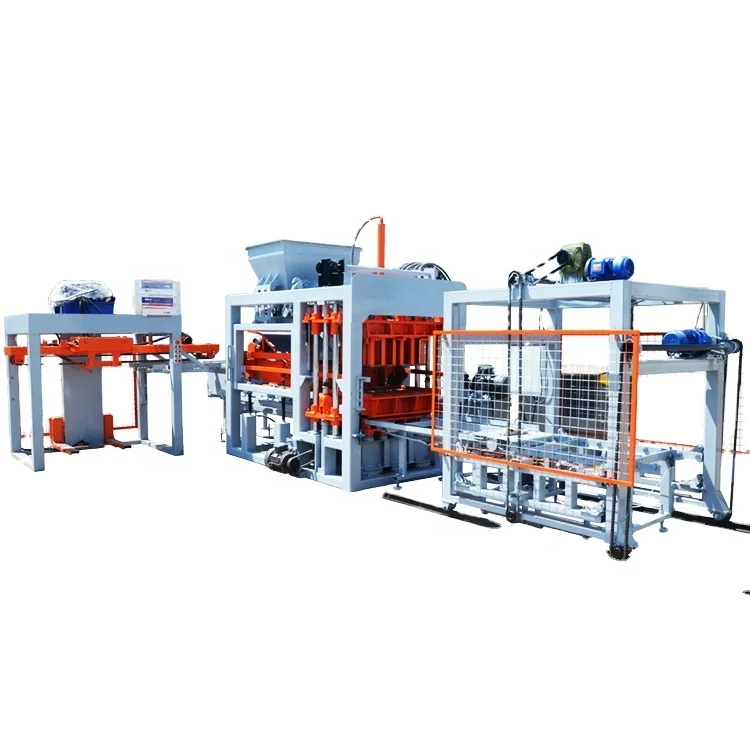
Single-Focus Machinery Matching — the LY2-10 is specified as one integrated system of press, mould, and pallet handling rather than a catalogue default, ensuring the configuration fits your actual clay or cement mix and target interlocking brick format.
Technical Specifications
| Parameter |
Value |
| Model |
LY2-10 |
| Product Type |
Clay Interlocking Brick Making Machine |
| Machine Type |
Semi-automatic clay and cement interlocking brick press |
| Rated Power |
7.5 kW |
| Molding Cycle |
10 s |
| Output Capacity |
750 pcs/h based on 1 pc per mould for listed formats (basis to be confirmed for daily shift calculation) |
| Raw Materials |
Clay, soil, earth, mud, concrete, cement, fly ash |
| Mould Formats |
300×150×100 mm, 250×125×75 mm, 230×220×115 mm |
| Overall Dimensions (L×W×H) |
1300 × 1800 × 2400 mm |
| Automation Level |
Semi-automatic |
| Bricks per Mould |
1 (for listed formats) |
Application Suitability
| Application |
Material or Output |
| Interlocking brick production for masonry walls |
Clay and soil mixes |
| On-site brick manufacturing for building contractors |
Cement-stabilized earth |
| Small-to-medium fixed block plant operation |
Fly ash and concrete blends |
| Rural housing and development project supply |
Locally sourced mud and aggregate |
What "6,000 Pieces per 8 Hours" Leaves Out About the LY2-10
Capacity claims mean nothing until the block format is named.
I have stood on job sites where a machine rated for a certain daily output was delivered with moulds that produced a different format than what was quoted. The cycle time stayed the same, but the brick count dropped because the mould cavities did not match the proposal. With the LY2-10 clay interlocking brick machine manufacturer specifications, the listed output of 750 pieces per hour assumes a single brick per mould across the 300×150×100 mm, 250×125×75 mm, or 230×220×115 mm formats. If your market demands a larger interlocking profile, the per-hour figure shifts accordingly. Buyers who confirm the exact format before the order avoid this mismatch entirely [NEED_CITE: block format assumptions in capacity quotations].

Where the LY2-10 Sits on the Full Machine Range
Shiyue organizes its block machine lineup into distinct tiers: mobile egg-laying units for on-site work without a fixed plant, semi-automatic presses like the LY2-10 for workshop-based production, and fully automatic lines with stacking and cubing. The LY2-10 occupies the semi-automatic tier, meaning pallet handling and brick stacking are managed by operators rather than automated conveyors. This keeps the initial investment contained while still delivering consistent press cycles through the 7.5 kW motor and 10-second molding cycle.
Understanding the Semi-Automatic Tier Before You Scale
Choosing the right tier depends on your daily volume target and available labour. A semi-automatic clay interlocking brick machine manufacturer setup like this one suits entrepreneurs establishing a first plant or contractors producing bricks on their own construction site. The machine footprint at 1300 × 1800 × 2400 mm fits within a standard workshop bay, and the raw material flexibility — clay, soil, cement, fly ash — lets you work with what is locally available. When volume grows beyond what manual pallet handling can sustain, the path forward involves adding automatic pallet feeders and stackers rather than replacing the press itself [NEED_CITE: upgrade paths from semi-automatic to automatic block lines].
Mould Formats, Cycle Time, and What They Mean for Your Output
The 10-second molding cycle governs how fast each brick is pressed, but the total hourly count depends on how many cavities the chosen mould carries. The listed formats — 300×150×100 mm, 250×125×75 mm, and 230×220×115 mm — each produce one brick per cycle in the current configuration. The rated power of 7.5 kW drives the press mechanism, and the semi-automatic control means the operator initiates each cycle and manages pallet placement. Mould change time is not stated in the source, so if your production plan involves switching between interlocking profiles within a single shift, that changeover duration must be confirmed before the line layout is finalized. The interlocking design itself reduces mortar use on site, which is a selling point for the contractors buying your bricks.
The Cost of Skipping the Site Conditions Check
I have seen machines arrive at a port with the wrong voltage configuration because the frequency and phase were never confirmed before production started. A 7.5 kW motor rewound on site adds weeks of downtime and costs more than the rewinding itself. With semi-automatic machines in this class, the pallet size and curing area arrangement also need to match what you already have — if your forklift and curing racks are built for a different pallet dimension, every pallet becomes a manual handling problem. Voltage, frequency, and control language should all be locked in before the machine enters production [NEED_CITE: voltage and frequency standards by export market].
Why Source This Machine Through Shiyue
The LY2-10 is specified as a matched system: press, mould, and pallet are selected together rather than sourced from separate vendors and forced to work alongside each other. The mould design covers the interlocking formats your market actually sells, and custom mould drawings are available if your projects call for a non-standard profile. Configuration is set against your local aggregate and mix design, not a default catalogue setting, which means the vibration and pressure parameters are adjusted to what your clay or cement blend actually requires. Documentation includes a line layout with capacity calculated per block format, so there is no guesswork about daily output once the machine is running.
Documentation & Verification
- Line layout showing LY2-10 capacity calculation per selected interlocking brick format
- Machine specification sheet with voltage, frequency, and control language confirmed for your market
- Mould drawing and format list for all supplied interlocking profiles
- Factory test record on your specified clay or cement mix before dispatch
- Packing photographs and customs documentation support for export shipment
Installation, Commissioning & Support
- Foundation requirements based on the 1300 × 1800 × 2400 mm footprint and 7.5 kW power draw
- Dedicated electrical circuit sized for the LY2-10 motor with confirmed voltage and frequency
- Machine assembled and leveled on site with operator training on semi-automatic cycle operation
- Mould changeover procedure demonstrated for each supplied interlocking format
- Wear parts list matching the LY2-10 hydraulic and mechanical components for first-year spares
What We Need to Configure Your Line
To size the LY2-10 correctly for your operation, share the specific interlocking brick format your market demands, your target daily output, and the clay or cement mix you plan to use. Let us know your workshop dimensions, existing curing area setup, and the local voltage and frequency so the electrical configuration is correct from day one. If you are comparing this semi-automatic tier against a fully automatic line, tell us your current labour availability and we will map out where each option lands.
Frequently Asked Questions
Q: How is the 750 pcs/h capacity calculated and which block format does it assume?
A: The figure is based on one brick per mould with a 10-second molding cycle, applied to the listed formats: 300×150×100 mm, 250×125×75 mm, and 230×220×115 mm. If your required interlocking profile differs from these dimensions, the per-hour count will change. Confirming your exact format before quotation ensures the capacity calculation reflects your actual production target.
Q: Where does the LY2-10 semi-automatic tier sit versus automatic and mobile machines?
A: The LY2-10 sits between mobile egg-laying units that produce on site without a fixed plant and fully automatic lines with pallet feeders and stackers. It requires operator involvement for pallet handling and brick removal, keeping investment lower while maintaining consistent press cycles. Buyers typically choose this tier when setting up a first plant or producing at moderate volume.
Q: What voltage, frequency, and control language options are available?
A: The electrical configuration is confirmed during the order process to match your local supply standards. Voltage, frequency, and any control interface language must be specified before production begins, as retrofitting a motor or control panel on site causes significant delays. Share your local grid specifications early to avoid commissioning hold-ups.
Q: Can the machine be upgraded to a higher automation tier later?
A: The semi-automatic configuration can be expanded by adding automatic pallet feeding and stacking equipment alongside the existing press. The upgrade path depends on your workshop layout and the pallet system already in use. Planning for future automation at the initial order stage makes the transition smoother when your volume justifies the investment.
Q: What plant footprint and supporting equipment are needed at this output tier?
A: The LY2-10 occupies 1300 × 1800 × 2400 mm, and you need additional space for a mixer, raw material storage, pallet circulation, and a curing area sized to hold the daily output. The supporting equipment list depends on whether pallet handling is manual or assisted. A complete line layout is provided during the proposal stage to confirm all station positions.

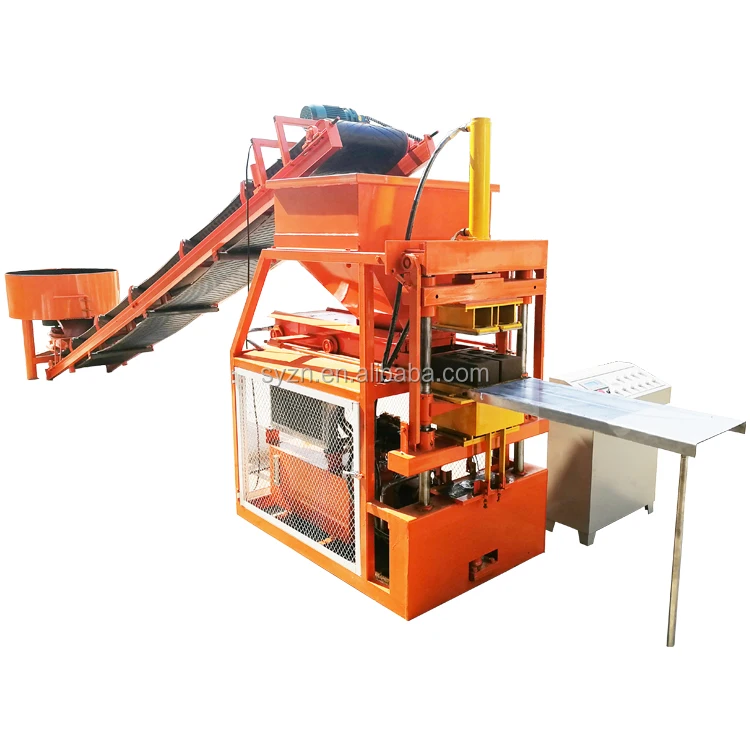
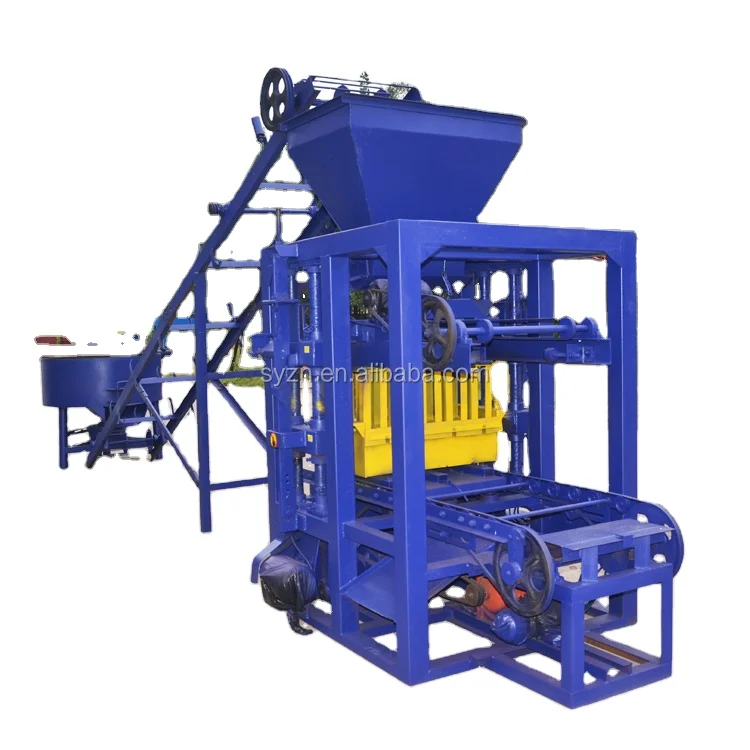 High quality block machine