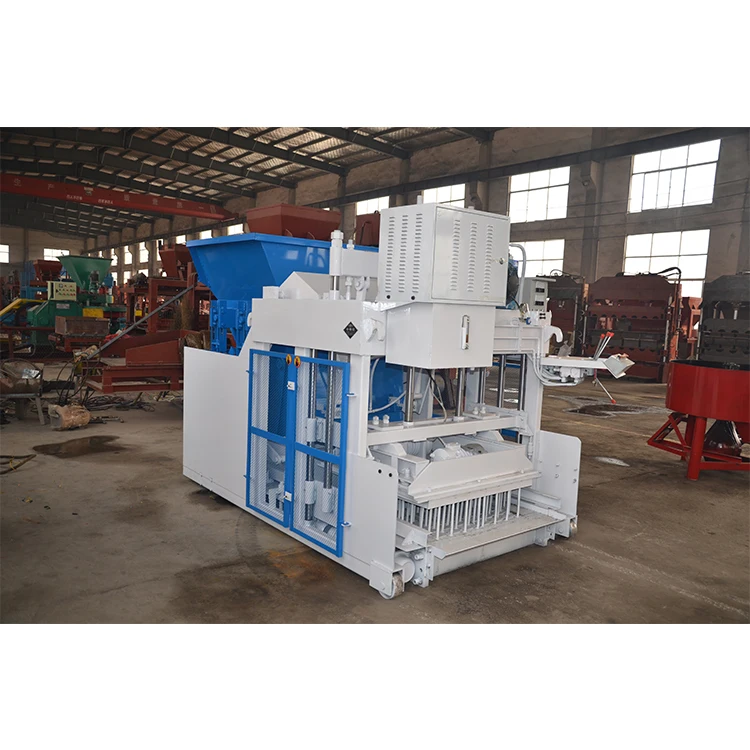
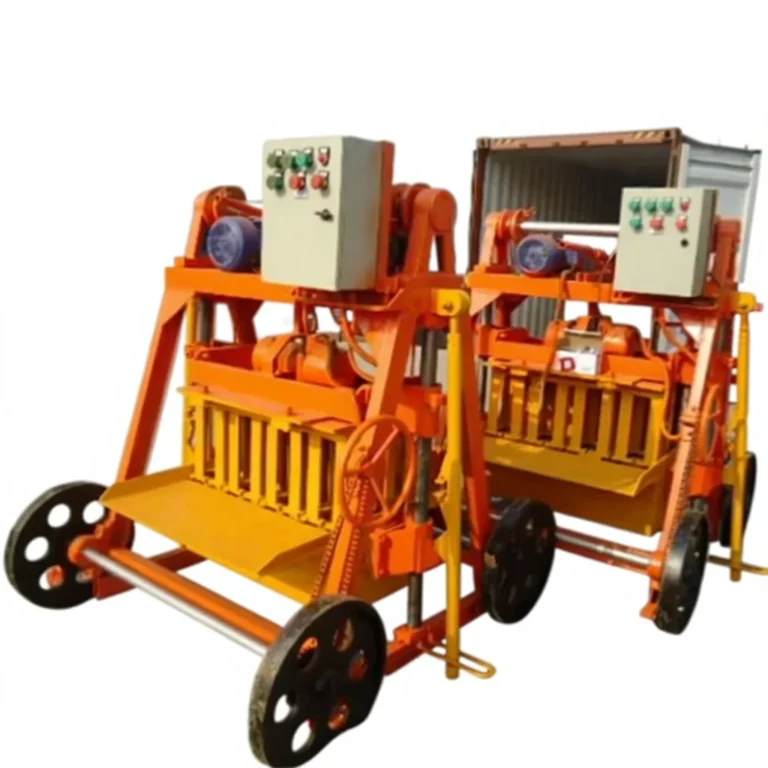
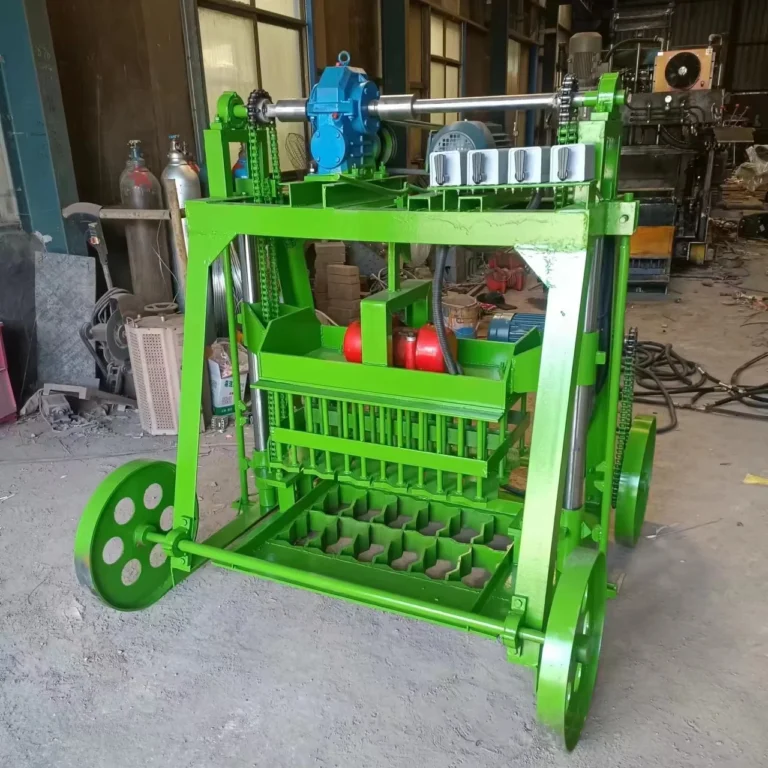
Matched system supply — Machine, mould, pallet and handling specified as one integrated line rather than assembled from separate vendors, verified before dispatch.
Technical Specifications
| Parameter |
Value |
| Model |
QMY6-25 |
| Product Type |
Mobile Block Making Machine |
| Main Vibration Form |
Three-dimensional excitation |
| Vibration Frequency |
3200 Hz |
| Overall Power |
9.6 kW |
| Moving Method |
Automatically move and hydraulic steering |
| Overall Dimensions |
2000×2100×1650 mm |
| Moulding Cycle |
25–30 s |
| Output Capacity (Hollow Blocks) |
1080 pcs/h based on 400×200×200mm hollow block, 6 pcs/mould |
| Output Capacity (Hollow Blocks – Alt) |
1260 pcs/h based on 400×150×200mm hollow block, 7 pcs/mould |
| Output Capacity (Solid Blocks) |
1620 pcs/h based on 400×120×200mm solid block, 9 pcs/mould |
| Output Capacity (Solid Blocks – Alt) |
1800 pcs/h based on 400×100×200mm solid block, 12 pcs/mould |
| Pallet Requirement |
No pallet required |
| Automation Level |
Manual feeding, automatic movement |
| Warranty |
1 year for the whole machine (excluding spare parts) |
Application Suitability
| Application |
Material or Output |
| On-site hollow block production |
Crushed stone, river sand, cement mixes for building contractors |
| Localized solid block manufacturing |
Desert sand, fly ash, and aggregate blends for housing projects |
| Mobile low-investment block plants |
Standard concrete mixes for entrepreneurs starting first production |
Why the Capacity Figure Depends on the Block Format
The stated output assumes a specific block size, so confirming your target format is mandatory before ordering.
Quoted capacity on a mobile block machine manufacturer page often hides the block format used for calculation. A machine making 400×200×200mm hollow blocks at six per mould delivers a different daily total than one pressing 400×100×200mm solid blocks at twelve per mould. The difference is substantial enough to alter project timelines. When the format is not matched to what your market actually buys, the real daily output falls short of expectation, leaving site crews waiting for material. [NEED_CITE: block format impact on daily output calculations]

Placing the Mobile Tier Within the Complete Range
The QMY6-25 occupies the entry-level mobile tier in our full machine range, designed for contractors who need blocks directly on the building site without investing in a fixed plant footprint. Unlike semi-automatic or automatic stationary lines, this mobile block machine manufacturer offering requires no pallets, no curing racks, and no permanent factory floor. The machine moves on its own hydraulic steering system, laying blocks directly onto the ground surface as it travels.
Where Mobile Production Fits the Buyer Profile
This tier suits construction contractors producing hollow blocks on-site to eliminate transport logistics, housing project contractors matching block output to phased build schedules, and entrepreneurs launching a first block operation with minimal fixed investment. The trade-off versus higher tiers is lower absolute output and manual feeding, balanced against zero pallet cost and complete site mobility. Buyers upgrading later can move to semi-automatic lines without replacing their mould inventory entirely. [NEED_CITE: investment tiers for concrete block production startups]
How Vibration and Cycle Time Shape Block Quality
The three-dimensional excitation system operates at 3200 Hz, compacting the concrete mix from multiple axes rather than a single vertical plane. This matters for hollow block walls where thin webs must reach adequate density without cracking during demoulding. The 25–30 second moulding cycle allows the vibration to fully settle the aggregate before the hydraulic system releases the mould. Combined with the 9.6 kW overall power rating, the machine maintains consistent compaction across both hollow and solid formats without requiring external hydraulic power packs.
Mould Change and Format Flexibility on Site
With a moulding area sized for standard 400mm-length blocks, the QMY6-25 accepts moulds for hollow blocks at six or seven per cycle and solid blocks at nine or twelve per cycle. Switching formats on a mobile machine involves unbolting the current mould and lowering the replacement into position, a task that must be planned around site production schedules. Confirming which moulds are included in the initial quotation prevents surprises when a second format is needed mid-project.
The Cost of Skipping the Aggregate Conversation
I once spent two weeks re-tuning vibration and moisture parameters on a desert site because the sample blocks were made with clean river sand while the actual local material carried high clay content. The blocks lacked strength and the masonry crew sat idle. When a mobile block machine manufacturer does not ask for your local aggregate sample before configuration, the machine arrives set for a mix you cannot source. Adjusting on-site costs time, wastes raw material, and delays the entire construction schedule. [NEED_CITE: aggregate variation effects on concrete block compressive strength]
Why Buyers Source the Full Range Here
Block machinery remains the single focus, so the QMY6-25 is supplied with its mould, hydraulic system, and movement mechanism specified as a matched set rather than pieced together from separate vendors. Configuration is adjusted against the buyer’s actual mix design and local aggregate, not a catalogue default. Mould design covers the formats the buyer’s market demands, including custom drawings when standard sizes do not apply. The automation level is selectable, allowing a start at manual feeding with a clear upgrade path. Installation support includes operator training so the crew can run the machine independently from day one.
Documentation & Verification
- Line layout stating the exact block format assumed for each output figure
- Machine specification sheet confirming vibration frequency and hydraulic steering
- Mould drawing and format list for all supplied block sizes
- Voltage and control language confirmation recorded before shipment
- Factory test record on your specified block format prior to dispatch
Installation, Commissioning & Support
- Ground surface must be level and compacted to support 2000×2100×1650 mm machine footprint
- Power supply matching confirmed voltage and dedicated circuit for 9.6 kW total draw
- Machine arrives assembled; hydraulic steering tested before container loading
- First-run block samples produced on your local aggregate during commissioning
- Operator training covers mould change procedure and cycle timing adjustment
- Wear parts list provided with recommended replacement intervals for vibration components
Preparing Your Inquiry
To move forward efficiently, share the specific block formats your market requires, the daily output you need per format, and your local aggregate type with a sample if possible. Confirm your site voltage and frequency, the control panel language preference, and whether you have existing material handling equipment on the project site.
Frequently Asked Questions
Q: How is the capacity figure verified and which block format does it assume?
A: Every output figure is tied to a specific block size and mould cavity count. For example, 1080 pieces per hour assumes 400×200×200mm hollow blocks at six per mould. We provide a written capacity calculation document listing each format you plan to produce, so the daily total matches your actual product mix rather than a generic best-case number.
Q: What voltage and frequency options are available for my target market?
A: The electrical system is configured before production to match your local supply standard. Confirming voltage, frequency, and phase requirements early prevents commissioning delays upon arrival. We record the specification in writing and verify it on the factory test record before dispatch.
Q: What site conditions are needed to operate a mobile block machine without pallets?
A: The machine lays blocks directly onto a flat, compacted ground surface and moves via hydraulic steering. No pallets or curing racks are required, which eliminates pallet storage space. The ground must support the machine weight and remain level enough for consistent block height across the production run.
Q: How does the mobile tier compare to semi-automatic and automatic tiers in output and investment?
A: The mobile tier requires the lowest fixed investment and no permanent factory building, trading off higher output for complete site mobility. Semi-automatic and automatic tiers deliver greater daily capacity with pallet-based curing systems but need a fixed plant footprint. The right tier depends on whether your priority is on-site flexibility or maximum volume.
Q: What mould formats are included and can additional moulds be ordered later?
A: The initial supply includes moulds for the block sizes you confirm during the inquiry stage. Additional moulds for other formats can be ordered separately and are designed to the same mounting interface, allowing format changes as your market requirements evolve without replacing the base machine.

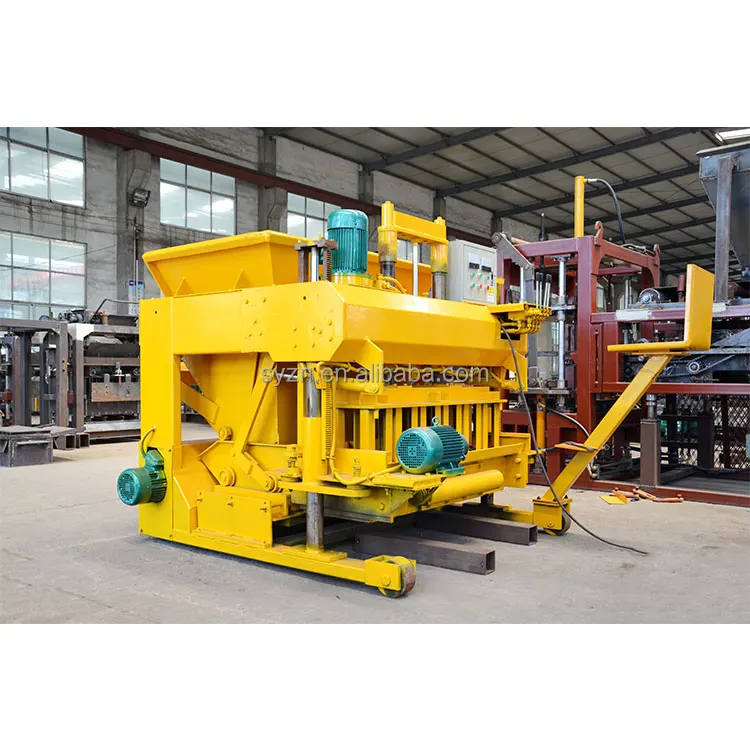
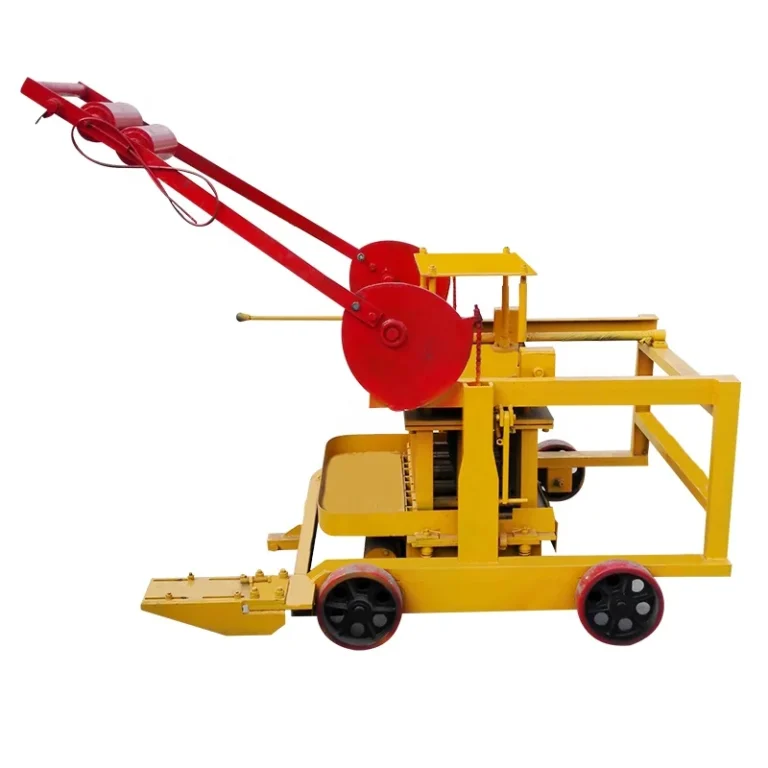 Mobile block machine