

Hollow Block Machine Specs & Buyer Ref: Shiyue Manufacturer
Higher tonnage pressure does not guarantee stronger blocks.
Successful procurement of a hollow block machine requires aligning technical specifications with local raw material conditions, specifically aggregate grading and power stability, rather than focusing solely on nominal capacity or hydraulic force.
I still recall the video call from Lagos. The client had studied the QT8-15 parameter sheet meticulously, cross-referencing cycle times, mold dimensions, and power ratings. He placed the order quickly, confident that the numbers matched his business plan. Yet, within days of installation, production halted. The molds were clogging repeatedly. The issue was not the machine’s hydraulic system or its PLC logic. The sand used contained nearly eight percent clay and had never been screened. The specification sheet clearly stated the required input particle size and aggregate ratio, but these details were overlooked in the excitement of securing a high-capacity unit. This incident reshaped how I approach every inquiry. Now, before discussing output rates, I ask about the screening process and voltage stability. Technical specs are meaningless if they assume ideal conditions that do not exist on the ground. [NEED_CITE: impact of aggregate quality on block machine downtime]
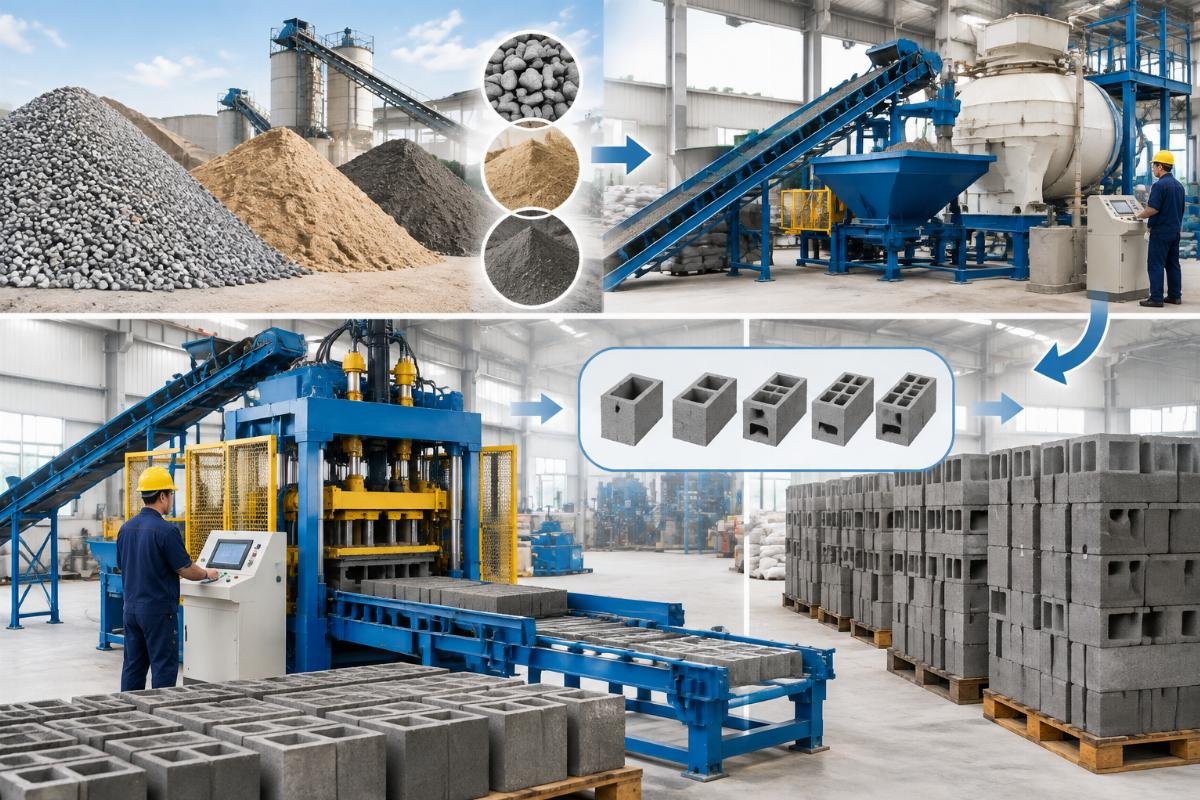
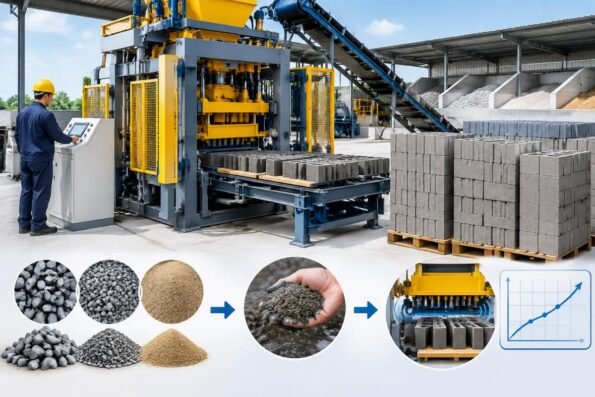
Understanding this disconnect is vital for any investor. A hollow block machine is not an isolated device; it is the core of a system that includes batching, mixing, and curing. When buyers focus exclusively on the machine’s nameplate data, they often miss the operational realities that dictate actual ROI.
Why Do Standard Spec Sheets Fail in Real Production?
Specification sheets provide data under controlled factory conditions, not in the variable environments of emerging markets.
Most manufacturers list capacity based on optimal cycles with perfect feed material. In reality, local constraints such as inconsistent sand quality or unstable power grids dictate actual performance. A machine rated for a certain number of blocks per hour will underperform if the feeding system struggles with wet or oversized aggregate. [NEED_CITE: ISO standards for concrete block production variability]
Consider the difference between theoretical and actual output. If the aggregate contains excessive fines, the mixer requires more time to achieve homogeneity. This delays the feeding cycle. If the power supply fluctuates, the PLC may trigger safety stops, halting production entirely. These factors are rarely reflected in the standard brochure. Buyers must interpret specs through the lens of their site-specific limitations.
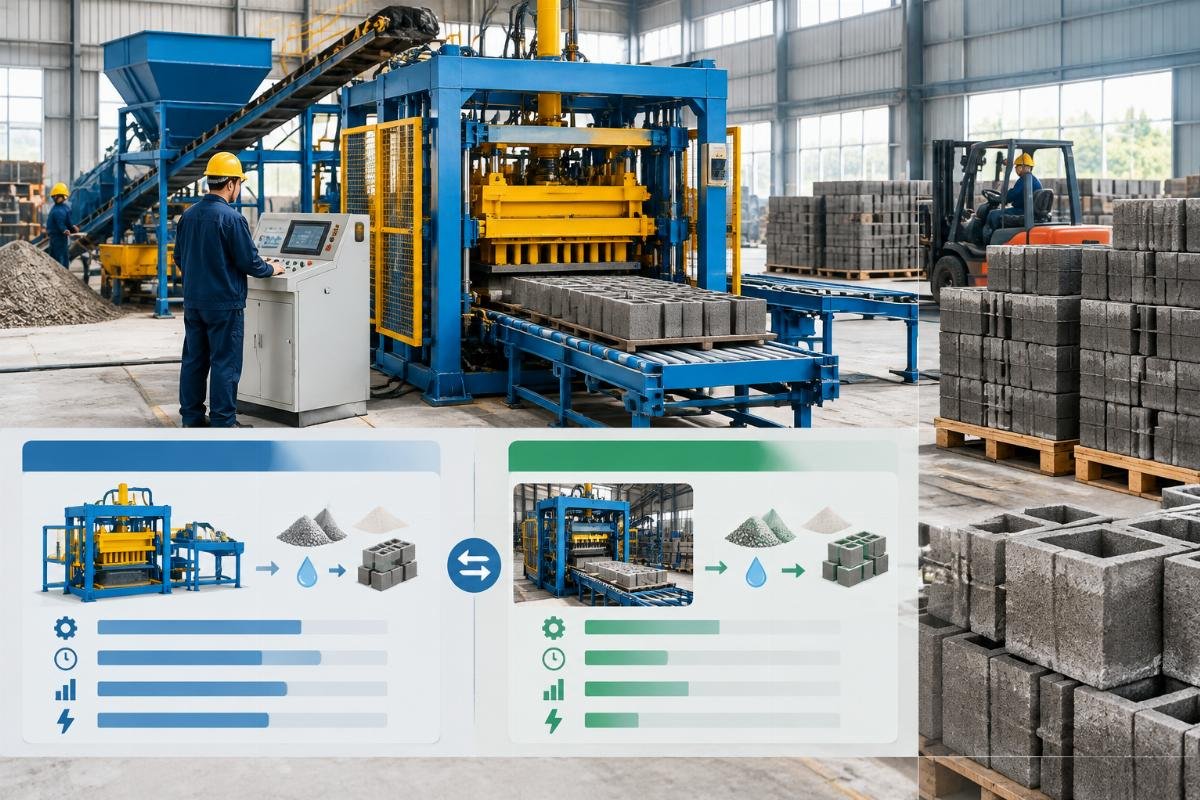
The failure to account for these variables leads to frustration. Investors expect the machine to deliver the promised volume immediately. When it does not, they blame the equipment. Often, the equipment is functioning exactly as designed, but the input conditions violate the design assumptions. Recognizing this early prevents costly misunderstandings and ensures that the selected hollow block machine specifications match the real-world operating environment.
Critical Parameters Beyond Capacity: Power and Material Prep
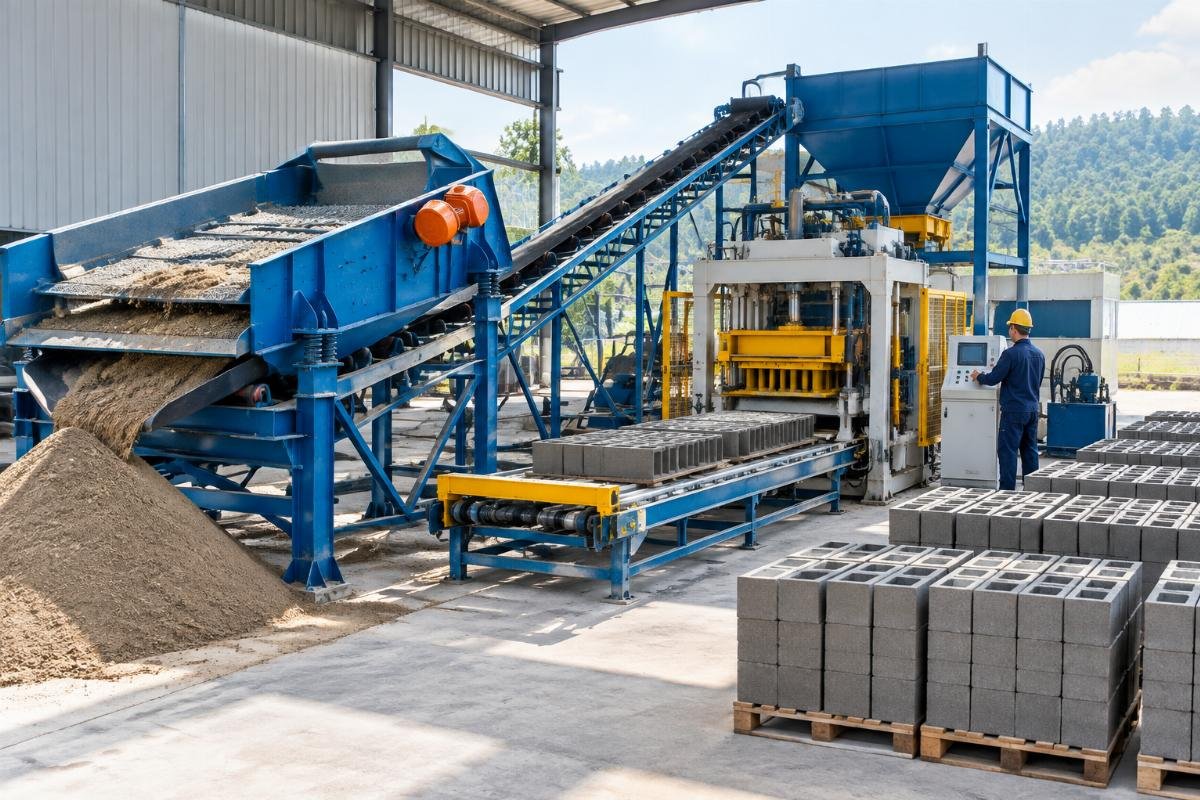
Voltage stability and aggregate screening are non-negotiable prerequisites for automatic lines, often more critical than hydraulic tonnage.
Many buyers believe that automatic machines run themselves. In truth, they require stricter raw material preparation than manual units. A semi-automatic machine allows an operator to adjust the feed manually if the mix is uneven. A fully automatic line, such as those in the QT series, relies on sensors and precise timing. If the material flow is inconsistent, the system faults.
| Parameter | Ideal Condition | Common Field Reality | Impact on Operation |
|---|---|---|---|
| Aggregate Grading | Controlled, screened sand | Unscreened, high clay content | Mold clogging, uneven block density |
| Power Supply | Stable voltage within tolerance | Frequent fluctuations, drops | PLC tripping, motor damage |
| Moisture Control | Consistent water-cement ratio | Variable due to weather | Weak blocks, surface defects |
[NEED_CITE: electrical requirements for industrial PLC systems]
A startup in Southeast Asia faced this exact challenge. They installed a high-end automatic line but neglected the power infrastructure. Local voltage fluctuations caused the PLC to trip repeatedly. Each restart required a manual reset and recalibration, losing hours of production. The solution was not a new machine but a voltage stabilizer. Similarly, in West Africa, high clay content in local sand caused frequent mold blockages. The fix was not a different mold design but the addition of a pre-screening unit.
When evaluating hollow block machine specifications, look for details on power consumption and tolerance. Does the manufacturer offer voltage protection options? Are there recommendations for sand screening equipment included in the package? These elements ensure stable operation. Ignoring them turns a sophisticated machine into a source of constant downtime.
Matching Mold Design to Your Market’s Block Standards
Custom molds must align with local construction codes and pallet sizes, not just aesthetic preferences.
Mold selection is often treated as an afterthought. Buyers choose shapes based on catalog images without considering structural requirements or logistical constraints. However, the mold defines the product’s marketability and the machine’s efficiency. A mismatched pallet size can reduce output significantly. If the pallet is too small for the mold cavity, the machine cannot operate at full capacity. If it is too large, it wastes space and increases handling costs.
In Latin America, a client expanded their production line but kept their existing pallets. The new molds were designed for standard international pallets, which differed slightly from their local stock. This mismatch reduced their effective output by a noticeable margin. They had to replace their entire pallet inventory, incurring unexpected costs. [NEED_CITE: ASTM standards for concrete masonry units dimensions]
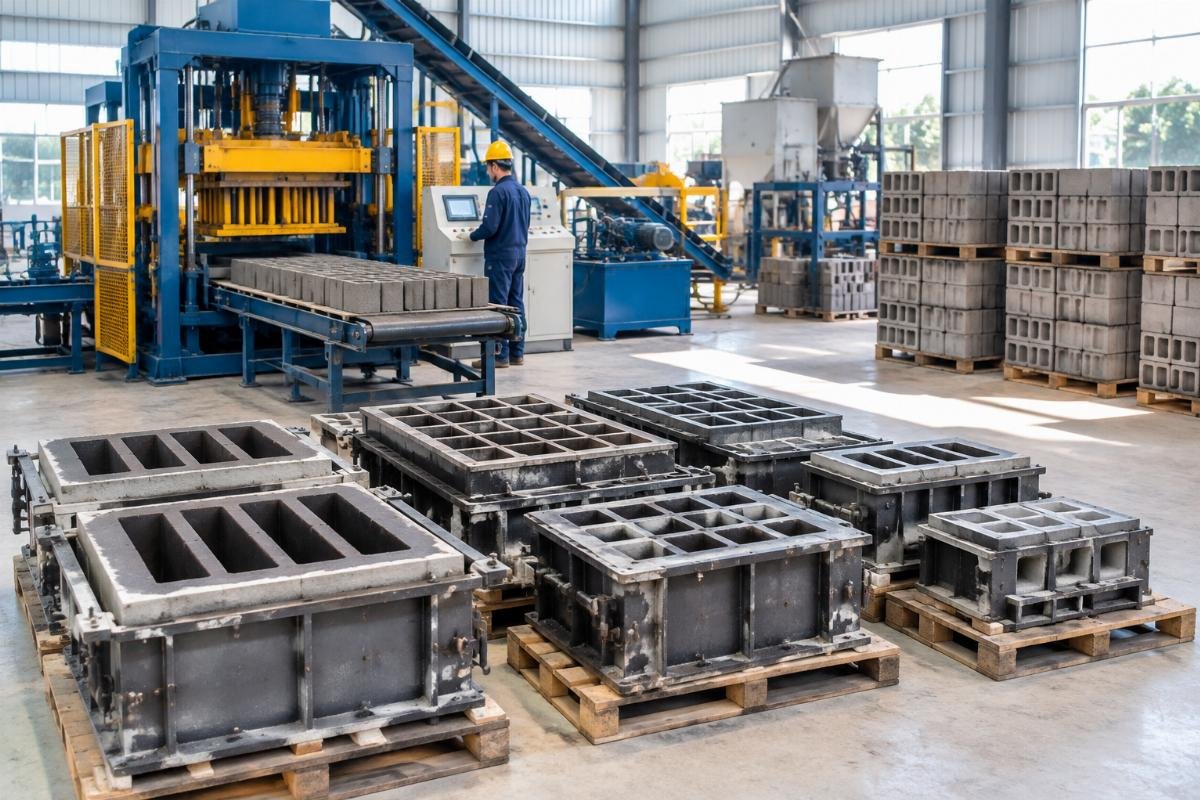
To avoid this, verify the pallet dimensions specified in the hollow block machine specifications against your current inventory or local availability. Ensure the mold design complies with local building codes regarding block strength and dimensions. Some regions require specific interlocking patterns for seismic resistance. Others prioritize thermal insulation properties, which influence the block’s hollow core design. Engaging with the manufacturer early to customize molds for these specific needs ensures that the final product meets market demand without compromising production efficiency.
Evaluating ROI: From Machine Price to Operational Uptime
Total cost of ownership includes maintenance ease and spare parts availability, not just the initial purchase price.
Investors often compare machines based on the sticker price. This is a short-sighted approach. A cheaper machine may have higher maintenance costs or longer downtime due to poor spare parts support. The true ROI depends on operational uptime. A machine that runs continuously for months generates far more revenue than one that saves money upfront but stops frequently for repairs.
Ease of maintenance is a critical spec. Are hydraulic components standard sizes that can be sourced locally? Is the PLC system accessible for diagnostics? Can operators be trained quickly to handle minor issues? These factors determine how much time the machine spends producing blocks versus sitting idle. [NEED_CITE: maintenance best practices for hydraulic block machines]
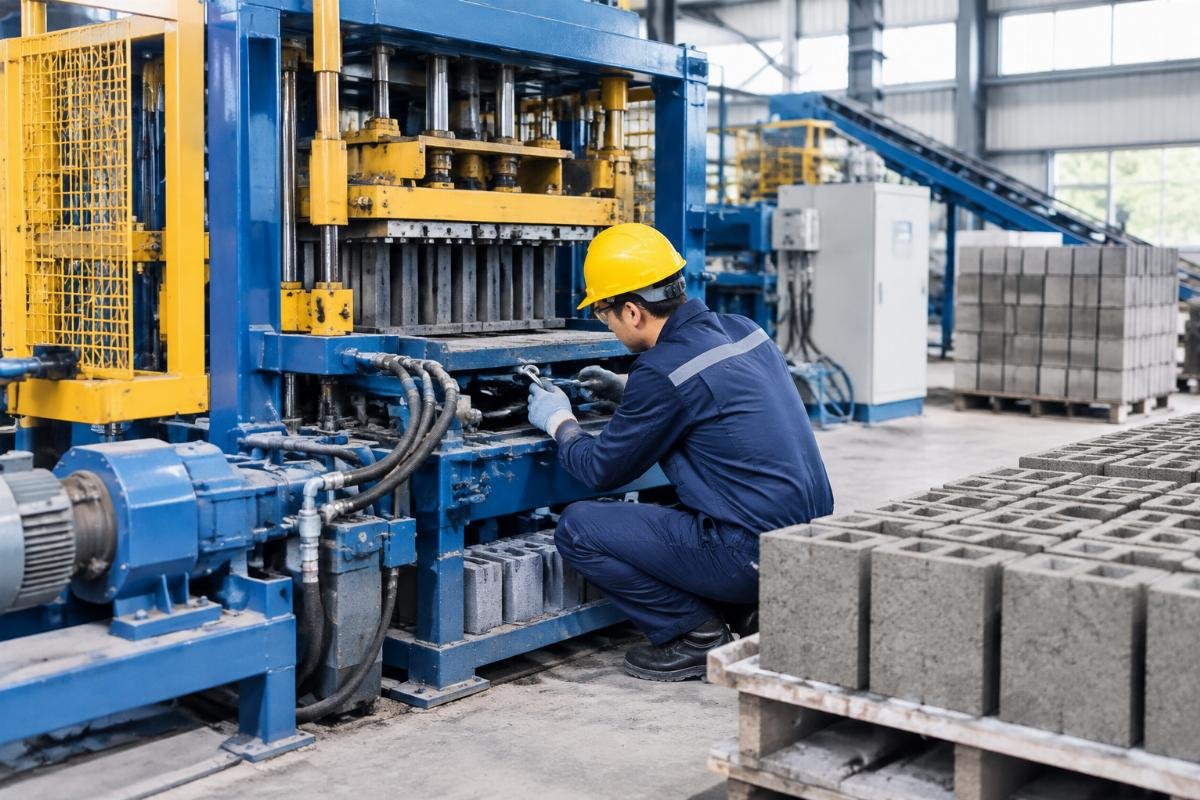
Spare parts availability is equally important. If a critical component fails, how long does it take to receive a replacement? Weeks of downtime can erase the savings from a lower purchase price. Manufacturers who offer comprehensive support, including remote diagnostic assistance and fast shipping for critical parts, provide greater long-term value. When reviewing hollow block machine specifications, look for details on service support and parts logistics. This holistic view ensures that the investment delivers sustainable returns.
Conclusion
Technical specs are only as good as the site conditions they operate in.
Aligning machine capacity with local constraints like power stability and aggregate quality is essential for success. Focus on the entire production ecosystem, not just the machine’s nameplate data. This approach minimizes downtime and maximizes ROI for any block manufacturing venture.

Industry expert sharing insights about concrete machinery, block making technology and turnkey production solutions.
View all posts →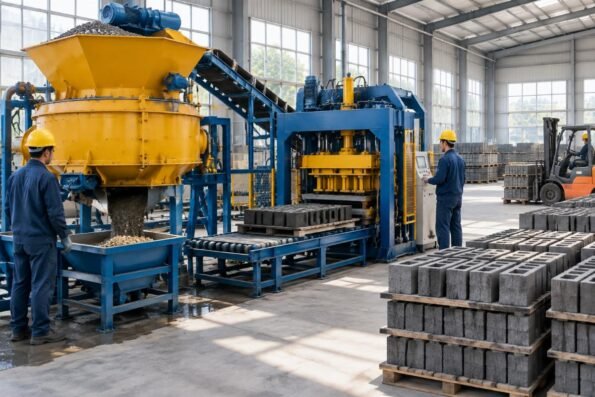
Leave a Reply